Why a Burmese Purrs Through a Vet Examination
Visiting the vet is often a dreaded experience for most cats, a flurry of fear, hisses, and desperate attempts to escape from the carrier. For many Burmese owners, however, the scene can be remarkably different: a cat that purrs, rubs, and seems almost to enjoy the attention. This can be confusing – are they genuinely happy, or is something else at play? This guide will dive deep into the fascinating reasons behind a Burmese cat's purring behavior during veterinary examinations and how to ensure their comfort and well-being.
The Burmese Temperament: Built for Connection
The Burmese cat is renowned for its extraordinarily sociable and affectionate nature, a trait that often surprises people more accustomed to the independent, aloof stereotype of felines. These cats truly thrive on interaction, forming deep bonds with their human companions and often extending that warmth to other pets and even strangers. This inherent drive for connection plays a huge role in how they navigate potentially stressful situations, like a trip to the vet.
The "Velcro Cat" Phenomenon
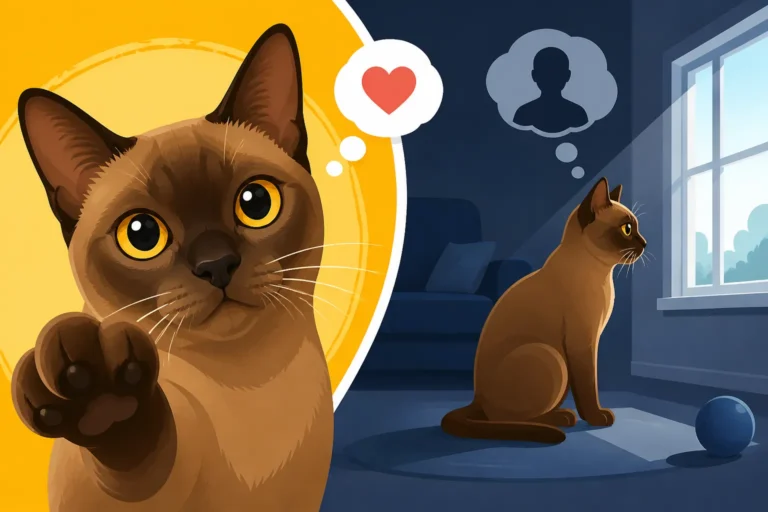
Burmese cats didn't earn the nickname "Velcro cats" by accident; it's a testament to their unwavering desire to be close to their people. They aren't content to merely share a room; they want to be on your lap, riding your shoulder, or tucked right under the duvet with you. This constant physical contact provides them with an immense sense of security and well-being. When a Burmese is in an unfamiliar or slightly intimidating environment like a vet's office, their natural instinct is to seek out this closeness with their trusted human. If you're holding them, or even just keeping them within reach, that purr is often a manifestation of this profound need for reassurance, a way of saying, "Okay, I'm here with you, and that makes things feel safer." You can explore more about this deep attachment in The Burmese Is the Velcro Cat of the Cat Fancy.
This need for proximity extends beyond simple affection; it's deeply ingrained in their psychological make-up. A Burmese left alone in a new place will feel genuine anxiety, much like a human child might in a strange room without their parent. The presence of their owner, offering comfort and steadying hands, is paramount. This isn't just a preference; it's a fundamental part of their emotional security system, which kicks into high gear during something as unsettling as a physical examination by a stranger.
Seeking Reassurance in the Unfamiliar
For many cats, unfamiliar sights, sounds, and smells at the vet clinic trigger an immediate flight-or-fight response. But a Burmese, with their profound social needs, often leans into the connection aspect instead. They don't want to run away from their human; they want to draw closer. The purr in this context becomes a form of self-soothing, a physiological response that helps calm their own nerves, much like a child might suck their thumb. It also serves as a communication tool, indicating to you, their trusted companion, that they are seeking comfort and connection.
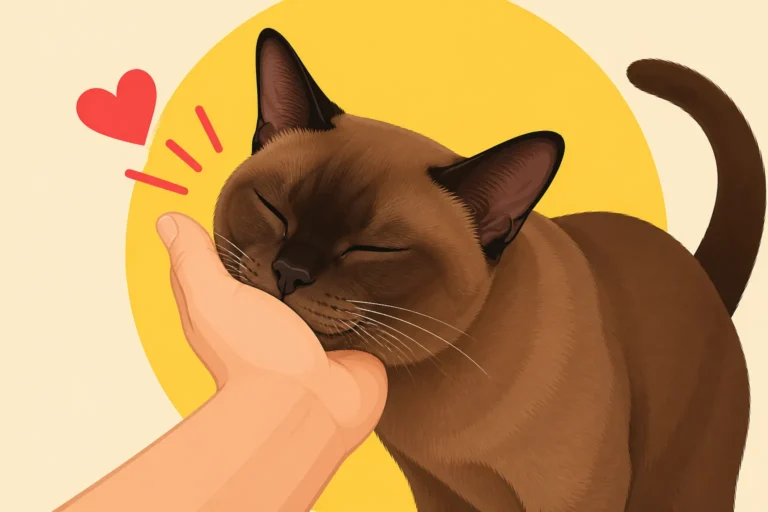
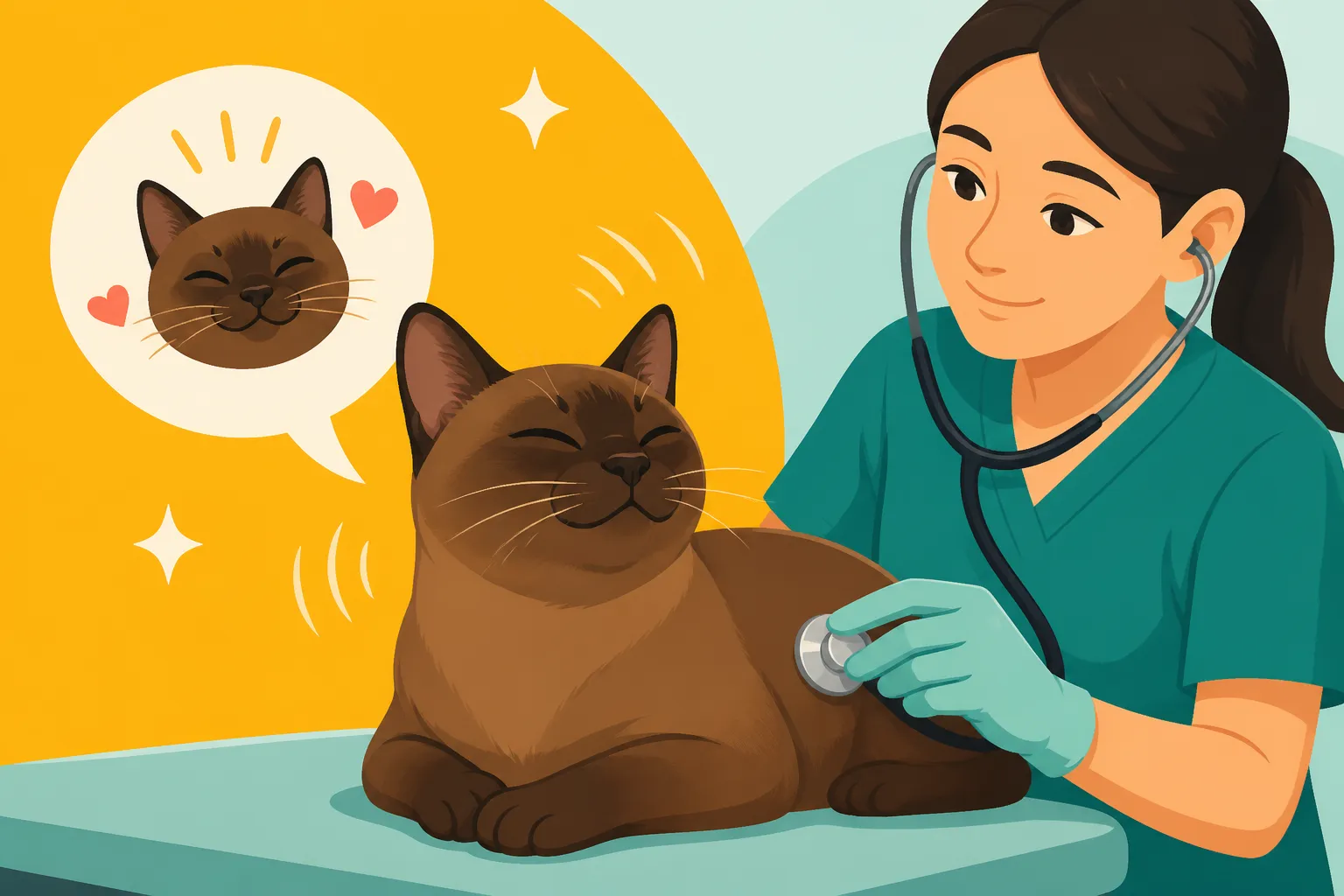
Consider a scenario where your Burmese, usually playful and boisterous, is on the examination table. The vet is gently palpating their abdomen, a new sensation. Instead of trying to scratch or escape, your Burmese might press their head into your hand or rub against the vet's arm, all while emitting a deep, rumbling purr. This isn't necessarily joy, but a mechanism to cope with the unfamiliarity and potential discomfort, signaling both their vulnerability and their desire for gentle handling. The sheer strength of their bond with humans allows them to process stress in a uniquely communicative way.
Their Inherited Trust in Humans
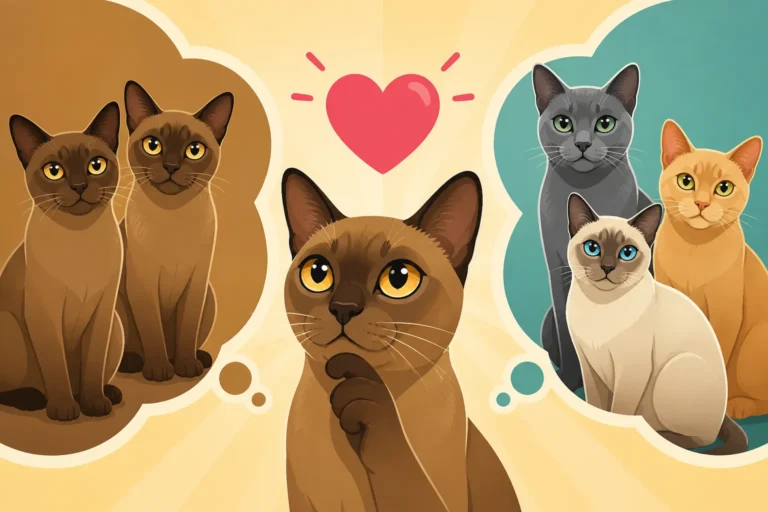
The history and selective breeding of the Burmese have honed their innate trust and friendliness towards humans. Unlike some breeds that retain a strong sense of independence, the Burmese lineage has consistently favored traits that promote close companionship. This means they are often less wary of new people than many other cats, and more willing to engage even when their circumstances are less than ideal. Why a Burmese Asks to Be Picked Up further illustrates this ingrained behavior.
This doesn't mean they don't experience stress or fear, but their default coping mechanism often involves interaction rather than withdrawal. A purr can therefore be an attempt to bond with the vet, to "win them over" with friendliness, or simply to express a generalized feeling of being handled by a human, which they typically associate with positive experiences. They extend their trust readily, often assuming positive intent even from a probing pair of hands.
Decoding the Burmese Purr: A Complex Language
While purring is universally associated with feline contentment, for a Burmese, it's a much more nuanced vocalization. Their purr isn't always a straightforward indicator of happiness; it's a sophisticated part of their communication repertoire, often employed in situations that might surprise owners. Understanding these subtleties is key to interpreting their behavior at the vet.
Purring as Self-Soothing
It's a well-documented phenomenon across the cat kingdom that purring isn't just for pleasure. Cats can purr when they are injured, in pain, or giving birth. The low-frequency vibrations produced during purring are believed to have therapeutic effects, promoting bone growth, healing wounds, and alleviating pain. For a Burmese at the vet, therefore, a purr can very much be a self-soothing mechanism. It's their body's way of trying to calm itself down, to reduce anxiety, or even to cope with a minor discomfort during an examination.
Imagine your Burmese receiving a routine vaccination. They might let out a quick squeak of protest, but almost immediately settle back into a purr. This isn't because they enjoyed the needle, but because their instinct is to mitigate the stress or momentary sting. The purr helps them regain a sense of equilibrium. Owners who interpret this purely as happiness might miss other subtle cues that indicate underlying unease, showcasing the importance of observing their whole body language, not just their vocalizations.
The Different Shades of a Burmese's Vocalizations
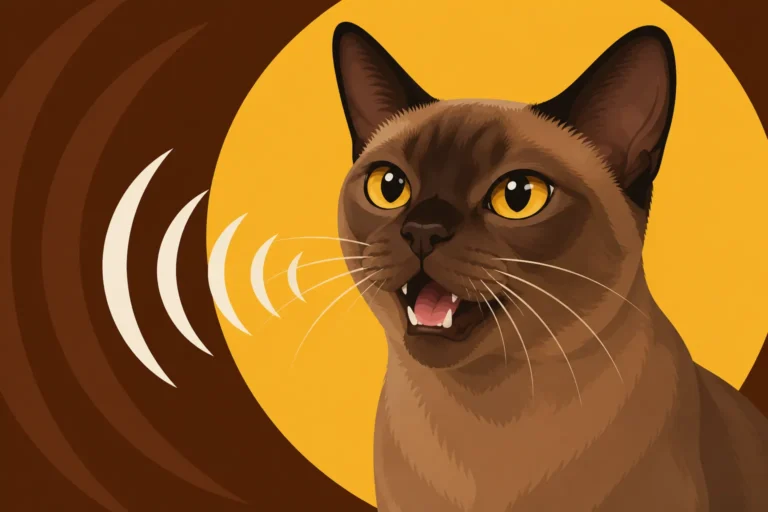
Burmese cats are known for their distinctive voices, often described as a soft, rasping rumble rather than a sharp meow. This unique vocalization, which you can learn more about in The Rasping Rumble a Burmese Uses Instead of a Meow, is utilized in a variety of contexts beyond simple purring for pleasure. They use it to demand attention, express hunger, or even to "talk" back to their owners. At the vet, this broad communicative range can manifest in purrs that serve different purposes.
Sometimes, their purr might escalate in intensity, becoming almost a low growl or a more insistent rumble. This could indicate a higher level of anxiety, a plea for the examination to stop, or an attempt to express discomfort more strongly without resorting to aggression. Conversely, a quiet, almost hesitant purr could signal mild apprehension rather than deep satisfaction. Learning the specific nuances of your own Burmese's "purr vocabulary" can help you differentiate between a truly relaxed cat and one that's merely using its purr to cope. How Often a Burmese's Rasp Is Heard in a Day can provide further context on their typical vocal habits.
When Purring Masks Discomfort
Perhaps the most challenging aspect of interpreting a Burmese's purr at the vet is recognizing when it masks actual discomfort or pain. Because of their highly social nature and tendency to cope through interaction, a Burmese might continue to purr even when they are not feeling well. This can sometimes lead to delays in diagnosis if owners or even veterinary staff misinterpret the purr as absolute contentment. The phrase "purring through the pain" is very real for this breed.
It's vital for owners to be vigilant for other subtle signs of unease. Is their tail tucked? Are their pupils dilated? Are their ears flattened or swiveling rapidly? Is there any muscle tension in their body, despite the purr? A cat purring while trying to hide behind your legs, for instance, is a very different scenario from one purring while kneading your arm contentedly. Burmese cats are also known for hiding illness behind their affectionate nature at home, making careful observation even more critical in a stressful environment.
Handling and Acclimation: From Kittenhood Onward
The way a Burmese handles a vet visit is deeply influenced by their early experiences and ongoing training. Their natural sociability makes them excellent candidates for positive reinforcement and gentle acclimation to handling, setting the stage for more relaxed veterinary encounters throughout their lives.
Early Socialization and Handling
From the moment they are tiny kittens, Burmese are typically very amenable to being handled. Responsible breeders often engage in extensive socialization, ensuring kittens are accustomed to being touched, held, and examined from a young age. This early exposure is paramount. A kitten that regularly has its paws, ears, and mouth gently inspected will be far less likely to panic when a vet needs to do the same. This early conditioning helps build a foundational trust in human touch, even when it's not purely for play. You can read more about this in Why a Burmese Kitten Insists on Being Handled.
Owners continuing this practice at home, perhaps by gently feeling their kitten's belly, checking their teeth, or even just routinely picking them up and cuddling them, reinforces this positive association. These regular, positive interactions teach the Burmese that human hands, even those performing slightly invasive actions, are generally safe and trustworthy. This lays the groundwork for them to remain calm, or at least tolerant, during a full vet examination, often expressed through their characteristic purr.
The Importance of Positive Association
Creating a positive association with the vet clinic itself is another cornerstone of a calm Burmese. This involves more than just the examination; it starts from the moment you consider leaving the house. The carrier, for example, should not be a harbinger of doom. Instead, it should be a safe, comfortable space. Leaving the carrier out in the home, lined with a familiar blanket or a favorite toy, and occasionally placing treats inside, can transform it. Many owners find success with soft-sided carriers available on Amazon, which can be made cozy and inviting.
Regular, short "happy visits" to the vet clinic, where the cat simply goes in, receives a treat and some praise, and then leaves without any examination, can also work wonders. This desensitizes them to the sounds, smells, and people of the clinic, reducing the stress associated with actual appointments. When a Burmese learns that the vet's office isn't always a place of discomfort, their natural inclination to purr as a sign of general acceptance or seeking interaction is more likely to genuinely reflect a lower stress level.
Building Trust with the Veterinary Team
A consistent veterinary team can significantly contribute to a Burmese's comfort. Having the same vet and vet technicians handle your cat over the years allows them to build a rapport. Burmese cats, with their intelligence and memory, will often recognize and respond positively to familiar faces. A vet who takes the time to speak gently, offer treats, and approach the examination with patience will foster trust, making the experience much less traumatic. This is why many vets actually enjoy working with Burmese cats; their cooperative nature makes examinations smoother. Why Vets Like Handling a Burmese elaborates on this point.
A good vet will understand the nuances of a Burmese's purr and will look for other subtle indicators of stress, rather than relying solely on vocalizations. Owners can also play a crucial role by openly communicating their cat's typical behaviors and any concerns. By working together, the owner and veterinary team can ensure that the Burmese feels as secure as possible, allowing their purrs to shift from a coping mechanism to a truer expression of their social comfort.
Creating a Calming Vet Experience
Even with the most affable Burmese, a trip to the vet can be stressful. Proactive steps to minimize anxiety can make a significant difference, not just for the cat, but for the owner and veterinary staff as well. The goal is to make the entire journey and visit as seamless and comforting as possible, allowing your Burmese's natural purr to express more genuine ease.
The Journey to the Clinic
The car ride itself can be a major source of stress for many cats. For a Burmese, who thrive on predictability and comfort, a bumpy, noisy journey can be quite unsettling. Ensure their carrier is secured in the car to prevent it from sliding, and consider covering it with a light blanket to create a den-like, private space. Some owners find that playing calming music in the car, or using a pheromone spray in the carrier (many effective options are available on Amazon), can help reduce anxiety. The key is to make the carrier and the car journey as non-threatening as possible.
Before even getting into the car, take a few minutes to engage in a short play session or offer some gentle strokes. This helps to reduce any pre-travel jitters and ensures your Burmese feels connected and grounded before the change of environment. A calm departure from home can set a positive tone for the entire vet visit, making them more receptive to reassurance when they arrive.
Comfort Items and Familiar Scents
Bringing familiar items from home can provide an invaluable sense of security for your Burmese. A favorite blanket, a small towel that smells of home and their bonded people, or even a cherished toy placed inside their carrier can create a comforting bubble. These familiar scents and textures act as anchors in an otherwise strange environment, reminding them of the safety and warmth of their own territory.
When you arrive at the clinic, if possible, find a quiet corner away from barking dogs or other stressed animals. Keeping the carrier partially covered can further reduce visual stimuli that might heighten anxiety. During the examination, having that familiar blanket or towel to gently wrap around your Burmese, or simply letting them rest their head on it, can be incredibly reassuring. Small gestures like these acknowledge their need for comfort and can help maintain their characteristic purr as a more positive response.
The Art of Distraction
Distraction can be a powerful tool for redirecting your Burmese's attention away from potentially unpleasant procedures. High-value treats, such as small pieces of cooked chicken, tuna flakes, or squeeze-up cat treats, can be offered during the examination. The act of eating can be inherently calming for cats, and focusing on a delicious treat can make them less aware of what the vet is doing. Many excellent, healthy treat options can be found and ordered online, including on Amazon. This strategy can be particularly effective during routine vaccinations or blood draws.
You can also engage them with gentle stroking in their favorite spots, or soft, reassuring words. For a Burmese, who values interaction so highly, your calm presence and focused attention can be the ultimate distraction. This is also where techniques learned from home, like Teaching a Burmese to Sit Still for a Glucose Check or How to Give a Burmese Its Insulin at Home, become incredibly valuable, showing that they can associate handling with positive outcomes, even if it's medical. The goal is to create a positive feedback loop: vet visit = treats and gentle handling.
| Aspect | Typical Cat Reaction to Vet | Burmese Cat Reaction to Vet (Often) | Underlying Reason |
|---|---|---|---|
| Vocalization | Hissing, growling, silence | Purring, soft rumbles | Self-soothing, seeking connection, learned behavior |
| Body Language | Hiding, tense, flattened ears | Rubbing, head-bunting, relaxed stance | Sociability, trust, desire for interaction |
| Handling | Resists, attempts to escape | Tolerant, leans into touch, seeks lap | High tolerance for handling, strong human bond |
| Interaction with Vet | Avoids eye contact, withdraws | Engages, may rub against vet's hand | Inherited friendliness, tendency to "win over" strangers |
| Response to Stress | Flight or fight | Seek reassurance/comfort from human | Deep social dependence, unique coping mechanisms |
Distinguishing Contentment from Stress Signals
While a Burmese cat's purr at the vet is often a sign of their incredible temperament and coping mechanisms, it's crucial for owners to learn to differentiate between a truly content purr and one that might be masking stress or discomfort. Understanding the full spectrum of their body language is the best way to interpret their true emotional state.
Beyond the Purr: Other Body Language Cues
A purr should never be the sole indicator of your Burmese's comfort level. Cats communicate volumes through their non-verbal cues, and for a Burmese, these signals can be particularly subtle, precisely because they often default to a friendly demeanor. Look at their eyes: are they wide and dilated, suggesting fear, or soft and almond-shaped? Observe their ears: are they swiveling nervously, pressed flat against their head, or relaxed and forward-facing? A tense jaw, a tucked tail, or a twitching tail can all indicate stress, even if a purr is rumbling.
Pay close attention to their breathing patterns; rapid, shallow breaths can be a sign of anxiety. Even their posture on the examination table can tell a story. Are they attempting to shrink away, or are they confidently exploring their immediate surroundings? A truly comfortable Burmese might knead their paws or push their face into your palm, demonstrating genuine relaxation. While the purr is charming, it's only one piece of the puzzle.
Observing Subtle Changes in Behavior
Your Burmese knows you best, and you know them. This means you are uniquely positioned to spot subtle changes in their behavior that a vet, seeing them briefly, might miss. Does their purr sound slightly different? Is it more strained or insistent than usual? Are they less inclined to play or explore after the vet visit, even if they purred throughout? These nuances are important. If your Burmese is usually a "shoulder cat," as described in Why a Burmese Rides on Your Shoulder, but is hesitant to climb you at the vet, that's a signal, purr or no purr.
Keep a mental checklist of their normal behaviors and compare them to what you observe at the clinic. A Burmese that is normally very vocal, for instance, might become unusually quiet due to stress, even if they still purr when handled. Conversely, one that isn't typically cuddly but suddenly seeks intense contact might be doing so out of fear rather than affection. Trust your gut as their primary caregiver – if something feels off, even with a purr, it's worth investigating.
Empowering Owners to Advocate for Their Cat
Ultimately, you are your Burmese's strongest advocate. Don't hesitate to communicate your observations and concerns to the veterinary staff. If you suspect your cat's purr is masking discomfort, or if you notice other stress signals, bring them to the vet's attention. A good veterinary team will appreciate your insights and work with you to adjust their approach, perhaps using gentler handling techniques, allowing more time for acclimation, or even recommending mild sedatives for particularly stressful procedures.
Consider bringing in specific items that you know calm your Burmese, like their favorite bed (if small enough) or a special treat. Share stories of how they react to different situations at home. By being proactive and vocal about your cat's individual needs, you can ensure that their unique Burmese temperament is understood and respected, turning potentially anxious vet visits into genuinely calm, reassuring experiences for everyone involved.
Disclaimer
This article is for general informational purposes only and does not constitute professional advice. Laws, prices and regulations vary by location and change over time. Consult a qualified professional for guidance on your specific situation.