Why a Burmese Pushes Its Face Into Your Palm
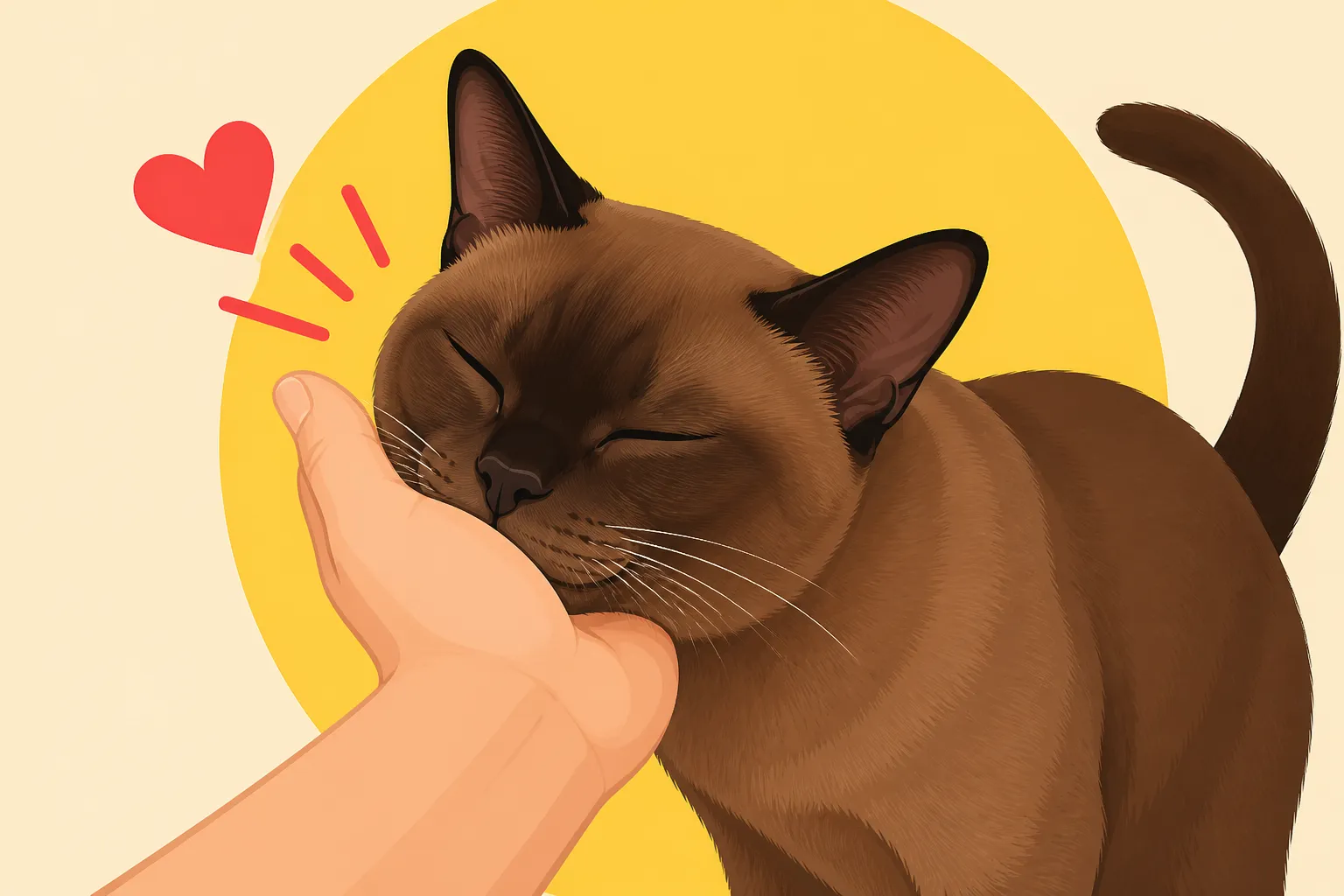
If you've ever had a Burmese cat, you know that distinct feeling: a warm, insistent pressure against your hand, face, or even your knee, as your feline friend pushes their whole head into your palm. It's not just a casual rub; it's a deliberate, almost demanding gesture that can leave new Burmese owners wondering, "What exactly do you want from me?" This behavior is a cornerstone of the Burmese personality, a deep expression of their unique bond with humans, and understanding it can truly enrich your relationship with these incredibly affectionate cats.
The Burmese's Unique Affection: It's More Than Just a Nuzzle
The Burmese cat isn't just affectionate; they are legendary for their devotion and their need for constant companionship. They're often referred to as "Velcro cats" for a very good reason – they want to be stuck to you, literally. This face-pushing behavior is one of the most endearing and direct manifestations of that profound connection, setting them apart from many other breeds.
The "Velcro Cat" Phenomenon in Action
When a Burmese presses their head into your palm, it’s not merely a gentle gesture; it’s a full-body commitment to closeness. They might lean their entire weight into your hand, pushing with a force that speaks volumes about their desire to connect. You'll feel the soft, dense fur of their head, the subtle vibration of their purr, and the undeniable warmth of their presence. This isn't a fleeting interaction; it's an invitation to engage, to be present, and to return their overwhelming affection. It’s a physical manifestation of their need to be close, to be touched, and to be absolutely intertwined with your space. This deep need for proximity is a defining characteristic, earning them the nickname The Burmese Is the Velcro Cat of the Cat Fancy. They don't just want to be in the same room; they want to be on you, beside you, and often, right up in your face.
A Direct Demand for Your Undivided Attention
Unlike some more reserved breeds that might offer a quick head-bonk or a delicate brush against your leg, the Burmese face-push is an unmistakable statement. It's a clear, firm declaration that says, "I am here, and you are here, and now is the time for us to interact." They don't believe in subtle hints. If you're engrossed in a book, typing on a laptop, or simply lost in thought, a Burmese will often use this method to break through your concentration. They might climb onto your lap, then, with an almost forceful nudge, bury their head into your hand or arm, effectively pulling your focus back to them. It's their way of saying, "My presence requires your acknowledgment," and it’s delivered with such charm and insistence that it's nearly impossible to resist. This isn't rudeness; it's just how they operate, knowing that their charm usually wins.
Understanding the Instincts Behind the Face Push
While it feels intensely personal, the Burmese's face-pushing behavior is rooted in ancient feline instincts, cleverly adapted by this intelligent breed to foster strong bonds with their human companions. It’s a blend of primal communication and learned behavior, all aimed at deepening their connection with you.
Scent Marking: Claiming You as Their Most Prized Possession
One of the primary reasons your Burmese pushes its face into your palm is to activate the scent glands located on their cheeks, chin, and forehead. When they rub against you, they are depositing their unique feline pheromones onto your skin and clothes. For cats, scent is paramount in establishing identity and territory. By marking you, they are essentially saying, "You are mine. You are part of my colony, my family." It's a profound declaration of ownership and affection, signaling to themselves and any other pets in the household that you belong to them. It creates a shared scent profile, which strengthens the bond between you, making you smell familiar and comforting. To a Burmese, this is one of the highest compliments they can bestow – you are worthy of their scent, their trust, and their belonging.
Recreating Kittenhood Comfort and Security
Think about a kitten nursing from its mother. They instinctively push and knead against their mother's body, not just to stimulate milk flow, but also for comfort, warmth, and security. This deeply ingrained behavior carries over into adulthood for many cats, and especially for the highly affectionate Burmese. When they push their face into your palm, they are, in a way, seeking to replicate that primal sense of safety and unconditional love they experienced as tiny kittens. Your hand or body becomes a surrogate for their mother, a source of profound comfort and reassurance. It’s a moment of complete vulnerability and trust, where they regress slightly to a state of absolute contentment, feeling utterly safe and loved in your presence. This act connects them to their earliest, most positive experiences of care and bonding.
A Deep-Seated Trust and Vulnerability
Allowing themselves to press their face so completely into your hand is an act that speaks volumes about their trust in you. A cat's face is a sensitive area, and presenting it to you in such an open, unguarded way signifies that they feel no threat. They are vulnerable in that moment, asking for gentle interaction rather than a quick, superficial pet. This behavior is a clear indicator that they view you as a safe harbor, someone who will provide comfort and reciprocate their affection without causing harm. It’s a testament to the strong, secure bond you share, where they feel completely at ease exposing one of their most delicate areas to your touch. This level of trust is not freely given to everyone, highlighting the special place you hold in your Burmese's heart.
Decoding What Your Burmese Is Actually Asking For
While the core meaning of the face push is always about connection, the specific nuance can vary depending on the context and other subtle cues. Learning to read these variations will help you respond appropriately and deepen your understanding of your chatty companion.
Affection and Petting: The Obvious Request
More often than not, the face push is a straightforward request for more petting, more scratches, and more of your loving attention. Your Burmese will likely lean into your hand, purring loudly, and perhaps even shift their head slightly to guide your fingers to that "just right" spot behind their ears or on their cheeks. They live for these moments of physical closeness and reciprocal affection. It’s their way of initiating a snuggle session, ensuring that your hands are actively engaged in stroking their incredibly soft, satin-like coat. They thrive on this tactile interaction, and the deeper the purr, the more satisfied they are that their request for affection has been granted. It’s a shared moment of calm and connection that they deeply cherish.
"Feed Me Now!": When Hunger Drives the Nudge
Given their famously hearty appetites and tendency towards being food-motivated, it's no surprise that the face push can also be a very direct, albeit adorable, demand for food. As mealtime approaches, the push might become more urgent, accompanied by their characteristic rasping rumble, or a series of insistent chirps. They might push their head into your hand, then perhaps look pointedly towards the kitchen or their food bowl, making their intentions crystal clear. Why a Burmese Never Stops Asking for Food This isn't a subtle hint; it's a full-on campaign to get you to fill their dish. It's important to remember that for a Burmese, managing their diet is a critical part of their long-term health, as they are prone to conditions like diabetes. So, while the demand for food is cute, it's also a reminder of the importance of portion control.
Playtime Invitations and Energy Release
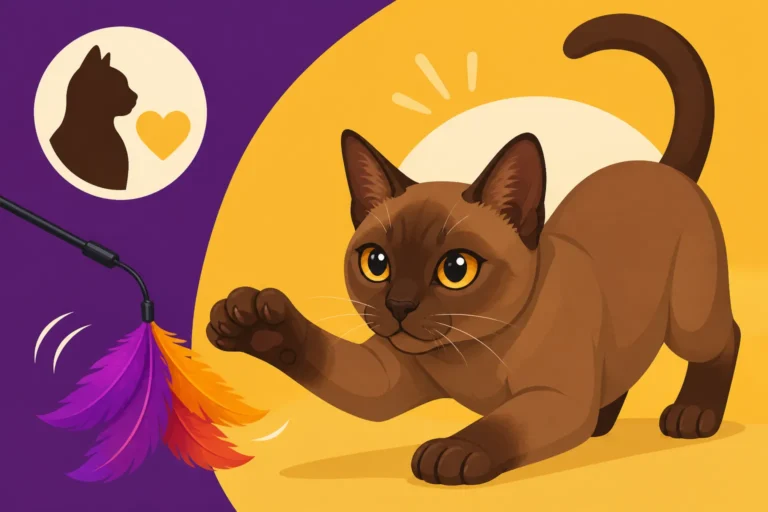
Even as adults, Burmese cats retain a wonderfully kittenish energy and love for play. How Much Play a Burmese Still Demands at Ten Sometimes, the face push is an initiation for a game. They might push their head into your hand, then quickly dart away, looking back over their shoulder with bright, expectant eyes, hoping you'll follow with a wand toy or a crinkle ball. This is especially common if they haven't had much interactive play recently and need to burn off some steam. It's their way of engaging you, pulling you into their world of chasing, pouncing, and wrestling. Ignoring these invitations can sometimes lead to them finding less desirable ways to entertain themselves, so a quick play session after a face-push might be exactly what they need to satisfy their energetic drive.
Seeking Comfort or Reassurance During Stress
While less common, a Burmese might push their face into your palm if they're feeling a bit anxious or unsettled. This could be due to a new noise, a change in their environment, or even just feeling a little out of sorts. In these instances, the push is less about demanding attention and more about seeking comfort and reassurance. They are looking for your protective presence, a familiar anchor in a moment of uncertainty. Your calm touch and soothing words can provide immense comfort, reminding them that they are safe and loved. If you notice this behavior coupled with other signs of stress, such as dilated pupils, flattened ears, or a slight tremor, it's worth checking to see if something in their immediate environment is bothering them.
Nurturing the Bond: Responding Effectively to the Face Push
Responding to your Burmese's face-pushing is more than just indulging them; it's about reinforcing the incredible bond you share. These interactions are vital for their emotional well-being and strengthen the unique connection that makes owning a Burmese so rewarding.
The Art of the Perfect Head Scratch
When your Burmese offers you their head, it's an invitation to engage in the art of the perfect head scratch. Start with gentle strokes around their cheeks, where those scent glands are active, then move up to their forehead and behind their ears. Many Burmese adore firm, circular rubs that really get into the roots of their fur. Pay attention to their body language: a vibrating purr, half-closed eyes, and pushing even harder into your hand are all signs you're hitting the sweet spot. Don't be afraid to use both hands if they're leaning heavily into you; it adds to the feeling of being completely enveloped in your attention. Talk to them in a soft, soothing voice as you pet them, further deepening the connection. These moments are what makes a Burmese truly feel loved and understood.
Establishing Boundaries Without Breaking the Bond
There will be times when, despite their endearing insistence, you simply can't give your Burmese your full attention. Perhaps you're on an important call, cooking, or driving. The key is to acknowledge their presence without outright rejection, which can be upsetting for such a sensitive breed. A gentle stroke with one hand, a quick verbal reassurance like "I see you, sweetie, just a moment," can go a long way. You can also try to gently redirect their attention. If they are pushing for play but you're busy, you might toss a small toy for them to chase. Consistency is important here; while you can't always drop everything, make sure that when you can engage, you do so wholeheartedly. They learn to trust that their requests will be met, even if not immediately, if you are generally responsive.
Enrichment to Complement Their Need for Connection
While your lap and hands are prime real estate, a Burmese also benefits immensely from environmental enrichment, which can help channel some of their intense social and playful energy. Interactive toys, especially those that mimic prey like wand toys, can keep them engaged when you're momentarily unavailable. Puzzle feeders, which you can easily find on platforms like Amazon, are fantastic for their intelligent minds and satisfy their strong food drive in a constructive way. Tall cat trees or window perches can provide vantage points and mental stimulation, especially if they enjoy watching the world outside. Providing these outlets ensures that their energy is expended positively, making them less likely to resort to attention-seeking behaviors that might become overwhelming. This helps them feel fulfilled even when you're not actively petting them.
The Broader Implications of Burmese Clinginess
The face-pushing behavior is just one facet of the Burmese's all-encompassing social nature. It speaks to a larger truth about this breed: they are truly companion animals, requiring significant human interaction and connection throughout their lives.
Why One Burmese is Rarely Enough
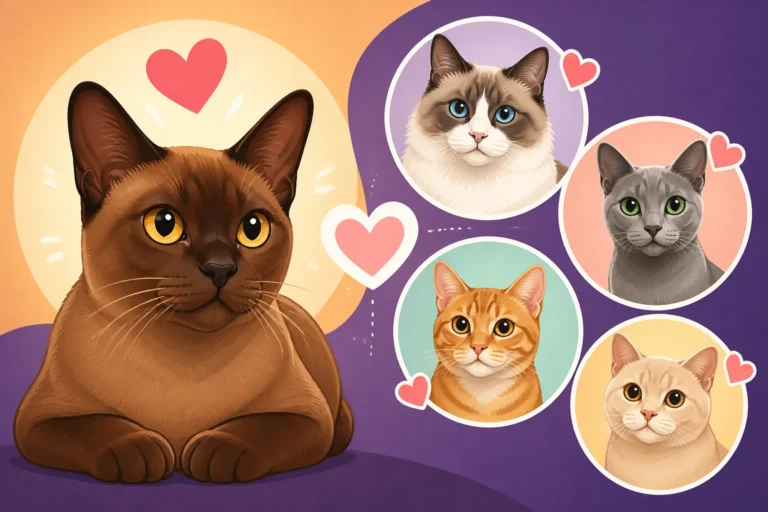
The profound need for connection that drives the face-pushing behavior often leads Burmese breeders to recommend acquiring them in pairs. Why Burmese Breeders Sell Them in Pairs A single Burmese, left alone for extended periods, can become lonely, anxious, and even destructive. They aren't content to simply coexist; they need active engagement. If you work long hours or have a busy household, another compatible Burmese (or even a similarly social breed) can provide the companionship they crave. Two Burmese cats will often engage in mutual grooming, play together, and sleep intertwined, fulfilling a significant portion of their social needs. This lessens their reliance solely on you for interaction, although they'll still demand plenty of your time and affection, often doubling the face pushes! For more on this, you might explore Why a Burmese Cannot Be Left Alone All Day and What Separation Anxiety Looks Like in a Burmese.
Socializing with Everyone: Friend or Foe?
The Burmese's trusting and outgoing nature, exemplified by their willingness to push their face into any welcoming hand, extends to almost everyone they meet. Why a Burmese Introduces Itself to Every Visitor They rarely show shyness and often greet strangers with the same enthusiasm they reserve for their immediate family. While this makes them delightful companions and excellent ambassadors for the breed, it also highlights a critical safety concern: their lack of caution around people, combined with their trusting nature and lack of "street smarts," means they should never be allowed to roam freely outdoors. They are simply too friendly and trusting for their own good, making them vulnerable to theft or other dangers. If you wish for them to experience the outdoors, a secure "catio" or supervised leash walks in a safe, enclosed area are far more appropriate options. For more on this, consider reading Why a Burmese Trusts Strangers Too Much to Roam.
The Lifelong Embrace: A Kitten's Playfulness into Senior Years
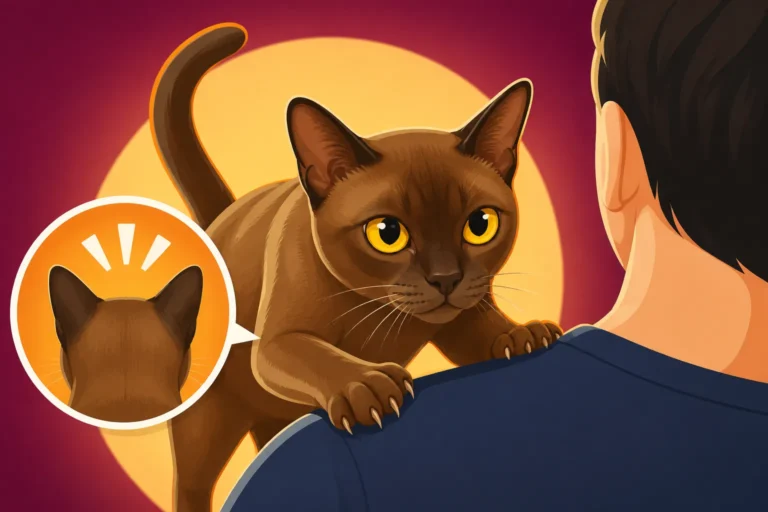
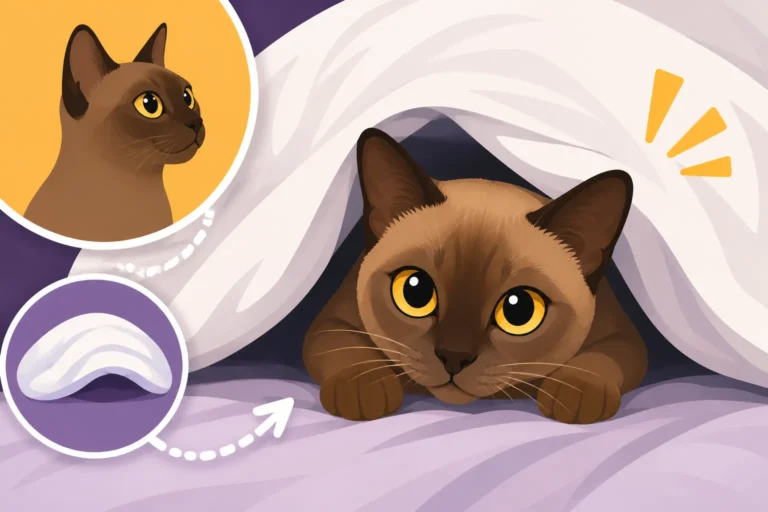
What makes the Burmese truly special is that this intense desire for connection, marked by their persistent face-pushing and overall "Velcro" tendencies, doesn't diminish with age. A Burmese kitten, full of boundless energy, will push its head into your hand just as readily as a venerable senior Burmese cat. They retain their playful spirit and affectionate demands well into their golden years, often still wanting to ride on your shoulder or snuggle deep under the covers with you. Why a Burmese Rides on Your Shoulder This lifelong commitment to companionship is what endears them so deeply to their owners. While their physical play might slow down, their need for your physical presence and gentle touch remains constant, making them truly devoted companions for every stage of their lives.
| Type of Face Push | Possible Meaning | Contextual Cues | Recommended Response |
|---|---|---|---|
| Gentle Rub | Affection, "I love you," Marking | Relaxed body, purring, slow blink | Gentle petting, head scratches, return slow blink |
| Insistent Nudge | "More attention!," "Feed me!" | Staring at you, looking at food bowl, chirping | Engage with petting, check food/water, initiate play |
| Hard Shove | Urgent request, play invitation, reassurance | Darting away, tail up, seeking comfort during unfamiliar events | Assess situation (hunger, play), offer comfort, redirect play |
| Deep Press | Seeking deep comfort, extreme security | Intense purring, closing eyes, kneading with paws | Hold and pet gently, provide warmth, speak softly |
Disclaimer
This article is for general informational purposes only and does not constitute professional advice. Laws, prices and regulations vary by location and change over time. Consult a qualified professional for guidance on your specific situation.