Why a Burmese Introduces Itself to Every Visitor
That distinctive, rumbling purr and the immediate rush to greet anyone who dares to cross your threshold isn't just your Burmese being a bit over-enthusiastic; it's a fundamental part of their very being. Unlike many cats who might offer a fleeting glance or a tail flick from a safe distance, your Burmese is driven by an intense need for connection, meaning every visitor is seen as a new opportunity for affection and interaction. This guide will delve into the profound reasons behind your Burmese's eager greeting ritual, helping you understand, manage, and celebrate this unique aspect of their personality.
The Burmese Cat's Innate Drive for Connection
Burmese cats are truly in a league of their own when it comes to sociability. They aren't just pets; they are active, engaged family members who thrive on interaction and companionship. This isn't a personality quirk; it's woven into their very DNA, a trait that breeders and owners have come to cherish and understand. Their desire to be involved in everything you do extends naturally to anyone who enters their territory – your home.
"Velcro Cat" Tendencies and Companion Seeking
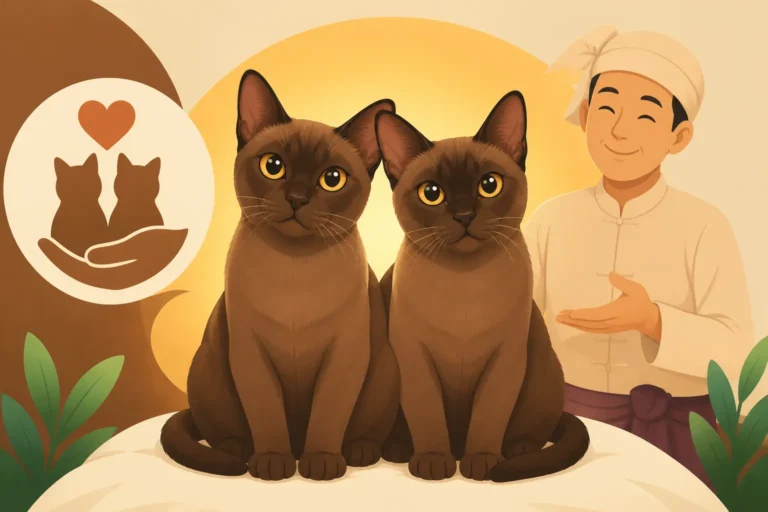
If you own a Burmese, you already know the term "Velcro cat." It's not an exaggeration; they truly stick to their humans, following them from room to room, supervising chores, and demanding lap time at every opportunity. This isn't just about demanding attention; it's about a deep-seated need for companionship and connection. They are happiest when they are physically close to their people, soaking up every moment of shared existence. This intense desire for presence translates directly to how they view visitors. A new person isn't a threat to be observed from afar, but another potential source of warmth, strokes, and conversation. They simply can't help themselves; they have to investigate and engage. You'll often find them trying to squeeze themselves onto the lap of a guest, even if it means displacing a beloved family member. They operate under the assumption that more people simply mean more opportunities for affection and engagement, making them some of the least aloof cats you'll ever meet. It's truly a delight for those who appreciate a constant feline shadow. The Burmese Is the Velcro Cat of the Cat Fancy explores this even further.
The 'Dog-Like' Persona: Why They Greet at the Door
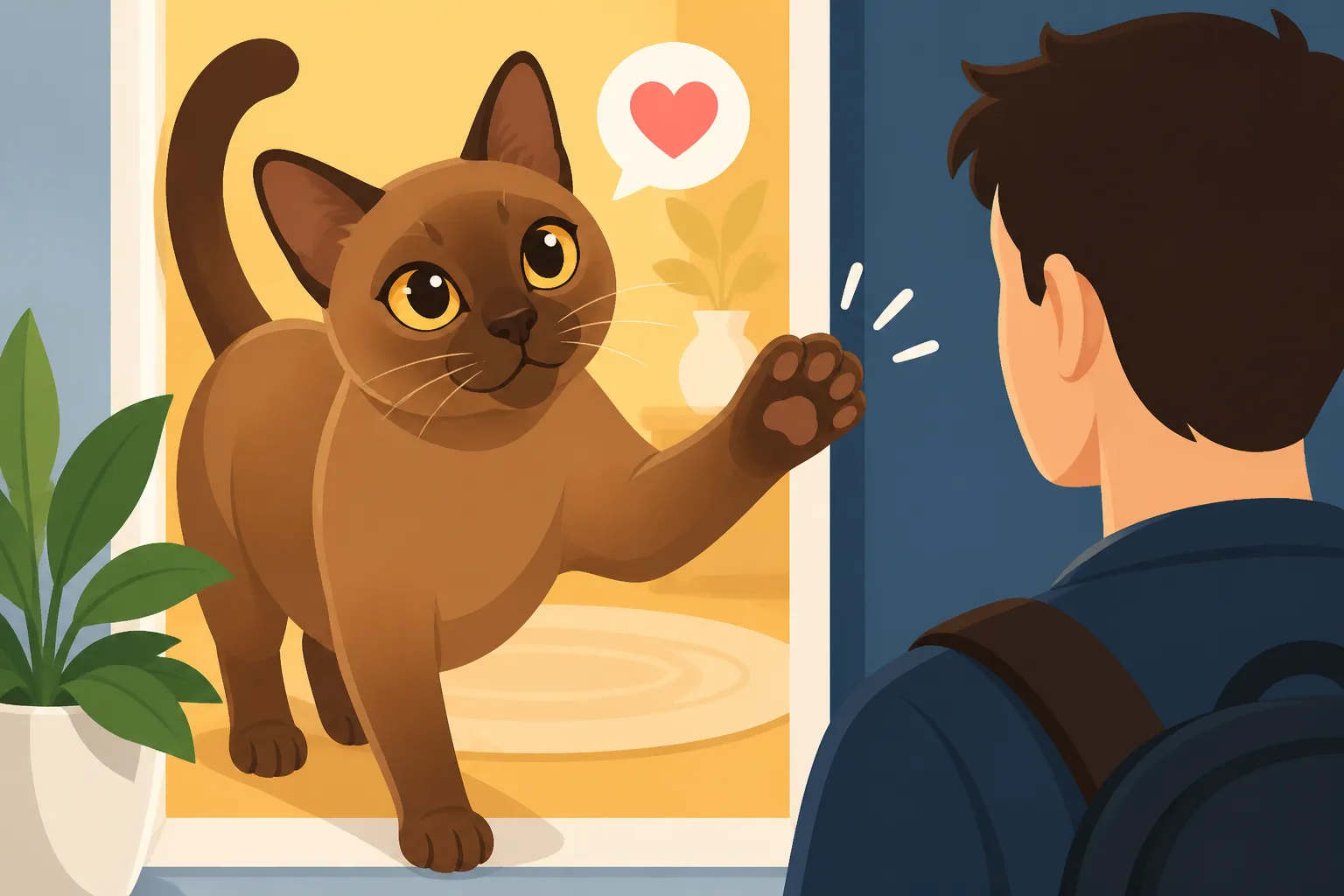
Many Burmese owners jokingly refer to their cats as "dogs in cat suits," and for good reason. One of the most dog-like behaviors is their tendency to meet you at the door, whether you've been gone five minutes or five hours. This isn't just reserved for their primary caregivers; it extends to anyone they hear approaching. When a visitor arrives, the Burmese often springs into action, heading straight for the door with an excited trill or rumble, ready to assess the newcomer. This isn't just curiosity; it's a genuine desire to be part of the welcoming committee, to make contact and initiate interaction immediately. They don't just observe; they participate. This behavior is a strong indicator of their gregarious nature and their profound interest in the social dynamics of their household, viewing themselves as an integral host. It’s part of why they are so beloved in active, bustling homes.
Decoding the Burmese Welcome Wagon: What They're Really Saying
When a Burmese introduces itself, it's not a subtle affair. They employ a full repertoire of vocalizations and body language to communicate their intentions. Understanding these signals can help you interpret their greetings and respond appropriately, ensuring both your cat and your guests feel comfortable and respected. Their expressions are usually clear and unambiguous, leaving little doubt about their friendly overtures.
The Rasping Rumble and Other Vocalizations of Greeting
Forget the dainty meow of a stereotypical house cat; the Burmese has a voice that's far more distinctive and guttural. Their characteristic "rasping rumble" or trill is their go-to sound for expressing happiness, contentment, and, most importantly, greeting. When a visitor walks in, you'll often hear this low, throaty sound, sometimes escalating into more insistent chirps or even a brief, urgent "mrrrp" as they weave around legs. This isn't a complaint; it's their way of saying, "Hello! I'm here, and I'm very pleased to see you! Please give me attention!" It's a direct invitation to interact, a clear sign of their social confidence. They want to engage in conversation, even if it's a one-sided cat-human dialogue, showing how deeply they crave connection. To hear more about this unique voice, check out The Rasping Rumble a Burmese Uses Instead of a Meow. This sound is often accompanied by their expressive eye contact, further emphasizing their open and welcoming nature. Understanding What a Burmese Wants When It Rumbles at You can truly deepen your bond.
Body Language: Head Nudges, Rubs, and Shoulder Climbing
Beyond their unique vocalizations, the Burmese uses a rich vocabulary of body language to introduce themselves. Head nudges are a classic move; they'll bump their forehead gently against your leg or hand, marking you with their scent glands as a sign of acceptance and affection. They might rub against your ankles, arching their back and purring deeply, essentially "claiming" you as part of their inner circle. And for the truly bold and affectionate Burmese, you might even find them attempting to climb onto your shoulder, a common behavior for this breed. This is often a sign of immense trust and a desire to be as close to eye level as possible, directly engaging with your face. This behavior, whether it's a gentle nudge or an ambitious climb, is a clear signal of their open, loving, and highly confident nature. To see this behavior described further, you might enjoy Why a Burmese Rides on Your Shoulder or Why a Burmese Pushes Its Face Into Your Palm.
More Than Just Friendly: Understanding the Roots of Their Curiosity
The Burmese cat's outgoing personality isn't just about being "nice"; it's rooted in a complex blend of high intelligence, deep-seated needs for reassurance, and a natural acceptance of others, even children and dogs. These factors combine to create a feline companion that is genuinely interested in everyone and everything around them.
High Intelligence and the Need for Novelty
Burmese cats are remarkably intelligent, constantly observing their environment and eager to learn. This sharp intellect means they quickly catch on to household routines and respond well to training, often learning tricks that rival those of dogs. Their intelligence also fuels a profound curiosity about new stimuli – and a new person certainly qualifies! A visitor presents a fresh set of scents, sounds, and interactions, all of which are fascinating to a Burmese. They're not just saying hello; they're gathering information, assessing the situation, and engaging in mental stimulation. This need for novelty means they often don't just greet once; they might return several times throughout a visit, checking in and reaffirming the connection. Keeping them mentally stimulated with interactive toys, perhaps from a brand like Amazon Basics, can help channel some of this intellectual energy, making their greetings even more focused and joyful.
Seeking Reassurance and Affection from New Faces
For a Burmese, affection is paramount. They thrive on physical contact and emotional reassurance from their humans. When a new person enters their space, it's not just about curiosity; it's also about extending their network of affection providers. They will often seek out physical touch, rubbing against legs, jumping onto laps, or even reaching a paw out for a gentle stroke. This is their way of soliciting and soaking up as much affection as possible, confirming that they are loved and secure, even with new people present. It’s a testament to their confidence and their belief that everyone is a friend until proven otherwise. This isn't just a fleeting desire; it's a constant, underlying need that drives much of their social interaction, making them incredibly loving companions.
Why a Burmese Treats Children and Dogs as More Company
One of the most remarkable aspects of the Burmese's social nature is their open-mindedness towards other household members, be they human children or canine companions. Unlike some more territorial or reserved breeds, a well-socialized Burmese often embraces the chaos and companionship that children bring. They see them not as threats or nuisances, but as additional playmates and sources of attention, often joining in games and allowing themselves to be handled with surprising patience. Similarly, they tend to integrate seamlessly with dogs, often forming strong bonds and even cuddling up with them for warmth and companionship. This acceptance stems from their deep need for social interaction; for a Burmese, more living beings in the house simply means more opportunities for connection and affection. The more, the merrier truly applies to their social philosophy. If you're wondering how this dynamic plays out, Why a Burmese Treats Children and Dogs as More Company offers great insights.
Setting Up Success: Preparing Your Burmese and Your Guests
While a Burmese's enthusiastic greetings are charming, they can sometimes be overwhelming for guests or even for the cat itself if not managed properly. It's important to create an environment where your Burmese can be their social self while ensuring everyone, feline and human, feels comfortable and respected.
Guiding Visitor Interactions: Rules for a Happy Cat
The best way to ensure smooth interactions is to educate your guests about your Burmese's personality. Explain that your cat is incredibly friendly and will likely demand attention. Encourage visitors to greet the cat gently, offering a hand for sniffing before petting, and to engage in soft, calm vocalizations. Remind them that a Burmese craves interaction, so a few minutes of petting or gentle play can go a long way in making the cat feel acknowledged and content. Conversely, if your cat seems overly insistent, suggest that guests gently redirect the cat or offer a treat, rather than getting frustrated. Many interactive toys, like a laser pointer or a feather wand from Amazon, can be great tools to keep your Burmese engaged with a guest without requiring constant physical contact. This proactive approach helps your guests understand and appreciate your Burmese's unique charm, turning potential overstimulation into positive engagement.
Creating a "Safe Zone" for Your Overly Enthusiastic Greeter
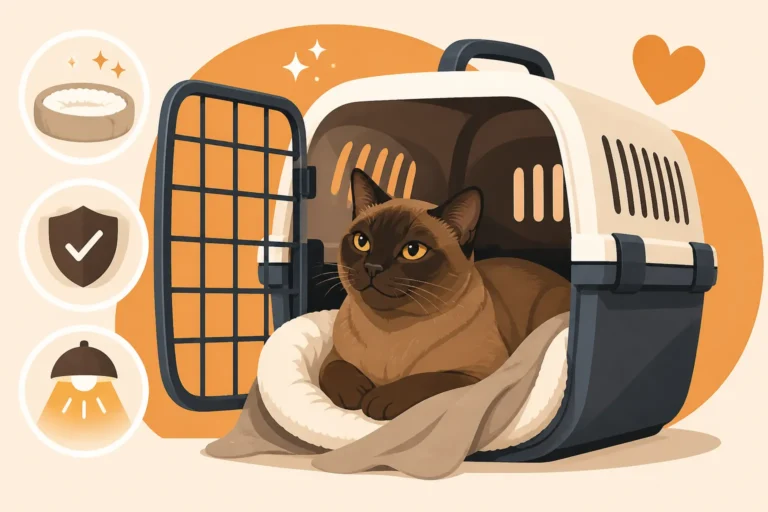
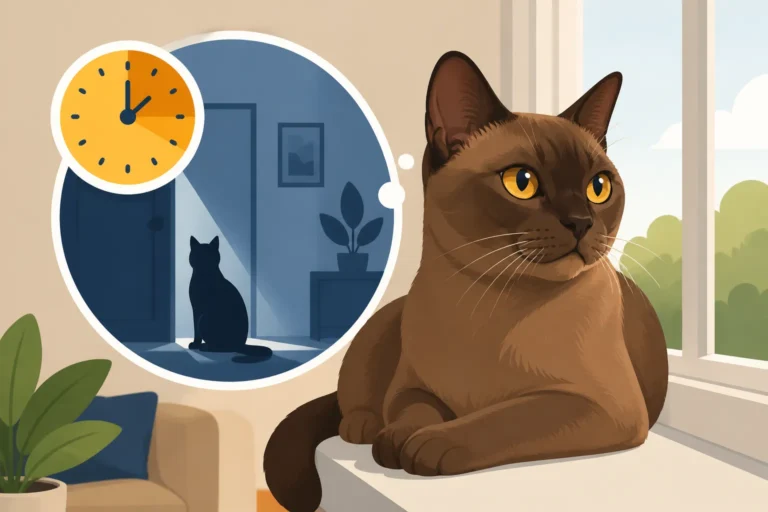
Even the most social Burmese can benefit from having a designated "safe zone" or retreat, especially during busy gatherings or if a particular guest isn't keen on constant feline attention. This could be a cat tree in a quiet corner of the living room, a cozy bed in a spare room, or even just a high shelf where they can observe from a distance. While a Burmese is unlikely to spend an entire visit hidden, having this option available gives them a sense of control and a place to decompress if they feel overwhelmed. You can make this space particularly inviting with a comfortable blanket, a favorite toy, and even a calming pheromone diffuser available on Amazon, creating a sanctuary where they can recharge before rejoining the party. This strategy ensures that your cat always has an escape route if the social demands become too much, validating their need for personal space while still allowing them to be part of the action when they choose. Remember, Why a Burmese Cannot Be Left Alone All Day emphasizes their need for company, but even they need a quiet moment.
When Friendly Becomes Overwhelmed: Spotting Stress Signals
While Burmese cats are known for their robust social skills, it's important to differentiate between genuinely friendly enthusiasm and signals of stress or overstimulation. Even the most extroverted cat has its limits, and understanding these boundaries is key to their well-being.
Distinguishing Enthusiastic Greeting from Anxiety Overload
A genuinely friendly Burmese greeting involves relaxed body language: soft eyes, ears forward, an upright tail (often with a slight curl or wag), and that characteristic rumble. They will approach confidently, perhaps nudging or rubbing. However, if a Burmese is becoming overwhelmed, their body language will shift. You might see ears flattened slightly, pupils dilated, a tense body posture, or a tail tucked low or thrashing. They might try to escape or even emit a low growl or hiss if cornered. Excessive grooming, sudden panting, or a loss of appetite can also be subtle signs of stress. It's a fine line, and an attentive owner will learn to read their specific cat's cues. A friendly greeting is about seeking connection; an anxious one is about managing discomfort, and the difference is crucial for your cat's emotional health. For a broader understanding of feline stress, consider How to Tell a Bored Burmese From an Anxious One.
Managing Overstimulation in a Social Butterfly
If you notice your Burmese showing signs of overstimulation, the first step is to gently intervene. This might mean redirecting the guest's attention away from the cat, or physically moving the cat to its designated safe zone. Offer calm reassurance with soft words, but avoid excessive petting if the cat is already agitated, as this can increase their stress. Consider offering a puzzle feeder or a favorite toy to distract them and provide a solitary activity. Sometimes, simply dimming the lights or reducing noise levels can help them settle. It’s about creating a calmer environment and giving them the space they need to regulate their emotions. Learning these subtle cues and responding proactively ensures that your Burmese continues to associate visitors with positive experiences, rather than feeling overwhelmed or anxious. Remember, while they are social, How Many Hours Alone a Burmese Tolerates emphasizes they still appreciate a calm environment.
The Foundation of Sociability: Early Life Experiences
A Burmese cat's remarkable sociability isn't accidental; it's significantly shaped by their early experiences, particularly during kittenhood. Responsible breeders play a pivotal role, and the environment a kitten grows up in sets the stage for a lifetime of confident and friendly interactions.
Breeder Influence on a Kitten's Social Outlook
A reputable Burmese breeder understands the breed's inherent need for human interaction and actively fosters it from a young age. Kittens should be handled gently and frequently by various people, including children, from just a few weeks old. This early, positive exposure teaches them that humans are sources of comfort, play, and security, rather than something to be feared. Kittens raised in a bustling household, exposed to normal household sounds and activity, are more likely to develop into confident, outgoing adults who greet visitors with enthusiasm rather than apprehension. Breeders who isolate kittens or fail to provide ample human interaction risk producing shy or fearful cats, regardless of the breed's natural tendencies. This initial conditioning is fundamental to their development as "Velcro cats" and helps them develop the trusting nature that allows them to introduce themselves so readily to new faces.
The Impact of Early Socialization on Lifelong Confidence
The critical socialization window for kittens occurs between 2 and 7 weeks of age. During this time, every positive interaction with humans, other friendly animals, and various environmental stimuli helps build their confidence and adaptability. A Burmese kitten that has been thoroughly socialized during this period learns that new experiences are generally positive and safe. This foundation allows them to approach new situations, like the arrival of a stranger, with curiosity and friendliness rather than fear. Without adequate early socialization, even a naturally social breed like the Burmese can become timid or wary, impacting their ability to confidently introduce themselves to visitors. This early investment in their social development is paramount, shaping not only how they greet guests but their overall emotional resilience throughout their lives. It's truly incredible how much of their future personality is forged in these tender early weeks. Why a Burmese Kitten Socializes Itself details just how eager they are for this early interaction. A Burmese Kitten's First Year of Never Being Alone reinforces the importance of this ongoing companionship.
Table: Friendly vs. Anxious Burmese Greetings
To help you quickly distinguish between a happy greeting and a sign of stress, here's a handy comparison:
| Behavior Aspect | Friendly/Confident Greeting | Anxious/Overwhelmed Greeting |
|---|---|---|
| Approach | Confident, direct, weaving around legs | Hesitant, slow, trying to stay low or hide |
| Vocalizations | Rasping rumble, trills, purrs, soft chirps | Low growl, hiss, rapid "mrrrp" sounds, silence |
| Ears | Forward, relaxed, slightly swiveled | Flattened against head, pulled back |
| Eyes | Soft, blinking, direct but not staring | Dilated pupils, wide-eyed, darting glances |
| Tail | Held high, upright, slight curl or wag | Tucked low, thrashing rapidly, stiff |
| Body Posture | Relaxed, fluid, often rubbing or stretching | Tense, crouched, trying to make itself small |
| Physical Contact | Solicits petting, enjoys being held | Pulls away from touch, flinches |
| Overall Demeanor | Engaged, curious, seeks interaction | Avoidant, withdrawn, seeks escape |
Disclaimer
This article is for general informational purposes only and does not constitute professional advice. Laws, prices and regulations vary by location and change over time. Consult a qualified professional for guidance on your specific situation.