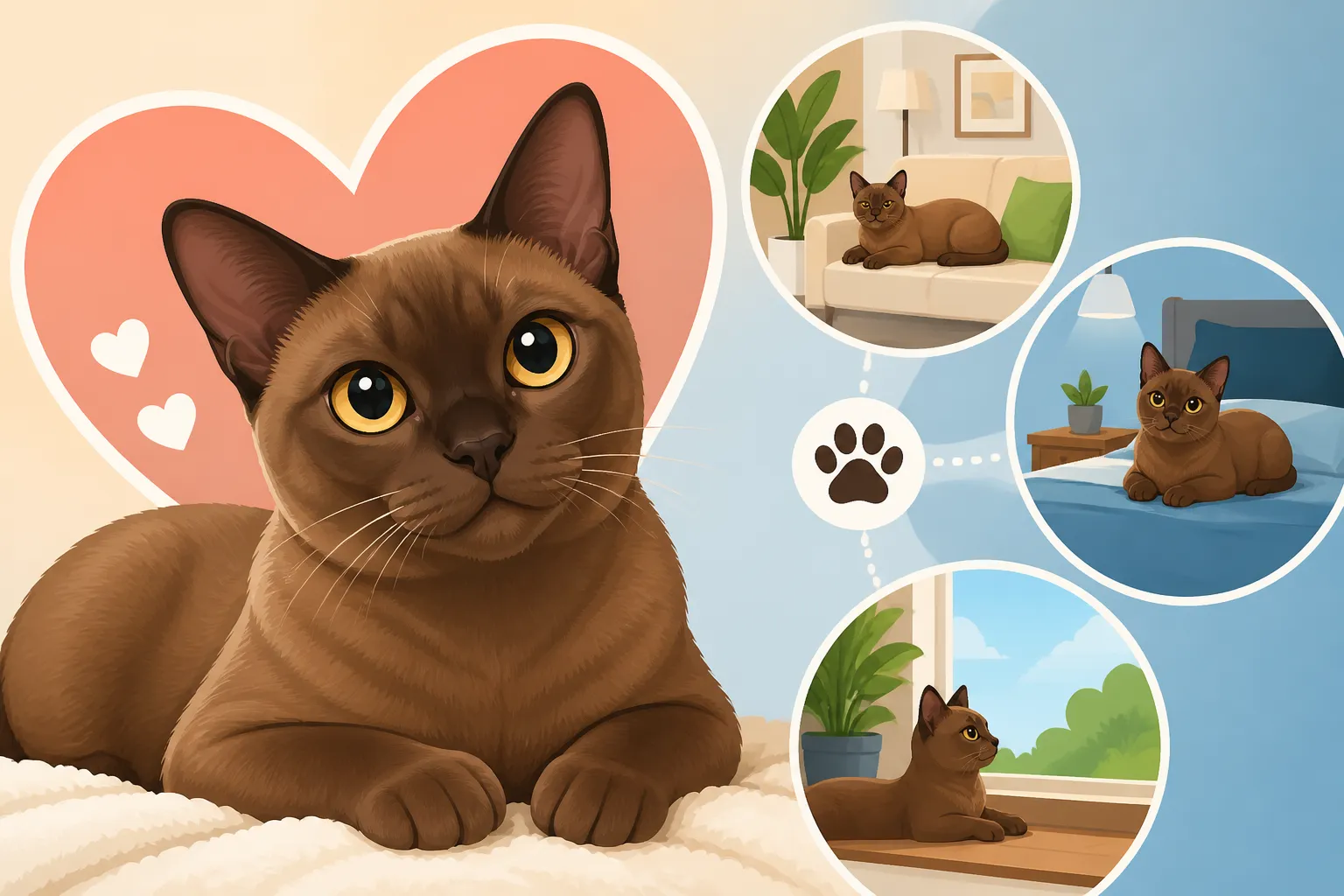
Why a Burmese Settles Anywhere You Are
If you've ever shared your home with a Burmese cat, you know they aren't just in the room with you; they are with you, often pressed against your side, draped over your shoulder, or patiently observing your every move from a nearby perch. This incredible attachment and habit of settling anywhere you are is one of the most endearing, yet sometimes perplexing, traits of the breed. This guide delves into the fascinating reasons behind this "Velcro cat" behavior, exploring its historical roots, genetic predispositions, and the profound impact it has on their well-being, helping you understand and cherish your Burmese's unwavering devotion.
The Deep Roots of the Burmese's Devotion
The Burmese cat's almost gravitational pull towards their human companions isn't just a charming quirk; it's a deeply ingrained aspect of their nature, honed over generations. Understanding where this intense desire for closeness comes from can help us appreciate their unique place in the feline world.
A History of Closeness: From Temple Cats to Family Companions
The story of the Burmese cat begins with a very special feline named Wong Mau, brought to the United States from Burma in the 1930s. She wasn't just a cat; she was the foundation of a new breed, and her temperament, already inclined towards human interaction, became a cornerstone of the burgeoning breed standard. Unlike some breeds that developed in isolation or were bred primarily for aesthetic qualities, the Burmese was, from its inception, valued for its engaging and affectionate personality. Early breeders focused not just on their striking appearance but on perpetuating their sociable and people-oriented disposition. This historical emphasis on temperament means that the desire for companionship isn't an accidental trait but a fundamental characteristic that has been carefully nurtured throughout the breed's development. They weren't just bred to look beautiful; they were bred to love people, and that legacy lives on in every Burmese who insists on sharing your chair, your desk, or even your pillow.
Genetic Predisposition: Breeding for Affection
While individual personalities always play a role, there's a strong argument to be made for a genetic component to the Burmese's pronounced affection. Over decades, breeders selected cats with the most outgoing, friendly, and people-focused temperaments to carry on the lines. This selective breeding gradually amplified the traits we now associate with the Burmese: their desire for interaction, their conversational vocalizations, and their unwavering loyalty. It's not just about a learned behavior; it's about an inherent drive that makes proximity to their human companions a primary need. This explains why, even from a young age, Burmese kittens display an almost urgent need to be near people, preferring to nap on a warm lap rather than in a solitary bed. It’s part of their DNA to seek out that connection, making them truly The Burmese Is the Velcro Cat of the Cat Fancy.
Beyond the Breed Standard: Innate Personality Traits
Beyond the formal breed standards and genetic selection, there's an undeniable innate personality that shines through in the Burmese. They possess a unique blend of intelligence, playfulness, and an almost childlike innocence that makes them crave attention and interaction. They're not content to simply coexist; they want to be active participants in your life. This means they’ll follow you from room to room, supervising your chores, offering vocal commentary, and seizing every opportunity for a cuddle or a game. Their inquisitive nature means they want to know what you're doing, and their affectionate disposition means they want to be right there with you while you do it. This isn't just a cat observing its environment; it's a cherished companion seeking to share every moment, transforming mundane tasks into shared experiences.
Understanding the "Velcro Cat" Phenomenon
The term "Velcro cat" was practically invented for the Burmese, and it perfectly encapsulates their tendency to stick to their humans, regardless of what you're doing or where you're going. It's more than just a preference; it's a defining characteristic of their behavior.
The Constant Shadow: Why They Follow You Everywhere
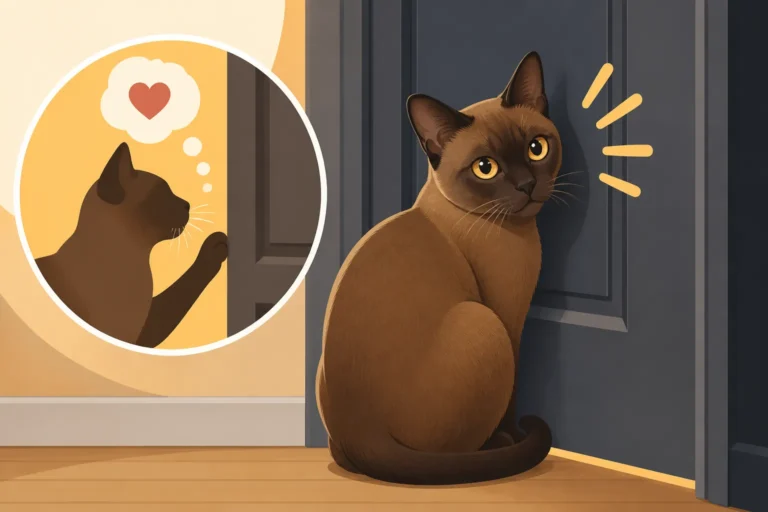
If you live with a Burmese, you've accepted that privacy is largely a theoretical concept. Whether you're heading to the kitchen for a snack, retreating to the bathroom, or just moving from the living room to the bedroom, your Burmese will likely be right there, a warm shadow at your heels. This constant companionship isn't accidental; it stems from their deep need for connection and their insatiable curiosity. They don't want to miss a thing! Every new location you enter, every task you undertake, presents a potential opportunity for interaction, discovery, or simply the comfort of shared space. When you're standing at the kitchen counter, they might be weaving between your legs, or perched on a nearby stool, watching your every move. This "shadow" behavior is their way of staying engaged with your world and ensuring they're always available for a sudden burst of affection or play. It’s their way of combating what they perceive as potential loneliness, and if you ever try to shut them out, you'll quickly learn What a Burmese Does When It Is Shut Out of a Room.
Physical Contact as a Love Language
For many cats, a head rub or a brief cuddle is enough. For a Burmese, physical contact is a language they speak fluently and demand frequently. They aren't just happy to sit near you; they want to be on you, or at least pressed right up against you. This can manifest as kneading your lap into submission, nudging their head into your hand, or simply curling up so close that their purr vibrates through your whole body. This isn't just about warmth; it's a profound expression of trust, contentment, and affection. When a Burmese pushes their face into your palm, they are offering a deep sign of trust and connection. It’s a reciprocal relationship where their physical presence communicates their love and desire for comfort, and receiving it brings them immense satisfaction. They thrive on the tactile feedback, the gentle stroking, and the reassuring presence of your touch, making every moment of contact a reinforcement of your bond. This is particularly evident when they push their soft faces into your hands, a gesture that perfectly illustrates Why a Burmese Pushes Its Face Into Your Palm.
The Burmese and Your Personal Space Bubble
Let's be honest: a Burmese cat doesn't really believe in personal space. Your lap is their lap, your bed is their bed, and if you're sitting down, chances are they're planning how to occupy whatever remaining space is available. This isn't meant to be intrusive; it's simply their way of expressing their intense bond and desire for closeness. They want to be as physically connected to you as possible, whether it's by snuggling under the duvet with you, draping themselves across your chest, or literally riding on your shoulder as you move around the house. They see you as their primary source of comfort, security, and entertainment, and being in direct contact is the ultimate expression of that bond. It’s a wonderful, albeit sometimes slightly overwhelming, testament to their affection, and something you learn to embrace when you welcome a Burmese into your life.
Your Presence as a Source of Security and Stimulation
Beyond pure affection, your presence plays a crucial role in providing your Burmese with a sense of security and intellectual stimulation. You're not just a warm body; you're the center of their universe, offering a constant source of comfort and engagement.
Comfort in the Familiar: The Scent of Their Human
Cats are incredibly scent-oriented creatures, and for a Burmese, your unique scent is a powerful source of comfort and reassurance. When they settle beside you, on your clothes, or on furniture you've recently occupied, they are enveloping themselves in your scent. This familiar smell acts as an olfactory anchor, signaling safety, belonging, and the presence of their most cherished companion. It's like a security blanket that they can physically connect with, making your immediate vicinity the most secure and desirable place in the home. This is especially true after you've been away; they'll seek out your lap or your side, rubbing against you to reaffirm the bond and re-establish the comforting exchange of scents. This deep reliance on your familiar presence is why a Burmese can become genuinely distraught if left alone for extended periods, underlining Why a Burmese Cannot Be Left Alone All Day.
Observing and Participating: Why They Need to Be in the Thick of It
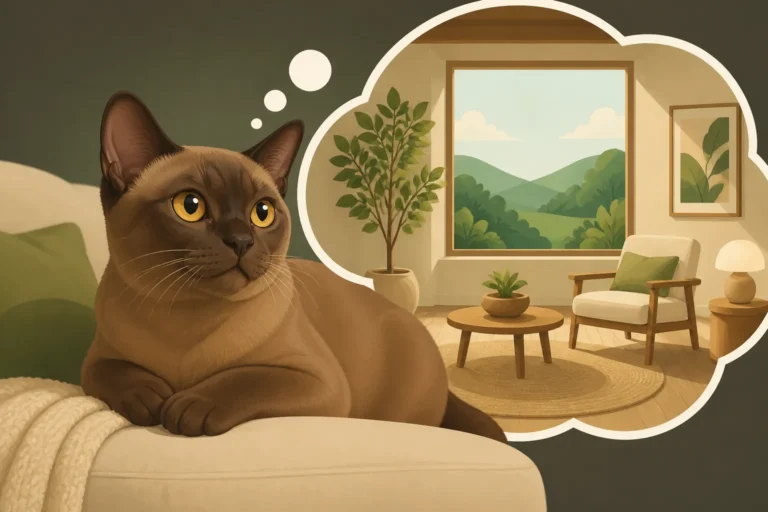
A Burmese isn't content to simply lie in a sunbeam in another room while you go about your day. They are deeply social and curious animals who thrive on interaction and observation. Being near you allows them to fully participate in the "goings-on" of the household, even if their participation is simply a quiet observation from a nearby cushion. They are taking everything in – your conversations, your movements, the sounds you make – all of which serve as mental and emotional stimulation. This constant engagement prevents boredom and helps satisfy their intelligent, inquisitive minds. If you're reading, they'll want to be on the book; if you're working on a computer, they'll often drape themselves across the keyboard. For a Burmese, being in the thick of whatever you're doing is essential for their mental well-being, confirming their place as an integral part of the family unit. This desire to be involved is Why a Burmese Wants to Be Part of a New Baby's Routine, as they simply want to understand and be a part of any change in their human's life.
Preventing Anxiety: The Antidote to Loneliness
The sheer social nature of the Burmese breed means they are particularly susceptible to loneliness and separation anxiety if not given adequate companionship. Your presence acts as a powerful antidote to these feelings. When you are near, they feel secure, loved, and engaged, which prevents the development of stress-related behaviors like excessive vocalization, destructive tendencies, or even over-grooming. The quiet comfort of knowing you're just a paw's reach away is enough to keep many Burmese content. This intense need for company is why their behavior changes dramatically when they're left alone for too long. If you've ever wondered How Many Hours Alone a Burmese Tolerates, you'll understand that their capacity for solitude is much lower than many other breeds. Recognizing this intrinsic need is crucial for maintaining a happy and healthy Burmese, and helps explain What Separation Anxiety Looks Like in a Burmese.
Integrating into the Human Household Rhythm
Burmese cats are masters of adaptation when it comes to fitting themselves into your life. They study your routines, understand your habits, and become adept at anticipating your next move, all in service of staying close to you.
Learning Your Habits: Anticipating Your Next Move
It's almost spooky how well a Burmese seems to know your routine. Do you always head to the coffee maker first thing in the morning? Expect a Burmese to be there, perhaps rubbing against your legs or sitting patiently on the counter (if allowed!). Do you settle on the couch for evening TV? They’ll be on your lap or nestled beside you before you've even fully reclined. This isn't telepathy; it's astute observation. Burmese cats are highly intelligent and learn your habits quickly, allowing them to anticipate where you'll be next and position themselves strategically to maximize proximity and potential interaction. They learn which sounds precede your entry into a room, which times of day you're most likely to offer cuddles, and which activities invite their "help." This predictive behavior is a testament to their deep connection with their humans, and a key reason Why a Burmese Attaches to Whoever Is Home Most, as they quickly learn the patterns of the person who is most consistently present.
The Importance of a Multi-Cat Household (or other companion)
Given their profound need for companionship, many Burmese owners find that two Burmese are better than one. While your presence is paramount, another feline (or even a cat-friendly dog) can provide invaluable company, especially when you can't be actively engaging with them. A pair of Burmese will often cuddle, play, and groom each other, fulfilling some of those social needs that you might not always be able to meet. They'll nap curled up together, play chase through the house, and engage in "conversations" that only another cat can truly understand. This doesn't lessen their devotion to you, but rather complements it, ensuring they are never truly alone. Breeders often recommend getting a pair for this very reason, as two kittens from the same litter often maintain that close bond throughout their lives, making it clear Why a Burmese Breeder Recommends Buying a Pair. This also explains Why a Burmese Sleeps Against Another Cat, as they crave the warmth and security of physical contact from a companion.
Why an Old Burmese Still Craves Proximity
As a Burmese ages, their playful antics might slow down, and their energy levels may decrease. However, their need for human companionship rarely wanes; in fact, it often intensifies. An older Burmese might spend more time napping, but they will almost invariably choose to do so in close proximity to their human, perhaps on your lap, at your feet, or curled up in their favorite bed right beside your chair. Their desire for comfort, warmth, and reassurance becomes even more pronounced. Gentle petting, a soft voice, and the simple knowledge of your nearby presence are invaluable to their senior years. They might not jump onto your shoulder as readily, but they will still seek out that intimate connection, proving that Why an Old Burmese Still Wants a Lap remains a powerful drive, regardless of age. Their devotion is a lifelong commitment, and as they navigate the natural changes of aging, your steady presence becomes even more cherished.
Practical Implications for Burmese Owners
Living with a cat that is so deeply connected to you comes with its own set of unique considerations and joys. Understanding how to manage and cherish their need for proximity can lead to an even stronger, more fulfilling bond.
Embracing the Closeness: Setting Boundaries Gently
While their devotion is heartwarming, there might be times when you need a little personal space. The key is to manage this gently and consistently. Instead of pushing them away, try redirecting their attention. A comfortable cat bed right beside your desk or a cat tree strategically placed within view can offer an acceptable alternative to being directly on your keyboard. Interactive toys that can be played with from a distance, or even simply engaging them verbally while you're occupied, can help satisfy their need for attention without demanding constant physical contact. Remember, they aren't trying to annoy you; they're trying to connect. Finding a balance that respects both your needs and theirs is crucial. For instance, you could offer a cozy, plush cat bed from Amazon right next to your workspace, giving them their own designated spot while still being close.
Enrichment That Accommodates Their Social Needs
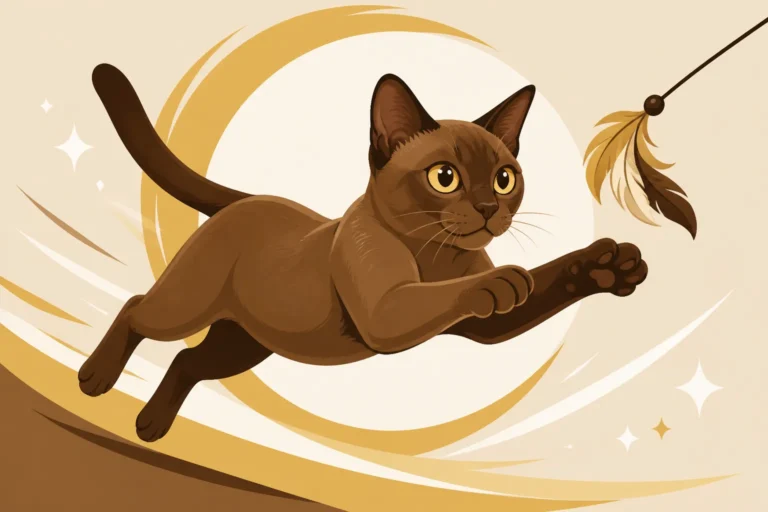
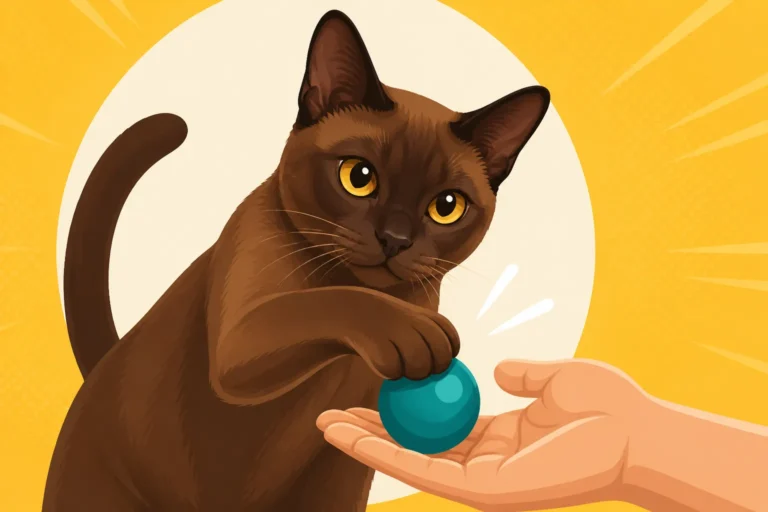
Because a Burmese thrives on interaction, their enrichment activities should reflect this. Puzzle feeders that require their attention for a longer period can be a good choice, especially if you're in the room with them. Why a Burmese Ignores Anything You Are Not Holding is a common observation, highlighting their preference for shared play. Wand toys, laser pointers, or even just throwing a crumpled piece of paper for them to retrieve can turn into a delightful shared game. However, independent play is often enhanced when they can see you nearby. Investing in a variety of toys, perhaps a selection of interactive ones from Amazon, can help keep their active minds engaged even if you're just observing from the couch. Remember, for a Burmese, the "enrichment" often comes from the shared experience itself, rather than just the toy.
Recognizing When Clinginess Signals Trouble
While a Burmese's clinginess is usually a sign of their affectionate nature, it's important to be aware of changes in behavior that might signal an underlying issue. An unusual increase in clinginess, combined with other symptoms like changes in appetite, litter box habits, or excessive vocalization, could be an indication that your cat isn't feeling well. Cats are masters at hiding illness, and sometimes a subtle shift in their normal affectionate demands can be one of the first clues. If your usually very independent (for a Burmese!) cat suddenly becomes inseparable from you, or if their normal "shadowing" behavior takes on a desperate quality, a visit to the vet might be in order. Always trust your instincts when it comes to your beloved companion's health. Early intervention can make a significant difference. If you're concerned about changes in behavior, a quick search on Amazon for pet health monitors or a discreet pet camera might offer some peace of mind or additional data to share with your vet.
Disclaimer
This article is for general informational purposes only and does not constitute professional advice. Laws, prices and regulations vary by location and change over time. Consult a qualified professional for guidance on your specific situation.