Which Breeds Are Affectionate Enough for a Burmese
One of the biggest heartbreaks for a Burmese owner is realizing that their beloved, affectionate companion is utterly miserable when left alone. These social butterflies crave constant interaction, and if you're struggling with a Burmese who's exhibiting signs of loneliness or even distress, you're not alone. This guide will walk you through why companionship is so vital for this breed and introduce you to other cat breeds known for their compatible, affectionate natures, helping you find the purr-fect playmate for your Burmese.
Why Companionship Is Non-Negotiable for a Burmese
If you own a Burmese, you already know they aren't your typical aloof cat. They're often called "dog-like" for a reason, displaying an almost canine devotion to their people. This isn't just a charming quirk; it's a fundamental part of their genetic makeup and temperament. They absolutely thrive on interaction and being part of your daily life, to the point where being left without company can genuinely cause them distress.
The Velcro Cat Phenomenon
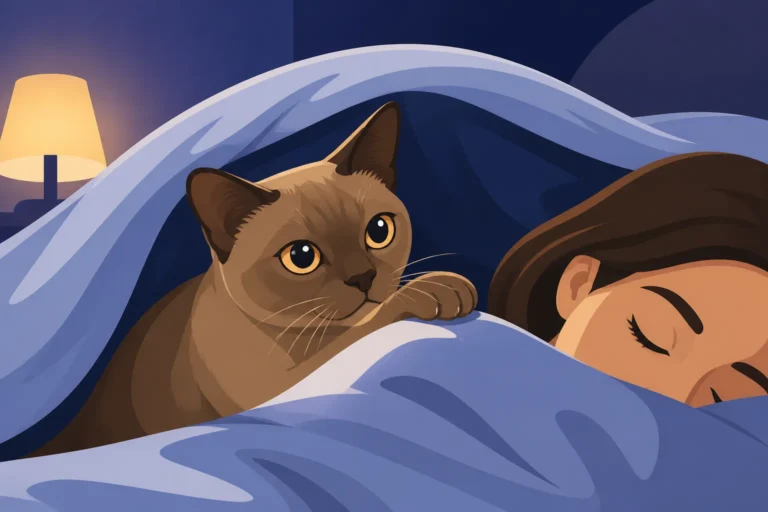
The term "Velcro cat" might as well have been coined specifically for the Burmese. They want to be with you, on you, or at least in the same room as you, at all times. They will follow you from room to room, sit on your lap the moment you sit down, and often even demand to sleep under the covers with you. This isn't clinginess in a negative sense; it's their way of showing profound affection and connection. My own Burmese, Rosie, would quite literally sit on my shoulder while I cooked dinner, just to be close. This intense need for proximity means that if you're gone for long stretches, that need goes unmet, leading to anxiety. The Burmese Is the Velcro Cat of the Cat Fancy goes into more detail about this unique trait.
The Dangers of Solitude
A Burmese left alone for extended periods isn't just "bored"; they can develop genuine separation anxiety. This can manifest in various ways, from destructive behaviors like scratching furniture or inappropriate urination outside the litter box, to more subtle signs like over-grooming, excessive vocalization, or even a noticeable change in appetite. What Separation Anxiety Looks Like in a Burmese details these concerning behaviors. They need constant stimulation and reassurance, and a human alone simply cannot provide that for eight or ten hours a day while at work. It's not a matter of whether they might get lonely; it's almost a certainty that they will. This is why many Burmese breeders strongly recommend buying them in pairs, or ensuring there's another suitable pet in the home.
The Role of Another Cat
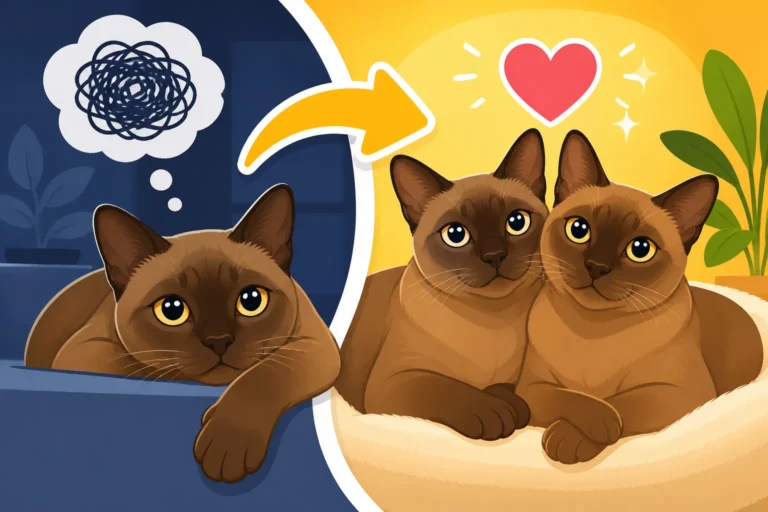
Bringing another cat into the home isn't just about alleviating boredom; it's about fulfilling a deep-seated social need. Two compatible cats can provide each other with mental and physical exercise through play, grooming, and simply sharing space. They can chase each other, wrestle, and curl up together for naps, creating a self-sustaining ecosystem of companionship that no human, no matter how devoted, can fully replicate. This is why Why a Burmese Cannot Be Left Alone All Day emphasizes the importance of a companion. The right companion cat can transform a lonely, anxious Burmese into a much happier, more balanced pet, benefiting both you and your furry friend.
Understanding What Makes a Good Burmese Companion
Choosing a companion for your Burmese isn't like picking a random toy off the shelf. It requires careful consideration of personality, energy levels, and communication styles. The goal is to find a cat that not only tolerates the Burmese's intense affection but actively enjoys it and can keep up with their playful nature.
High Sociability and Affection
The ideal companion for a Burmese needs to be equally, or at least very, social and affectionate. A reserved or independent cat will likely be overwhelmed by the Burmese's constant desire for contact and may become stressed. Imagine trying to relax when someone is always nudging you for attention; it's exhausting. You need a cat that will reciprocate the cuddles, enjoy sharing laps, and seek out interaction, rather than hiding under the bed. The companion should see the Burmese's overtures as a welcome invitation to play or snuggle, not an invasion of personal space. This is crucial for a harmonious household.
Matching Energy Levels and Playfulness
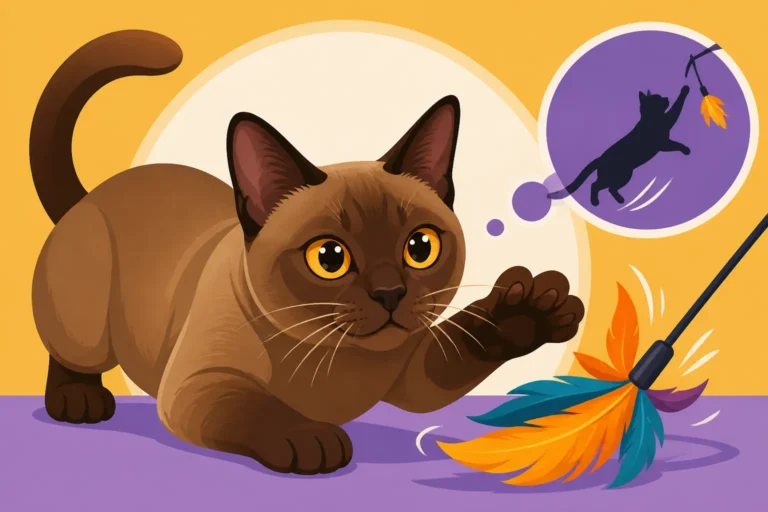
Burmese cats are known for their kittenish playfulness that lasts well into old age. They love to chase, pounce, and engage in interactive games. A sedentary cat might find this exhausting and annoying, leading to friction. Look for a breed that also has a high energy level and a love for play. This ensures that both cats get the physical and mental exercise they need, burning off energy together rather than separately. Wand toys and interactive games are staples in a Burmese household, and having another cat to share in the fun amplifies the enrichment. How Many Play Sessions a Burmese Asks For gives you an idea of their demanding play schedule. You can find a huge variety of engaging wand toys on Amazon that two cats can enjoy together.
Tolerance and Resilience
While a Burmese is generally good-natured, their forwardness can be a lot for some cats. A suitable companion should be tolerant of being "loved" intensely, sometimes even a bit boisterously. They need to be resilient enough not to be easily intimidated or stressed by the Burmese's presence. This doesn't mean they should be a doormat, but rather that they can set boundaries gently without escalating conflict, or simply roll with the punches of a persistent playmate. A good companion will also possess good cat-to-cat communication skills, understanding cues and responding appropriately.
Top Cat Breeds That Often Mesh Well with a Burmese
While individual personalities always reign supreme, certain cat breeds tend to share temperamental traits that make them naturally more compatible with the outgoing, affectionate Burmese.
1. Another Burmese
This might seem like an obvious answer, but it's often the best one. Another Burmese understands the unique social language and intense need for companionship of their own kind. They instinctively know how to play, how to cuddle, and how to just be with another Burmese. When you see two Burmese together, they often form an incredibly close bond, playing tirelessly and grooming each other. Breeders frequently sell Burmese in pairs for this very reason, understanding that Why Burmese Breeders Sell Them in Pairs is rooted in their welfare. Why Two Burmese Settle Each Other beautifully illustrates this point. They speak the same language, energetically and emotionally, making for a very harmonious household.
2. Siamese
Given that the Burmese breed itself originated from a cat imported from Burma (Wong Mau) being bred with a Siamese, it's no surprise that the Siamese is often an excellent companion. Siamese cats are known for their vocal, social, and intelligent personalities. They are often just as people-oriented and demanding of attention as a Burmese, meaning they can handle the intensity. Their high energy levels make them ideal playmates, and their talkative nature can create a lively, engaging home environment. A Siamese won't be easily intimidated by a Burmese's forward nature; they'll likely just talk back! They also love interactive toys and can be easily clicker-trained alongside a Burmese.
3. Tonkinese
The Tonkinese is actually a hybrid breed, a delightful blend of the Burmese and Siamese. This makes them an almost tailor-made companion. They inherit the best traits from both parents: the Burmese's sweetness and devotion, and the Siamese's intelligence and vocal nature. Tonkinese cats are incredibly affectionate, social, and playful. They typically get along well with other cats, especially those with similar energy levels. They are less intensely vocal than some Siamese, but still very communicative and will actively seek out interaction with both their human and feline family members. Their balanced temperament often means they can match a Burmese's zest for life without being overly dominant or submissive.
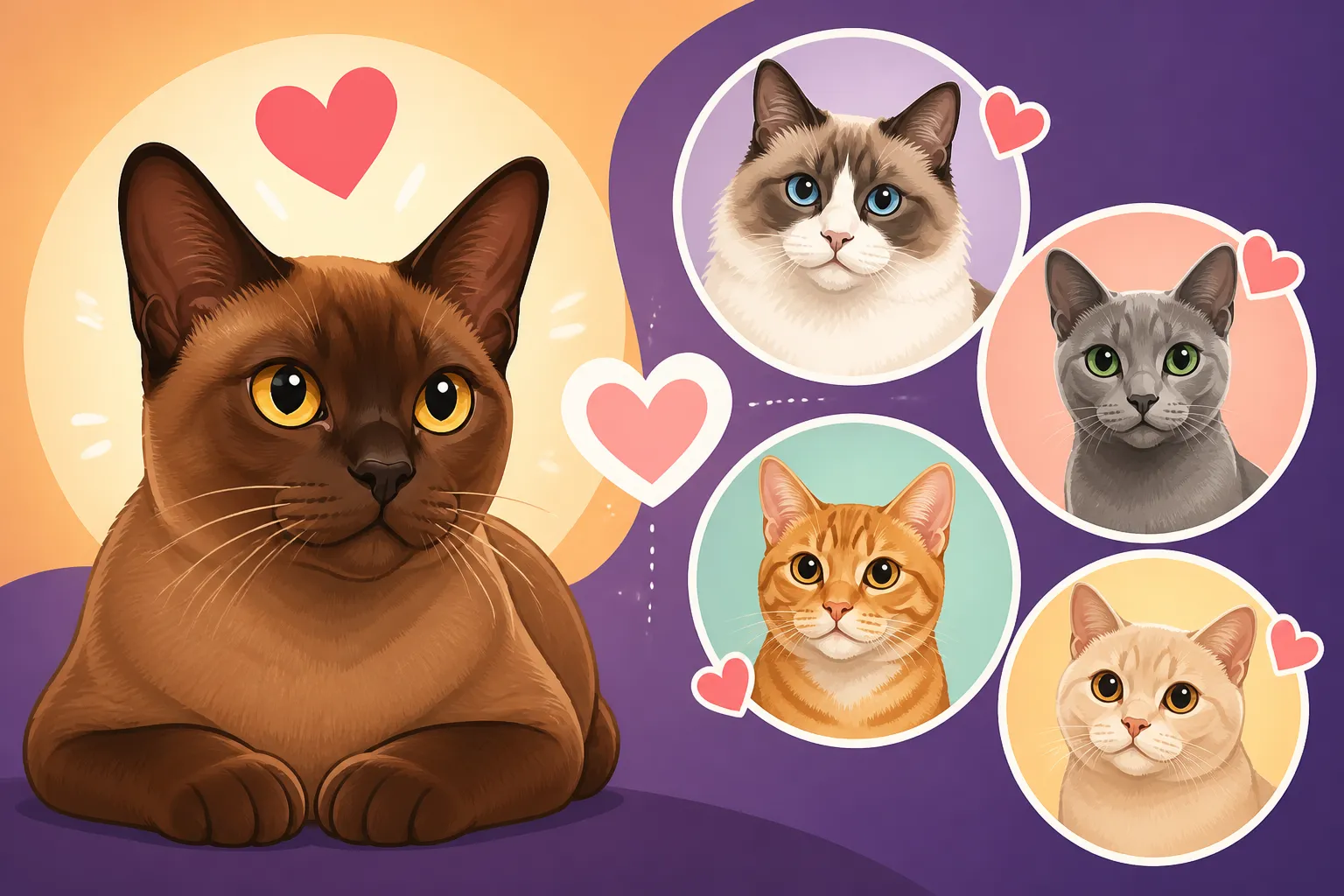
4. Ragdoll
While traditionally known for their laid-back nature, Ragdolls can be surprisingly good companions for a Burmese, especially if the Ragdoll is one of the more active individuals within the breed. Ragdolls are famously gentle, patient, and affectionate. They love to be with their people and are generally very tolerant of other pets. Their larger size means they're less likely to be overwhelmed by a boisterous Burmese. While they might not initiate play with the same frenetic energy, they often enjoy participating and are excellent cuddle buddies. A Ragdoll's calm demeanor can also be a balancing force for a high-energy Burmese. Just ensure you're getting a Ragdoll kitten from a line known for sociability, as some can be quite shy.
5. Maine Coon
Another large, gentle giant, the Maine Coon is known for its friendly, easygoing nature and love of play. They are often described as "dog-like" in their devotion and can be quite chatty. Their sheer size means they can withstand a bit of rough-and-tumble play with a Burmese without feeling threatened. Maine Coons are typically very sociable and enjoy being part of family activities. They might not have the same darting energy as a Burmese, but they are playful and enjoy interactive games. Their patient and adaptable personalities make them good candidates for living with the highly social Burmese. You might find a sturdy, extra-large cat tree on Amazon to accommodate both breeds comfortably.
Here's a quick comparison of these potential companion breeds:
| Breed | Key Temperament Traits | Compatibility with Burmese | Considerations |
|---|---|---|---|
| Burmese | Highly social, affectionate, playful, people-oriented, vocal | Excellent: Shares exact social needs and play style. | Ensure sufficient resources for two active cats. |
| Siamese | Vocal, intelligent, social, high energy, demanding of attention | Very Good: Matches social needs, vocal communication, and energy levels. | Can be equally demanding of human attention, ensuring balance is key. |
| Tonkinese | Affectionate, playful, intelligent, social, balanced vocalization | Excellent: Hybrid of Burmese/Siamese, often a perfect blend of traits. | Very similar needs to Burmese; ensure adequate enrichment. |
| Ragdoll | Gentle, patient, affectionate, laid-back, people-oriented | Good: Gentle nature handles Burmese intensity; loves cuddles. | May be less physically active than a Burmese; ensure they get individual play time. |
| Maine Coon | Friendly, gentle, playful, easygoing, adaptable, often chatty | Good: Large size handles play; sociable and enjoys interaction. | Can be less agile than a Burmese, ensure play respects their physical differences. |
Introducing a New Friend to Your Burmese
Bringing a new cat into your home, especially when one cat (your Burmese) has such strong social needs, requires a slow, patient approach. Rushing introductions can lead to stress, fear, and conflict, making it harder for them to bond in the long run.
The Importance of Scent Swapping
Before your new companion even sees your Burmese, introduce their scents. Rub a soft cloth on each cat's cheeks and head, then swap the cloths. Place the new cat's scented cloth near your Burmese's food bowl or sleeping area, and vice versa. This allows them to get used to each other's smell in a non-threatening way. Repeat this for several days. You can also use separate blankets or beds and swap those around. This step is foundational because cats communicate heavily through scent. A new, unfamiliar scent is often less alarming if it's already been encountered in a positive context.
Establishing Separate Safe Spaces
When the new cat arrives, they should immediately go into their own "sanctuary room." This room should have everything they need: food, water, a litter box, a bed, and toys. This prevents direct, unsupervised confrontation and gives the new cat a secure place to decompress and get used to their new surroundings. Keep the cats completely separate for at least a few days, allowing them to eat their meals on opposite sides of the closed door. This creates a positive association with the other cat's presence – good things (food) happen when the other cat is near. Use a pheromone diffuser in both rooms, which you can easily find on Amazon, to help reduce stress.
Gradual Visual Introductions
Once they're comfortable with scent swapping and eating near the door, you can move to supervised visual introductions. This often starts with short periods where they can see each other through a crack in the door, a baby gate, or a secure screen. Keep these initial sessions very brief and positive. Distract them with treats or engaging toys, ensuring both cats have a positive experience. Watch their body language closely. Any signs of fear (hissing, growling, puffed fur, flattened ears) mean you've moved too quickly. Back off and try again later with a shorter duration. Over time, you can gradually increase the duration and proximity of these supervised interactions. Remember that Bringing Home the Second Cat a Burmese Needs is a process, not an event.
Supervised Play and Positive Reinforcement
Once they're tolerating visual interactions well, you can start with supervised play sessions. Use a wand toy to engage both cats simultaneously, encouraging them to play near each other without direct physical contact initially. The goal is for them to associate the other cat with fun and positive experiences. Always end these sessions on a good note, before either cat shows signs of stress or aggression. Reward calm behavior with treats and praise. Never force interaction. Remember, your Burmese is highly affectionate, but even they need time to adjust to a new furry roommate. The patience you invest now will pay off in a lifelong bond between your two beloved companions.
Disclaimer
This article is for general informational purposes only and does not constitute professional advice. Laws, prices and regulations vary by location and change over time. Consult a qualified professional for guidance on your specific situation.