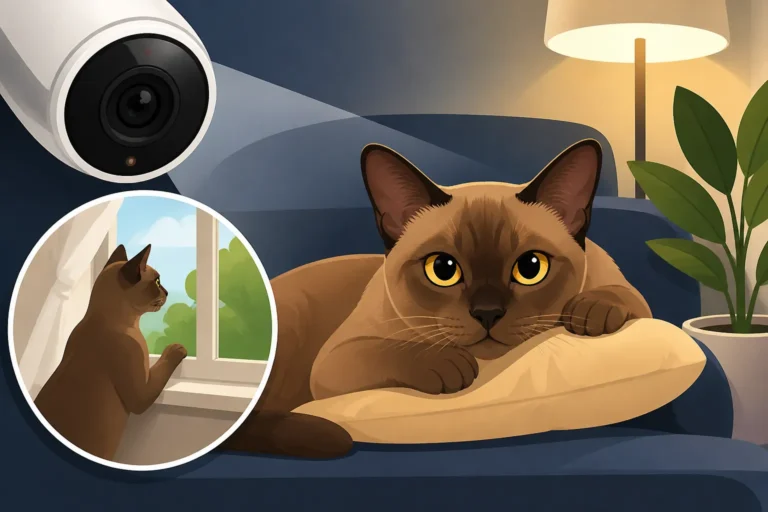
Why a Burmese Overwhelms a Reserved Cat
It's a common scenario that can leave cat owners scratching their heads and their more timid felines hiding under the bed: you bring home a vibrant, loving Burmese cat, and while you're absolutely smitten, your existing, more reserved feline friend seems utterly overwhelmed. The energetic, in-your-face affection of a Burmese can be a beautiful thing, but for a cat that values peace and quiet, it can feel like a relentless invasion. This guide will delve into the distinct personality traits of the Burmese that can lead to this imbalance, explore the needs of a reserved cat, and offer actionable strategies to help both your Burmese and your quieter companion find harmony in your home.
The Burmese Personality: A Force of Nature
The Burmese cat is renowned for a personality that's often described as dog-like, and there's a good reason for that. They don't just like company; they demand it, thrive on it, and truly become part of your daily life in a way few other breeds do. This intense social drive, while incredibly endearing to humans, can be a lot for another cat, especially one who prefers a quieter existence.
Unending Curiosity and Affection
A Burmese doesn't just sit in the same room as you; they're usually on your lap, riding on your shoulder, or weaving figure-eights around your ankles as you move from one room to the next. They have an almost insatiable curiosity about everything you do, from making coffee to working on your laptop. If you're wondering Why a Burmese Cannot Let You Leave the Room, it's because they see themselves as your constant companion, your furry shadow. This isn't a cat that's content to observe from afar; they want to be right in the thick of things, investigating every sound, every smell, and especially, every interaction you have.
This constant desire for interaction extends to other pets, too. To a Burmese, another cat isn't just a housemate; it's a potential playmate, a cuddle buddy, and another source of attention. They often approach with an enthusiastic, almost puppy-like energy, which can be startling for a cat used to more subtle forms of communication and respect for personal space. Imagine someone constantly bubbling with excitement, wanting to engage, follow, and pounce – that's often how a Burmese appears to a more reserved feline.
Playfulness That Lasts a Lifetime
One of the most charming aspects of the Burmese is their eternal kitten-like playfulness. While many cats slow down significantly as they age, a Burmese will often remain playful well into their senior years. A Burmese Is Still Playing at Fifteen is not an exaggeration; they retain a vibrant energy and zest for games, chasing toys, and engaging in mock hunts. This isn't just about occasional bursts of energy; it's a consistent, underlying drive to engage in playful activity throughout the day.
This relentless energy can be a stark contrast to a reserved cat, who might enjoy a short, focused play session but then retreats for a long nap or quiet contemplation. The Burmese sees an invitation to play in almost anything – a wagging tail, a twitching ear, or even just the mere presence of another creature. They might initiate play by pouncing, nudging, or even giving a playful swat, not understanding that their "fun" is another cat's "harassment." This can lead to a reserved cat feeling constantly on edge, always anticipating the next playful ambush.
The "Velcro Cat" Tendency
The term "Velcro cat" was practically invented for the Burmese. They are incredibly attached to their people, seeking physical closeness and constant reassurance. If you're sitting, they're on your lap. If you're lying down, they're under the duvet with you. They genuinely suffer from separation anxiety if left alone for too long, which is why Why a Burmese Cannot Be Left Alone All Day is such a critical consideration for prospective owners.
This intense attachment doesn't stop with humans; it often extends to other pets in the household. A Burmese might try to spoon with a dog, or snuggle up tightly against another cat, even if that cat clearly prefers their own space. They interpret any proximity as an invitation for more closeness, blurring boundaries that other cats hold sacred. For a reserved cat who defines comfort by a quiet corner and undisturbed solitude, the Burmese's constant desire to be "velcro-ed" to them can be incredibly stressful, leaving them with nowhere to truly escape and recharge.
Understanding Your Reserved Cat's Needs
While the Burmese brings its vibrant, extroverted energy, a reserved cat operates on a completely different wavelength. Understanding their inherent preferences and communication styles is key to recognizing why the Burmese's advances can be so overwhelming.
The Joy of Quiet Solitude
For many reserved cats, happiness isn't about constant interaction or boisterous play; it's found in quiet moments. They might spend hours gazing out a window, napping peacefully in a sunbeam, or simply observing the household from a safe, elevated perch. These cats often have a rich inner life and are perfectly content with their own company, or with very minimal, gentle interaction. They appreciate a calm environment where sudden movements or loud noises are rare.
When a Burmese bursts onto the scene, full of playful pounces and demanding vocalizations (often a throaty rumble rather than a traditional meow, which can still be quite assertive), it shatters this serene world. The reserved cat might not view another cat as an opportunity for fun, but rather as an interruption to their preferred state of tranquility. They often communicate their desire for space through subtle cues like a slow blink, a tail twitch, or simply turning their back, signals that a boisterous Burmese might easily miss or disregard.
Subtle Signals of Stress and Overwhelm
Reserved cats rarely escalate to overt aggression when stressed. Instead, they often display a range of subtle behaviors that indicate they are feeling overwhelmed or uncomfortable. These signs can be easy to miss if you're not attuned to them, especially when contrasted with the Burmese's more attention-seeking antics.
Look for behaviors like increased hiding, even in places they didn't frequent before. Your reserved cat might start avoiding common areas when the Burmese is present, or choose to eat at odd hours when the house is quiet. They might exhibit a stiff posture, flattened ears, a swishing tail, or dilated pupils when the Burmese approaches. Over-grooming, a sudden loss of appetite, or changes in litter box habits (like urinating outside the box) can also be red flags that your reserved cat is under significant stress. For instance, Why a Burmese That Stops Following You Is Unwell applies to the Burmese themselves, but a reserved cat who stops doing anything is likely unwell or stressed. It’s crucial to observe these nuanced changes rather than waiting for a full-blown confrontation, as those are rare in genuinely reserved cats.
The Importance of Personal Space
Every cat, even the most sociable, requires personal space, but for a reserved cat, it's non-negotiable. This means having designated areas where they can retreat and feel completely safe and undisturbed. These might be high shelves, secluded cubbies, or even just a particular chair that the Burmese doesn't frequent. These spaces are vital for de-stressing, observing, and feeling secure in their environment.
When a Burmese, with its "Velcro cat" tendencies, consistently invades these sanctuaries, it strips the reserved cat of their coping mechanisms. A Burmese might try to join them in their favorite napping spot, or even follow them into a hiding place, completely oblivious to the reserved cat's need for solitude. This continuous encroachment on personal territory leaves the reserved cat with no true "off-switch" from the Burmese's energy, perpetuating a state of low-level anxiety. It's like having a houseguest who never leaves, never respects your closed door, and always wants to chat, even when you're clearly trying to read a book.
Why the Burmese's Nature Can Be Too Much
It’s not that the Burmese means any harm; quite the opposite. Their affectionate and playful nature is a testament to their loving spirit. However, the sheer intensity and persistence of these traits are precisely what can overwhelm a cat with a different temperament.
The Constant Pursuit of Interaction
Imagine a cat that sees every moment as an opportunity for interaction. That’s a Burmese. If your reserved cat is trying to nap, the Burmese might gently (or not so gently) nudge them awake, paw at them, or try to initiate a play session. If the reserved cat is eating, the Burmese might try to join them, or even steal a bite, not out of malice but out of sheer exuberance and a lack of understanding of boundaries. This constant, uninvited engagement can feel like relentless harassment to a cat who prefers to be left alone.
The reserved cat often signals their discomfort through subtle body language – a flick of the tail, a turn of the head, a low growl. But the Burmese, driven by its innate desire for connection and play, might simply not pick up on these cues, or dismiss them as part of the game. They might persist, thinking they're just being friendly, while the reserved cat's stress levels steadily climb. This creates a cycle where the Burmese pushes for interaction, the reserved cat withdraws or tries to avoid, and the Burmese, still seeking company, follows, intensifying the reserved cat's feeling of being trapped.
Invading Personal Boundaries
Unlike many other breeds, the Burmese doesn't seem to have a strong concept of personal bubbles, especially when it comes to other felines. While most cats establish clear territories and respect each other's space, a Burmese often acts as if the entire house, and everyone in it, is fair game for cuddles and play. They might jump on top of a sleeping reserved cat, follow them into a tight space, or insist on sharing a bed even when there's ample room elsewhere.
This lack of boundary respect is a major source of stress for a reserved cat. For a cat that cherishes its personal space, having another animal constantly in their face or invading their preferred resting spots can make them feel insecure and vulnerable. They may start to associate the presence of the Burmese with discomfort, leading to avoidance behaviors or even a general sense of anxiety about their own home. It becomes a constant negotiation, and the reserved cat often feels like they’re losing.
Competing for Resources and Attention
In a multi-cat household, resources aren't just food and water; they also include prime napping spots, elevated perches, and, crucially, human attention. A Burmese, with its bold and demanding nature, is often very good at securing these things. They’ll be the first on your lap, the first at the food bowl, and the first to demand a game. This isn't necessarily aggressive behavior, but rather a confident assertion of their social standing and needs.
For a reserved cat, this competition can be deeply unsettling. They might be too timid to push their way to the front for a cuddle or too intimidated to approach the food bowl if the Burmese is already there. This can lead to the reserved cat missing out on essential resources or feeling neglected, even if you, as the owner, are trying your best to provide for both. You might find the reserved cat waiting until the Burmese is asleep to eat, or only approaching you for affection when the Burmese is out of sight. This struggle for access can create a subtle, but pervasive, sense of injustice and insecurity for the quieter cat.
Strategies to Harmonize a Burmese with a Reserved Cat
Creating a peaceful home for both your exuberant Burmese and your shy, reserved cat is absolutely possible with thoughtful management and a little strategic planning. It’s all about meeting both their needs, even when they seem contradictory.
Creating Dedicated Retreats
The absolute cornerstone of managing this dynamic is providing ample, dedicated safe spaces for your reserved cat. These aren't just places to hide, but places where they know, unequivocally, that the Burmese will not follow. Think vertically: tall cat trees, shelves, or even just leaving closet doors ajar so they have an escape route. Cats feel safer when they can observe from above. These retreats should ideally be in different rooms, or at least out of sight from the main communal areas where the Burmese tends to monopolize attention.
Consider investing in multiple cat beds, blankets, and even cardboard boxes in various locations around the house. Some cats love a cozy cave-like bed from Amazon for extra security. The goal is to ensure that no matter where your reserved cat chooses to rest or observe, there's a good chance they'll remain undisturbed. Ensure these spaces are easily accessible and don't require navigating past the Burmese. If your reserved cat enjoys quiet naps, Whether a Burmese Will Sit in an Empty Room is a useful question to consider; the answer is often no, which means those "empty rooms" can be vital sanctuaries.
Structured Playtime for the Burmese
A significant part of the Burmese's "overwhelm" stems from their boundless energy and constant desire for play. You can channel this by implementing structured, intense play sessions specifically for your Burmese, separate from your reserved cat. Use wand toys, laser pointers (but always end with a tangible toy to "catch"), or even puzzle feeders to engage their minds and bodies. Aim for at least two to three vigorous play sessions a day, each lasting 10-15 minutes, or until your Burmese is panting and tired.
The beauty of this strategy is twofold: it depletes the Burmese's excess energy, making them less likely to pester your reserved cat, and it strengthens your bond with the Burmese through positive interaction. Remember, a tired Burmese is a less overwhelming Burmese. Interactive toys you can find on Amazon, like automated laser pointers or rolling balls, can help occupy your Burmese during times you can't actively play, further reducing their inclination to bother their housemate.
Gradual and Supervised Introductions
If your cats are still in the early stages of cohabitation, or if you've seen a recent increase in tension, revisit the principles of gradual introduction, even if they've lived together for a while. This means controlling their interactions, especially around high-value resources like food. Feed them in separate rooms, or at least with a clear barrier between them, to prevent any competition or stress during meal times. Why a Burmese Should Never Be Free Fed is good advice for all Burmese owners, but especially vital in a multi-cat home, as it controls a primary resource.
When they are together, always supervise. Interrupt any unwanted behavior from the Burmese – a pounce, a chase, or an attempt to "velcro" themselves to the reserved cat – with a gentle distraction. Never punish the Burmese; simply redirect their attention. Reward both cats with treats and praise when they are calmly coexisting, even if they are just in the same room without interacting. Consider using Feliway diffusers, which release calming pheromones, in rooms where they both spend time. You can often find multipacks of these diffusers on Amazon to ensure widespread coverage.
Enrichment for Both Personalities
Providing a rich and stimulating environment is crucial for both cats, but the type of enrichment will differ. For your Burmese, focus on activities that challenge their intellect and expend energy. This could be puzzle feeders, learning tricks (Burmese are famously intelligent and trainable, as Which Tricks a Burmese Learns for a Piece of Food suggests), or even supervised outdoor time in a secure catio or on a leash.
For your reserved cat, enrichment might mean creating more quiet observation spots, offering gentle petting sessions, or providing soft, comfortable beds in secluded areas. Window perches with a view of birds or squirrels can be immensely satisfying for a cat who loves to watch the world go by. Make sure there are enough resources for everyone – multiple litter boxes in different locations, several water bowls, and enough food stations to prevent any single cat from dominating access. Remember, Why a Burmese Cares Less About the House Than the People means they might be less interested in fancy cat furniture if it's not near you, freeing up other spots for your reserved feline.
By understanding the unique needs of both your spirited Burmese and your quiet companion, and implementing these strategies, you can foster a home where both felines feel loved, secure, and most importantly, respected in their individual personalities.
| Trait/Need | Burmese Cat | Reserved Cat | Solution Strategy |
|---|---|---|---|
| Social Interaction | High; constantly seeks attention and engagement. | Low; prefers solitude, subtle interactions. | Structured play for Burmese; dedicated "me time" for reserved. |
| Energy Level | Very high; playful well into old age. | Moderate to low; enjoys short play, then rests. | Intense, separate play sessions for Burmese. |
| Personal Space | Low concept; often invades others' boundaries. | High need; easily stressed by invasion of space. | Vertical spaces, hiding spots for reserved cat; gate access to rooms. |
| Communication | Direct, vocal, physically demonstrative. | Subtle body language, withdrawal, avoidance. | Owner must interpret reserved cat's subtle cues; redirect Burmese. |
| Resource Needs | Confidently seeks out prime resources (food, laps). | May defer to more assertive cats, miss out. | Multiple resources (food, water, beds) in separate locations. |
| Stress Response | Can become destructive or anxious if neglected. | Hiding, over-grooming, changes in eating/litter habits. | Provide safe retreats; reduce triggers for reserved cat. |
Disclaimer
This article is for general informational purposes only and does not constitute professional advice. Laws, prices and regulations vary by location and change over time. Consult a qualified professional for guidance on your specific situation.