Whether a Burmese Will Sit in an Empty Room
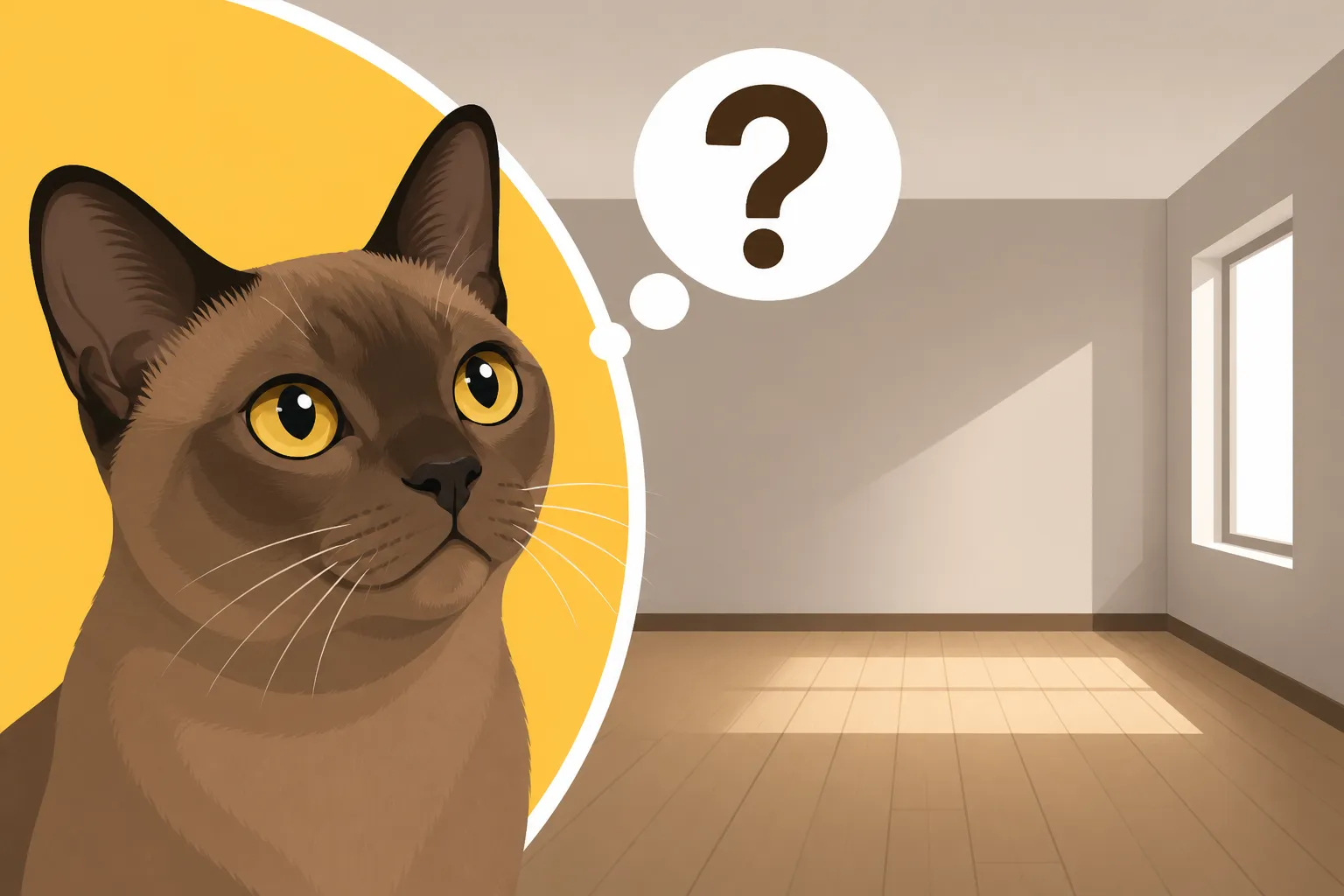
The idea that cats are independent, aloof creatures who are perfectly content to nap in an empty room all day while you're out might hold true for some breeds, but let me tell you, that narrative completely falls apart when you bring a Burmese into your home. This guide is all about shedding light on why a Burmese cat won't just "sit in an empty room" and what that means for owners navigating their incredibly social nature.
The Burmese Is the Ultimate Companion, Not a Solitary Sitter
You see, a Burmese isn't just "a cat." They're often called "the Velcro cat" for a reason. They thrive on interaction, closeness, and being right in the thick of whatever you're doing. This isn't just a quirky personality trait; it's deeply ingrained in their breed. Unlike some cats that might enjoy a bit of quiet solitude to recharge, a Burmese sees an empty room not as a peaceful retreat, but as a lack of engagement, a missed opportunity for connection.
Why the Burmese Craves Constant Company
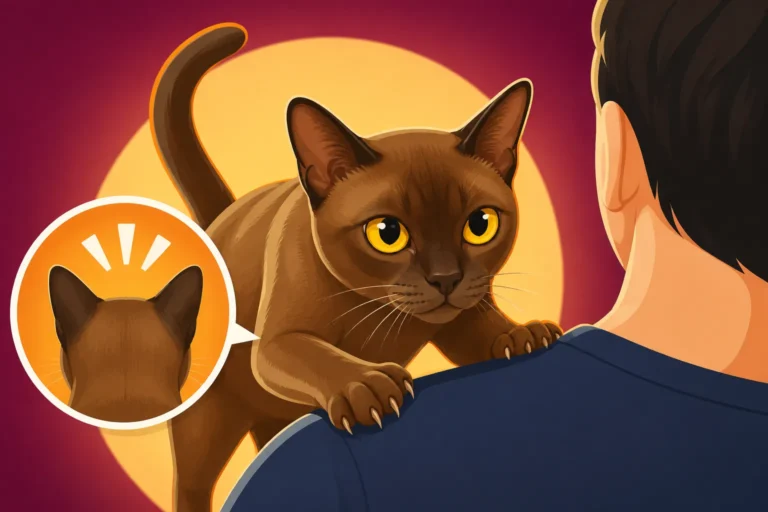
From the moment they wake up, a Burmese is looking for you. They'll follow you from room to room, perch on your shoulder while you work, or insist on being under the covers with you at night. This isn't clinginess; it's their fundamental way of being. They develop incredibly strong bonds with their human family, often singling out one person as their primary confidant, but still extending their affection to everyone else in the household. This means that when the house goes quiet, and they find themselves truly alone, it's often a source of genuine distress for them. They're not wired to be content as a solitary observer; they're participants, companions, and active members of the family unit. Think of them more like a shadow or a second skin, rather than an independent entity. This inherent need for presence is exactly Why a Burmese Cannot Be Left Alone All Day.
The Difference Between Contentment and Tolerance
It's crucial to understand the difference between a cat being content and simply tolerating a situation. Many cats might tolerate being left alone for reasonable periods, perhaps sleeping through much of it. A Burmese, however, is rarely content in an empty room. They might find a sunbeam to nap in, yes, but it’s often done with one ear cocked, waiting for the tell-tale sound of someone returning, or a family member stirring from another part of the house. Their deep desire for interaction means that true peace and contentment for a Burmese usually involves human or animal company. If they are in a room alone, it's likely because they know you're in the next room, or they're waiting for you to walk by so they can quickly re-engage. The idea of them happily spending hours in a genuinely empty, quiet space without the possibility of interaction just doesn't align with their nature.
What Happens When a Burmese Is Left in an Empty Room
When that deeply social Burmese finds itself regularly in a truly empty room, or an empty house for extended periods, it can lead to a cascade of behavioral and emotional challenges. This isn't about them being "naughty" but about their innate needs not being met.
The Onset of Separation Anxiety
The most common and heartbreaking consequence of leaving a Burmese alone too much is the development of separation anxiety. This isn't just missing you a little; it's a profound emotional distress that can manifest in various ways. You might come home to find things out of place, or your cat might greet you with an almost frantic intensity. They might start vocalizing excessively when alone, using their distinctive rasping rumble not in greeting, but in a mournful, continuous cry. This isn't a silent suffering; it's often quite vocal, echoing through the house and letting neighbors know just how unhappy your cat is. What Separation Anxiety Looks Like in a Burmese is not a pretty picture, and it’s something any potential owner needs to seriously consider.
Destructive Behaviors and Self-Soothing
A lonely or anxious Burmese will often turn to behaviors that are destructive to your home or even to themselves. This isn't out of spite, but a desperate attempt to cope with their feelings. Fabric chewing is a common one; they might target your favorite blanket, clothes, or even furniture. They might also begin to spray urine outside the litter box, an act of territorial marking often linked to stress or insecurity. Some Burmese, in their anxiety, might even start over-grooming to the point of pulling out their own fur, leaving bald patches on their elegant satin coat. Imagine coming home to a destroyed sofa or finding your beautiful cat has patches of missing fur because they've been trying to self-soothe their loneliness. This is precisely What a Burmese Does to a House It Is Left In if their social needs aren't met.
Impact on Physical Well-being
Beyond the emotional and behavioral toll, chronic stress from loneliness can manifest physically. Stress can weaken their immune system, making them more susceptible to illness. An anxious Burmese might also experience digestive upsets, leading to vomiting or diarrhea. They might become pickier eaters or, conversely, overeat out of boredom or anxiety, which can lead to weight gain – a significant concern given the breed's predisposition to diabetes. Their physical health is intrinsically linked to their emotional state. A cat that is constantly on edge due to a lack of companionship isn't a healthy, happy cat, regardless of how good their diet or veterinary care might be otherwise.
Creating an Environment Where Solitude Isn't a Struggle
So, if a truly empty room is a challenge for a Burmese, what can you do as a responsible owner? The good news is that there are many strategies to ensure your Burmese feels secure, engaged, and loved, even when you can't be physically present every second of the day.
The Power of a Companion Animal
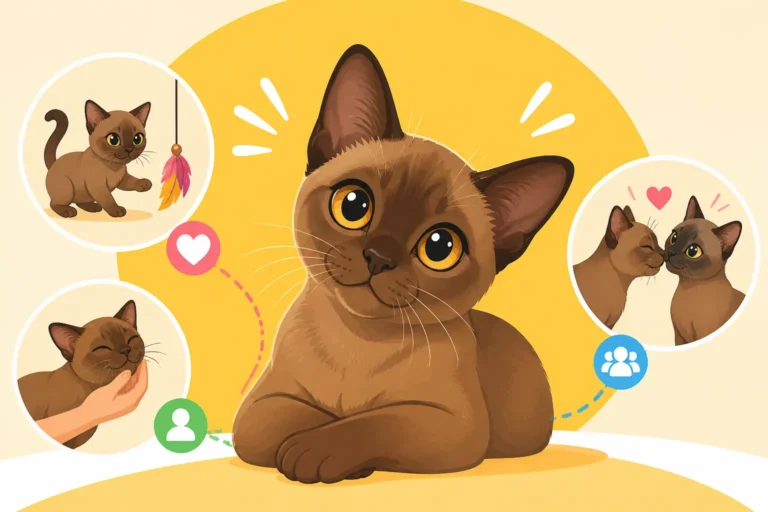
Honestly, the single best solution for a Burmese that might otherwise face periods of solitude is another companion. This is why many ethical Burmese breeders will actually insist on selling kittens in pairs, or to homes where there's already another friendly pet. Another Burmese, or even another cat breed known for its sociability like a Siamese or a Tonkinese, can provide the constant companionship and interactive play that a lone Burmese craves. They'll chase each other, groom each other, and nap together, filling the social void that humans can't always provide. Why Burmese Breeders Sell Them in Pairs is rooted in understanding this fundamental need. It also drastically reduces the chances of destructive behaviors and stress-related issues.
If another cat isn't feasible, a cat-friendly dog can also be a wonderful solution. Burmese cats are often described as having a "dog-like" personality, and they tend to get along famously with well-behaved canines. They'll often curl up with the dog, seeing them as another warm body for comfort and companionship. The key is ensuring the personalities are a good match, but a happy, cat-friendly dog can be a true blessing for a social Burmese.
Enrichment for the Occasional Alone Time
Even with a companion, there will be times when both pets might be left alone. For these occasions, thoughtful enrichment is paramount.
- Interactive Toys: Puzzle feeders that dispense treats slowly can keep their minds engaged. You can find a huge variety of these on Amazon, from simple treat balls to more complex contraptions. Wand toys with feathers or ribbons, while requiring human interaction, can also be left out for shorter periods if they are robust and safe. Some cats enjoy automatic laser pointers or toys that move unpredictably.
- Vertical Space: Cats feel safer and more confident when they have high places to observe their territory. Tall cat trees, shelves, or even window perches provide stimulation and a sense of security. A cat tree with multiple levels and scratching posts, also readily available on Amazon, can turn an otherwise boring corner into an adventure zone.
- Window Watching: If your Burmese can safely watch birds or squirrels outside, this can be a surprisingly engaging activity. Make sure the window is secure and free of any potential hazards.
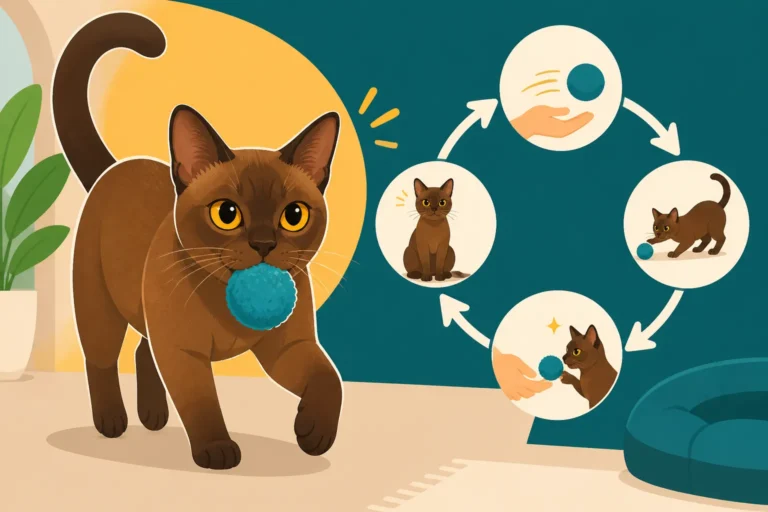
- Scheduled Play: Before you leave and as soon as you return, dedicate quality time to active play. A tired cat is a happy cat, and vigorous play sessions with a favorite wand toy or chasing game can help burn off energy and satisfy their need for interaction. This makes the periods of quiet much more manageable.
| Symptom of Loneliness/Anxiety | Description | Actionable Step |
|---|---|---|
| Excessive Vocalization | Continuous, mournful meows, rasps, or yowls when left alone. Often reported by neighbors. | Consider a pet camera (easily found on Amazon) to confirm. Introduce a companion animal or increase interactive play. Consult a vet to rule out medical issues. |
| Destructive Behavior | Chewing on fabric, scratching furniture, knocking items over, spraying urine outside the litter box. | Provide appropriate scratch posts and chew toys. Use deterrent sprays on forbidden items. Address anxiety with companionship and enrichment. |
| Over-grooming/Fur Pulling | Obsessive licking, chewing, or pulling out fur, leading to bald spots or skin irritation. | Veterinary check to rule out allergies or parasites. Then, focus on reducing stress through increased interaction and companionship. |
| Changes in Appetite | Refusing to eat, or conversely, eating too much out of boredom or anxiety. | Monitor food intake carefully. Offer smaller, more frequent meals. Ensure a consistent, low-carbohydrate diet, especially for a diabetes-prone breed. |
| Clinginess Upon Return | Frantic greeting, constantly seeking attention, following you everywhere, unable to settle even when you are home. | Dedicate immediate, focused play and petting time upon arrival to reconnect and reassure them. |
| Inappropriate Elimination | Urinating or defecating outside the litter box, often on your bed or clothes. | Clean litter boxes more frequently (at least twice daily). Provide an extra litter box. Address underlying stress or medical issues with a vet. |
The Role of Technology in Bridging the Gap
While nothing replaces actual companionship, technology can play a valuable supporting role in managing a Burmese's need for connection, especially if you have to leave them alone for periods of time.
Pet Cameras for Monitoring and Interaction
Pet cameras have come a long way, offering more than just a live feed. Many now include two-way audio, allowing you to speak to your Burmese, and some even have treat dispensers. Being able to check in, offer a reassuring word, or even toss a treat can make a big difference for a cat struggling with solitude. It allows you to see firsthand How Many Hours Before a Burmese Starts to Suffer and react accordingly. While it's not a substitute for physical presence, it can certainly help to bridge those lonely moments and give you peace of mind. You can find a range of reliable pet cameras on Amazon that integrate with your smartphone for easy monitoring.
Smart Feeders and Timers
For Burmese cats that are especially food-motivated (and many are!), a smart feeder can help maintain a sense of routine and break up long stretches of quiet. You can program these feeders to dispense small, measured portions at specific times, ensuring your cat doesn't go too long without a snack. This is particularly useful if you're working towards Why Portion Control Is Medical Care in a Burmese or managing their weight. Some even allow for remote dispensing, letting you give an extra treat if you see them looking particularly lonely on the pet camera. However, remember that these are tools to supplement companionship, not replace it.
Understanding the Burmese's Life Stages and Social Needs
It's also important to remember that a Burmese's social needs aren't static; they evolve throughout their life, though their core desire for companionship remains constant.
Kittenhood: Building the Foundation of Connection
A Burmese kitten is a whirlwind of energy and affection. This is the critical period where they learn about the world and form their deepest bonds. Leaving a young Burmese kitten alone for long stretches can hinder their socialization and exacerbate their natural predisposition to separation anxiety. They need constant interaction, play, and gentle handling to grow into well-adjusted adults. A home where they are frequently engaged and cuddled sets the stage for a happy, secure cat. This intense early bonding period is a huge part of A Burmese Kitten's First Year of Never Being Alone.
Adult Years: Sustaining the Bond
Even a mature Burmese, with all its confident charm, still requires significant daily interaction. They might not be as overtly rambunctious as a kitten, but they'll still expect to be part of your routine. Whether it's "helping" you cook, supervising your work from your lap, or joining you for evening television, their presence is a given. Neglecting their need for interaction during their adult years can still lead to behavioral issues and unhappiness. Remember, A Burmese Is Still Playing at Fifteen, so their need for engagement isn't something they simply outgrow.
Senior Years: Comfort and Continued Closeness
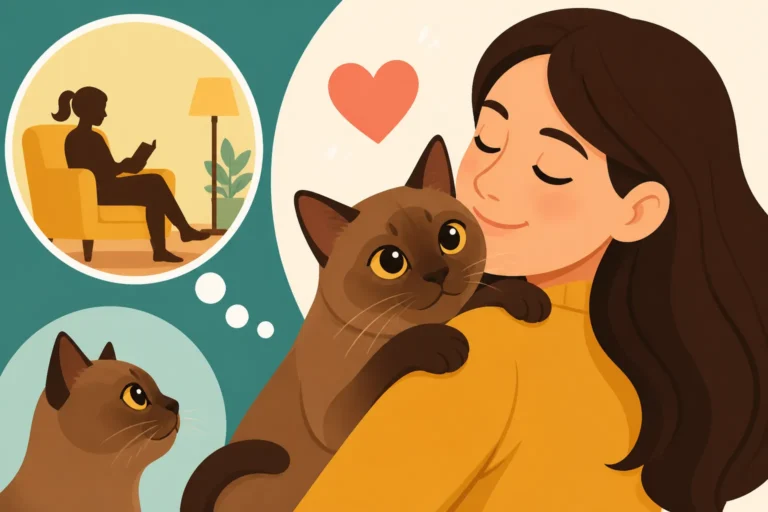
As a Burmese cat enters their senior years, their physical activity might slow down, but their need for warmth and companionship often intensifies. They might spend more time napping, but they will almost always choose to nap with you or on you. An old Burmese still wants to be central to the family, seeking comfort in close proximity and gentle petting. Loneliness can be particularly harsh on senior cats, potentially exacerbating age-related anxieties or simply making them feel more vulnerable. Their unwavering affection makes them want to be near you constantly, validating Why an Old Burmese Still Wants a Lap. Even if they can't chase a toy with the same vigor, they still want to feel your presence.
The Bottom Line: Can a Burmese Sit in an Empty Room?
The simple, empathetic truth is: no, not happily, and not for very long. A Burmese is not a cat designed for long hours of solitude. Their entire being is geared towards companionship, interaction, and being an integral part of their human family. Expecting a Burmese to be content in an empty room is like expecting a Golden Retriever to be happy in a crate all day – it goes against their very nature.
If you lead a busy lifestyle that requires you to be out of the house for extended periods, it's essential to either:
- Get a pair of Burmese cats: This is often the most recommended solution, as they will keep each other company, play, and bond, mitigating much of the loneliness. Why Two Burmese Cost Less Than One Anxious One is often quoted by breeders for good reason.
- Provide another compatible companion animal: A friendly dog or another sociable cat breed can also fill the void.
- Ensure significant enrichment and dedicated interaction: If a companion animal truly isn't an option, then you must commit to an intense schedule of interactive play, puzzle feeders, and constant engagement when you are home.
Ultimately, choosing a Burmese means embracing a deeply affectionate, highly social companion who will enrich your life beyond measure, but who also relies on you to meet their profound need for connection. They won't just sit in an empty room; they'll wait for you, often with a heavy heart, until you return to fill it with your presence once more.
Disclaimer
This article is for general informational purposes only and does not constitute professional advice. Laws, prices and regulations vary by location and change over time. Consult a qualified professional for guidance on your specific situation.