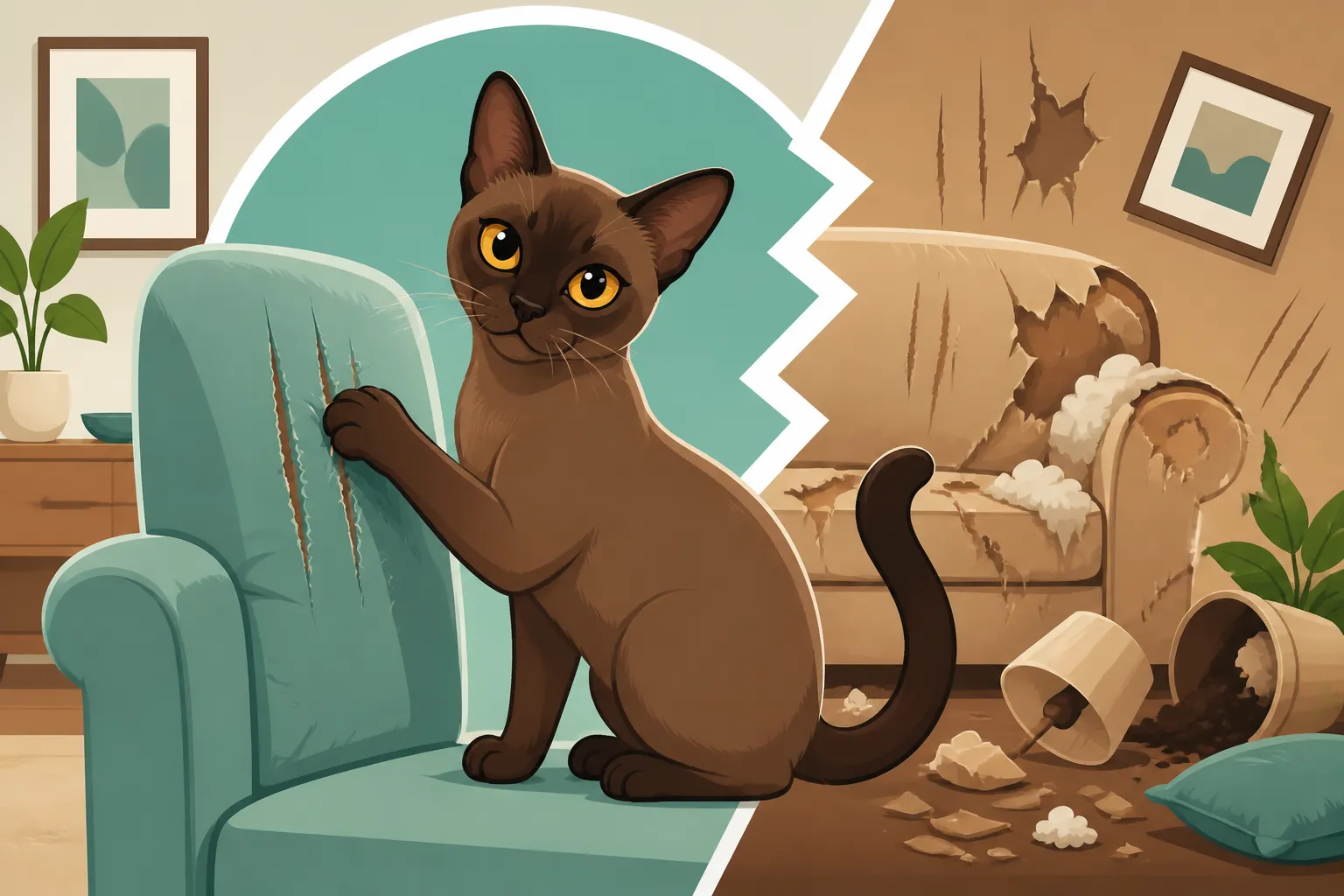
What a Burmese Does to a House It Is Left In
It's heartbreaking to come home and find your house in disarray, or worse, damaged, only to realize your beloved Burmese is behind it. Many of us have been there, facing the wreckage of what seems like a feline tantrum, but with a Burmese, these actions are almost always a desperate cry for connection. This guide will help you understand the unique emotional needs of your Burmese and what those needs might drive them to do to your home when left alone for too long, offering insight into their behavior and how to prevent it.
Understanding the Burmese Need for Company
The Burmese cat isn't just a pet; it's a shadow, a confidante, and a constant presence in your life. Their intense need for companionship is legendary, and it's something every potential owner needs to grasp deeply. When this fundamental need isn't met, their distress can manifest in ways that are both perplexing and damaging to your home environment.
The "Velcro Cat" Persona and What It Means for Your Home
If you've ever owned a Burmese, you know precisely what "Velcro cat" means. They stick to you. They follow you from room to room, sit on your lap the moment you settle, and often demand to be involved in whatever you're doing. This isn't just a charming quirk; it's an intrinsic part of their personality. They thrive on interaction, conversation, and physical closeness. Imagine a cat that actually wants to be held, that rides on your shoulder like a feathered parrot, or that pushes its head into your hand for constant petting. This profound attachment means that when you leave, the house doesn't just feel empty to them; it feels like an abandonment. For many other breeds, an empty house is just a quiet place for a nap, but for a Burmese, it can be a source of genuine fear and confusion. Why a Burmese Cannot Let You Leave the Room goes into detail about this inherent trait.
Why Solitude Is a Foreign Concept to a Burmese
Burmese cats simply aren't wired for solitude. They are highly social creatures, often described as having a "dog-like" temperament due to their loyalty and desire to interact. Unlike more independent cat breeds that might enjoy a peaceful day alone, a Burmese sees the absence of its human companions as a significant disruption to its world. They crave the mental stimulation that comes from interacting with you, whether it's playing a game of fetch or simply "talking" back and forth with their unique, raspy vocalizations. The quiet of an empty house, devoid of human chatter and activity, can be profoundly unsettling for them. It’s not just boredom; it’s a lack of fundamental engagement that they are bred to expect and depend on. This can quickly escalate from mild restlessness to genuine distress.
The Deep Affection That Becomes Anxiety
The very trait that makes Burmese cats so endearing – their deep affection – is also what makes them so susceptible to separation anxiety. Their bond with their humans is incredibly strong, almost like that of a small child. When their primary attachment figures are gone, especially for extended periods, they don't just miss you; they experience real anxiety. This isn't them being "naughty" or "vindictive"; it's a raw, emotional response to feeling alone and insecure. You might wonder, What Separation Anxiety Looks Like in a Burmese, and it’s crucial to understand that their acting out is not deliberate defiance but a manifestation of their internal struggle. This anxiety builds, and without an outlet or a companion, it can reach a boiling point, leading to behaviors that can surprise and frustrate owners.
Early Signs of Distress When Left Alone
Before your Burmese starts turning your sofa into a modern art installation, there are often subtle cues that they are struggling with being left alone. Recognizing these early signs can be key to intervening before more destructive habits take root. It’s about learning to read their unique language of longing.
Subtle Behavioral Changes You Might Miss
When you're rushing out the door, it's easy to overlook a subtle shift in your cat's demeanor. However, a Burmese on the brink of separation anxiety might start displaying small, uncharacteristic behaviors. They might become overly clingy right before you leave, perhaps trying to block your path or follow you around more intensely than usual. Some might hide, sensing your departure, while others might vocalize more persistently with their distinctive "rasp," a sound you'll know well if you own one. Others might become a bit withdrawn, sitting quietly in a corner instead of engaging. These are not just fleeting moods; they are indicators that your absence is causing them significant stress, even if they haven't yet resorted to destructive acts. Pay attention to how they behave in the hour or so leading up to your departure, and upon your return.
The Silent Suffering and How It Manifests
Not all Burmese cats will greet your absence with immediate vocal protests or destructive acts. Some internalize their distress, leading to a form of "silent suffering" that can be harder to detect. This might manifest as a loss of appetite while you're away, even if food is freely available. They might become restless, pacing excessively, or showing signs of hyper-vigilance, constantly scanning the house for your return. You might notice they sleep more deeply or more fitfully when alone. Sometimes, they might groom themselves excessively as a coping mechanism, leading to small bald patches or skin irritation. These quiet signs are just as serious as overt destruction, indicating a profound unhappiness that needs addressing. It's a heavy thought, knowing your little companion might be quietly suffering through your workday.
Physical Clues of Growing Unease
Beyond behavioral shifts, there can be physical clues that your Burmese is struggling with being alone. Excessive grooming, as mentioned, can lead to fur pulling or even self-mutilation in extreme cases, often targeting their belly or legs. Why a Lonely Burmese Pulls Its Satin Coat Out delves into this particular concern. You might also notice an increase in shedding, as stress can cause a cat to "blow its coat." Some anxious cats might experience changes in their urinary habits, either holding their urine for too long, leading to bladder issues, or, conversely, urinating more frequently due to stress. While not immediately destructive to the house, these physical manifestations are clear signals that their emotional well-being is compromised and that more noticeable "acting out" could be around the corner if the underlying anxiety isn't addressed.
The Impact on Your Home Environment
When a Burmese is left alone for too long, their anxiety isn't confined to their internal world. It spills over into their environment, often leading to a range of behaviors that can cause real damage to your home and possessions. It’s not malicious; it's a cat struggling to cope, and your home unfortunately bears the brunt of that struggle.
Destructive Chewing and Fabric Pulling
One of the most common manifestations of separation anxiety in a lonely Burmese is destructive chewing and fabric pulling. They aren't trying to redecorate; they're trying to relieve immense stress. You might find them gnawing on the corners of rugs, chewing on blankets, or even tearing at curtains. Imagine coming home to find a favorite sweater, left innocently on the sofa, now shredded. This isn't an act of defiance; it's a frantic attempt to channel their intense emotional energy. They might target items that carry your scent, finding a perverse comfort in destroying something connected to you, or simply whatever is accessible and offers a satisfying texture for their anxiety-driven chewing. Investing in durable, engaging toys from brands like Amazon that can withstand vigorous play and chewing can sometimes redirect this behavior, but it won't solve the root cause.
Inappropriate Urination and Defecation
This is perhaps the most frustrating and disheartening behavior for any cat owner, and it's a classic sign of deep distress in a Burmese left alone. Finding urine on your bed, laundry pile, or even a cherished piece of furniture isn't about spite; it's often a desperate plea for attention or a territorial marking behavior driven by insecurity. Cats mark with urine when they feel their territory, or their place within it, is threatened or unstable. For a highly social Burmese, an empty house can feel profoundly unstable. They might be trying to "claim" the house, or certain items, with their scent to feel more secure in your absence. This isn't a litter box training issue; it's an emotional one, and it requires understanding and empathy, not punishment. What a Burmese Does to a House It Is Left In often starts with these types of accidents.
| Behavior Type | Description | Potential Triggers | Home Impact |
|---|---|---|---|
| Destructive Chewing | Gnawing, tearing, or shredding items like fabrics, paper, or furniture corners. | Loneliness, boredom, anxiety, seeking comfort scent. | Damaged furniture, clothing, curtains, rugs. |
| Inappropriate Elimination | Urinating or defecating outside the litter box, often on personal items or beds. | Separation anxiety, stress, insecurity, seeking attention. | Stains, odors, ruined textiles, hygiene issues. |
| Excessive Vocalization | Prolonged or unusually loud "rasping" or meowing. | Crying for attention, loneliness, distress. | Disturbance to neighbors, owner frustration. |
| Restlessness/Pacing | Constant movement, inability to settle, hyper-vigilance around windows/doors. | Anxiety, anticipation of owner's return, boredom. | Minor wear and tear, potential for accidents. |
| Coat Over-grooming | Licking or chewing fur excessively, leading to bald spots or skin irritation. | Stress, self-soothing mechanism. | Hair loss, skin lesions, vet bills. |
| Furniture Scratching | Targeting inappropriate surfaces like sofas, walls, or wooden furniture for scratching. | Stress relief, marking territory, lack of appropriate outlets. | Damaged upholstery, scratched wood, ruined wallpaper. |
Furniture as a Stress Outlet
Beyond chewing, your furniture can become an unwitting outlet for your Burmese's pent-up stress. A lonely or anxious Burmese might turn to scratching the sofa, tearing at chair legs, or even climbing curtains. While all cats scratch, an anxious Burmese often does so with a heightened intensity and frequency, often targeting items that are forbidden or highly visible. This isn't them being deliberately disobedient; it's a physical release of their emotional turmoil. They're not only marking their territory, which is a natural cat behavior, but they are also seeking tactile stimulation and releasing pent-up energy that would otherwise be directed towards play and interaction with you. Providing ample scratching posts, particularly sturdy, tall ones that allow for a full body stretch, can help, but again, it’s managing a symptom, not the cause. You might find yourself constantly replacing items or seeking solutions on Amazon for durable furniture protectors.
Long-Term Consequences for Your Burmese and Your House
The problems caused by a Burmese being left alone aren't just immediate and annoying; they can lead to chronic issues for your cat's health and happiness, as well as significant, ongoing damage to your home and your budget. Ignoring these behaviors is not only detrimental to your pet but also to your quality of life.
The Spiral of Separation Anxiety
If a Burmese's cries for company go unheeded, the early signs of distress can spiral into full-blown, chronic separation anxiety. This isn't something they "grow out of"; it often intensifies. A cat that once only occasionally pulled at a blanket might start consistently urinating on your bed. The occasional "rasping rumble" might become constant, frantic vocalization that bothers neighbors. This creates a vicious cycle: the cat's anxiety increases, leading to more destructive or problematic behaviors, which in turn causes more stress and frustration for the owner. This stress, unfortunately, often deepens the cat's own feelings of insecurity and loneliness, making the problem even harder to resolve. What a Burmese Does When It Is Left Too Long can be truly heartbreaking to witness, and even more so to live with.
Health Implications Beyond the Mess
The impact of chronic loneliness and anxiety isn't just behavioral; it can take a serious toll on your Burmese's physical health. Excessive grooming can lead to skin infections from constant licking or ingesting too much fur, resulting in hairballs. Stress can suppress their immune system, making them more susceptible to illness. Changes in eating or drinking habits, either overeating for comfort or undereating due to stress, can lead to weight issues, gastrointestinal problems, or even impact their delicate urinary system. Furthermore, the Burmese is a breed prone to certain health conditions, and chronic stress can exacerbate these predispositions. For instance, increased stress can impact their glucose regulation, making them more vulnerable to metabolic issues. A perpetually anxious cat is not a healthy cat, and those vet bills can quickly add up.
The Cost of a Lonely Burmese
Beyond the emotional toll, the financial cost of a lonely Burmese can be substantial. Repeatedly replacing chewed-up furniture, rugs, or clothing can quickly drain your wallet. Professional cleaning for urine stains and odors, especially from carpets or upholstery, isn't cheap. If the damage is extensive, you might even be looking at the cost of re-upholstering furniture or replacing flooring. Then there are the potential vet bills from stress-induced health issues, such as skin problems, bladder infections, or digestive upset. Factor in the cost of behaviorist consultations, calming aids, or new enrichment toys – perhaps ordered from Amazon in a desperate attempt to find a solution – and you realize that the cheapest option is always prevention. What a Burmese Costs Over Sixteen Years is a significant figure, and that doesn't even account for the extra costs of managing anxiety-driven damage.
Strategies to Mitigate Destructive Behavior
While it’s clear that a Burmese needs company, life happens, and you can’t always be home. The good news is there are proactive steps you can take to alleviate their loneliness and redirect destructive behaviors, turning your house back into a peaceful home.
Providing Enriched Environments
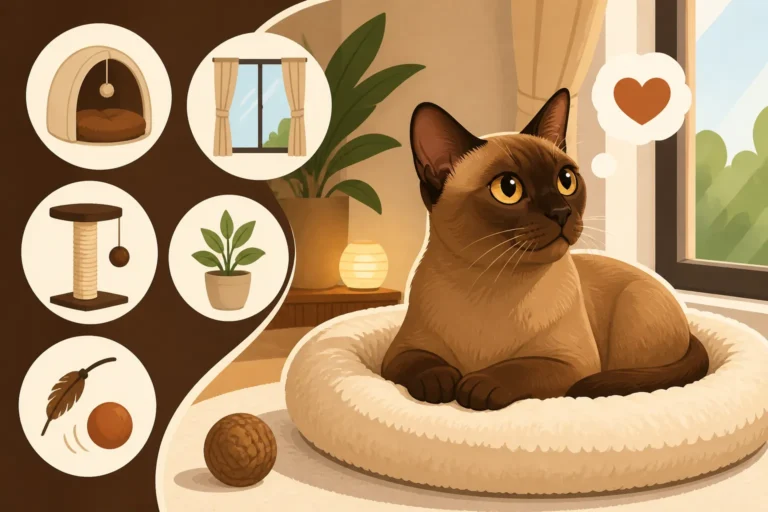
When you must be away, creating an enriching environment is paramount. This means more than just leaving a few toys out. Think vertically: cat trees, shelves, and window perches give them vantage points and exercise opportunities. Interactive toys that dispense treats, puzzle feeders, or automated laser pointers can provide mental stimulation. Consider a "catio" if space allows, offering safe outdoor access to observe birds and squirrels. Leave on a radio or TV tuned to a talk show to provide background human voices. Rotate toys regularly so they always have something "new" to explore. These steps, while not a complete substitute for human companionship, can significantly reduce boredom and provide positive outlets for their energy. Many excellent options for cat enrichment, from multi-level cat trees to interactive feeders, are readily available on platforms like Amazon.
The Power of a Companion Cat
For a breed as profoundly social as the Burmese, the single most effective solution for loneliness and separation anxiety is often another cat. Burmese cats thrive in pairs, offering each other constant companionship, play, and comfort. Two Burmese kittens will usually settle each other far better than one left alone. They'll chase, wrestle, groom each other, and simply exist together, fulfilling that deep-seated need for interaction. This isn't just anecdotal; many breeders strongly recommend buying Burmese in pairs, and owners who have done so often report a marked absence of the destructive behaviors seen in single Burmese cats. Why Burmese Breeders Sell Them in Pairs is a testament to this widely accepted wisdom. While it doubles your cat food bill, it often halves your stress and your damage repair costs.
Building a Routine for Solitary Hours
Cats are creatures of habit, and establishing a predictable routine can help your Burmese feel more secure, even in your absence. Try to leave and return around the same times each day. Before you leave, engage them in a vigorous play session to tire them out, then offer a meal or a treat-dispensing toy to occupy them as you walk out the door. This associates your departure with a positive, engaging activity. When you return, greet them calmly, but don't over-fuss if they're overly anxious; wait until they've settled a bit. Gradually increase the time you're away, starting with short periods, to help them adjust. This slow, consistent approach helps them learn that your absence isn't permanent and that their world will return to normal. Understanding How Many Hours Alone a Burmese Tolerates is key to setting realistic expectations and routines.
Disclaimer
This article is for general informational purposes only and does not constitute professional advice. Laws, prices and regulations vary by location and change over time. Consult a qualified professional for guidance on your specific situation.