What a Burmese Does When It Is Left Too Long
It's a common misconception that cats are independent creatures who are perfectly content to be left alone for long stretches. For many breeds, a quiet day might indeed be a welcome nap opportunity. But if you're a Burmese owner, or considering becoming one, you know this couldn't be further from the truth. Your Burmese isn't just a cat; they are a constant, devoted shadow, and leaving them alone for too long isn't just a slight inconvenience for them — it can be a heartbreaking, anxiety-inducing experience that manifests in ways you might not expect. This guide will delve into the specific, often distressing, behaviors your beloved Burmese might exhibit when they're struggling with loneliness or separation anxiety, and what you can do to help.
The Heartbreak of a Lonely Burmese
The Burmese is famously known as the "Velcro cat" or "dog in a cat's body" for a reason. Their need for companionship is profound, stemming from generations of breeding that emphasized their close bond with humans. When that bond is suddenly, and for them, inexplicably, broken for extended periods, it can cause immense distress. They don't just "miss" you; they genuinely suffer from your absence.
The Unmistakable Cry for Company
You might be used to your Burmese's unique vocalizations – that raspy rumble, a little throaty murmur that’s so different from a traditional meow. It's often described as What a Burmese's Rasping Voice Sounds Like and is usually a sound of contentment or a polite request for attention. However, when a Burmese is left alone for too long, those familiar sounds can shift dramatically. They might develop a continuous, plaintive cry that’s higher-pitched, more urgent, and less like their usual conversational chatter.
This isn't just a "hey, where are you?" call; it's a genuine expression of distress. Imagine a toddler who has lost their parent in a crowded store – the sound is desperate, full of fear and confusion. A lonely Burmese might pace around the house, calling out, moving from room to room in search of you, their voice echoing in the silence. This persistent vocalization can be incredibly upsetting for neighbors if you live in an apartment, and even more so for you when you return home to witness their profound unhappiness. It's their most direct way of saying, "I am alone, and I am not okay." This can sometimes manifest as yowling, a sound more typically associated with breeds like the Siamese, but a Burmese pushed to its limits by loneliness can certainly adopt a similar mournful cry.
Why a Burmese Cannot Let You Leave the Room
The Burmese isn't one to simply acknowledge your presence and then go about their day. They want to be in your presence, ideally touching you, or at least in the same room. This intense need for proximity isn't a quirk; it's a fundamental aspect of their personality. When you're home, your Burmese is likely your shadow, following you from the kitchen to the bathroom, perhaps even jumping into the shower with you if given the chance! They might even insist on sleeping right against you, often Why a Burmese Gets Right Under the Duvet, burrowing deep for warmth and comfort.
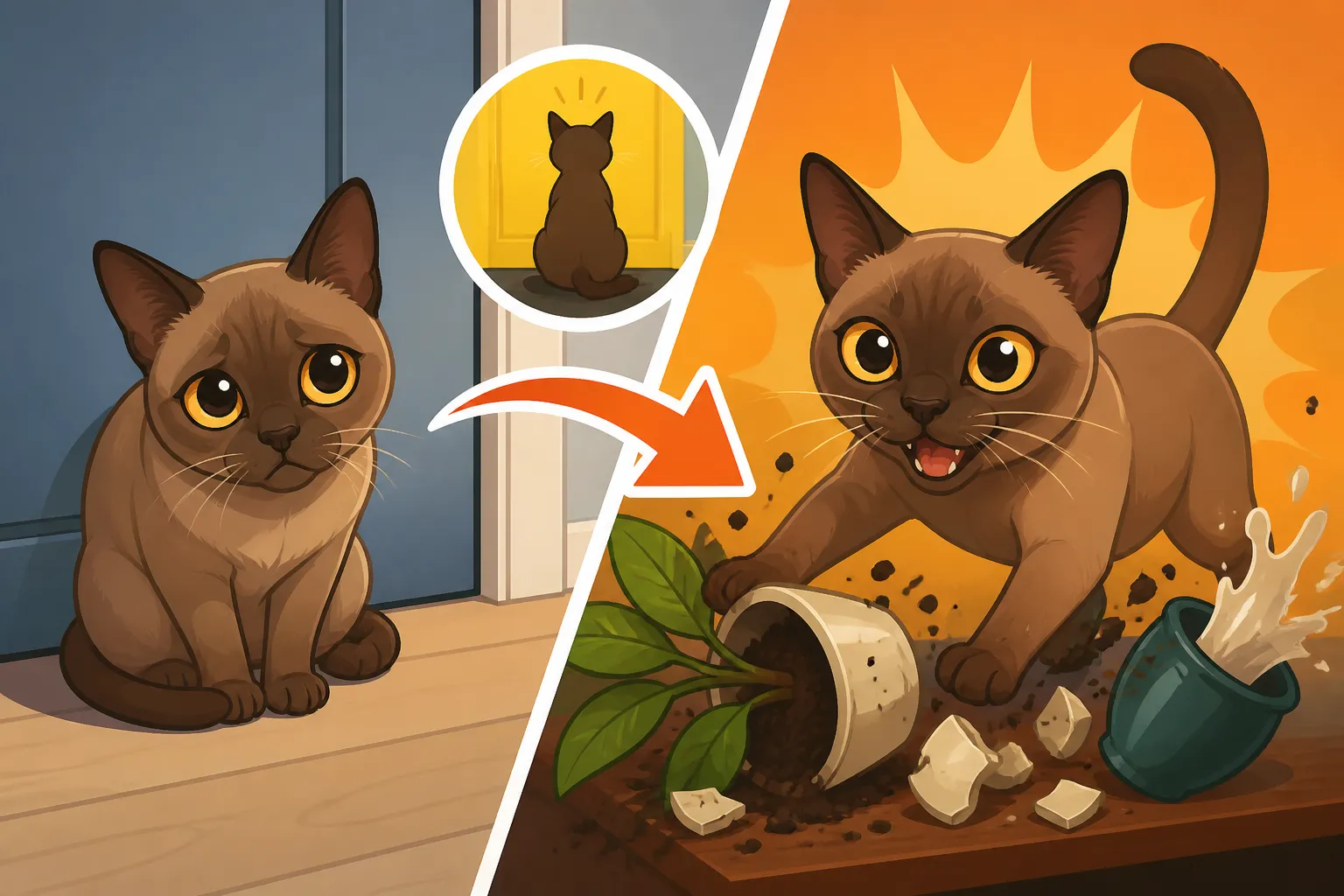
This constant shadowing, while endearing, highlights their dependence. When you leave the house, this behavior doesn't simply disappear; it translates into profound anxiety. They don't understand why their human is suddenly gone, and their innate desire to be near you becomes a source of extreme stress. They might sit by the door, waiting, or pace the halls, utterly lost without their anchor. This isn't just a cat who likes company; it's a cat who thrives on constant physical and emotional connection. For them, being left alone goes against their very nature, and they simply don't have the coping mechanisms to deal with prolonged solitude in the same way a more aloof cat might.
Destructive Behaviors Born of Anxiety
When a highly social and intelligent cat like a Burmese is subjected to prolonged loneliness, they often channel their distress into behaviors that can be destructive to your home and upsetting for you. These aren't acts of malice; they are frantic attempts to self-soothe, cope with anxiety, or even protest their abandonment. It's vital to understand that your Burmese isn't being "naughty" – they are expressing a deep-seated unhappiness.
The Urge to Shred and Destruct
One of the most frustrating and often expensive consequences of leaving a Burmese alone too long is their tendency to become destructive. This can manifest as fabric chewing, which might target anything from your favorite sweater to blankets, curtains, or even upholstery. You might come home to find shredded toilet paper trails or claw marks on furniture they usually ignore. Why a Lonely Burmese Chews Fabric is often a direct result of anxiety, a displacement behavior to release pent-up stress and frustration. It's similar to how some people chew their nails or tap their foot when nervous.
They might focus on items that carry your scent, attempting to find comfort in something that reminds them of you, even if the action itself is damaging. A Burmese needs mental stimulation and physical affection. Without it, their intelligent minds will find other, less desirable, outlets. This isn't about boredom in the way a cat might knock things off a shelf for attention; it's a genuine anxiety response. These behaviors can be a shocking discovery for owners who believed their cat was simply "sleeping all day."
House Soiling as a Cry for Help
Perhaps one of the most upsetting behaviors for any cat owner is inappropriate urination or defecation outside the litter box. For a Burmese, this is almost never an act of spite, but a profound indicator of severe stress or protest against their living situation. Cats are inherently clean animals, and a lapse in litter box habits signals that something is deeply wrong. When a Burmese is lonely, they might choose to eliminate on your bed, your laundry pile, or even right in front of the door you left through.
The significance of where they choose to soil cannot be overstated. By targeting items that smell strongly of you, or places where you spend a lot of time, they are making a desperate plea for attention and expressing their distress directly related to your absence. This isn't a problem with the litter box itself; it's a symptom of overwhelming emotional turmoil. Why an Anxious Burmese Sprays can be heartbreaking to discover, but it's crucial to approach it with empathy rather than anger, as punishment will only escalate their anxiety and worsen the problem. A vet visit to rule out urinary tract infections or other medical issues is always the first step, but once clear, consider the psychological factors at play.
Why a Lonely Burmese Pulls Its Satin Coat Out
The Burmese possesses a famously short, satin-like coat that requires minimal grooming from their human companions. It's one of their distinguishing features, feeling incredibly soft and lying close to their muscular bodies. However, a Burmese suffering from extreme loneliness or separation anxiety might resort to over-grooming, often to the point of pulling out their own fur, a condition known as psychogenic alopecia. You might notice bald patches, thinning fur, or areas of skin irritation, typically on their belly, inner thighs, or flanks.
This behavior is a self-soothing mechanism, much like a child sucking their thumb. The act of licking releases endorphins, providing a temporary sense of calm in the face of overwhelming stress. It’s a tragic sight to see, as their beautiful coat is marred by their unhappiness. This is far beyond normal grooming; it’s compulsive, excessive, and driven by anxiety. If you notice your Burmese losing patches of fur, especially in these common areas, and your vet has ruled out fleas, allergies, or other medical causes, it's a strong indicator that emotional distress, likely due to loneliness, is at play. Why an Anxious Burmese Pulls Its Own Fur Out is a clear sign that your cat needs intervention and more consistent companionship.
Subtle Signs of Inner Turmoil
Beyond the overt destructive behaviors, a lonely Burmese might exhibit more subtle changes that are easy to overlook if you're not attuned to their particular personality. These quieter signs are still important indicators of distress and should not be dismissed as minor quirks.
Changes in Eating and Drinking Habits
A Burmese is generally known for a healthy appetite – some might even say a very healthy appetite! They often love their food and will remind you vociferously when it's mealtime. So, when a Burmese experiences significant stress due to loneliness, their eating habits can change dramatically. Some might completely lose their appetite, refusing to eat while you're away, only to gorge themselves when you return. This intermittent fasting can be detrimental to their health, especially given that Why Portion Control Is Medical Care in a Burmese due to their predisposition to diabetes.
Conversely, some anxious Burmese might engage in stress-eating, consuming food quickly or excessively as a coping mechanism. This can lead to rapid weight gain, further increasing their diabetes risk. Observing your cat's relationship with food, particularly if you use a timed feeder or have another cat, can offer clues. It's also crucial to track their water intake. An increase in drinking could be a sign of kidney issues or, more relevant for Burmese, an early warning sign of diabetes. Why a Burmese Drinking More Needs Testing That Week is crucial, but also consider if increased thirst is a response to stress or underlying anxiety, potentially mimicking early diabetes symptoms. Keeping track of how much wet food you put down and how much is left is a good indicator.
Becoming Withdrawn or Overly Needy
When you finally return home after a long absence, how does your Burmese greet you? For a truly lonely cat, the greeting might be far from the enthusiastic welcome you expect. Some Burmese, overwhelmed by the stress of solitude, might become withdrawn, hiding or remaining aloof for a period even after you've returned. They might retreat under the bed or into a closet, appearing disoriented or even resentful. This isn't typical for such an affectionate breed and is a clear indicator that their emotional well-being has suffered.
On the other hand, some lonely Burmese might exhibit extreme clinginess upon your return. They might refuse to leave your side, demanding constant petting, purring incessantly, and trying to climb onto your shoulder, where How Long a Burmese Will Ride on a Shoulder. This over-the-top neediness is a frantic attempt to reconnect and reassure themselves that you haven't truly left them for good. They might follow you even more intently than usual, crying out if you step into another room. While this might seem endearing at first glance, it's an amplified version of their normal affection, signaling a deeper underlying anxiety. Observing these shifts in behavior upon your arrival can provide significant insight into their experience while you were gone. Why a Burmese That Stops Following You Is Unwell is a critical insight, as any deviation from their shadow-like behavior is a red flag.
The Physical Toll of Chronic Stress
It's not just behavioral issues that arise from prolonged loneliness in a Burmese. Chronic stress and anxiety can have very real, detrimental impacts on their physical health, weakening their immune system and potentially exacerbating existing health predispositions. Your cat's mental state is deeply intertwined with their physical well-being.
Increased Susceptibility to Illness
Just like in humans, chronic stress can suppress a cat's immune system. When a Burmese is consistently anxious due to loneliness, their body is constantly in a heightened state of alert, releasing stress hormones that, over time, can make them more vulnerable to infections and illnesses. This isn't just about feeling sad; it's about a physiological response that compromises their body's defenses.
While Burmese are generally a robust breed, they do have certain breed-specific health concerns, such as Which Diseases the Burmese Actually Carries, and chronic stress can potentially make them more susceptible or worsen symptoms. A stressed immune system might mean they take longer to recover from minor ailments, or that common issues become more severe. If your Burmese seems to be frequently unwell, or takes a long time to bounce back, and your vet can't pinpoint a specific cause, considering their emotional environment is a crucial step. A vet check is always the first port of call if you notice any changes in their health or behavior, as a Why a Withdrawn Burmese Should See a Vet That Day could be masking something physical or simply be an expression of profound distress.
Why a Burmese's Appetite Goes When It Is Unhappy
We touched on appetite changes earlier, but it's worth re-emphasizing the physiological impact of stress on a Burmese's eating habits. When a cat is under significant stress, their fight-or-flight response kicks in. This primal reaction diverts blood flow away from non-essential functions like digestion and towards muscles, preparing the body for an emergency. The result? A suppressed appetite.
For a cat, especially a Burmese, refusing to eat for extended periods can be dangerous. Cats are not designed to fast, and even a couple of days without food can lead to a serious liver condition called hepatic lipidosis (fatty liver disease). This condition is life-threatening and requires intensive veterinary care. So, while you might think your cat is just "stubborn" or "picky" about food, a genuine and prolonged loss of appetite due to loneliness is a medical emergency waiting to happen. It's a clear illustration that the emotional distress caused by your absence has a direct and severe impact on their physical health. Regular How to Weigh a Burmese Accurately at Home is critical for monitoring this.
Preventing Loneliness and Anxiety
Understanding the signs of loneliness in your Burmese is the first step; the next is proactively preventing it. Since the Burmese is fundamentally a companion animal, preventing loneliness often comes down to providing the constant interaction they crave.
The Power of a Companion Cat
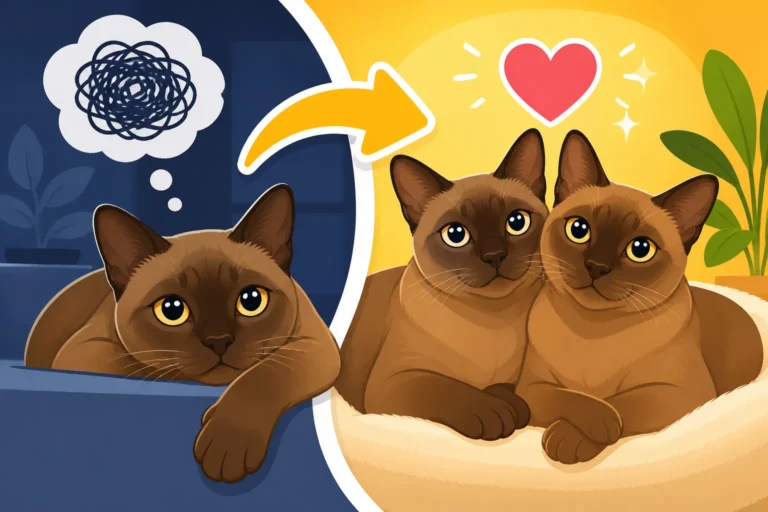
Without a doubt, the single most effective way to prevent loneliness and separation anxiety in a Burmese is to provide them with a companion cat. Burmese breeders often Why Burmese Breeders Sell Them in Pairs for this very reason. These cats thrive on social interaction, and if their human isn't constantly available, another cat can fill that void beautifully. Two Burmese, or a Burmese and another equally social breed, will entertain each other, groom each other, and provide constant comfort.
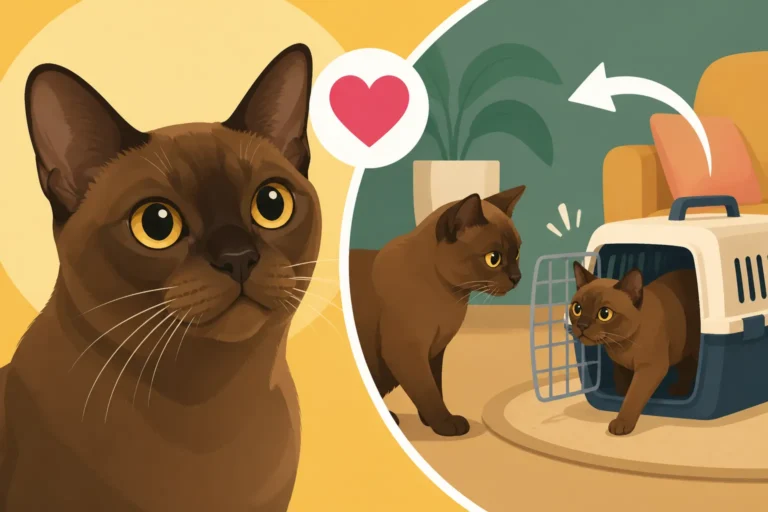
They will play together, curl up for naps, and generally keep each other company, greatly reducing the stress of your absence. Many owners report that Why Two Burmese Cost Less Than One Anxious One in the long run, as the costs of behavioral issues and vet visits for stress-induced illnesses far outweigh the additional food and litter for a second cat. This isn't just anecdotal; it's a widely accepted truth among Burmese enthusiasts. Introducing a second kitten, ideally at the same time or when the first is still young, can create an unbreakable bond that will serve them well throughout their lives, making your home a happier, more peaceful place for everyone. Consider Bringing Home the Second Cat a Burmese Needs carefully for the best outcome.
Enrichment and Routine
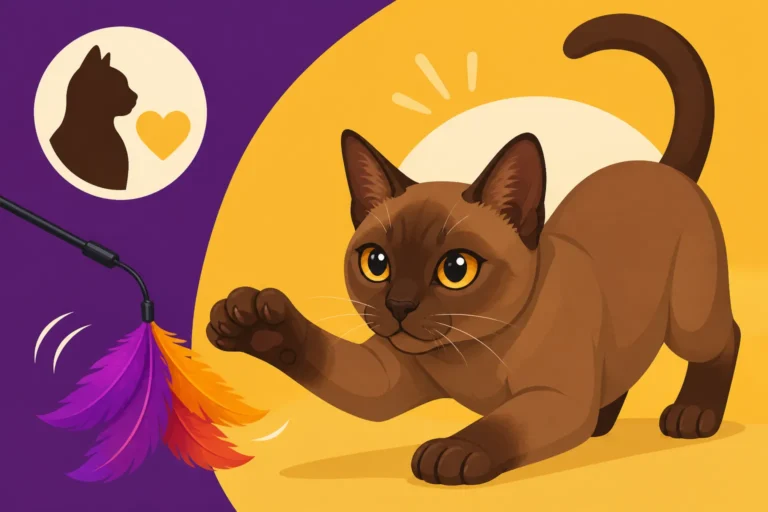
While a companion cat is the gold standard, there are other strategies to help alleviate boredom and mild anxiety. Environmental enrichment is key. Provide plenty of vertical spaces for climbing, like cat trees or shelves, which can be found on sites like Amazon. Puzzle feeders are also excellent for engaging their intelligent minds and slowing down their eating, which is beneficial for a breed prone to diabetes. You can find a wide variety of interactive toys on Amazon that can keep them mentally stimulated. Look for toys that mimic prey, like wand toys or toys that dispense treats when manipulated.
Beyond toys, establishing a consistent routine is incredibly important for a Burmese. Cats thrive on predictability, and the Burmese especially so. Feed them at the same times each day, play with them actively before you leave and when you return, and dedicate specific blocks of time for cuddles. Even if you're only home for an hour in the morning, make it a meaningful hour. Consider placing a bird feeder outside a window for them to watch, or leaving a cat-friendly movie on TV. While these are not substitutes for companionship, they can provide distractions and a sense of routine.
What to Do When You Suspect Loneliness
If you're reading this and recognizing some of these signs in your own Burmese, don't despair. There are steps you can take to address their loneliness and help them lead a happier, more fulfilled life. The key is to act quickly and compassionately.
Consulting Your Veterinarian
Anytime a cat exhibits significant behavioral changes, especially those involving appetite, litter box habits, or self-grooming, the very first step is always a thorough veterinary check-up. Many medical conditions can manifest as behavioral issues, and it's absolutely crucial to rule out any underlying physical problems before assuming the cause is purely emotional. Your vet will perform a full physical examination, and potentially blood work to check for issues like urinary tract infections, kidney disease, or hyperthyroidism, all of which can cause similar symptoms.
Be completely honest with your vet about your Burmese's living situation, how long they are left alone, and any specific behaviors you've observed. Once medical causes have been ruled out, your vet can then help you explore behavioral solutions. They might also suggest specific diets or supplements that could aid in reducing anxiety, or even mild anti-anxiety medications in severe cases, as part of a broader behavioral plan. They can also offer advice on Which Blood Panel a Burmese Should Have Yearly to keep on top of their general health.
Behavioral Consultation and Management
Once medical issues are off the table, working with a certified feline behaviorist can be incredibly beneficial. These professionals specialize in understanding cat behavior and can help you create a tailored plan to address your Burmese's separation anxiety or loneliness. They can teach you strategies for gradual desensitization to your departures, introduce specific enrichment techniques, and help you understand your cat's communication cues.
Management techniques might include the use of pheromone diffusers, which release synthetic feline facial pheromones that can have a calming effect – many popular brands are readily available on Amazon. Anxiety wraps or thunder shirts, also available on Amazon, might provide some cats with a sense of security, much like swaddling a baby. It's also about adjusting your own habits. Can you arrange for a trusted pet sitter to visit during the day, or perhaps even a family member or friend to provide some companionship? If a second cat isn't feasible, consistent, high-quality interaction when you are home is paramount. Remember, patience and consistency are key. It took time for your Burmese to develop these anxieties, and it will take time to help them feel secure again.
Understanding the Lonely Burmese: A Summary of Behaviors
To help you quickly identify if your Burmese might be struggling with loneliness or separation anxiety, here's a summary of common behaviors:
| Behavior Category | Specific Behaviors | Underlying Reason (for Burmese) |
|---|---|---|
| Vocalizations | Excessive, plaintive, or desperate crying/yowling | Profound distress, seeking companionship, fear of abandonment |
| Destructive Acts | Fabric chewing, furniture scratching, shredding | Anxiety relief, displacement behavior, frustration, seeking comfort |
| Inappropriate Toileting | Urinating/defecating outside litter box | Extreme stress, protest, medical issue (rule out first) |
| Over-grooming | Licking/pulling fur, bald patches (alopecia) | Self-soothing mechanism for anxiety, stress relief |
| Appetite Changes | Refusal to eat, stress-eating, increased drinking | Stress response, anxiety, potentially mimicking illness |
| Changes in Greeting | Withdrawn, hiding, or overly clingy upon return | Disorientation, resentment, or desperate need for reassurance |
| Shadowing | Following you more intensely, crying if you leave | Heightened anxiety about potential future abandonment |
Disclaimer
This article is for general informational purposes only and does not constitute professional advice. Laws, prices and regulations vary by location and change over time. Consult a qualified professional for guidance on your specific situation.