Why a Burmese Drinking More Needs Testing That Week
It’s a heart-stopping moment for any Burmese owner: you notice your beloved companion making more trips to the water bowl, drinking with an intensity that seems unusual. This sudden increase in thirst isn't just a quirky new habit; it's a critical warning sign that your Burmese needs prompt veterinary attention. This guide will delve into why excessive drinking is such a red flag for this particular breed and what steps you need to take immediately to protect their health.
The Alarming Truth About Increased Thirst in Burmese Cats
As deeply affectionate and communicative as Burmese cats are, they also have a subtle way of telling us something is wrong. When it comes to water intake, a noticeable increase – what vets call polydipsia – is one of those signs that absolutely cannot be ignored. For Burmese cats, this isn't just a vague symptom; it's often a direct alarm bell for serious, breed-specific health concerns.
Why Normal Thirst is Different from Excessive Thirst Polydipsia
You know your cat best. You see them drink a little after playing vigorously, or perhaps they’re drawn to a fresh bowl of water you just put down. That’s normal. But polydipsia is different. It’s when your Burmese seems obsessed with water, returning to the bowl far more frequently than usual, drinking larger quantities, or even trying to drink from unusual places like the shower or a dripping faucet. It’s not just a passing phase; it’s a sustained change in behavior that signals an internal imbalance.
Think of it like this: if you suddenly found yourself parched all the time, constantly reaching for water, you’d know something was off with you. The same applies to your furry family member. It’s not just about the volume; it’s about the insistence and the frequency. This often goes hand-in-hand with increased urination (polyuria) because what goes in must come out. You might notice more frequent litter box changes, larger clumps of litter, or even accidents outside the box. These two symptoms, polydipsia and polyuria, are often intertwined and highly indicative of underlying health issues that demand a swift response.
The Burmese Predisposition: Why They're Especially Vulnerable
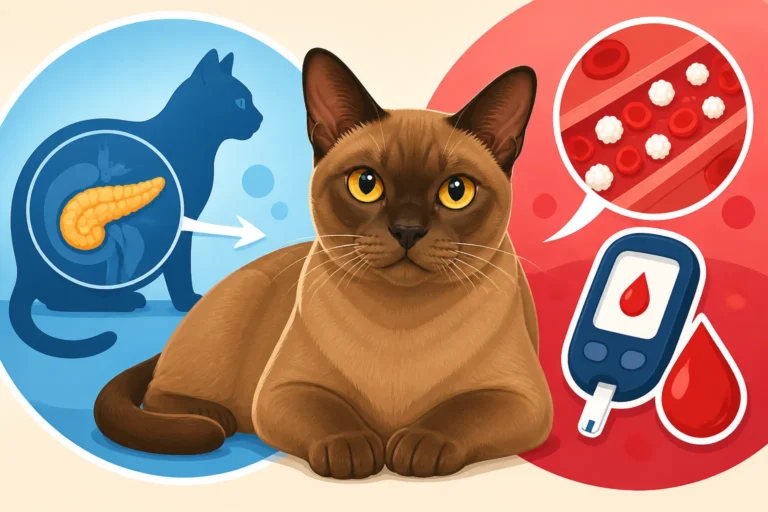
The reason we get particularly concerned about increased drinking in Burmese cats is because of their unique genetic makeup and predisposition to certain conditions. Unlike many other breeds, Burmese cats have a well-documented, significantly higher risk of developing specific diseases that directly cause excessive thirst. This isn’t just anecdotal; scientific studies have highlighted their genetic vulnerabilities. For instance, did you know that The Burmese Has the Highest Diabetes Rate of Any Cat Breed? This isn't something to take lightly.
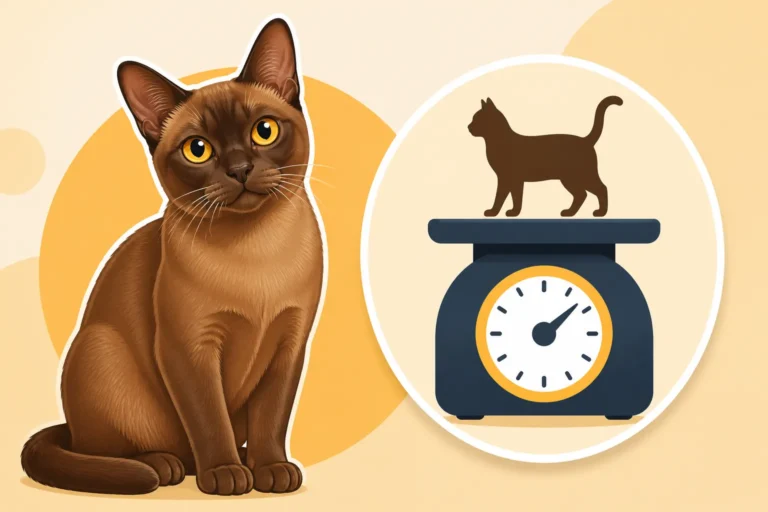
Their predisposition means that a symptom that might be a mild concern in another cat breed becomes a screaming siren for a Burmese. It’s a sad reality, but being aware of this breed-specific vulnerability is the first step in ensuring a long and healthy life for your cat. This also ties into how incredibly important it is to keep a close eye on their weight and diet, as Why Weight Is the Only Lever a Burmese Owner Has in managing conditions like diabetes. Understanding these inherent risks allows you to be a more vigilant and effective advocate for your Burmese's health, making sure you catch these critical signs early.
Unpacking the Potential Causes: Beyond Just Being Thirsty
When your Burmese starts drinking more, it’s rarely just because they’re a bit thirsty. There are a few primary health culprits that immediately spring to mind for veterinarians, especially given the breed’s specific genetic predispositions. Knowing these can help you understand the urgency and what your vet will be looking for.
Diabetes Mellitus: The Number One Suspect
Without a doubt, diabetes mellitus is often the first concern for a Burmese cat showing increased thirst and urination. The breed is genetically predisposed to this condition, with some lines being four times more likely to develop it. It’s a heartbreaking reality, but early detection makes a world of difference. You might wonder, How Many Burmese Become Diabetic in a Lifetime? The numbers are significant, making this symptom a true emergency.
What happens in diabetes is that the body either doesn't produce enough insulin or can't use it effectively, leading to high blood sugar levels. When blood sugar gets too high, the kidneys try to flush out the excess sugar through urine, dragging a lot of water with it. This leads to increased urination, which in turn causes increased thirst as the cat tries to rehydrate. Other signs to watch for include unexplained weight loss despite a good appetite, and sometimes, a duller coat. Catching these early, especially if your cat is At What Age a Burmese Usually Turns Diabetic, is paramount. A particularly high-risk group? Why a Neutered Male Burmese Is Highest Risk is a factor that further elevates concern. This is why if your Burmese is showing these signs, you need to get them to the vet this week, not next.
Kidney Disease: A Silent Threat, Especially in Older Burmese
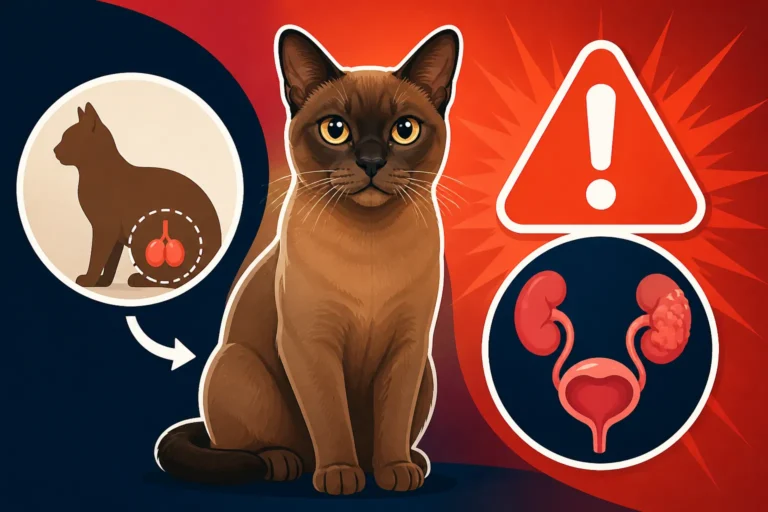
While diabetes often takes the spotlight for Burmese, kidney disease is another serious contender, especially as your feline friend ages. The kidneys are vital organs that filter waste products from the blood and help maintain hydration. When they start to fail, they can't concentrate urine properly, meaning the cat produces dilute urine and loses too much fluid. This then triggers increased thirst to compensate for the fluid loss.
Kidney disease can be insidious because cats are masters at hiding illness, and early signs can be very subtle. Besides increased drinking and urinating, you might notice a subtle decrease in appetite, lethargy, or a duller coat. These changes can be mistaken for normal aging, but they are far from it. If your Burmese is getting on in years, perhaps Caring for a Burmese Past Twelve, then increased thirst absolutely warrants a comprehensive check-up. The sooner kidney issues are identified, the more effective management strategies can be implemented, from dietary changes to specific medications, potentially extending your cat's comfortable lifespan.
Hyperthyroidism: A Metabolic Overdrive
Hyperthyroidism is a common hormonal disorder in older cats, usually caused by a benign tumor on the thyroid gland that produces excessive thyroid hormones. These hormones crank up the body's metabolism, affecting nearly every organ system. While not as uniquely prevalent in Burmese as diabetes, it’s still a significant concern, especially if you notice your older Burmese starting to drink more.
The symptoms of hyperthyroidism can be quite varied and often mimic other conditions. Besides increased thirst, you might observe a ravenous appetite paired with weight loss, hyperactivity or restlessness, a greasy or unkempt coat, and sometimes vomiting or diarrhea. Because the symptoms can be vague, it's crucial to consider this possibility when evaluating an older Burmese with increased thirst. Early diagnosis and treatment, which can involve medication, radioactive iodine therapy, or surgery, can significantly improve your cat's quality of life and prognosis. The bottom line is, Why Hyperthyroidism Catches an Older Burmese often, so it's a condition that vets will carefully screen for.
Your Vet Visit: What to Expect and How to Prepare
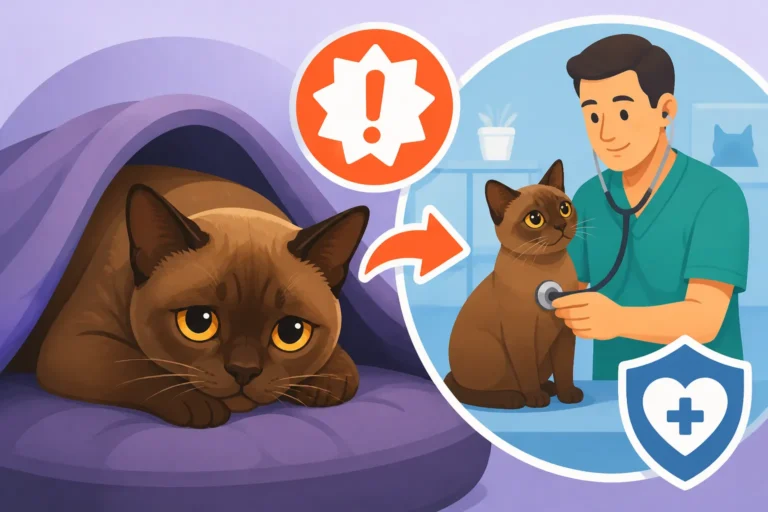
Discovering your Burmese is drinking more is naturally unsettling. The good news is that by recognizing this symptom early, you’re already on the right track. Your next step is an immediate vet visit. Preparing yourself for what the vet will do can ease some of the anxiety.
The Initial Examination and Diagnostic Tests
When you arrive at the clinic, be ready to provide a detailed history of your cat's symptoms. The vet will want to know when you first noticed the increased drinking, if there are any other changes (like increased urination, changes in appetite or weight, or behavioral shifts), and your cat's general routine. Remember, Why a Burmese Hides Illness Behind Its Affection so be specific about even the smallest changes.
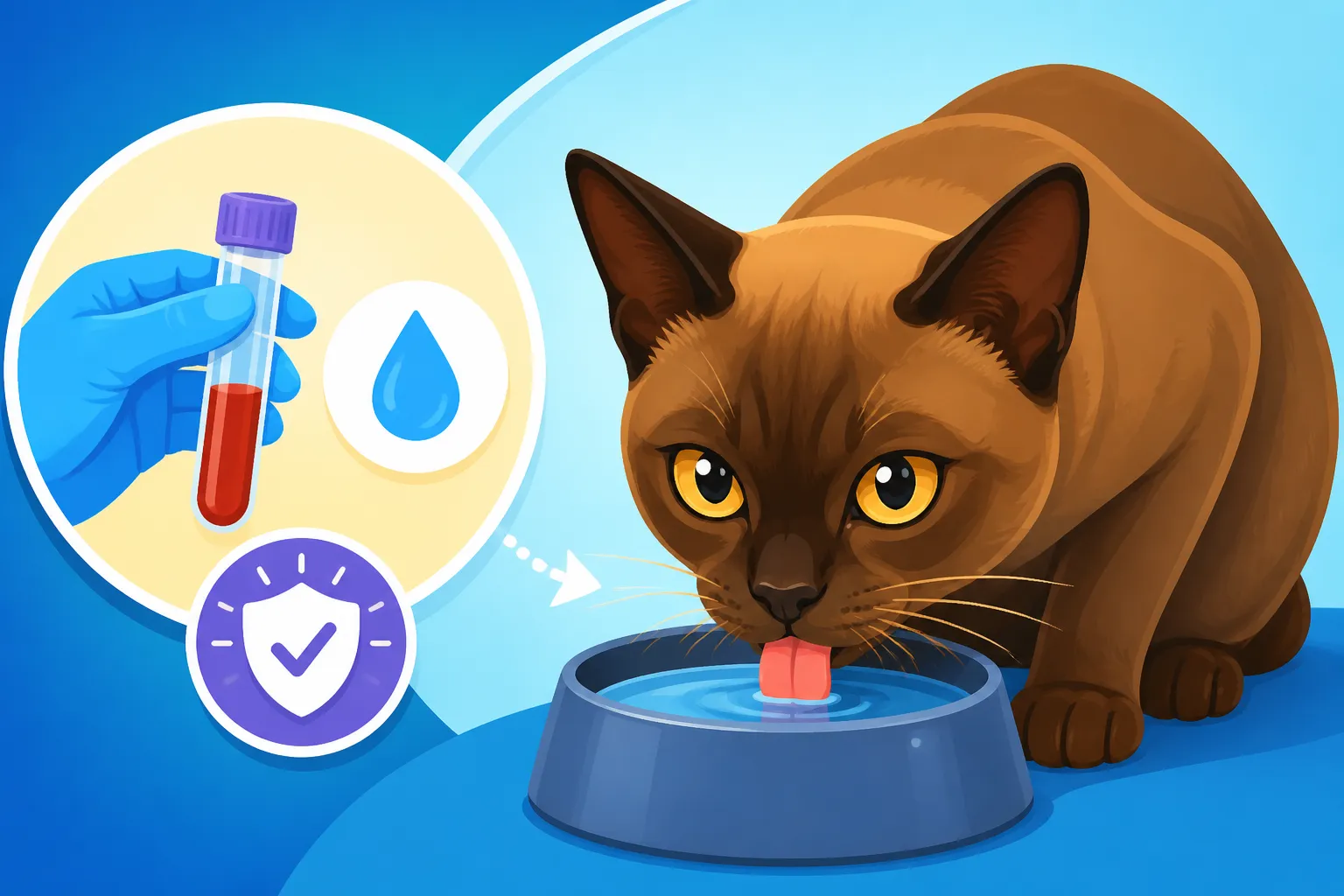
The physical exam will be thorough. Your vet will palpate your cat's abdomen to check kidneys, feel for any masses, listen to their heart, and assess their overall body condition. Given the Burmese predisposition, a critical part of the diagnostic process will be blood and urine tests. These are essential for narrowing down the cause.
- Blood tests: A complete blood count (CBC) and a biochemistry panel will be performed. The biochemistry panel is particularly important as it measures things like glucose (for diabetes), kidney values (BUN, creatinine, phosphorus), liver enzymes, and electrolytes. They might also run a specific thyroid hormone test (T4) if hyperthyroidism is suspected, especially in older cats. This is why Which Blood Panel a Burmese Should Have Yearly often includes a glucose check, particularly from a certain age.
- Urinalysis: A urine sample will be checked for specific gravity (how concentrated the urine is), presence of glucose, protein, and signs of infection. If your Burmese is producing very dilute urine, it points strongly to kidney issues or diabetes.
Knowing How a Vet Confirms Diabetes in a Burmese often involves these tests, sometimes followed by a fructosamine test to get a longer-term picture of blood sugar control. Getting your cat to sit still for these tests can be a challenge, but remember that the compassionate handling from the vet team, coupled with your presence, can make a huge difference.
Understanding the Results and Next Steps
Once the diagnostic tests are back, your vet will review them with you. This is where you’ll start to get answers.
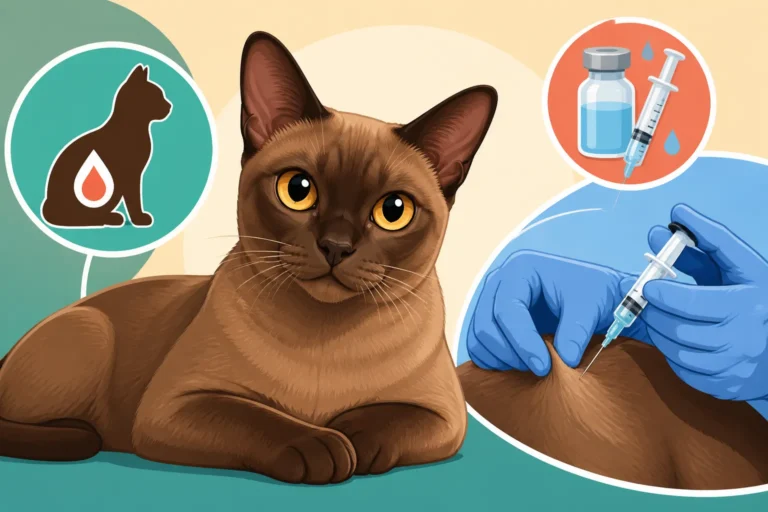
- If diabetes is diagnosed: The primary goal will be to stabilize blood sugar levels. This usually involves insulin injections, which you’ll learn to administer at home, and a strict dietary change. Which Diet Puts a Burmese Into Remission often focuses on low-carbohydrate, high-protein wet food. Consistency in feeding times and insulin administration is crucial. Your vet will explain monitoring protocols, which might include home glucose monitoring or regular vet checks. It can feel overwhelming at first, but with a bit of practice, it becomes part of your routine.
- If kidney disease is diagnosed: The focus shifts to managing the disease and slowing its progression. This involves a special renal diet that is lower in protein and phosphorus, increasing water intake (which you're already monitoring!), and sometimes medications to support kidney function or manage symptoms like nausea. Regular follow-up blood and urine tests will be necessary to track progress.
- If hyperthyroidism is diagnosed: Treatment options include daily oral medication to control thyroid hormone production, a prescription iodine-restricted diet, or more definitive treatments like radioactive iodine therapy or surgery. Your vet will discuss the best path forward for your cat based on their health status and your family's circumstances.
No matter the diagnosis, remember that you are your cat's best advocate. Don't hesitate to ask questions, no matter how small. Your vet is there to guide you through this, and together, you can create the best possible care plan for your beloved Burmese. Having a pet insurance plan like those offered by Healthy Paws can be incredibly beneficial here, as unexpected chronic conditions can lead to significant ongoing costs.
Proactive Care and Long-Term Management
Once you've identified and started treating the cause of your Burmese's increased thirst, the journey doesn't end there. Long-term management and proactive care are crucial for maintaining their quality of life and preventing further complications. This is where your daily dedication truly shines.
Dietary Management and Weight Control
For Burmese cats, diet isn't just about nutrition; it's a powerful medical tool, especially given their predisposition to diabetes. This is why Feeding a Burmese Is a Medical Decision, Not a Preference. A low-carbohydrate, high-protein wet food diet is often recommended, particularly for cats at risk of or already diagnosed with diabetes. This helps stabilize blood sugar levels and supports their lean muscle mass.
Portion control is equally vital. Free-feeding dry kibble, especially high-carbohydrate varieties, is a recipe for disaster for a Burmese. Instead, measured meals, often twice a day, help manage calorie intake and prevent weight gain. Remember, Why Portion Control Is Medical Care in a Burmese because excess weight dramatically increases their diabetes risk. Even for conditions like kidney disease, specific prescription diets play a crucial role in managing the disease and supporting organ function. Working closely with your vet to establish the right diet and portion size for your individual cat's needs is non-negotiable.
Regular Veterinary Check-ups and Monitoring
Even after a diagnosis and treatment plan are in place, consistent veterinary oversight is paramount. Regular check-ups allow your vet to monitor your cat's progress, adjust medications or diet as needed, and catch any new issues before they become serious. For a Burmese, this often means specific tests that aren’t just standard for other breeds.
For example, Why a Burmese's Glucose Should Be Checked From Seven years old, even if they show no symptoms, due to their high diabetes risk. These routine checks might include blood glucose monitoring, fructosamine tests for diabetic cats, kidney function tests, and thyroid panels. Your vet might also recommend regular body condition scoring to ensure your cat maintains an ideal weight. Keep a log of your cat's water intake, urination frequency, appetite, and energy levels between visits. This detailed information is invaluable to your vet. Investing in a good pet insurance policy, such as one from Healthy Paws, before any conditions develop can provide peace of mind by covering a significant portion of these ongoing diagnostic tests, medications, and specialized foods, ensuring your Burmese gets the best possible care throughout their life.
| Symptom / Condition | Diabetes Mellitus | Kidney Disease | Hyperthyroidism |
|---|---|---|---|
| Increased Thirst | High | High | Moderate |
| Increased Urination | High | High | Moderate |
| Weight Loss | Yes (often with increased appetite) | Yes (often with decreased appetite) | Yes (often with ravenous appetite) |
| Appetite Change | Increased | Decreased/Variable | Increased |
| Lethargy | Variable | Yes | Variable (can be hyperactive) |
| Coat Changes | Dull/Poor quality | Dull/Poor quality | Greasy/Unkempt |
| Vomiting/Diarrhea | Sometimes | Yes | Sometimes |
| Typical Age of Onset | Middle-aged to senior | Senior | Senior |
Remember, your consistent observation, coupled with proactive veterinary care and appropriate dietary choices, forms the cornerstone of managing your Burmese cat’s health, helping them lead a full and vibrant life.
Disclaimer
This article is intended for informational purposes only and does not constitute veterinary advice. Always consult with a qualified veterinarian for any health concerns or before making any decisions about your pet's medical care.