What an Adult Burmese Should Weigh
It's a common dilemma for Burmese cat owners: you look at your beloved companion, and while they might seem a bit stout, you also know they’re famously dense and muscular. Judging the healthy weight of a Burmese by eye alone can be incredibly tricky, often leading to accidental overfeeding and a host of preventable health issues. This comprehensive guide will help you understand what a healthy adult Burmese should truly weigh, how to assess their body condition, and the critical steps to keep them in peak form.
Understanding the Unique Burmese Physique
The Burmese breed is renowned for its striking appearance and affectionate personality, but beneath that sleek, satin coat lies a body unlike many other cats. They are often described as "bricks wrapped in silk," a testament to their surprising heft.
The "Brick Wrapped in Silk" Reality
If you've ever picked up a Burmese, you'll immediately notice that they feel much heavier than they look. This isn't an illusion; it's a fundamental characteristic of the breed. Unlike the more slender, elegant build of a Siamese or the medium frame of many domestic shorthairs, the Burmese possesses a compact, solid, and incredibly muscular body. Their bone structure is denser, and their musculature is highly developed, which contributes significantly to their overall weight. This means that a Burmese cat who appears perfectly proportioned might actually weigh a couple of pounds more than you'd expect for a cat of similar visual size from another breed. This density is also a reason why your vet might observe that your cat is Why a Burmese Is Heavier Than It Looks compared to other breeds on the scale.
It’s easy for owners, especially those new to the breed, to misinterpret this natural heaviness. They might see a cat that Why a Muscular Burmese Is Mistaken for a Fat One and think they need to diet, or conversely, underestimate how much their cat actually weighs and inadvertently overfeed them. This unique physical characteristic means that visual assessment alone can be deeply misleading. You truly need a hands-on approach and an understanding of the breed standard to accurately judge their condition.
Distinguishing Muscle from Fat
Because of their dense musculature, simply looking at your Burmese isn't enough to determine if they're at a healthy weight. You need to get hands-on and learn How to Feel a Burmese's Ribs Under a Satin Coat. This tactile assessment is crucial for accurate body condition scoring.
To do this, gently run your hands along your Burmese's sides. You should be able to feel their ribs with slight pressure, much like feeling the knuckles on your hand when your palm is open and flat. If you can easily see the ribs without touching, your cat might be too thin. If you have to press firmly to feel them, or can't feel them at all, your Burmese is likely carrying too much weight. Similarly, when you run your hands along their spine, you should be able to feel the individual vertebrae with a little pressure, not see them jutting out, nor should they be completely hidden under a layer of fat. Look for a distinct waistline when viewed from above and a slight tuck-up in their abdomen when viewed from the side. A healthy Burmese will have these subtle curves, not a straight line from chest to tail, nor a sagging belly.
Ideal Weight Ranges for Adult Burmese Cats
While the "brick wrapped in silk" description hints at their density, it's still important to have concrete numbers and guidelines for what constitutes a healthy weight for an adult Burmese. These ranges provide a benchmark, but always remember that individual variations exist.
Average Weight Guidelines
Generally speaking, an adult male Burmese cat will typically weigh between 8 to 12 pounds (approximately 3.6 to 5.4 kg). Adult female Burmese cats tend to be a little lighter, usually falling in the range of 6 to 10 pounds (approximately 2.7 to 4.5 kg). It’s important to note that these figures can sometimes vary slightly depending on whether you have an American Burmese or a European Burmese. American Burmese tend to be more compact and rounded, while European Burmese often have a slightly more moderate, elegant build, though both types maintain that characteristic density. However, regardless of type, the core principle of their solid, muscular frame remains.
These are not strict limits, but rather a healthy spectrum. A larger framed male might naturally sit at the higher end, while a petite female might be perfectly healthy at the lower end. What matters most is that their weight is appropriate for their individual frame and that they exhibit the physical characteristics of a healthy body condition, as described in the previous section. Regular check-ups with your veterinarian, where they can accurately How to Weigh a Burmese Accurately at Home on a proper scale and assess their condition, are invaluable for confirming they are within a healthy range.
Factors Influencing a Burmese's Healthy Weight
Just like people, several factors can influence a Burmese cat's ideal weight beyond just their gender and breed type. Understanding these can help you better manage their diet and lifestyle.
Age plays a significant role; kittens are naturally lean, while older cats might lose some muscle mass or become less active, necessitating adjustments in their caloric intake. Activity level is paramount. A Burmese that is highly active, engaging in lots of play and exploration, will naturally burn more calories than a more sedentary individual. This breed is known to remain playful well into their senior years, with A Burmese Is Still Playing at Fifteen, which certainly helps in weight management. However, as they slow down, their metabolism can shift. Spaying or neutering also has a profound impact. Why a Neutered Male Burmese Is Highest Risk for weight gain is well-documented; hormonal changes after sterilization often lead to a decrease in metabolism and an increase in appetite, making them more prone to packing on the pounds. This is a critical point for owners to be aware of, as it directly impacts their long-term health, particularly regarding diabetes risk.
All these factors mean that merely adhering to a generic weight range without considering the individual cat’s circumstances isn't sufficient. Regular monitoring, adjusting food intake based on activity, and proactive veterinary care are key to helping your Burmese maintain their optimal physique throughout their life.
The Dangers of Overweight and Underweight Burmese
While a slightly chunky cat might look endearing, for a Burmese, being overweight carries significant health risks due to their predisposition to certain conditions. Being underweight can also signal underlying problems that need immediate attention.
Health Risks of Excess Weight
The Burmese breed has a well-documented genetic predisposition to developing type 2 diabetes, making weight management not just about comfort, but about life-saving preventative care. Why a Burmese Is Four Times More Likely to Become Diabetic than other breeds is a crucial fact every owner needs to understand. Even a small amount of excess weight can dramatically increase this risk. How Much Weight Raises a Burmese's Diabetes Risk is a question that veterinarians often discuss with Burmese owners, emphasizing that even a pound or two over their ideal can tip the scales toward metabolic issues.
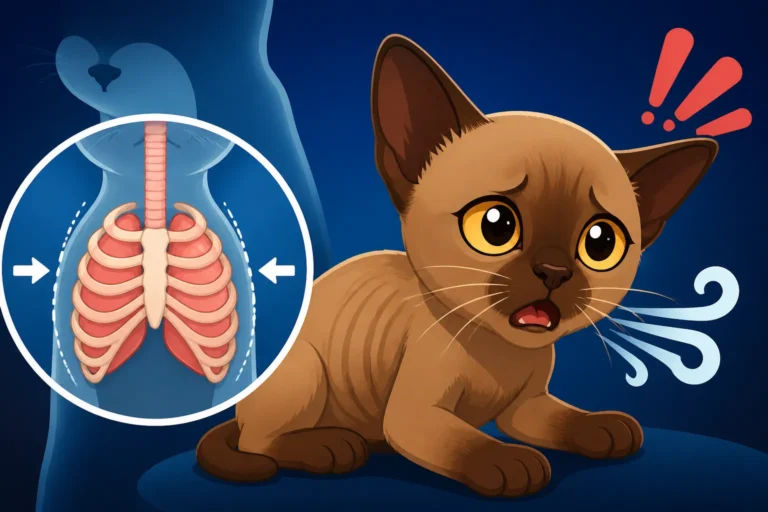
Beyond diabetes, obesity in Burmese cats leads to a host of other serious health problems. Their dense bones and muscular frame are still susceptible to increased strain on joints, leading to arthritis and reduced mobility as they age. Overweight cats are also more prone to cardiovascular issues, breathing difficulties, and fatty liver disease (hepatic lipidosis), a potentially fatal condition that can develop if an obese cat stops eating suddenly. The veterinary costs associated with managing chronic conditions like diabetes or arthritis can be substantial, making preventative care through weight management an economically smart choice, too. Many owners consider pet insurance like Healthy Paws to help manage these unexpected health challenges, but it's always best to try and prevent them in the first place.
Recognizing and Addressing Underweight Issues
While the focus often leans towards preventing obesity in Burmese cats, being underweight can be just as serious a concern, indicating potential underlying health issues. An underweight Burmese will often have ribs, spine, and hip bones that are very prominent and easily visible or felt without much pressure. Their muscle mass will appear diminished, and their coat might lack its characteristic satin sheen, looking dull or sparse. You might also notice a lack of energy, lethargy, or a decrease in their usual playful demeanor.
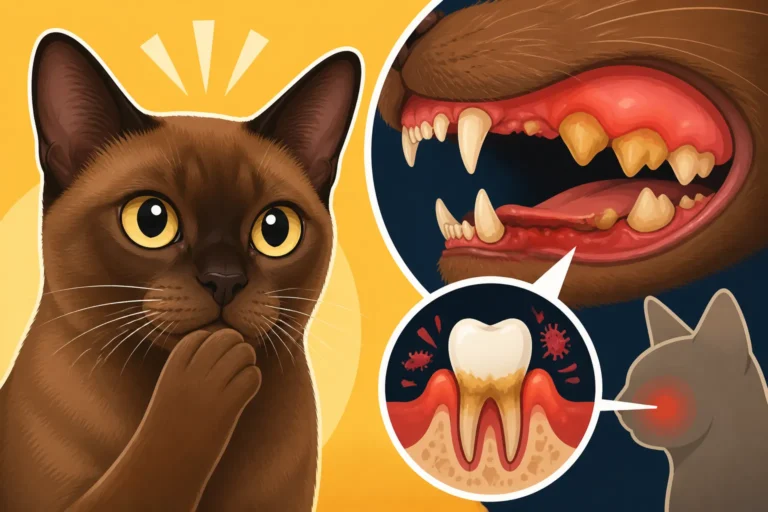
Causes for an underweight Burmese can vary widely. Dental disease, such as Why a Burmese's Gums Recede Early or tooth resorption, can make eating painful, leading to a reduced appetite. Gastrointestinal issues, hyperthyroidism (especially in older cats), kidney disease, or even certain cancers can all cause unexplained weight loss. Stress or anxiety, particularly if they're not getting enough interaction or if their environment has changed drastically, can also lead to a drop in appetite. If you notice your Burmese losing weight unexpectedly, it’s imperative to schedule a veterinary visit immediately. Your vet will conduct a thorough examination and likely recommend blood tests or other diagnostics to uncover the root cause. Addressing the underlying issue is the key to safely bringing your Burmese back to a healthy weight.
Maintaining a Healthy Weight for Your Burmese
Keeping your Burmese at their ideal weight is one of the most impactful things you can do for their long-term health and happiness. It requires a dedicated approach to diet, portion control, and ensuring they get plenty of activity.
The Critical Role of Diet and Portion Control
When it comes to feeding a Burmese, it’s not just about what they eat, but how much. Why Portion Control Is Medical Care in a Burmese cannot be overstated. Given their propensity for diabetes, every meal is an opportunity to either support their health or inadvertently nudge them towards illness. Free-feeding, where food is left out all day, is a definite no-go for this breed, as they are notorious for overeating. Instead, your Burmese should be fed two distinct, weighed meals per day.
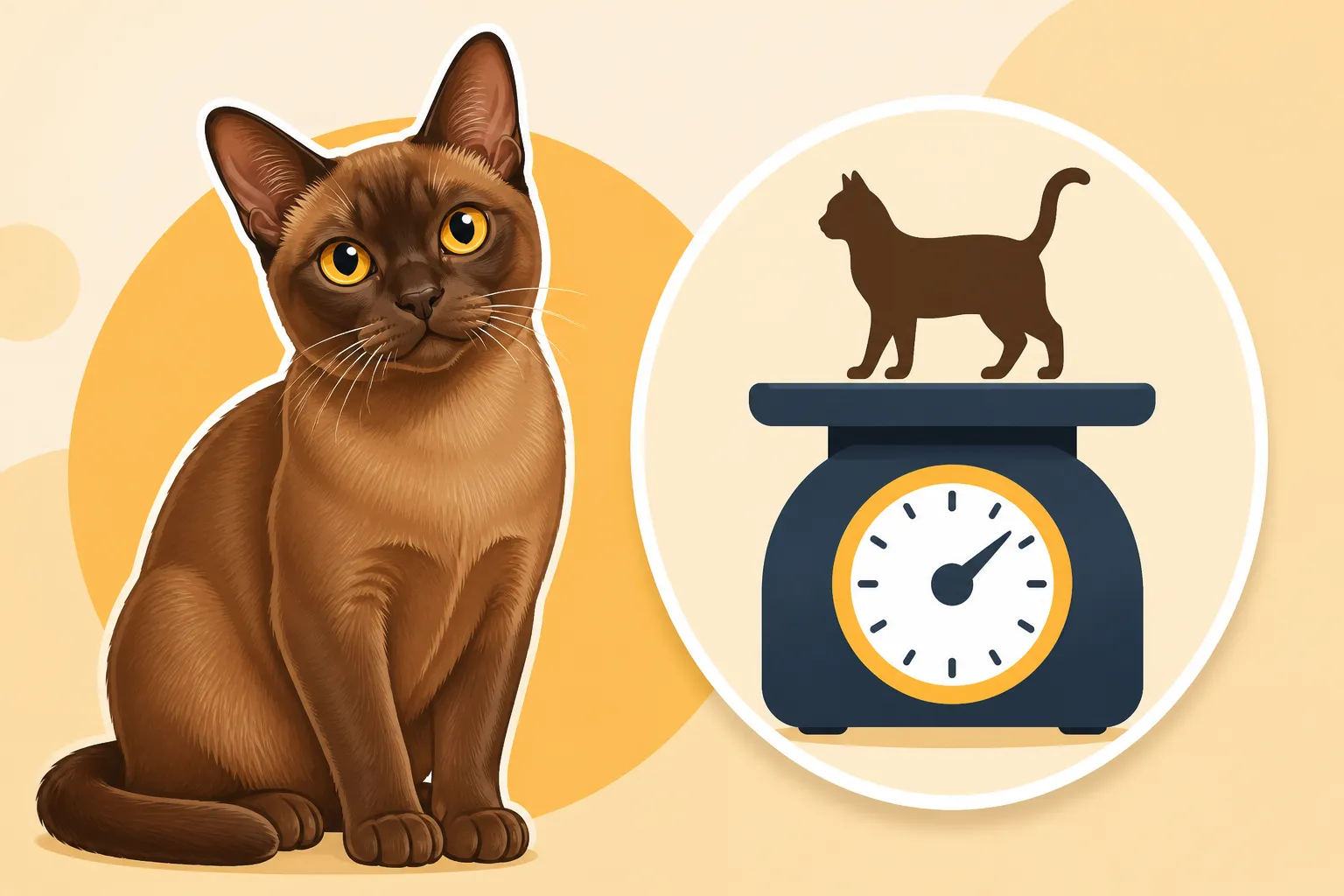
The type of food also matters immensely. A high-protein, low-carbohydrate wet food diet is generally recommended for Burmese cats. This mimics their natural carnivorous diet and helps manage blood sugar levels, reducing the risk of diabetes. Dry kibble often contains too many carbohydrates, even those marketed as "healthy." Learning to accurately How to Weigh a Burmese Accurately at Home with a kitchen scale is essential. Don't rely on measuring cups, as these can be inaccurate and lead to overfeeding. Calculate your cat's caloric needs with your vet, then weigh out the precise amount for each meal. This meticulous approach to feeding is fundamental to their metabolic health.
Encouraging Activity and Play
Despite their solid build, Burmese cats are incredibly athletic and playful, even into their senior years. This inherent energy is a valuable tool in maintaining a healthy weight. They truly are cats that are still playing at fifteen, so harness that enthusiasm! Regular, interactive play sessions are crucial for burning calories, maintaining muscle tone, and providing mental stimulation.
Dedicate at least two sessions of 10-15 minutes each day to active play. Wand toys, laser pointers (used responsibly, ending with a tangible reward), and puzzle feeders can all encourage movement. Burmese cats often enjoy games of fetch, so throwing soft balls or crinkly toys can turn exercise into a fun bonding experience. Consider climbing structures or cat trees to encourage vertical exploration. If you have two Burmese (which is often recommended, as they thrive on companionship), their mutual play can contribute significantly to their daily exercise. Remember, a bored or under-exercised Burmese is more likely to become sedentary and gain weight. Regular activity helps keep their metabolism robust and their bodies lean and strong.
Burmese Cat Weight & Condition Overview
| Condition | Weight Range (Male) | Weight Range (Female) | Key Indicators (Touch & Sight) | Health Implications |
|---|---|---|---|---|
| Healthy | 8-12 lbs | 6-10 lbs | Ribs easily felt with slight pressure, visible waist from above, abdominal tuck from side, muscular feel. | Optimal health, lower risk of chronic diseases. |
| Overweight | 12+ lbs | 10+ lbs | Ribs difficult to feel without firm pressure, no distinct waist, rounded belly, heavy feel. | Increased risk of diabetes, arthritis, heart disease, fatty liver disease. Higher vet costs. |
| Underweight | <8 lbs | <6 lbs | Ribs, spine, hip bones easily visible/prominent, noticeable loss of muscle mass, sunken abdomen, bony feel. | Potential sign of underlying illness (dental, GI, hyperthyroidism), nutritional deficiencies, weak immune system. |
Disclaimer
The information provided in this article is for general educational purposes only and is not a substitute for professional veterinary advice. Always consult with a qualified veterinarian for any health concerns or before making any decisions related to your pet's health or treatment.