Why a Burmese Is Prone to Gum Disease
There's nothing quite like the boundless affection and vibrant personality of a Burmese cat, but along with their delightful purrs and playful antics, many owners face a common, often frustrating challenge: persistent gum disease. It’s disheartening to discover your beloved companion is suffering from discomfort in their mouth, a problem that can seem to sneak up on you despite your best efforts. This comprehensive guide is here to shed light on why Burmese cats are particularly prone to gum disease and equip you with the knowledge to protect their precious smiles.
The Unique Oral Anatomy of the Burmese
The distinctive, appealing head shape of the Burmese, a hallmark of the breed, unfortunately comes with some anatomical quirks that predispose them to dental issues. It's not just bad luck; it's a design feature that requires extra vigilance from us, their devoted caregivers. Understanding these unique aspects of their oral structure is the first step in prevention.
Compact Jaws and Crowded Teeth
One of the most defining characteristics of the Burmese, particularly the American Burmese, is their relatively short, broad, and rounded skull, often referred to as a "brachycephalic" tendency, though not as extreme as some other breeds. This compact jaw structure means there’s less room in their mouth for their full set of 30 adult teeth. Imagine trying to fit all your furniture into a much smaller apartment; things are bound to get crammed! This crowding creates tight spaces where teeth are pushed closely together, or sometimes even overlap.
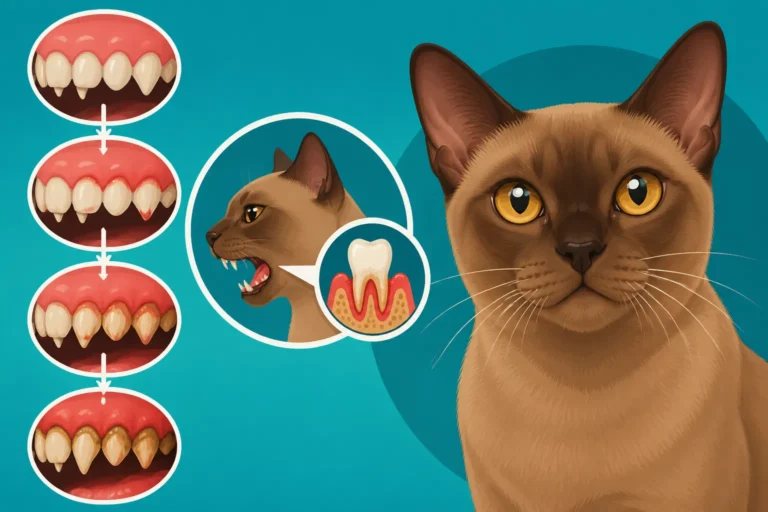
When teeth are crowded, it becomes incredibly difficult for the cat's tongue or any natural chewing action to clean the surfaces effectively. Food particles, saliva, and bacteria quickly accumulate in these tight crevices, forming plaque. If this plaque isn't removed regularly, it hardens into tartar, a calcified substance that adheres stubbornly to the tooth surface, particularly along the gumline. Tartar provides an even rougher surface for more plaque to stick to, creating a vicious cycle that rapidly accelerates gum inflammation, known as gingivitis. This crowding is one of the primary reasons why a Burmese's gums recede early, making them vulnerable to deeper periodontal pockets.
Shallow Tooth Roots
Beyond the issue of crowding, Burmese cats are also observed to have somewhat shorter and more shallow tooth roots compared to many other breeds. While seemingly a minor detail, the depth and strength of a tooth's root system are crucial for its stability in the jawbone. Strong, deep roots anchor the teeth firmly, making them more resilient to the forces of chewing and less susceptible to movement when the surrounding bone starts to deteriorate.
When roots are shallower, the teeth have less structural support. This means that as periodontal disease progresses and the supporting bone and ligaments are destroyed by chronic inflammation, the teeth can become loose much more quickly. What might take years to become problematic in another breed can accelerate in a Burmese, leading to earlier tooth mobility and ultimately, tooth loss. This inherent fragility of the tooth's anchoring system makes early and consistent dental care absolutely vital to preserve their teeth well into their senior years.
Breed-Specific Jaw Structure
The overall architecture of the Burmese jaw can also contribute to dental challenges. The angle at which their teeth sit within the jaw, combined with the compact nature of their oral cavity, can lead to uneven wear patterns or areas where specific teeth are under more stress. For instance, some Burmese might have a slight malocclusion (improper alignment of the upper and lower teeth) due to their unique skull shape. Even a minor malocclusion can mean certain teeth don't meet correctly during chewing, leading to food impaction in specific areas or abnormal pressure on others.
This breed-specific jaw structure isn't just about aesthetics; it directly impacts their ability to maintain oral hygiene naturally. It’s like having a house with a slightly crooked foundation—eventually, other problems start to appear. For a Burmese, this can mean certain teeth are perpetually exposed to higher levels of plaque buildup, becoming hotspots for gum disease development. This distinct anatomy requires us to be proactive and informed, rather than just reacting to problems as they arise.
Genetic Predisposition to Periodontal Disease
While anatomical factors are significant, there's a growing understanding that genetics play a substantial role in a Burmese cat's susceptibility to gum disease. It's not just about what you feed them or how often you brush; sometimes, their DNA has already set the stage for these challenges.
Inherited Susceptibility
Like many purebred animals, Burmese cats have a relatively small gene pool, which can concentrate certain genetic traits, both desirable and undesirable. Research in canine and human dentistry has shown clear links between specific genetic markers and an individual's propensity to develop aggressive forms of periodontal disease. While feline genetic studies in this area are still evolving, anecdotal evidence from breeders and veterinarians strongly suggests that certain Burmese lines appear to be more prone to severe gum issues than others.
This inherited susceptibility means that some Burmese cats, even with excellent home care, might develop plaque and tartar at an accelerated rate or experience a more severe inflammatory response to bacterial presence in their mouths. Their immune system might be predisposed to overreact to the bacteria, leading to more aggressive destruction of gum tissue and supporting bone. It's a cruel twist of fate for these affectionate cats, meaning prevention must start even earlier and be more diligent. For breeders, understanding which diseases the Burmese actually carries, including potential predispositions to dental issues, is crucial for responsible breeding programs.
Early Onset of Gum Issues
One of the most concerning aspects of this genetic predisposition is the early onset of gum disease in some Burmese cats. While it's common for older cats of any breed to develop some degree of dental problems, many Burmese kittens and young adults show significant signs of gingivitis and even early periodontal disease far younger than their counterparts. We're talking about cats developing noticeable tartar and red, inflamed gums by the age of two or three, sometimes even earlier.
This rapid progression is a stark reminder that dental health isn't just an "old cat problem" for the Burmese. It means owners need to be proactive from the moment they bring their kitten home. Brushing a Burmese's teeth from twelve weeks, for instance, isn't just a good habit; it's a critical intervention that can significantly delay or mitigate the impact of these inherited tendencies. Without early intervention, these young cats can quickly progress to more severe stages of dental disease, leading to pain and systemic health problems long before their time.
The Role of Inflammation
At the heart of periodontal disease is inflammation. When bacteria accumulate on teeth and gums, the body's immune system launches an attack to eliminate the threat. In a healthy response, this process controls the bacteria without causing excessive collateral damage. However, in individuals with a heightened inflammatory response or genetic predispositions, this immune reaction can become overly aggressive, leading to chronic, destructive inflammation.
In Burmese cats, this means their gums might become inflamed more easily and severely in response to plaque. The chronic inflammation doesn't just make their gums red and sore; it actively destroys the soft tissues and the underlying bone that support the teeth. This is why you often see why a Burmese's gums recede early, exposing the vulnerable tooth roots. Over time, this leads to tooth mobility, pain, and eventually, tooth loss. Managing this inflammatory response is a key part of dental care for the breed, often requiring more than just basic brushing to keep it in check.
Lifestyle and Dietary Factors that Accelerate Dental Problems
While genetics and anatomy set the stage, our daily choices in how we care for and feed our Burmese cats play a massive role in whether these predispositions manifest into full-blown dental crises. It’s where owner intervention can make the biggest difference.
The Impact of Diet Consistency
When it comes to dental health, what your Burmese eats and its consistency can either help or hinder. For years, there was a common belief that feeding dry kibble helped clean a cat's teeth. The theory was that the hard texture would scrape away plaque and tartar. While some specially formulated "dental diets" with larger, fibrous kibble can offer a modest abrasive effect on some tooth surfaces, typical dry kibble often shatters upon impact or is swallowed whole, providing little to no cleaning action for most teeth, especially in those tight, crowded areas of a Burmese's mouth.
In fact, many dry foods contain higher carbohydrate levels, which can contribute to the sugary environment in the mouth where plaque-forming bacteria thrive. For a breed already prone to gum disease and with a significant risk of diabetes (Why a Burmese Is Four Times More Likely to Become Diabetic), the benefits of low-carbohydrate wet food for overall health often outweigh any perceived dental benefits of kibble. Wet food, while providing no abrasive action, generally has fewer carbohydrates and helps keep cats better hydrated, which is beneficial for overall health. The key is to find a balance, understanding that diet alone usually isn't enough to prevent gum disease in a predisposed breed like the Burmese.
Lack of Natural Dental Abrasion
Unlike their wild ancestors who gnawed on bones and tough prey, our pampered domestic Burmese cats rarely engage in activities that naturally clean their teeth. Their diet, whether wet or dry, doesn't typically provide the necessary abrasion to remove plaque effectively. Even if you offer dental treats or chew toys, many cats, including Burmese, aren't enthusiastic chewers when it comes to hard objects specifically designed for dental hygiene. They might play with them, but not in a way that truly scrapes plaque from their molars or the tight spaces between their teeth.
This lack of natural abrasion means that plaque and tartar build up unchecked. Without mechanical removal, either through dedicated chewing or human intervention, the sticky biofilm on their teeth solidifies into tartar surprisingly quickly, especially given their genetic predisposition. This highlights the critical need for active, hands-on dental care from owners. Relying solely on diet or passive dental aids is simply not enough for a Burmese with its unique oral challenges.
The Dangers of Free Feeding
Free feeding, where food is left out all day for a cat to graze on whenever they please, is a common practice but one that can be detrimental to a Burmese's dental health, among other things. Firstly, free feeding often involves dry kibble, which we've already discussed has limited dental benefits and can contribute to carbohydrate overload. But beyond the food type, constant access to food means that a cat's mouth is almost perpetually exposed to food particles and sugars.
Every time a cat eats, the pH in their mouth shifts, and bacteria get a fresh supply of nutrients to multiply and produce acids that attack tooth enamel and contribute to plaque formation. If there's always food available, this process is ongoing throughout the day. This creates an ideal, uninterrupted environment for plaque and tartar to flourish.
Moreover, free feeding makes it impossible to accurately monitor a Burmese's appetite, which can be an early indicator of illness, including dental pain. If your Burmese is starting to experience discomfort from gingivitis, they might still graze, but with less enthusiasm, a change that can be missed if food is always available. Why Portion Control Is Medical Care in a Burmese is not just about weight management and diabetes prevention; it also extends to oral health, allowing for better monitoring of food intake and creating distinct periods between meals where the mouth can "rest" from constant bacterial activity. This is particularly important given that a Burmese is heavier than it looks, and weight gain exacerbates overall health issues, including inflammatory conditions like gum disease.
Recognizing the Signs of Gum Disease in Your Burmese
Our Burmese companions are masters at hiding discomfort. Their intensely affectionate nature means they often purr and seek attention even when in pain, making it difficult for us to detect when something is truly wrong. This stoicism is particularly true for dental issues, which can cause significant pain long before obvious signs appear.
Subtle Early Indicators
The earliest signs of gum disease in a Burmese are often incredibly subtle, easily missed by even the most attentive owner. You're not likely to see them clutching their jaw or crying out. Instead, look for more nuanced changes:
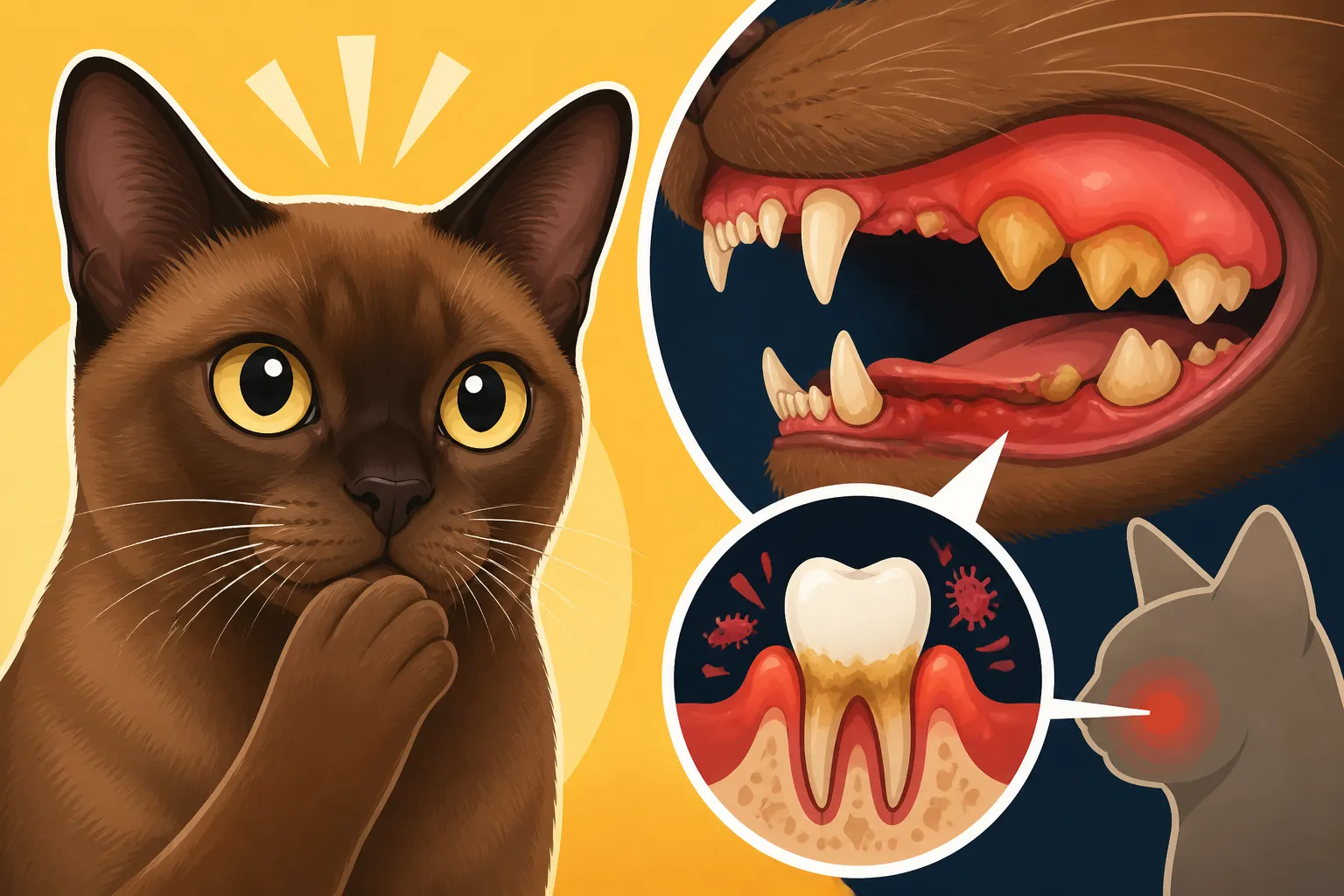
- Reddened or Swollen Gums: This is gingivitis, the first stage. The gumline might appear a darker pink or red, rather than a healthy pale pink. You might notice this especially around the premolars and molars.
- Bad Breath (Halitosis): This is perhaps the most common initial sign. While "cat breath" is rarely minty fresh, a truly foul, metallic, or putrid odor is a strong indicator of bacterial overgrowth and infection in the mouth. Don't dismiss it as just "old cat breath."
- Excessive Drooling: Some cats might start drooling more, especially if there’s pain or discomfort. You might notice damp spots on their bedding or where they sleep.
- Slight Changes in Eating Habits: They might approach their food bowl with enthusiasm but then eat more slowly, chew on one side of their mouth, or suddenly drop bits of food. If a Burmese that drops food needs its mouth checked, it's a critical warning sign that something is amiss. They might also show a preference for wet food over dry, not because of taste, but because it's less painful to chew.
- Reduced Grooming: Pain in the mouth can make grooming uncomfortable. You might notice their coat becoming a bit duller or matted, especially around the head and neck, as they avoid reaching certain areas.
Advanced Symptoms and Complications
If early signs are missed, gum disease will progress, leading to more severe and painful symptoms. These are harder to ignore but indicate a much more advanced problem requiring urgent veterinary attention:
- Visible Tartar Buildup: Yellowish-brown crusts on the teeth, especially near the gumline, are a clear sign of hardened plaque.
- Receding Gums and Exposed Roots: As the disease progresses, the gum tissue pulls away from the teeth, exposing the sensitive roots. This can be incredibly painful. This is where why a Burmese's gums recede early really takes its toll.
- Loose or Missing Teeth: In advanced stages, the bone supporting the teeth is destroyed, leading to wobbly teeth that may fall out on their own or require extraction. This is why a Burmese loses teeth in its teens, or sometimes even earlier.
- Pus or Bleeding from Gums: Active infection can lead to pus around the gumline or bleeding when the cat eats or if the gums are touched.
- Facial Swelling: Severe infection can sometimes lead to abscesses that swell the face, often below the eye if a tooth root is infected.
- Complete Appetite Loss or Weight Loss: A cat in severe dental pain may refuse to eat altogether, leading to rapid weight loss and secondary health issues, such as hepatic lipidosis (fatty liver disease). Why a Burmese's appetite goes when it is unhappy is a serious concern.
- Behavioral Changes: A typically cuddly Burmese might become withdrawn, irritable, or less playful due to chronic pain. They might hide more or shy away from head rubs. Why a Burmese hides illness behind its affection can be devastating here.
Why a Burmese Hides Discomfort
Understanding why Burmese cats are so adept at hiding pain is crucial. It stems from their evolutionary instinct as both predator and prey. In the wild, showing weakness makes an animal vulnerable. This ingrained survival mechanism means cats are hardwired to mask illness and pain, even from their most trusted humans.
For a Burmese, this natural stoicism is amplified by their deeply affectionate and people-oriented nature. They thrive on companionship and positive interaction. Even when experiencing significant dental discomfort, they may still seek out your lap, purr, and rub against you, almost as if trying to reassure you that they are fine, or perhaps finding comfort in your presence despite their pain. This makes it incredibly easy for owners to underestimate the severity of their dental issues. It’s not that they don't trust you; it’s just how they’re wired. This is why regular, proactive checks are far more effective than waiting for obvious symptoms.
Proactive Dental Care and Prevention Strategies
Given the Burmese's predisposition to gum disease, being proactive isn't just a suggestion—it's an absolute necessity. Early and consistent intervention can dramatically alter the trajectory of their dental health, sparing them pain and you significant veterinary bills.
Daily Home Dental Care Routines
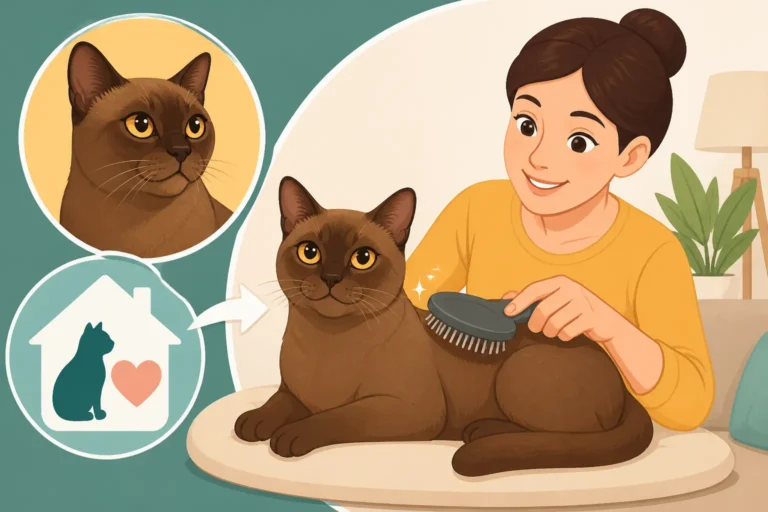
The gold standard for preventing plaque and tartar buildup is daily home dental care, and yes, that means brushing your cat's teeth. It sounds daunting, but with a Burmese, their intelligent and biddable nature can make it surprisingly achievable.
- Introduce Brushing Early: Start when your Burmese is a kitten, as young as twelve weeks. Make it a positive experience with praise and treats. Start by simply letting them lick cat-specific toothpaste (never human toothpaste!) off your finger, then introduce a finger brush, and eventually a small, soft cat toothbrush. Consistency is key; even a few seconds a day makes a difference. You can teach a Burmese to sit still for a glucose check, and the same principles apply to dental care.
- Consistency Over Intensity: Daily, gentle brushing is more effective than aggressive, infrequent attempts. Focus on the outer surfaces of the teeth, especially along the gumline where plaque tends to accumulate most. This is the most crucial part, as why a Burmese's gums recede early if not managed.
- Dental Wipes and Gels: If brushing is truly impossible, dental wipes, rinses, or gels can offer a secondary line of defense. These typically contain enzymes or antibacterial agents that help break down plaque and reduce bacteria. While not as effective as mechanical brushing, they are certainly better than nothing.
- Water Additives: Some veterinarians recommend water additives that help reduce plaque. These are generally safe, but always ensure they are veterinary-approved and that your cat still drinks sufficient water, particularly if you are tracking their intake due to diabetes risk.
Regular Professional Vet Check-ups
Even with diligent home care, regular professional veterinary dental check-ups are essential for a Burmese. These check-ups allow your vet to assess the overall health of your cat's mouth, identify any budding problems, and recommend intervention before issues become severe.
- Annual Oral Exams: During their annual wellness visit, your vet will perform a basic oral examination. They can spot early gingivitis, plaque buildup, and signs of issues like tooth resorption or malocclusion that you might miss. This annual check-up can identify issues before they become full-blown diseases.
- Scheduled Professional Cleanings: For most Burmese, a professional dental cleaning under anesthesia will be necessary every 1-2 years, starting earlier than for many other breeds due to their predisposition. This allows the vet to thoroughly scale off tartar both above and below the gumline, polish the teeth, and perform a comprehensive oral exam, including dental X-rays. X-rays are critical because much of periodontal disease occurs below the gumline, invisible to the naked eye. This is why how often a Burmese needs a dental can be more frequent than you might expect.
- Early Intervention: Professional cleanings are not just about aesthetics; they are medical procedures designed to remove infection and prevent further disease progression. Delaying these cleanings only allows the disease to worsen, leading to more invasive and costly procedures down the line, such as extractions.
Nutritional Support for Oral Health
While diet alone won't solve a Burmese's dental woes, it plays a supportive role in overall health, which indirectly benefits oral health.
- Low Carbohydrate, High Protein Diet: As discussed, Burmese cats are prone to diabetes, making a low-carbohydrate, high-protein diet crucial. This type of diet also reduces the sugary substrate available for plaque-forming bacteria in the mouth. Which wet food suits a diabetes prone Burmese is important not just for blood sugar but for minimizing oral bacteria.
- Avoid Excessive Treats: Many commercial cat treats are high in carbohydrates and can contribute to plaque formation. If you do offer treats, choose low-carb, high-protein options sparingly and factor them into your cat's overall caloric intake. Treats can quickly undo a Burmese's glucose control and dental efforts.
- Dental-Specific Diets: If your vet recommends it, a prescription dental diet can be beneficial. These diets are specially formulated with a kibble size and texture designed to provide a gentle abrasive action when chewed, and often contain ingredients that help reduce plaque and tartar. However, always discuss the carbohydrate content with your vet, especially for a diabetes-prone Burmese.
Managing Advanced Gum Disease and Complications
Despite our best efforts, sometimes gum disease progresses to an advanced stage. When this happens, managing the complications becomes paramount to ensuring your Burmese's comfort and quality of life.
Professional Dental Cleanings and Extractions
Once gum disease progresses beyond gingivitis to periodontitis, characterized by bone loss and gum recession, professional intervention under anesthesia is absolutely essential. This isn't just a "cleaning"; it's a critical medical procedure.
- Deep Scaling and Root Planing: The veterinary team will perform deep scaling to remove all plaque and tartar from above and, crucially, below the gumline. Root planing smooths the tooth root surfaces to remove bacterial toxins and prevent future plaque adhesion.
- Dental X-rays: Full-mouth dental X-rays are non-negotiable for a thorough assessment. They reveal hidden problems like bone loss, root resorption (a painful condition where the tooth structure breaks down), abscesses, or fractured roots that are impossible to see with the naked eye. Many issues are lurking beneath the gumline, emphasizing why X-rays are so vital.
- Tooth Extractions: If teeth are severely diseased, loose, fractured, or affected by significant bone loss or resorption, extraction is often the kindest and most effective treatment. While losing teeth sounds drastic, removing a source of chronic pain and infection significantly improves a cat's comfort and overall health. Cats adapt remarkably well to eating with fewer teeth, even with no teeth, as long as they are fed a soft, palatable diet. How gum disease progresses in a Burmese can be relentless, and extractions, though difficult decisions, are often necessary.
Pain Management and Post-Procedure Care
After a professional dental procedure, especially if extractions were involved, careful pain management and attentive post-operative care are crucial for your Burmese's recovery and comfort.
- Prescribed Pain Medication: Your vet will typically prescribe pain relief medication, often a non-steroidal anti-inflammatory drug (NSAID) or an opioid, to manage any discomfort after the procedure. It's vital to administer these exactly as directed, even if your cat seems to be feeling better, to ensure continuous pain control.
- Soft Food Diet: For a period following extractions, your Burmese will need to eat soft or wet food exclusively. This prevents irritation to the surgical sites and allows for proper healing. Even long-term, if many teeth have been extracted, a soft food diet might be necessary. What an old Burmese needs once its gums recede or teeth are lost is often a switch to exclusively wet food.
- Monitoring at Home: Keep a close eye on your cat during recovery. Look for signs of continued pain (reluctance to eat, hiding, lethargy), swelling, or discharge from the mouth. Follow up with your vet as instructed to ensure proper healing.
- Adapting to Missing Teeth: Reassure yourself that cats are incredibly resilient. They will quickly adapt to eating with fewer teeth, especially if you continue to offer soft, palatable food. Their quality of life will improve dramatically once the source of pain is removed.
The Importance of Dental Insurance
Dealing with advanced gum disease can be emotionally taxing and financially draining. Professional dental cleanings, extractions, X-rays, and medications can quickly add up, easily costing hundreds to thousands of dollars, depending on the severity and number of procedures required. This is where pet insurance, particularly a comprehensive plan that covers dental illness (not just accidents), becomes an invaluable asset for a Burmese owner.
Companies like Healthy Paws offer accident and illness plans that, while not always covering routine cleanings, can be a lifesaver when significant dental issues like periodontal disease, tooth resorption, or fractured teeth require extensive veterinary care. Many policies have waiting periods, so it’s always wise to enroll your Burmese when they are young and healthy, before any pre-existing conditions (like early gingivitis) are documented, as these may be excluded from coverage. Investing in a good pet insurance policy can provide peace of mind and ensure you can make the best medical decisions for your beloved Burmese, without financial constraints being the deciding factor. It allows you to focus on their health rather than worrying about the bill, ensuring your companion receives the best possible care throughout their life, especially when complex procedures like How Many Dentals a Burmese Needs in a Lifetime become a reality.
Disclaimer
Please remember that the information provided in this guide is for educational purposes only and should not be considered a substitute for professional veterinary advice. Always consult with a qualified veterinarian for any health concerns or before making any decisions related to your Burmese cat's health or treatment plan.