Whether a Burmese Can Be Brushed at Home
Many Burmese cat owners, myself included, often find themselves wondering about grooming routines. You might look at your beautiful Burmese with their incredibly short, sleek, satin-like coat and think, "Do I even need to brush this cat?" The truth is, while they don't require the intensive grooming of a long-haired breed, a Burmese still benefits immensely from regular coat care, even if it's not what you'd typically call "brushing." This guide will help you understand the unique needs of your Burmese's coat and how to keep it looking its best right from the comfort of your home.
Understanding the Unique Burmese Coat
The Burmese cat is renowned for its stunning, close-lying coat that truly feels like pure satin to the touch. It's one of the breed's most distinctive features, and it's what makes grooming a little different compared to other cat breeds. You're not dealing with fluffy undercoats or tangled guard hairs here, which can be a huge relief for owners who've wrestled with more high-maintenance breeds in the past.
The Satin-Like Texture and Minimal Undercoat
When you run your hand over a Burmese, it’s not just soft; it’s incredibly smooth, almost like polished silk. This unique texture isn't just a happy accident; it's a defining characteristic of the breed, resulting from its genetic makeup. The fur is very short and lies flat against the body, showcasing their muscular physique beautifully. There's hardly any undercoat to speak of, which is a major factor in why their grooming needs are so different. Think about it: many other breeds have a dense, woolly undercoat that traps loose hair, dander, and dirt, leading to matting if not regularly brushed. Your Burmese, however, is largely free from this particular challenge. This minimal undercoat is one of the reasons that contribute to Why a Burmese's Coat Feels Like Satin.
Because the hairs are so fine and lay flat, they don't tend to knot or tangle, which means you won't be spending hours detangling mats like you might with a Persian or a Maine Coon. This lack of complexity in their coat structure means that what constitutes "grooming" for a Burmese is often more about polishing and removing surface debris than deep detangling. It's a joy to pet them, and that smooth, cool feel is something truly special. Understanding How Short a Burmese's Coat Actually Is helps set realistic expectations for grooming tools and techniques.
The Myth of the No-Shed Cat
While it might seem like your Burmese sheds very little, leading some to mistakenly believe they are "non-shedding" cats, this simply isn't true for any cat, or most animals with fur for that matter. All cats shed. It's a natural process where old hairs are replaced by new ones. The difference with a Burmese is the type and amount of shedding. Because their hair is so short and fine, and they lack a dense undercoat, the shed hair tends to be far less noticeable than with longer-haired breeds. You might not find huge clumps of fur tumbleweeds rolling across your floor, but those tiny, fine hairs are definitely still making an appearance.
This minimal shedding is part of the appeal, of course. It means less fur on your furniture, clothes, and in your home overall, which is a big win for many cat owners. However, "less shedding" doesn't mean "no shedding," and those shed hairs still need to be removed from the coat to keep it healthy and shiny. If left alone, these hairs can accumulate, dulling the coat's natural luster and potentially even causing minor skin irritation. Regular, gentle grooming helps remove these dead hairs, stimulating the skin and promoting good circulation, which in turn encourages a healthy, vibrant coat. This is also why understanding How Little Hair a Satin Coated Burmese Leaves Behind is crucial for managing household cleanliness.
Why Traditional Brushing Isn't Always Necessary (or Effective) for a Burmese
When you think of brushing a cat, you probably picture a slicker brush, a deshedding tool, or a metal comb. These tools are fantastic for many breeds, designed to penetrate dense fur, remove undercoat, or detangle knots. However, for a Burmese, these traditional brushes often miss the mark. You might even find your Burmese looking at you with a confused expression as you try to get a slicker brush to "catch" anything on their super-short coat.
The Short Length and Flat Lie
The fundamental reason most traditional cat brushes aren't effective on a Burmese is the very nature of their coat: it's incredibly short and lies extremely flat against their body. Tools designed with longer bristles or teeth, meant to delve into a thicker coat, simply glide over the surface of a Burmese's fur without making much contact with the skin or effectively grasping loose hairs. It's like trying to rake a gravel driveway with a leaf rake – the tools just aren't designed for the job. You might try to use a slicker brush and feel like you're not accomplishing anything, which can be frustrating and make you doubt your grooming efforts.
Furthermore, applying too much pressure with an inappropriate brush could even be irritating to their sensitive skin. Without the buffer of a dense undercoat, their skin is more exposed. The goal of grooming a Burmese isn't to de-mat or deeply deshed in the traditional sense, but rather to remove surface debris, stimulate blood flow, and polish that glorious satin shine.
Self-Grooming Efficiency
Burmese cats are generally very fastidious groomers themselves, a trait common among many short-haired breeds. Their short coats make it easy for them to keep themselves clean and tidy with their natural licking habits. They don't have long fur to navigate or dense undercoats that trap debris, so their tongues are usually quite effective at doing the job. You'll often see them meticulously cleaning every inch of their body, from their face to their tail, keeping their coat surprisingly immaculate.
However, even the most diligent self-groomer can benefit from a little help. While they can keep their coat free of most loose hairs and surface dirt, they can't quite achieve that polished, gleaming look that you can enhance with a bit of human intervention. Plus, self-grooming means they ingest all those shed hairs, which can sometimes contribute to hairballs, even in a short-haired cat. A little assistance from you can reduce the amount of hair they swallow and help them maintain a pristine appearance.
The Best Tools for At-Home Burmese Coat Care
Forget the traditional brushes you might have for other cats. For a Burmese, we're talking about tools that are designed to polish, collect fine loose hairs, and provide a gentle massage. These aren't just practical; they turn grooming into a bonding experience, which is something your affectionate Burmese will absolutely adore.
The Magic of a Chamois Cloth
This is where the magic truly happens for a Burmese coat. A chamois cloth, the kind you might use for detailing a car, is an absolute game-changer. It's soft, absorbent, and, most importantly, it has a texture that works wonders on their short, satin-like fur. It’s no exaggeration to say that for many Burmese owners, a chamois becomes the primary “grooming tool.” In fact, many recommend that Why a Weekly Chamois Is All a Burmese Needs for maintaining their coat.
To use it, simply dampen the chamois cloth slightly—it should be moist, not soaking wet—and wring it out thoroughly. Then, gently wipe down your Burmese's coat, always moving in the direction of hair growth. You'll be amazed at how effectively it picks up any loose hairs, dust, and dander that might be dulling their shine. As you wipe, you'll feel the cloth glide smoothly, and with each pass, you'll see that incredible satin sheen intensify. It's like buffing a piece of fine furniture. This isn't just about cleaning; it's about conditioning the coat and bringing out its natural luster. Your cat will likely enjoy the sensation, making it a pleasant bonding ritual rather than a chore. This simple act is key to understanding Which Chamois Brings Up a Burmese's Satin Shine.
Gentle Rubber Brushes or Grooming Mitts
While the chamois is king for shine, a soft rubber brush or grooming mitt can also be a valuable addition to your Burmese's care routine. These tools are typically designed with soft rubber nubs that are excellent for stimulating the skin and gently dislodging any loose hairs that might be clinging to the coat. Unlike stiff-bristled brushes, the rubber is flexible and much kinder to their skin.
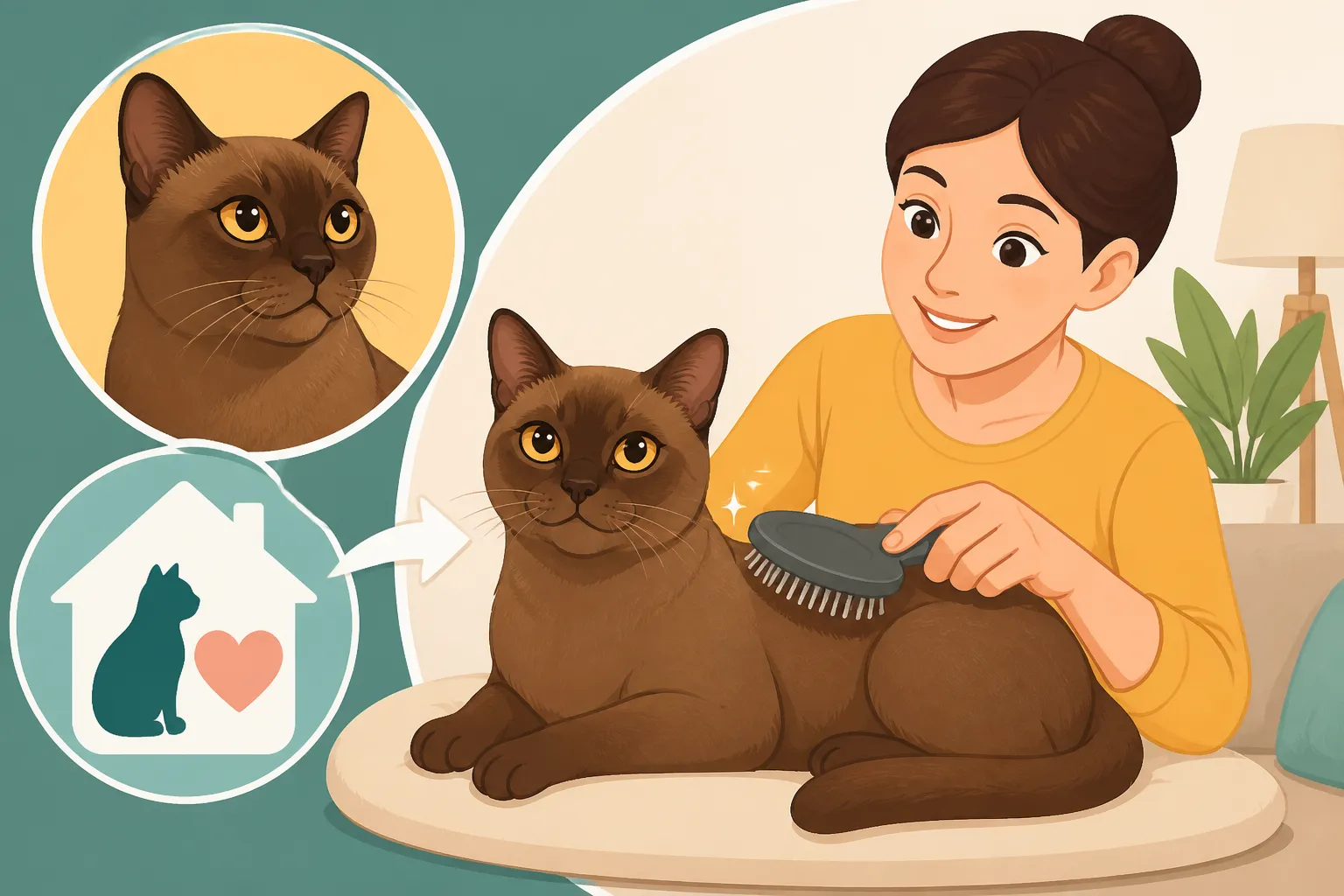
A rubber grooming mitt, which you wear like a glove, is particularly effective because it allows you to literally "pet" your cat while grooming. This makes the experience even more natural and enjoyable for them. The nubs gently massage the skin, which not only feels good to your cat but also helps to improve circulation, contributing to a healthier coat from the roots. As you stroke them, you’ll notice loose hairs adhering to the mitt, which can then be easily peeled off and discarded. This is a fantastic way to bond with your Burmese and ensure they feel pampered, all while keeping their coat in top condition. They also tend to be very durable and easy to clean, making them a practical choice for regular use.
Here's a quick comparison of common grooming tools for a Burmese:
| Tool | Purpose | How to Use | Why it Works for Burmese |
|---|---|---|---|
| Chamois Cloth | Polishing, removing loose hair & dust | Dampen, wring, wipe with hair growth | Enhances satin shine, gentle on skin, collects fine hairs |
| Rubber Brush/Mitt | Skin stimulation, gentle deshedding, massage | Gently stroke in direction of hair growth | Massages skin, removes loose hair, enjoyable for cat |
| Slicker Brush | Detangling, removing undercoat | Avoid | Too harsh for short, thin coat, ineffective |
| Metal Comb | Detangling, checking for fleas | Use only if absolutely necessary for fleas, very gently | Can be too sharp, generally not needed for tangles |
Making Grooming a Positive Experience (Even When It's Not "Brushing")
The Burmese cat is an incredibly affectionate and people-oriented breed. They thrive on interaction and attention, which means grooming can and should be a wonderful bonding experience, not a wrestling match. Approaching it with patience, consistency, and plenty of positive reinforcement is key to making your Burmese look forward to their "spa time."
Starting Early with Kittens
The absolute best time to introduce any kind of handling and grooming is when your Burmese is a kitten. Kittens are naturally curious and adaptable, and their brains are like sponges, soaking up new experiences. From the moment you bring your little one home, incorporate short, gentle "grooming" sessions into your daily routine. This means handling their paws, gently touching their ears, and softly wiping their coat with a chamois cloth. Make it playful, associate it with positive things like treats and praise, and keep the sessions brief to start.
By doing this, you're not just getting them used to the physical sensations of grooming; you're teaching them that being handled is a good, safe, and pleasant experience. This early conditioning will pay dividends for years to come, not just for coat care but for nail trims, ear cleaning, and even vet visits. A kitten that is comfortable with handling will grow into an adult cat that is far less stressed during necessary procedures. Remember, consistency is more important than duration in these early stages.
Short, Frequent Sessions
With a Burmese, consistency truly is more important than intense, lengthy grooming sessions. Their coats don't typically get matted or tangled, so you're not trying to undo weeks of neglect in one sitting. Instead, aim for frequent, short interactions. A quick wipe-down with a chamois cloth for a couple of minutes every day or every other day is far more beneficial than a marathon session once a month. This is also why How Many Minutes a Month a Burmese's Coat Takes is surprisingly low compared to other breeds.
These short, frequent sessions allow you to quickly remove any loose hairs before they accumulate, maintain that beautiful sheen, and check for any skin issues or parasites without overwhelming your cat. It keeps the coat consistently healthy and gleaming. More importantly, it reinforces the positive association with grooming. Your Burmese will come to view these moments as extra cuddle time, a chance for undivided attention and gentle strokes, rather than something to be endured. This routine will become a natural part of your daily rhythm, strengthening your bond and keeping your cat happy and well-cared for.
Incorporating Grooming into Cuddle Time
This is where the Burmese truly shines as a companion animal. Their affectionate, "Velcro cat" nature makes them ideal candidates for incorporating grooming directly into your cuddle time. Instead of setting aside a separate, formal "grooming time" that might feel a bit clinical, simply keep your chamois cloth or grooming mitt handy when you're relaxing on the couch with your cat.
As you're petting them, gently switch to using the chamois cloth. Many Burmese will purr contentedly throughout, seeing it as an extension of your affection. The key is to make it feel seamless and enjoyable. Talk to them in a soothing voice, offer gentle strokes, and if they particularly enjoy a spot, spend a little extra time there. This transforms grooming from a necessary task into a cherished ritual. Not only does it keep their coat immaculate, but it also provides an opportunity for you to check their skin for any unusual bumps, scabs, or irritations that might warrant a vet visit. It's a win-win: your Burmese gets extra love and attention, and you ensure their continued health and stunning appearance.
Beyond the Coat: Other At-Home Grooming Essentials
While the Burmese coat is relatively low maintenance, a complete at-home grooming routine extends beyond just wiping down their fur. Just like any other cat, your Burmese needs regular attention to their nails, ears, eyes, and, crucially, their teeth. Neglecting these areas can lead to discomfort, pain, and costly vet bills down the line.
Nail Trimming
Even though your Burmese might be an indoor cat, their claws will still grow and need regular trimming. Untrimmed claws can become too long, making it difficult for your cat to walk properly, leading to ingrown nails, or snagging on carpets and furniture. It's also not much fun when they accidentally knead you with razor-sharp talons! Ideally, aim to trim your Burmese's nails every 2-4 weeks.
Start by getting your kitten used to having their paws handled from a young age. When it's time to trim, choose a quiet moment when your cat is relaxed, perhaps even purring on your lap. Gently press on their paw pad to extend the claw, and trim only the very tip, avoiding the pink "quick" which contains blood vessels and nerves. If you're unsure, ask your vet or a professional groomer to show you the correct technique. There are many types of cat nail clippers available; find one that feels comfortable in your hand. Patience and positive reinforcement (like a small treat afterward) will make this process much smoother. Remember, Trimming a Burmese's Claws While It Sits on You can make it a much calmer experience for both of you.
Eye and Ear Cleaning
Burmese cats typically have clean eyes and ears, but occasional checks and gentle cleaning are still important. Their expressive, round eyes can sometimes develop a little tear staining or discharge in the corners, especially if they have seasonal allergies or a bit of dust gets in. You can gently wipe these areas with a soft, damp cloth or a cotton ball moistened with warm water. Always use a fresh cloth or cotton ball for each eye to prevent potential spread of infection. For specific instructions, refer to How to Clean a Burmese's Eye Corners Safely.
For ears, a quick visual check during cuddle time is usually sufficient. Healthy Burmese ears should look clean, pale pink, and free of any excessive wax, odor, or redness. If you notice a buildup of dark wax, a foul smell, or your cat is scratching its ears frequently, it's time for a vet visit, as this could indicate an infection or mites. For routine cleaning, you can gently wipe the visible parts of the ear with a cotton ball slightly dampened with a vet-approved ear cleaner. Never insert anything into the ear canal, as this can cause damage. Many owners find Cleaning a Burmese's Ears in Under a Minute an easy task.
Dental Care
This is perhaps one of the most overlooked, yet critical, aspects of at-home grooming for any cat, and especially for a Burmese. Burmese cats, unfortunately, are prone to gum disease and dental issues as they age. This isn't just about bad breath; severe dental disease can lead to pain, tooth loss, and even impact their overall health, potentially affecting organs like the heart and kidneys. This is a common concern, especially given Why a Burmese's Gums Recede Early.
The best way to prevent dental problems is regular brushing with cat-specific toothpaste (never human toothpaste, as it contains ingredients toxic to cats). Just like with coat care, start introducing teeth brushing when your Burmese is a kitten. Use a finger brush or a small, soft cat toothbrush. Even a minute or two a day, focusing on the outside surfaces of their teeth, can make a huge difference. If daily brushing isn't feasible, aim for a few times a week. Combine this with regular veterinary dental check-ups and cleanings, as recommended by your vet. While pet insurance plans like those offered by Healthy Paws typically don't cover routine dental cleanings (many cover unexpected illnesses or accidents), it’s always wise to check your policy for any wellness add-ons that might help with preventative care. Investing in their dental health now can save them from significant discomfort and you from substantial vet bills later. Even if you can't manage full brushing, introducing your kitten to a toothbrush early on, as suggested in Brushing a Burmese's Teeth From Twelve Weeks, is a great start.
Disclaimer
Please note that the information provided in this article is for general guidance and informational purposes only. It is not a substitute for professional veterinary advice, diagnosis, or treatment. Always seek the advice of your veterinarian or other qualified animal health provider with any questions you may have regarding your pet's medical condition or before making any decisions about your pet's health or care.