Cleaning a Burmese’s Ears in Under a Minute
It's always a bit daunting to consider cleaning your cat's ears, isn't it? We love our Burmese for their sleek coats and affectionate personalities, but the thought of poking around in those delicate ears can make even the most seasoned cat parent feel a little anxious. Many of us have been there, wondering if we're doing it right, or worse, if we're causing more harm than good. This guide is here to walk you through the process, making it less of a chore and more of a routine bonding moment, ensuring your beloved Burmese keeps those ears healthy and happy.
Why Your Burmese Needs Ear Care Even if They Look Clean
You might glance into your Burmese's ears and think, "Well, they look perfectly fine!" And often, they do. Their short, satin coats and relatively open ear canals can give the illusion of perpetual cleanliness. But here's the thing: cats, including our charming Burmese, are masters of disguise when it comes to discomfort or minor issues. What looks clean on the surface might be harboring something less than ideal deeper inside, or an underlying issue might be brewing without obvious external signs until it becomes a bigger problem.
The Burmese Ear Canal: A Hidden World
Think of your Burmese's ear canal not as a straight tunnel, but as an L-shaped structure. The part you see is just the outer ear flap and the very beginning of that L. The crucial part, where most of the action (and potential trouble) happens, is further down and then takes a sharp turn horizontally towards the eardrum. This unique anatomy, while designed to protect the delicate inner ear, also creates a perfect little nook for debris, wax, and moisture to get trapped. It’s not always visible from a casual glance, but this accumulation can become a breeding ground for bacteria or yeast.
Furthermore, our highly active and curious Burmese cats, despite often being indoor pets, can still get all sorts of tiny particles in their ears. Dust from zoomies under the bed, a stray bit of fluff from a favorite blanket, or even just shed hair can slowly make its way down that L-shaped canal. Because their ears are relatively open and don't have heavy tufts of hair like some long-haired breeds, you might assume they're self-cleaning and less prone to issues, but this openness can sometimes mean they're more exposed to airborne irritants. Regular, gentle inspection helps you catch these minor intrusions before they escalate into something that requires a vet visit.
Common Ear Issues in Burmese Cats
While Burmese cats aren't necessarily predisposed to more ear problems than other breeds, they can still experience the usual culprits that plague feline ears. The most common issues include ear mites, yeast infections, and bacterial infections. Ear mites, tiny parasites, are incredibly irritating and can cause intense itching, leading your cat to scratch incessantly. Yeast infections often present with a brownish, waxy discharge and a distinct yeasty smell, a bit like stale bread. Bacterial infections can have varying types of discharge – from yellow to green – and usually come with redness, swelling, and a foul odor.
Allergies, whether environmental or food-related, can also manifest as itchy, irritated ears in cats. When a cat has an allergic reaction, their immune system can overreact, leading to inflammation and increased wax production in the ears, making them more susceptible to secondary infections. It’s a frustrating cycle for both you and your cat. The reality is, without regular checks, these problems can go unnoticed until your Burmese is truly suffering, which is a particular concern given how stoic cats can be about pain. Taking the time to check and, if necessary, clean their ears, can interrupt these cycles and help you spot the early warning signs, saving your cat discomfort and you a potentially larger vet bill down the line.
Signs That Your Burmese's Ears Need Attention
Knowing when to intervene is half the battle. Our Burmese are usually such a picture of health and vitality that any deviation can be subtle. However, their ears can give us some very clear clues when something isn't quite right. Learning to recognize these visual and behavioral cues is key to proactive care, allowing you to address problems promptly and effectively.
Visual Clues and Odors
When you gently flip back your Burmese's ear flap, you're looking for several things. First, check the color of the skin inside the ear. It should be a healthy pale pink, similar to the skin around their nose or lips. If you see any redness, inflammation, or swelling, that's an immediate red flag. Next, look for discharge. Normal ear wax in a Burmese is usually a light, yellowish-brown, and present in very small amounts, much like What a Burmese's Ear Wax Should Look Like. If you see dark brown, black, yellow, or green discharge, or if it's excessive, pus-like, or has a crumbly, coffee-ground texture, that's a sign of trouble. The coffee-ground appearance is classic for ear mites, while yellow or green discharge often points to a bacterial infection.
Don't forget to use your nose! A healthy cat's ear should have little to no odor. If you detect a strong, unpleasant smell – often described as yeasty, sweet, or foul – it's a strong indicator of an infection. A yeast infection will have that distinct, slightly sweet and musty scent, while a bacterial infection might smell more pungent and truly foul. Even if you don't see much discharge, an unusual odor alone is enough to warrant a closer look and potentially a trip to the vet. These sensory clues are invaluable; trust your instincts if something seems off, because your Burmese relies on you to notice these things.
Behavioral Indicators of Discomfort
Our Burmese are incredibly affectionate and people-oriented, often described as "Velcro cats." This means they're usually pretty tuned into us, and any changes in their behavior, especially subtle ones, can be significant. When their ears are bothering them, they might try to hide the discomfort at first, as cats are notoriously good at masking pain. However, certain behaviors will eventually become evident. You might notice them scratching at their ears more frequently, sometimes quite vigorously, even drawing blood with their back claws. This can lead to hair loss around the ears or even open sores, which can then become infected.
Head shaking is another common sign, often done with a pronounced flick of the head as if they're trying to dislodge something annoying. You might also see them pawing at their ears with their front paws or rubbing the side of their head against furniture or the carpet. This rubbing can sometimes lead to matted fur or skin irritation in the affected area. Less obvious signs could include a reluctance to be petted around the head or ears, or even a slight head tilt if one ear is particularly bothering them. Remember, Why a Burmese Hides Illness Behind Its Affection is a real thing, so if your usually cuddly Burmese suddenly flinches when you go to stroke their head, it's time for an ear check. Don't dismiss these subtle shifts; they're your cat's way of telling you something is wrong before it becomes a full-blown emergency.
Gathering Your Burmese Ear Cleaning Arsenal
Once you've identified that your Burmese's ears might need a little TLC, or you're simply aiming to establish a proactive cleaning routine, the next step is to get everything ready. Rushing around to find supplies while your cat is already wary can make the experience more stressful for everyone. A little preparation goes a long way in ensuring a smooth and positive ear care session.
Essential Tools and Gentle Cleaners
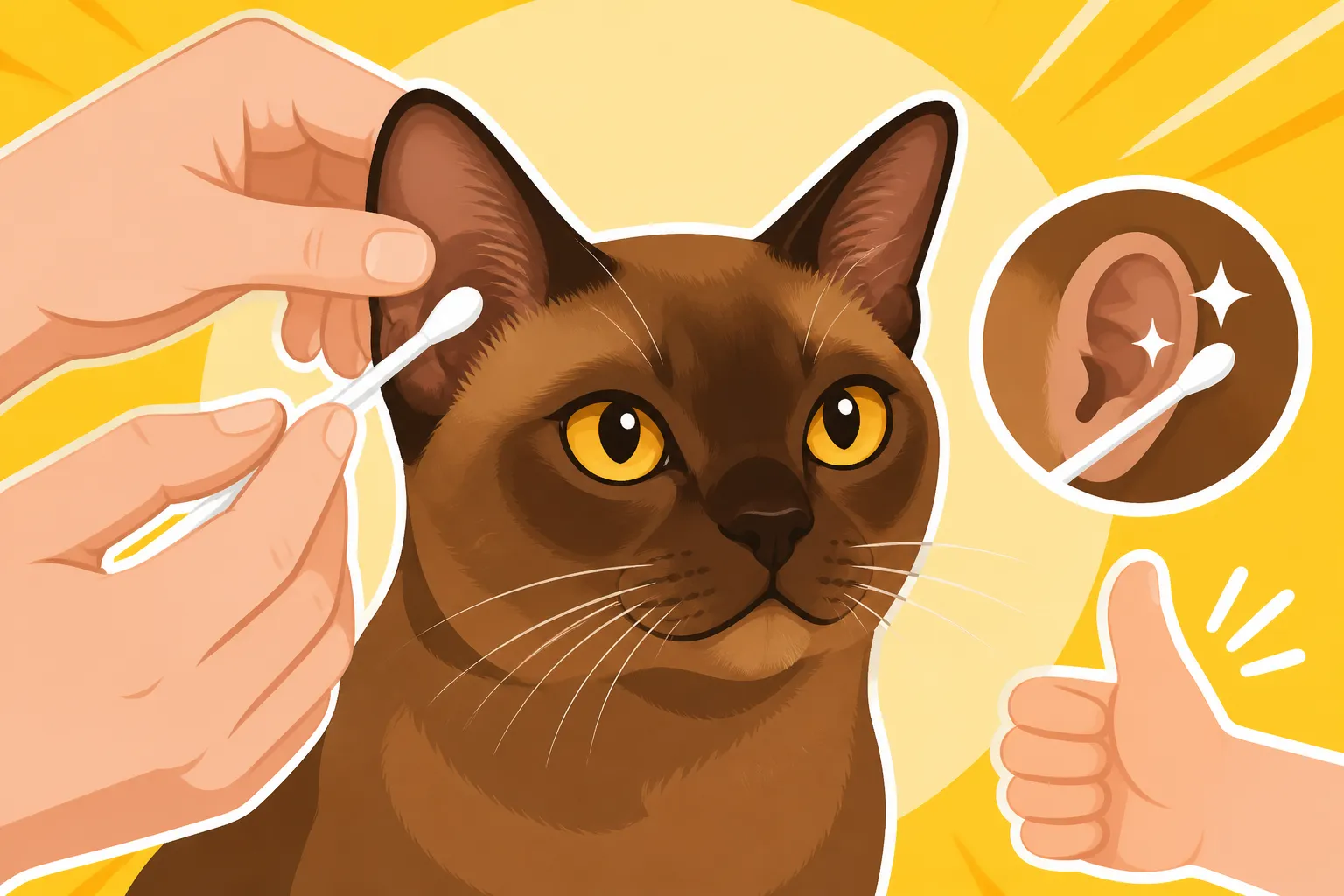
To clean your Burmese's ears effectively and safely, you'll need a few key items. First, gather plenty of soft cotton balls or cotton pads. Avoid cotton-tipped applicators (Q-tips) for cleaning deep inside the ear canal, as these can easily push debris further in or even damage the eardrum. For the outer ear folds, a Q-tip might be okay if used extremely gently and only on visible parts, but cotton balls are generally safer. You'll also need a vet-approved ear cleaning solution specifically designed for cats. There are many options out there, including water-based solutions that simply flush and moisturize, drying agents that help prevent moisture buildup (useful if your cat is prone to yeast), and antiseptic solutions with ingredients like chlorhexidine or ketoconazole for minor bacterial or fungal issues.
It's crucial to use a solution recommended by your veterinarian. Human ear cleaners or homemade remedies can be too harsh or even toxic for cats. You can often find suitable ear cleaning solutions at your vet's office, or online retailers like Chewy and Amazon carry reputable brands. Always check the ingredients and ensure it's safe for feline use. Finally, don't forget the power of positive reinforcement! Have some of your Burmese's favorite treats ready to reward them after the process. This helps create a positive association with ear handling and cleaning, making future sessions much easier. A good light source, like a headlamp or a bright desk lamp, can also be incredibly helpful to clearly see inside the ear canal.
Creating a Calm Environment
Cats are incredibly sensitive to their surroundings, and a stressed environment can make any grooming task feel like an uphill battle. For ear cleaning, choose a quiet, calm spot in your home where both you and your Burmese feel comfortable. This might be a bathroom counter, a well-lit table, or even your lap on a comfortable chair, provided you have good visibility. Make sure there are no loud noises, other pets, or curious children to distract or startle your cat during the process. Having everything laid out and ready before you bring your cat to the chosen spot minimizes fuss and keeps the energy low.
Gentle restraint is often necessary, especially when you're starting out. A soft towel can be your best friend here. You can gently wrap your Burmese in a "purrito" style, leaving only their head exposed. This not only prevents them from wiggling away but also protects you from any accidental scratches if they become agitated. Speak to your cat in a calm, soothing voice throughout the process, and offer plenty of reassuring strokes. Remember, Why a Burmese Enjoys Being Handled From the Start means they often respond well to consistent, gentle interaction. The goal isn't to hold them down forcefully, but to create a secure feeling that discourages struggling. Finish with those high-value treats and ample praise, letting them know they did a fantastic job, even if they weren't thrilled about it.
Step-by-Step Guide to Cleaning Your Burmese's Ears
Now that you're armed with your cleaning supplies and a calm environment, it’s time to get down to business. Remember, gentleness is paramount. Your Burmese's ears are sensitive, and any rough handling can create a negative association, making future cleanings much harder. Approach this task with patience and a light touch.
The Gentle Approach: Inspection First
Before you even think about introducing any cleaning solution, take a moment to inspect the ear thoroughly. Gently fold back the ear flap of your Burmese. Use your thumb and forefinger to hold it back so you can see the visible portion of the ear canal. Look carefully for any redness, swelling, unusual discharge, or foreign bodies like grass seeds. This initial inspection is crucial because it helps you determine if cleaning is appropriate, or if a vet visit is needed first. If the ear appears very red, inflamed, painful to the touch, or if you suspect a ruptured eardrum (which might show up as deep pain, a foul odor, or visible changes to the canal that extend beyond typical wax), do not proceed with cleaning.
In such cases, introducing a cleaning solution could cause more harm, especially if the eardrum is compromised. It's always better to err on the side of caution and let your veterinarian assess the situation. They can safely examine the ear with an otoscope, identify the underlying issue, and prescribe appropriate medication if necessary. Even if you're just doing a routine check, a quick, gentle visual inspection helps you become familiar with what a healthy Burmese ear looks like, making it easier to spot subtle changes later on. What a Burmese Kitten's First Exam Should Cover definitely includes an ear check, and you're just continuing that good habit at home.
Applying the Cleaner and Massaging
Once you've determined the ear is safe to clean, you can proceed with applying the cleaning solution. There are two main methods: either squirting the solution directly into the ear canal or applying it to a cotton ball. If you're using a solution designed to be flushed into the ear, gently hold the ear flap upright and carefully squirt the recommended amount into the canal. Don't let the tip of the bottle touch the ear, to avoid contamination. You'll likely hear a squelching sound, which is normal. For the outer ear and if you're hesitant about squirting directly, saturate a cotton ball with the solution and use it to wipe the visible folds and creases.
After applying the solution, gently but firmly massage the base of your Burmese's ear, just where it meets their head, for about 20-30 seconds. You should hear a soft squishing sound as the solution works its way into the ear canal and helps break up any wax or debris. This massage is vital for allowing the cleaner to do its job. Your cat might object a little, but the massage itself shouldn't be painful if their ears are not infected. After massaging, let go of their head and allow your Burmese to shake their head. This is a natural instinct, and it helps bring loosened debris and excess solution to the outer ear, making it easier for you to wipe away. Have a towel ready, as things might get a little messy!
Wiping Away the Debris
Now comes the cleanup! After the massage and head shake, you'll likely see some loosened wax and gunk at the opening of the ear canal and on the inner surface of the ear flap. Take a fresh, dry cotton ball or pad and gently wipe away all visible debris. Work from the inside out, cleaning the accessible folds and creases of the ear. Remember the golden rule: never insert anything deep into your Burmese's ear canal. You are only cleaning what you can easily see and reach. Going too deep with a cotton ball or even a finger can push debris further down, potentially compacting it against the eardrum or causing injury to the delicate inner structures of the ear. How Far Into a Burmese's Ear Is Safe to Clean is essentially "as far as your finger can gently reach with a cotton ball, and no further."
Use a fresh cotton ball for each wipe, especially if the previous one is visibly dirty. This prevents you from reintroducing debris or spreading infection. Continue wiping until your cotton balls come out relatively clean. You might need to repeat the application of solution and massage once or twice if the ears are particularly dirty, but don't overdo it. The goal is to remove excess wax and surface grime, not to sterilize the ear. Once you're done, give your Burmese another round of praise and treats. They might still be a little annoyed, but consistent gentle handling and positive reinforcement will help them tolerate (or even anticipate!) future ear cleanings.
How Often and When to Seek Professional Help
Establishing a routine for ear care is an important part of responsible Burmese ownership. Just like with their diet and overall health, consistency is key. However, it's equally important to know when a situation moves beyond home care and requires the expert eye of a veterinarian. Ignoring persistent ear issues can lead to chronic problems and discomfort for your beloved cat.
Establishing a Regular Routine
For most healthy Burmese cats with no history of ear problems, a visual check of their ears once a week or every couple of weeks is a good habit to get into. If you notice any minor wax buildup or dirt, a gentle cleaning with a vet-approved solution once a month or as needed is generally sufficient. Some cats, particularly those prone to allergies or who produce more wax, might benefit from cleaning every two weeks. The best routine really depends on your individual cat. Pay attention to how quickly their ears get dirty again after a cleaning and adjust your frequency accordingly.
Consistency is far more important than intensity. Regular, gentle cleanings prevent major buildups and give you a chance to spot problems early, rather than waiting until there's a serious infection. Incorporate it into your general grooming routine – perhaps when you're giving them a good fuss or doing a quick brush of their The Burmese Satin Coat Is the Shortest in the Cat Fancy. Making it a calm, predictable part of your interaction, always followed by a treat or playtime, will help your Burmese accept it. Remember, proactive care throughout The Sixteen to Eighteen Years a Well Bred Burmese Gets will contribute significantly to their long-term health and well-being.
When the Vet's Expertise is Crucial
While regular home ear care is beneficial, there are definite red flags that indicate you need to put down the cotton balls and pick up the phone to call your vet. If you notice persistent redness, severe swelling, an intense, foul odor, or excessive discharge (especially if it's bloody, yellow, or green), it's time for professional intervention. If your Burmese is showing signs of pain – crying out when you touch their ear, tilting their head constantly, or losing their balance – they need immediate veterinary attention. These could be signs of a serious infection, a foreign object lodged deep in the canal, or even a ruptured eardrum, all of which require veterinary diagnosis and treatment.
Attempting to clean an ear that is already infected or injured can cause significant pain, push infection deeper, or worsen the damage. A veterinarian has the tools to properly visualize the eardrum and the entire ear canal, identify the specific type of infection (bacterial, yeast, or mites), and prescribe targeted medication. They might also need to flush the ear more thoroughly under sedation if there's a heavy buildup of wax or debris. Don't delay a vet visit if you suspect a serious issue. Early diagnosis and treatment can prevent chronic ear problems, save your cat from prolonged discomfort, and potentially avoid more invasive (and expensive) procedures down the line. How Often a Healthy Adult Burmese Needs Checking typically includes an ear examination, so if you're ever in doubt, you can always bring your concerns up during their routine check-up.
Disclaimer
This article is for general informational purposes only and does not constitute professional advice. Laws, prices and regulations vary by location and change over time. Consult a qualified professional for guidance on your specific situation.