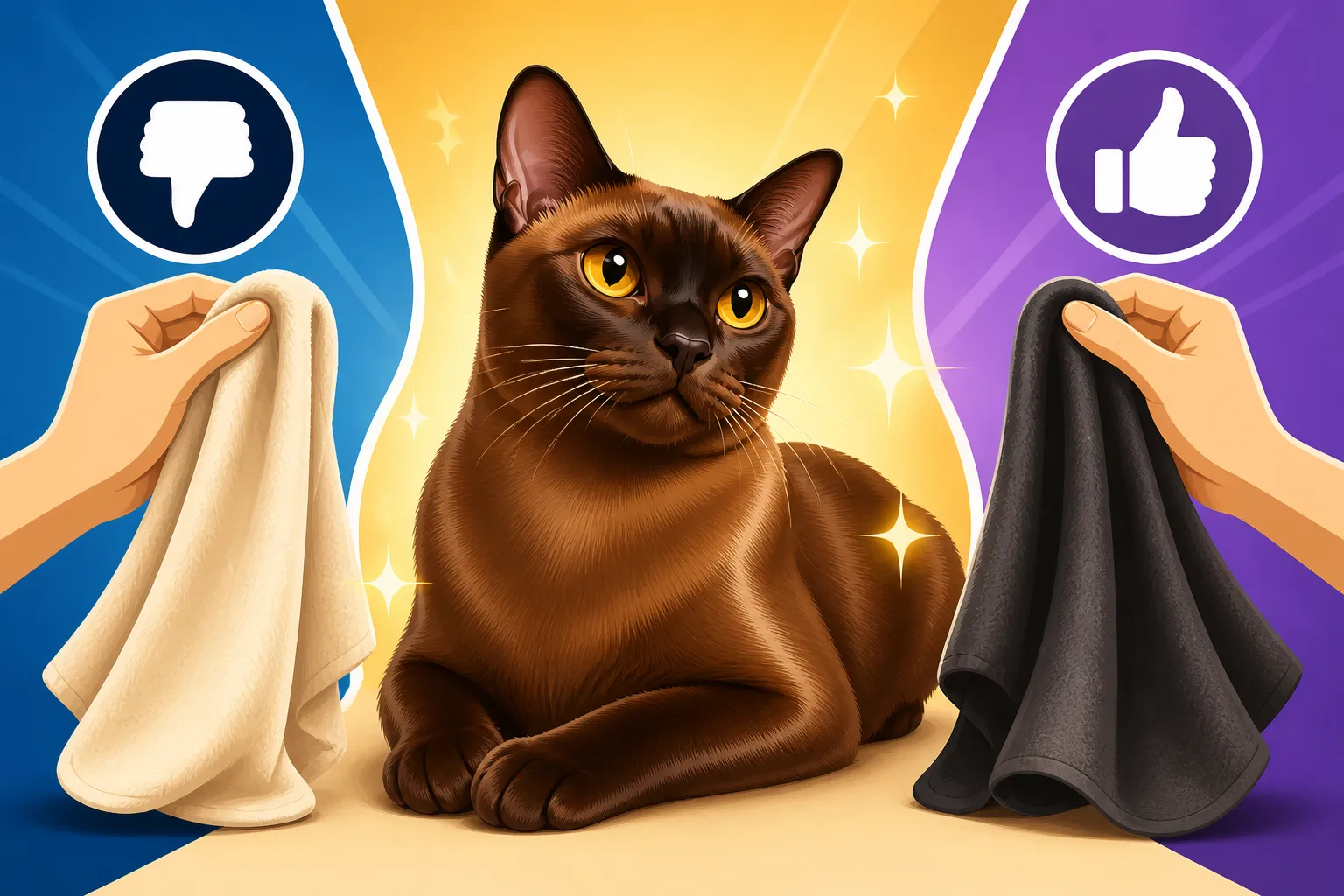
Which Chamois Brings Up a Burmese’s Satin Shine
The Burmese cat's coat is truly a marvel, often described as satin or silk – incredibly short, fine, and lying exquisitely close to their muscular bodies. But sometimes, even with their minimal grooming needs, you might notice that signature gleam isn't quite as brilliant as it could be, leaving you wondering if there's a secret trick to unleashing its full potential. This guide is here to unlock that secret, focusing on the simple, yet profoundly effective, tool that can elevate your Burmese's coat from merely beautiful to breathtakingly lustrous: the humble chamois.
Understanding the Burmese Satin Coat
Let's be honest, the Burmese isn't like other cats. Their coat isn't just "short"; it's a unique textural experience that sets them apart in the feline world. If you've ever run your hand over a well-conditioned Burmese, you know exactly what I mean by that "satin" feel. It’s this very distinct characteristic that dictates how we approach their grooming, and why many conventional tools just don't hit the mark.
The Unique Texture and Lack of Undercoat
The defining feature of a Burmese coat is its astonishing fineness and the complete absence of an undercoat. Unlike many breeds, which boast a dense layer of softer, insulating fur beneath their guard hairs, the Burmese sports a single, sleek layer. This is why when you stroke a Burmese, you feel muscle and bone beneath a remarkably thin, luxurious covering, almost like polished leather. This single-coat characteristic is directly responsible for that iconic "satin" or "silk" sensation. It means each individual hair shaft is fine, but remarkably strong, and designed to lie perfectly flat against the body.
Because there's no fluffy undercoat to shed, what you get instead is a constant, subtle turnover of very fine, short hairs. These hairs don't get trapped in a dense matrix like with double-coated breeds; instead, they tend to sit on the surface of the coat or float around, ready to be picked up. This also explains Why a Burmese's Coat Shows Every Loose Hair so readily – there's nowhere for them to hide! The coat is so close-lying that any deviation, any stray hair, becomes immediately apparent. This unique structure is also why the Burmese often feels the cold more than other breeds and loves to burrow under blankets or cuddle close for warmth. It's a coat designed for elegance, not for insulation. You can dive deeper into this fascinating aspect by reading Why a Burmese Has Almost No Undercoat, which explains the genetic reasons behind this magnificent feature.
Why Traditional Brushes Miss the Mark
Given their unique coat, it's no surprise that many of the brushes you might have lying around from previous feline companions or even other short-haired breeds simply aren't suitable for a Burmese. In fact, using the wrong tool can be counterproductive, leading to static, discomfort, or simply failing to achieve that desired shine.
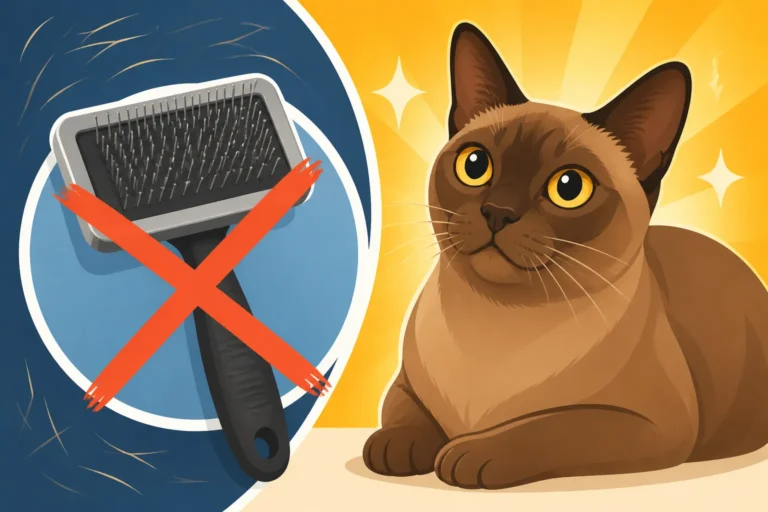
Slicker brushes, for instance, are designed with fine wire pins to reach into a dense undercoat and pull out loose fluff. On a Burmese, which has no undercoat, these pins can feel harsh directly against their skin. They're more likely to scratch or irritate than to remove much hair, and they certainly won't enhance the shine. You'll often find yourself just generating static electricity, making the fur stand on end rather than lie flat and glossy. This is precisely Why a Slicker Brush Is Wasted on a Burmese, and why you should probably stash it away for another breed. Similarly, deshedding tools, which are essentially specialized combs designed to rake out massive amounts of undercoat, are utterly pointless on a Burmese. They have nothing to "de-shed" in that manner, and again, you risk irritating their skin with an unnecessarily aggressive tool. Bristle brushes, while softer, often just skim over the surface. They might feel nice, but they don't have the unique texture needed to truly grab the fine, loose hairs or to buff the coat to a high sheen. The very characteristics that make these tools effective for other breeds render them ineffective, or even detrimental, for the delicate and distinctive Burmese coat. We want to polish this coat, not comb or rake it.
The Magic of the Chamois for Burmese Coats
If traditional brushes are missing the mark, what's the secret weapon? Enter the humble chamois. This isn't just an old car cleaning cloth; it's a centuries-old material specifically designed for gentle polishing and absorption, making it an absolute game-changer for maintaining that iconic Burmese satin shine.
What is a Chamois and How Does It Work?
At its core, a chamois is a type of porous leather, traditionally made from the skin of a chamois antelope (though today, more commonly sheep or lambskin), or a synthetic material engineered to mimic its unique properties. What makes it so special? It's incredibly soft, absorbent, and perhaps most crucially for a Burmese coat, lint-free. When used slightly damp or even dry, a chamois has a remarkable ability to pick up fine dust particles, loose hairs that are just sitting on the surface, and excess oils, without leaving any fibers behind.
Think about how it’s used to polish delicate surfaces like glass or car paint without scratching. That same gentle yet effective action is what we're after for your Burmese. As you gently wipe the chamois over their coat, it's not just removing what's on the fur, but it's also gently buffing the individual hair shafts. This action helps to distribute the natural oils evenly, which are essential for that healthy, reflective shine. The fine texture of the chamois actually polishes the cuticle of each hair, much like you'd polish a piece of furniture. This isn't just about cleaning; it's about enhancing the inherent beauty of the coat itself. The result is an immediate, noticeable increase in that coveted satin sheen, making their already gorgeous coat look even more vibrant and luxurious.
Chamois vs. Other Polishing Cloths
While you might think any soft cloth would do the trick, there's a reason why a chamois stands out in the world of Burmese grooming. Many alternatives simply don't offer the same combination of effectiveness, gentleness, and practicality.
Take microfiber cloths, for example. They are incredibly popular for cleaning and polishing, and certainly have their uses around the house. However, some microfiber weaves can be a bit too "grabby" for a delicate cat coat, potentially creating more static or feeling slightly abrasive, especially on a very short-haired breed. While they are good at picking up dust, they might not distribute oils as effectively or provide that deep buffing action without a risk of snagging. Silk cloths, on the other hand, are wonderfully soft and lint-free, making them a luxurious option. However, they can be quite expensive, difficult to clean, and less durable for regular, practical grooming. They also lack the absorbency and unique texture that allows a chamois to pick up loose hairs so efficiently. Even just using your hands, while great for bonding and a quick pet, won't achieve the same level of polishing or debris removal. Your hands distribute oils, yes, but they don't have the specific surface tension and texture to truly buff and shine the way a chamois does. A good quality chamois, whether natural or synthetic, strikes the perfect balance, delivering superior results without any of the drawbacks of other cloth types. For those interested in alternative tools, Which Grooming Glove Suits a Burmese's Flat Lying Coat offers another perspective on effective grooming accessories.
Choosing the Right Chamois for Your Burmese
Now that you're convinced of the chamois's power, the next step is selecting the right one for your cherished Burmese. Just like choosing any other pet product, a little bit of informed decision-making goes a long way. You want something effective, durable, and safe for your cat.
Natural Leather vs. Synthetic Chamois
When you start looking for a chamois, you'll primarily encounter two types: natural leather and synthetic. Both have their merits, and the best choice for you might depend on your priorities regarding performance, maintenance, and budget.
Natural chamois is typically made from sheep or lambskin and is traditionally revered for its incredible softness and absorbency. It feels wonderfully supple and has a unique, almost velvety texture when new. Many purists swear by the natural article for its unmatched ability to polish and leave surfaces streak-free. However, natural chamois does come with a few considerations. It often requires more specific care – needing to be washed gently with mild soap (never harsh detergents) and air-dried away from direct heat to prevent it from becoming stiff and brittle. It can also be more expensive upfront. On the other hand, synthetic chamois, often made from PVA (polyvinyl alcohol) or a microfiber blend, has come a long way. These are designed to replicate the best qualities of natural chamois, offering excellent absorbency and lint-free polishing. Their main advantages are durability, ease of cleaning (many can be machine washed), and a more accessible price point. They are less prone to stiffening and generally stand up better to frequent use. For most Burmese owners, a high-quality synthetic chamois is often the more practical and convenient choice, delivering fantastic results without the fuss of delicate care. You can find excellent options on platforms like Amazon or Chewy, often sold as car drying towels or specialized polishing cloths.
Size and Durability Considerations
Beyond the material, the practical aspects of size and durability are important for making your chamois a long-lasting and effective grooming tool. You don't want something so small it's awkward to use, or so flimsy it falls apart after a few washes.
For grooming your Burmese, a hand-sized chamois is generally ideal. This means something roughly 12×12 inches to 16×16 inches. This size allows you to comfortably hold it and maneuver it over your cat's body, giving you good control for those gentle, polishing strokes. Anything much larger can be unwieldy, while something too small might require too many passes, making the process less efficient. Durability is also key. A chamois that is too thin or poorly constructed will quickly degrade, losing its softness or starting to shed fibers – the exact opposite of what we want for a lint-free polish. Look for a product with good reviews, particularly for its longevity and performance after washing. While a chamois isn't a huge investment, choosing a slightly higher quality one initially can save you the hassle and cost of frequent replacements. A well-cared-for chamois, especially a synthetic one, should last for many months, if not years, of regular use, continuing to bring up that magnificent satin shine time after time.
Integrating the Chamois into Your Grooming Routine
Once you have your perfect chamois, incorporating it into your Burmese's grooming routine is incredibly straightforward. The beauty of this tool is its simplicity and the sheer effectiveness of the technique. It’s less about complicated maneuvers and more about consistent, gentle application.
The Simple Chamois Technique
Getting that glorious shine is really quite simple, and your Burmese will likely enjoy every moment of it, mistaking it for extra petting. Here’s how to do it effectively:
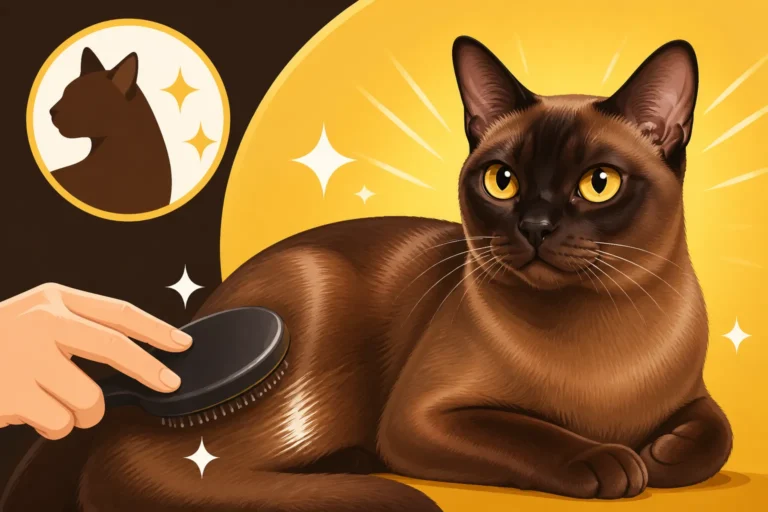
First, ensure your chamois is clean. If it's a natural chamois, it might benefit from being slightly damp, wrung out until it's just barely moist. Synthetic chamois can be used dry or slightly damp – experiment to see what gives the best results for your cat. The key is to avoid it being soaking wet, as you're polishing, not washing. Start with your Burmese in a relaxed state, perhaps on your lap or beside you on the sofa, purring away. Begin gently stroking the chamois over their coat, always moving in the direction of hair growth, from head to tail. Use long, smooth, continuous strokes. Don't press hard; the chamois does its work with light contact. The idea is to buff the surface, lifting any stray hairs, dust, or dander, and distributing the natural oils that are already present in their skin and coat. You'll notice almost immediately how it grabs the finest, almost invisible loose hairs and how the coat takes on an instant sheen. Focus on areas they love to be petted, like their back, flanks, and chest. Many Burmese adore this process, often leaning into the strokes or purring even louder, as they perceive it as prolonged, focused attention from you. For a Burmese, grooming time is just another form of affection. This entire process takes very little time out of your day – a couple of minutes, a few times a week, is often all it takes to maintain a dazzling shine. Indeed, How Many Minutes a Month a Burmese's Coat Takes is surprisingly low when you use the right tool.
Cleaning and Maintaining Your Chamois
To ensure your chamois remains an effective and hygienic grooming tool, proper cleaning and maintenance are essential. A dirty chamois won't polish effectively and could transfer debris back onto your cat's coat.
For a natural leather chamois, hand washing is usually recommended. Use lukewarm water and a very mild, unscented soap or even just plain water. Gently knead the chamois to release any embedded hairs or dirt. Rinse it thoroughly until all soap residue is gone and the water runs clear. The crucial step for natural chamois is drying: never put it in a dryer or expose it to direct sunlight or high heat, as this will cause it to stiffen and lose its supple texture. Instead, gently wring out excess water and hang it to air dry in a shaded, well-ventilated area. Once dry, it should be soft and flexible again. For synthetic chamois, the process is much simpler. Many can be machine washed on a gentle cycle with a mild detergent. Always check the manufacturer's instructions, of course. Again, avoid harsh chemicals or fabric softeners, as these can leave residues that hinder its polishing ability. Like natural chamois, synthetic ones are best air-dried. Storing your chamois flat or loosely folded in a clean, dry place will help it retain its shape and readiness for use. With proper care, your chamois will continue to be a star performer in your Burmese grooming arsenal for a long time, helping to keep their coat looking its absolute best.
Beyond the Shine: Other Benefits of Chamois Grooming
While achieving that undeniable satin shine is the primary goal of using a chamois, the benefits extend far beyond aesthetics. This simple grooming tool contributes to your Burmese's overall health and strengthens the unique bond you share.
Gentle Hair Removal and Skin Health
The Burmese, while not a heavy shedder, still sheds fine, short hairs. These hairs can sometimes cling to the coat, or if ingested in large quantities during self-grooming, can contribute to hairball formation. The chamois, with its unique texture, is remarkably effective at gently lifting these loose hairs from the surface of the coat without pulling or irritating the skin. Because it's so gentle, it avoids the harshness that can sometimes come with more aggressive brushes, which could lead to skin irritation or microscopic scratches on their delicate skin.
By routinely removing these loose hairs, you're not only keeping your home cleaner (think less hair on your clothes and furniture!), but you're also helping your cat manage their natural shedding cycle more effectively. This reduces the amount of hair they ingest, which in turn can help minimize hairballs. Furthermore, the gentle buffing action of the chamois stimulates blood circulation in the skin. This increased circulation can promote healthy skin and coat, encouraging the natural production and distribution of skin oils that keep the coat supple and shiny. It's a fantastic way to maintain optimal skin health and prevent issues before they arise, contributing to How Little a Satin Coated Burmese Sheds actually makes it to your furniture. Regular chamois use also allows you to have a tactile connection with your cat's skin, potentially allowing you to notice any small bumps, scabs, or changes early on, which can be crucial for prompt veterinary attention.
Bonding and Relaxation
Perhaps one of the most heartwarming benefits of incorporating chamois grooming into your routine is the profound effect it has on the bond between you and your Burmese. These cats are renowned for their affectionate, "Velcro cat" personalities, craving human interaction and touch. Grooming with a soft chamois taps directly into this desire for connection.
Unlike some cats who might tolerate grooming as a necessary evil, many Burmese actively enjoy it. They perceive the gentle strokes of the chamois as an extended petting session, a dedicated period of one-on-one attention from their beloved human. You’ll often find them purring deeply, kneading their paws, or even nudging your hand for more. This is because Why a Burmese Treats Grooming as Attention, and they simply can't get enough of it. It's a quiet, intimate moment that reinforces trust and affection. For you, it's a chance to unwind, connect with your cat, and enjoy the tangible results of their gleaming coat. The rhythmic, soothing motion can be meditative for both of you, turning what could be a chore into a cherished ritual. In a busy household, these dedicated moments of gentle touch can be incredibly valuable, solidifying your relationship and providing your Burmese with the emotional nourishment they thrive on. It's a win-win: a beautiful coat and a happier, more bonded cat.
Addressing Common Concerns and Troubleshooting
Even with the best intentions and the perfect chamois, you might encounter a few hiccups. It's normal for cats to be… well, cats! And sometimes, a dull coat isn't just about the grooming tool, but about underlying factors. Let's tackle some common concerns.
What If My Burmese Resists?
While many Burmese are incredibly amenable to grooming and handling, there's always the possibility that your individual cat might initially resist the chamois, especially if they're not used to it. Don't get discouraged – patience and positive reinforcement are your best friends here.
Start slowly. Don't force the issue. Introduce the chamois by simply placing it near your cat or letting them sniff it. If they seem curious, gently touch it to their fur for just a second or two, then immediately reward them with a favorite treat or lavish praise. Keep initial sessions very short, perhaps only a minute or two, gradually increasing the duration as they become more comfortable. Choose a time when your cat is already relaxed and receptive to petting, like when they’re sleepy on your lap. Associating the chamois with positive experiences is key. Every stroke, no matter how brief, should be followed by a reward. If your Burmese enjoys being handled, this process might be quicker. If they're more reserved, it might take a few days or even weeks of consistent, gentle effort. Never scold or punish them for resistance, as this will only create negative associations. The goal is for them to see the chamois as an extension of petting time, a tool that brings them pleasure and attention. Consistency and a calm demeanor on your part will eventually win them over.
When the Shine Isn't Happening
You're using the chamois, you're doing everything right, but that dazzling satin shine just isn't quite there. What gives? While the chamois is excellent for surface polishing, sometimes a lack of shine points to deeper, underlying issues that grooming alone can't fix.
The most common culprit for a dull coat, even in a well-groomed cat, is often their diet. A cat's skin and coat health are directly impacted by the quality of nutrients they receive. If your Burmese is on a diet that's low in essential fatty acids (like Omega-3s and Omega-6s), or if it's packed with too many carbohydrates, it can manifest as a lack of luster in their fur. Burmese cats are particularly prone to diabetes, and Why Carbohydrate Load Matters More in a Burmese is a crucial dietary consideration that also impacts their overall health, including coat quality. Ensure your cat's food is high in animal protein and contains a good balance of healthy fats. Consider discussing a high-quality wet food diet with your vet if you suspect diet is an issue. A variety of high-protein, low-carb wet food options could be beneficial. Beyond diet, underlying health conditions can also cause a dull, poor-quality coat. Parasites, allergies, hormonal imbalances, kidney disease, or even dental problems (which can make eating uncomfortable, leading to poor nutrition) can all impact coat health. If your cat's coat remains dull despite good diet and regular chamois grooming, or if you notice other symptoms like lethargy, changes in appetite or thirst, or skin irritation, it's always wise to consult your veterinarian. A thorough check-up can rule out any medical reasons for the lack of shine and get your Burmese back to looking and feeling their best.
| Chamois Type | Material | Pros | Cons | Maintenance | Price Point |
|---|---|---|---|---|---|
| Natural | Sheep/Lambskin | Extremely soft, superior absorbency, traditional high-polish finish | Can stiffen if dried improperly, more delicate, animal product | Hand wash, air dry (no heat) | Higher |
| Synthetic | PVA, Microfiber blends | Durable, easy to clean, less prone to stiffening, often more affordable | May not achieve quite the same traditional feel/polish for some | Machine wash (gentle), air dry | Lower-Mid |
Disclaimer
This article is for general informational purposes only and does not constitute professional advice. Laws, prices and regulations vary by location and change over time. Consult a qualified professional for guidance on your specific situation.