How to Bring Up the Shine on a Burmese’s Coat
It’s a truly disheartening moment when you look at your beloved Burmese and notice that their famously lustrous, almost liquid-satin coat has lost its usual gleam. That silky, close-lying sheen is one of the hallmarks of the breed, and when it appears dull or lifeless, it can make you wonder if something is wrong. This guide will walk you through the various factors that contribute to that magnificent shine and, more importantly, how to restore and maintain it through proper care and nutrition.
The Marvel of the Burmese Satin Coat: Understanding Its Unique Luster
The Burmese cat is renowned for its magnificent coat, a feature that distinguishes it from many other breeds. It’s not just short; it has a unique quality that feels incredibly luxurious to the touch and reflects light in a way that gives it a characteristic shine. Understanding what makes this coat so special is the first step in appreciating how to keep it looking its best.
What Makes a Burmese Coat So Special?
Unlike many other cat breeds that boast thick double coats, the Burmese has a remarkably short, fine, and close-lying single coat. There's almost no undercoat to speak of, which is a significant factor in its sleek appearance. This absence of a dense underlayer means that each individual hair lies flat against the body, creating a smooth, unbroken surface that catches the light beautifully. If you've ever wondered why your Burmese feels so wonderfully soft, it's because Why a Burmese's Coat Feels Like Satin. The texture is often described as feeling like warm silk or, yes, satin. This isn't just a poetic description; it’s a tangible quality that results from the fine, dense hair structure and its minimal insulation.
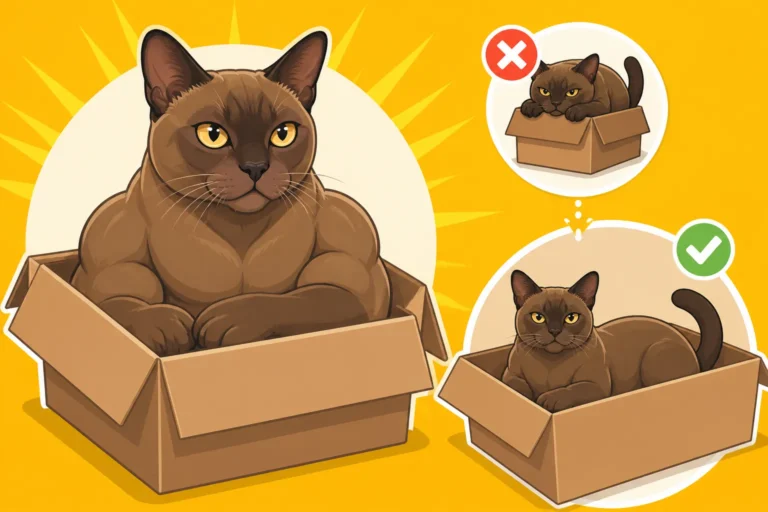
Because the coat is so short and close to the body, it naturally shows off the cat’s muscular physique, giving the impression of a "brick wrapped in silk," as the saying goes. The natural oils produced by your Burmese's skin play a crucial role in enhancing this inherent luster. These oils spread easily along the short, flat hairs, coating them and acting like a natural conditioner, making the coat appear even shinier and healthier. It's a testament to the breed's natural elegance that such a simple coat can be so strikingly beautiful. The minimal shedding is another bonus, meaning fewer loose hairs to detract from the overall gloss. You might even notice How Little Hair a Satin Coated Burmese Leaves Behind.
Why a Healthy Shine Can Fade
Even with such a naturally gorgeous coat, a Burmese's shine isn't always a given. Several factors can cause that luminous quality to diminish, leaving the coat looking dull, dry, or even a bit greasy. One of the most common culprits is diet. If your Burmese isn't getting adequate nutrition, particularly high-quality proteins and healthy fats, its body simply won't have the building blocks to produce strong, shiny hair. Think of it like a plant; if the soil isn't rich, the leaves won't be vibrant. Similarly, an imbalance in carbohydrates can also play a role, as it can affect overall health and metabolism, subtly impacting coat quality.
Underlying health issues are another major reason for a dull coat. A cat that isn't feeling well will often show it in its fur. Conditions like metabolic disorders, internal parasites, or even dental problems can manifest as a poor coat. Stress can also have a surprising impact; a stressed cat might over-groom, leading to sparse patches, or conversely, neglect its grooming, resulting in a greasy, matted appearance. Environmental factors, such as very dry air (especially in heated homes during winter) or exposure to harsh outdoor elements (though most Burmese are indoor cats), can strip the coat of its natural moisture and oils. Even something as simple as aging can lead to a slight dulling, as the body's processes slow down. It's essential to consider all these angles if your Burmese's coat seems to have lost its sparkle, as a dull coat can sometimes be the first subtle sign that something needs attention.
Essential Grooming Rituals for Maximum Shine
Maintaining that signature Burmese sheen doesn't require an elaborate grooming routine. In fact, their low-maintenance coat is one of their many appealing traits. The key is consistency and using the right tools and techniques that work with their unique coat rather than against it.
The Power of the Chamois Cloth
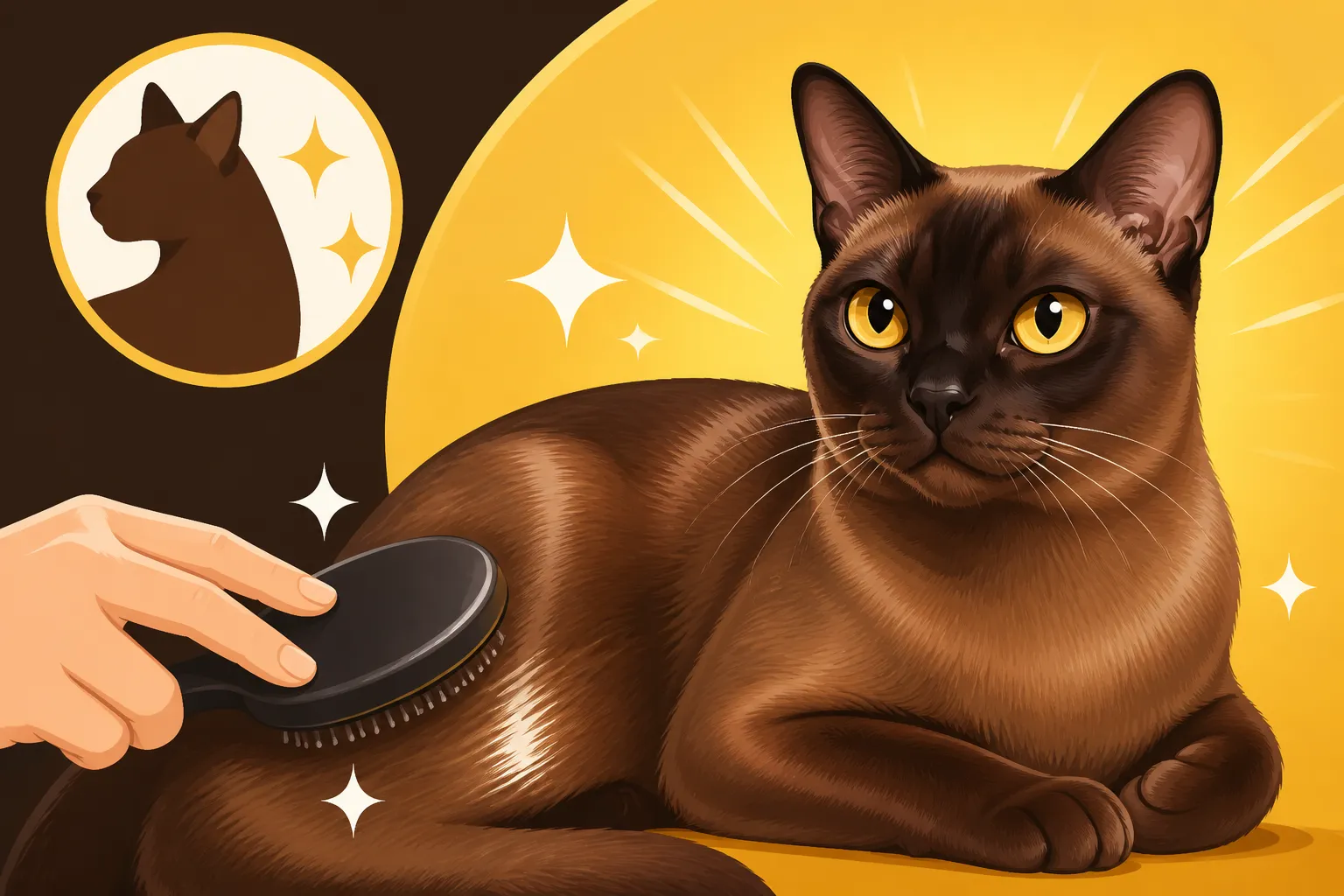
When it comes to bringing up the shine on a Burmese's coat, there's one tool that truly stands out: the humble chamois cloth. Forget fancy brushes with multiple bristles or harsh de-shedding tools; they are simply not needed for this breed. A high-quality chamois cloth, like those you might find on Amazon or at a good auto supply store (make sure it’s a real leather chamois or a high-quality synthetic specifically for polishing), is exceptionally effective. The soft, absorbent material of the chamois gently polishes the individual hairs, removing any loose dander, dust, or stray flakes of skin without irritating the skin or pulling at the delicate hair shafts.
More importantly, the chamois helps to redistribute the natural oils across the coat. As you lightly wipe down your cat, you're not just cleaning; you're gently massaging the skin, stimulating oil production, and then smoothly spreading those oils evenly from root to tip. This process enhances the coat's natural luster, making it appear incredibly glossy and vibrant. It's a simple, soothing ritual that most Burmese cats absolutely adore, often purring contentedly as you work. For many Burmese owners, Why a Weekly Chamois Is All a Burmese Needs becomes clear very quickly – it's both an effective grooming tool and a wonderful bonding experience. Just a few minutes, once or twice a week, is usually all it takes to keep that satin sheen in tip-top condition.
Brushing Beyond the Chamois
While the chamois is the star, there are times when a little more might be helpful, though restraint is key. For a Burmese, "brushing" in the traditional sense is rarely about removing vast amounts of hair due to their minimal shedding. Instead, it's about stimulating circulation and further distributing those healthy skin oils. A soft rubber curry brush, often used for horses, can be quite effective and enjoyable for your Burmese. The soft rubber nubs provide a gentle massage that many cats find incredibly relaxing, similar to the sensation of being licked by another cat. This action helps to loosen any dead skin cells and further encourages the spread of natural oils, contributing to a healthy shine.
However, it's crucial to avoid harsh brushes. Tools like slicker brushes or deshedding tools, which are excellent for breeds with dense undercoats, are entirely unsuitable for a Burmese. Their fine, single coat doesn't have an undercoat to "deshed," and these tools can actually damage the delicate hair shafts, scratch the skin, and strip away beneficial natural oils, leading to dullness or irritation. Stick to what's gentle and effective. Even a very soft bristle brush, used lightly, can help to smooth the coat, but it won't give you the same polishing effect as a good chamois. Always observe your cat's reaction; grooming should be a positive, comfortable experience for them.
| Grooming Tool | Suitability for Burmese Coat | Rationale |
|---|---|---|
| Chamois Cloth | Excellent | Polishes surface hairs, removes loose flakes, enhances natural oils, doesn't damage delicate texture. |
| Rubber Curry Brush | Good | Gentle massage, helps distribute oils, removes light shedding without pulling. |
| Soft Bristle Brush | Fair to Good | Can help with distribution of oils, but less effective for polishing than a chamois. |
| Slicker Brush | Avoid | Too harsh for short, delicate coat; can scratch skin and damage hair shafts. |
| Deshedding Tool | Avoid | Unnecessary and damaging; Burmese have very little undercoat to 'deshed'. |
Bathing: Less is More
One of the beautiful things about the Burmese coat is how little it generally needs bathing. For the most part, a healthy Burmese cat with a good diet and regular chamois rub-downs will keep itself immaculately clean. Their short, close-lying hair doesn't trap dirt or debris easily, and they are fastidious self-groomers. This means that, unlike some long-haired breeds, a Burmese almost never needs routine baths just for coat maintenance. In fact, over-bathing can actually be detrimental to that coveted shine.
When you bathe a cat too frequently, especially with harsh shampoos, you risk stripping their skin and coat of essential natural oils. These oils are vital for hydration, skin health, and, critically, for that glossy, satin appearance. Stripping them away can lead to dry, flaky skin and a dull, lifeless coat. Therefore, The Only Times a Burmese Actually Needs a Bath are typically when they've genuinely gotten into something messy, like grease, paint, or mud, that they can't clean themselves, or if a vet recommends a therapeutic bath for a specific skin condition. If a bath is necessary, use a mild, cat-specific shampoo that is pH-balanced and ideally formulated for sensitive skin or to enhance shine, often available from pet supply stores like Chewy. Rinse thoroughly to ensure no residue is left behind, as this can also dull the coat. After a bath, towel dry gently, and your Burmese's coat will dry surprisingly quickly. You'll soon see How Quickly a Burmese's Coat Dries as it returns to its natural sheen.
Nourishing the Burmese Coat from Within
While external grooming certainly plays a role in keeping your Burmese looking fabulous, the true secret to a consistently shiny, healthy coat lies in what you put into their body. A dull coat is often the first visible symptom of an imbalanced or inadequate diet, highlighting that beauty really does start from within.
The Critical Role of High-Quality Protein and Fats
For a cat, especially a muscular and active breed like the Burmese, protein is paramount. Their bodies are designed to thrive on a diet rich in animal-based protein, which provides the essential amino acids necessary for building and repairing every cell, including those that make up their skin and hair. A high-quality protein source, such as chicken, turkey, or fish, ensures a strong, resilient coat that is less prone to breakage and has a natural luster. If the protein content in their food is insufficient or derived from poor-quality sources, the coat will be one of the first things to suffer, appearing brittle and dull.
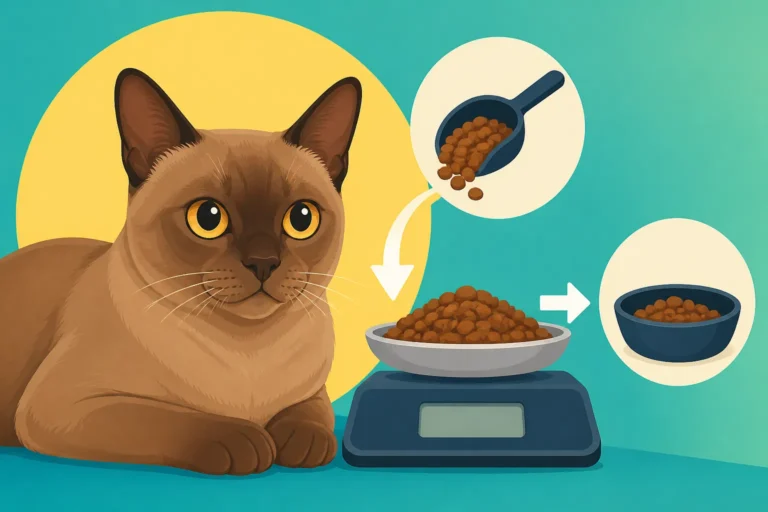
Equally important are healthy fats, particularly omega-3 and omega-6 fatty acids. These “good fats” are crucial for skin hydration and the production of those natural oils that give the Burmese coat its signature satin sheen. Omega-3s, often found in fish oils, have anti-inflammatory properties that can soothe dry or irritated skin, further promoting a healthy coat. Many premium cat foods incorporate these essential fatty acids. If your cat's diet is lacking, you might even consider a vet-approved supplement, although a balanced, high-quality wet food diet is often sufficient. Remember, fats are energy-dense, so while they're vital for coat health, portion control is still key to prevent unwanted weight gain, especially since How Many Calories a Neutered Adult Burmese Burns can be surprisingly low.
Avoiding Carbohydrate Overload for Coat Health
While protein and fat are vital for a healthy coat, understanding what to limit is just as important. For a Burmese, and indeed most felines, excessive carbohydrates are not only unnecessary but can be detrimental to their overall health and, by extension, their coat quality. Cats are obligate carnivores, meaning their digestive systems are optimized for processing meat, not grains or starchy vegetables. High carbohydrate loads can lead to blood sugar spikes, contribute to weight gain, and are a significant factor in the breed's predisposition to diabetes. Why a Burmese Is Four Times More Likely to Become Diabetic is a concern many owners face, and diet plays a huge role.
A diet high in carbohydrates can indirectly impact coat health by taxing your cat's system, potentially leading to inflammation or nutrient malabsorption that prevents the skin and fur from receiving the nourishment they need. It can also contribute to a dull, dry, or even greasy coat as the body struggles to maintain balance. The best approach is to feed a diet that is high in animal protein and low in carbohydrates, ideally through wet food rather than kibble. Many excellent brands, including those found on Chewy, offer formulations specifically designed for feline needs, with a carbohydrate percentage well below what you'd find in most dry foods. Opt for options where meat is the primary ingredient and fillers are minimal.
Hydration: The Unsung Hero of a Glossy Coat
Often overlooked, adequate hydration is a fundamental component of overall health, and this directly translates to the condition of your Burmese's skin and coat. Just like our own skin, a cat's skin needs plenty of moisture to remain supple and healthy. When a cat is chronically dehydrated, their skin can become dry and flaky, and their coat will lose its elasticity and shine, appearing dull and brittle.
Cats, by nature, don't have a strong thirst drive, evolved from their desert-dwelling ancestors who got most of their moisture from their prey. This is why feeding a predominantly wet food diet is incredibly beneficial for a Burmese. Wet food has a high moisture content, often seventy to eighty percent, which helps ensure your cat is taking in enough water throughout the day. This consistent hydration keeps the skin healthy from the inside out, allowing it to produce natural oils more effectively and contributing to that coveted glossy coat. While a fresh water bowl is always essential, relying solely on kibble, which has a very low moisture content, can lead to chronic low-level dehydration, even if you see your cat drinking occasionally. For a truly luminous coat, prioritize a diet rich in moisture, selecting Which Wet Food Suits a Diabetes Prone Burmese to keep their health on track. If your Burmese suddenly starts drinking significantly more water, however, it could be a sign of a health issue like diabetes, and it's always best to consult your vet.
Environmental Factors and Keeping Your Burmese Comfortable
Beyond diet and direct grooming, the environment your Burmese lives in also plays a subtle but significant role in the health and appearance of their coat. A comfortable, stable environment supports overall well-being, and a happy, healthy cat is more likely to have a gleaming coat.
Maintaining Optimal Indoor Climate
The air quality and temperature in your home can affect your Burmese's skin and coat. In many homes, especially during winter months when heating systems are running constantly, the air can become quite dry. This lack of humidity can strip moisture from your cat's skin, leading to dryness, itchiness, and ultimately, a dull-looking coat. Just as dry air can chap human skin, it can make a cat's skin flaky and uncomfortable, inhibiting the healthy production of skin oils.
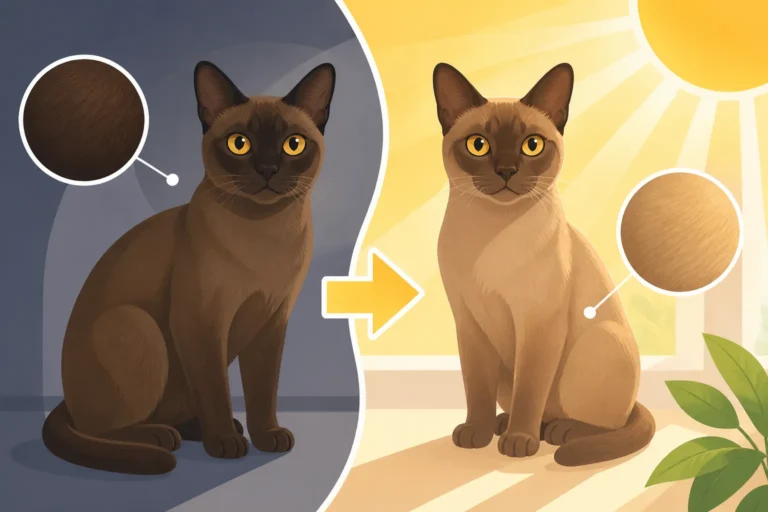
Using a humidifier, particularly in the rooms where your Burmese spends most of its time, can help counteract this issue. Maintaining a comfortable ambient temperature is also important. The Burmese, with its short, single coat and minimal undercoat, is not built for extreme cold. They tend to seek out warmth, often curling up under blankets or finding sunny spots. This isn't just about comfort; it helps them conserve energy that would otherwise be spent on thermoregulation. A cat that is constantly cold might experience stress, which can indirectly affect coat quality. Ensure they have access to cozy, warm spots, especially if Why a Short Coated Burmese Feels the Cold is a noticeable trait in your pet. A heated bed or a soft blanket by a sunny window can make a world of difference, not just for their comfort but for supporting their overall vitality, which reflects in their stunning coat.
Stress Reduction for a Healthy Coat
It might sound surprising, but stress can be a major contributor to a dull or unhealthy coat. Cats are creatures of habit and sensitive to changes in their environment. A stressed cat might exhibit a variety of symptoms, and a deteriorating coat is definitely one of them. For instance, some stressed cats might over-groom themselves to the point of causing skin irritation or hair loss, which definitely won't promote shine. Others might neglect their grooming altogether, leading to a greasy, matted, or dull appearance because they aren't spreading their natural oils effectively.
Identifying and alleviating sources of stress is crucial. This could be anything from changes in household routine, new pets, too much noise, or even feeling lonely if they're left alone for long periods. The Burmese is a highly social breed, often described as the "Velcro cat," and they truly thrive on companionship. Ensuring they have plenty of interaction, mental stimulation through play, and a consistent, safe environment can significantly reduce stress. Consider toys from Amazon that encourage play even when you're busy, or even investing in a second cat if you have a single Burmese who seems lonely, as Why a Second Cat Fixes Most Burmese Problems is a commonly shared insight among breeders and owners alike. A calm, contented Burmese is much more likely to maintain that luxurious, healthy shine that makes them so captivating.
Disclaimer
This article is for general informational purposes only and does not constitute professional advice. Laws, prices and regulations vary by location and change over time. Consult a qualified professional for guidance on your specific situation.