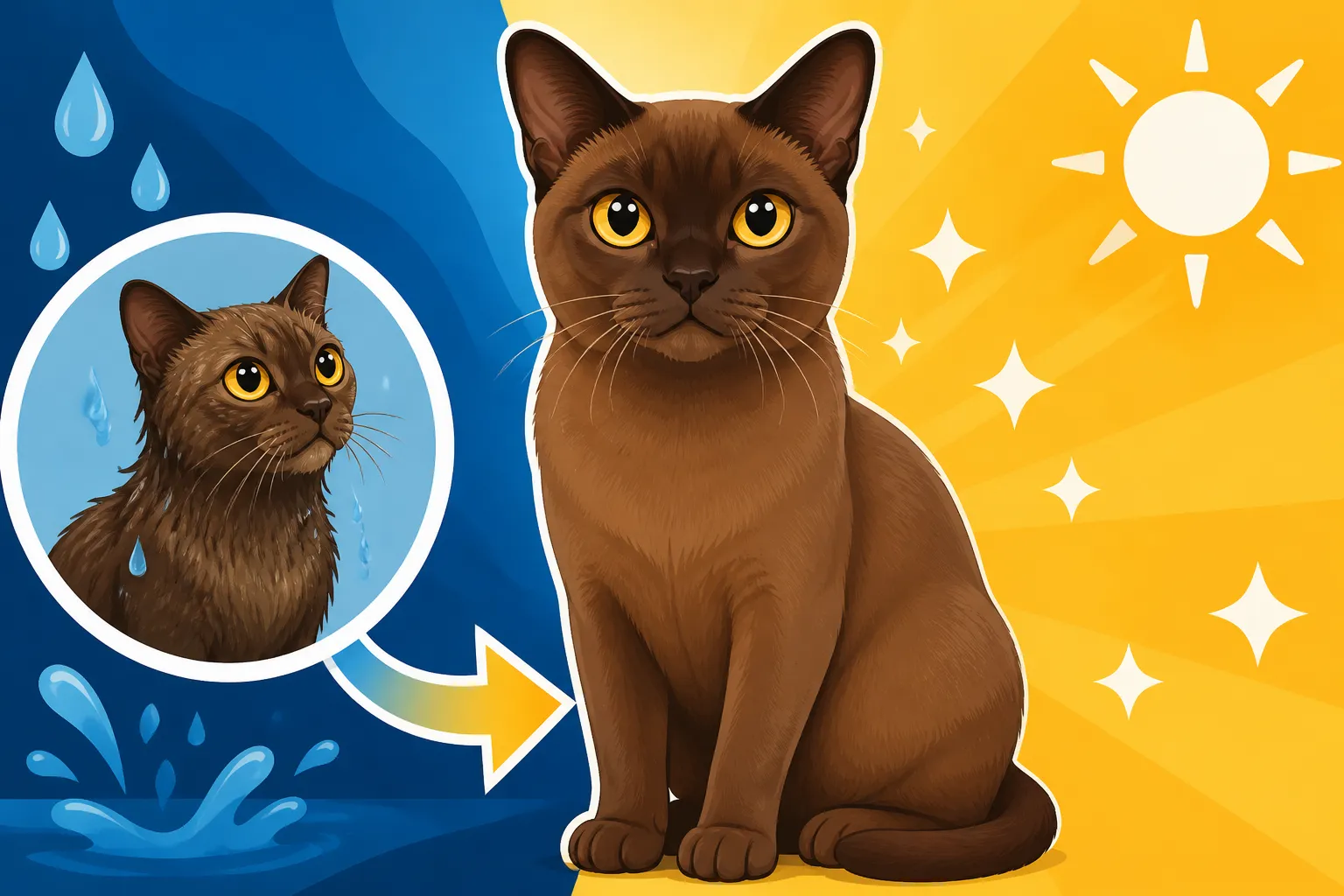
How Quickly a Burmese’s Coat Dries
Anyone who's ever had to bathe a cat knows it can be quite an ordeal, and then there's the lingering question of how long it'll take for them to actually dry. With a Burmese, you might be pleasantly surprised by their efficient drying time compared to some fluffier breeds. This guide will walk you through exactly why your Burmese's coat dries so quickly and how you can make the post-bath process as smooth and speedy as possible for both of you.
Understanding the Burmese Coat's Unique Structure
The secret to a Burmese's fast drying time lies almost entirely in its magnificent coat. Unlike many other cat breeds that boast thick, multi-layered fur, the Burmese coat is designed for sleekness and efficiency. It’s one of their most distinguishing features, and once you understand its composition, the quick drying makes perfect sense.
The "Satin" Texture and Minimal Undercoat
When you run your hand over a Burmese, you immediately notice its distinctive "satin" texture. It's incredibly soft, incredibly short, and lies remarkably flat against their muscular body. This isn't just a tactile pleasure; it's a functional marvel. The individual hairs are fine and close-lying, meaning there's not a lot of 'loft' or space for water to get trapped. Think of it like a smooth, finely woven silk sheet versus a thick, plush wool blanket. The silk sheet will shed water far more readily.
What truly sets the Burmese coat apart, and contributes significantly to its rapid drying, is the almost complete absence of a dense undercoat. Many cat breeds, especially those originating from colder climates, have a thick, woolly undercoat that acts as insulation. While wonderful for warmth, this undercoat also soaks up and holds onto water like a sponge, making drying a lengthy process. Your Burmese, however, lacks this significant water-retaining layer. This means water primarily sits on the top layer of their short, smooth fur, rather than soaking deep into multiple layers of dense fluff. This characteristic is precisely How Short a Burmese's Coat Actually Is and why it feels so unique.
How the Coat Repels Water
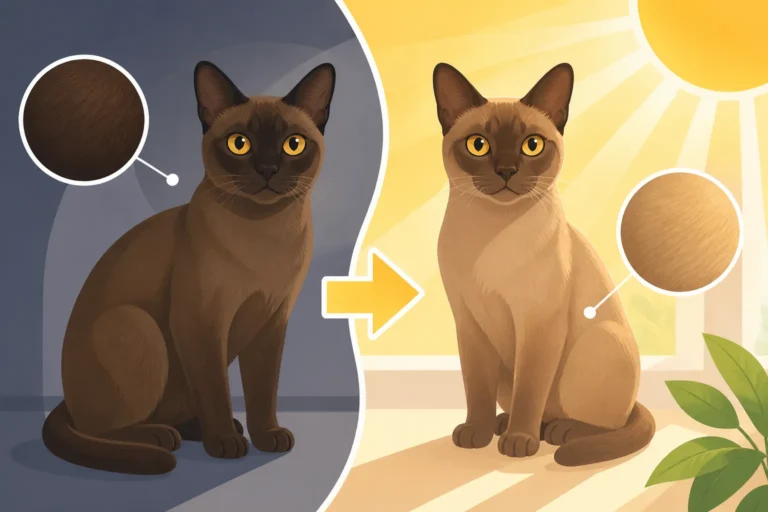
While no cat is truly waterproof, the Burmese coat has a remarkable ability to resist saturation. Because the hairs lie so tightly and are so fine, water tends to bead on the surface rather than immediately soaking in. When you bathe a Burmese, you'll often notice water running off them, almost like oil on water, before it starts to truly wet the fur. This is partly due to the natural oils in their coat, which provide a slight barrier, but primarily it's the sheer density and smoothness of the outer layer of guard hairs.
This natural water repellency means that even when they are fully wet, the water doesn't penetrate as deeply into the hair shaft as it might on a cat with a coarser, more open coat. It's more of a surface wetting, which translates directly to faster evaporation and easier removal with a towel. This is a huge bonus when it comes to bath time, as you're not battling to wring out saturated layers of fur. This is also why How Little a Satin Coated Burmese Sheds is a common observation among owners, as there's simply less loose hair to contend with.
The Actual Drying Process: Factors and Timeframes
Even with their quick-drying coats, the actual time it takes for your Burmese to be completely dry depends on a few key factors. It's not just about the coat itself, but also how you approach the post-bath routine and the environment you're in.
Immediate Post-Bath Action: Towel Drying
The most crucial step in speeding up the drying process for your Burmese is thorough towel drying immediately after their bath. Because their coat doesn't hold much water, a good quality, absorbent towel can remove a surprising amount of moisture very quickly. Don't rub vigorously, which can tangle even short fur and irritate the skin. Instead, gently but firmly pat and blot the water away, working from head to tail. You'll literally see the water being wicked away.
Many owners find that using a soft, highly absorbent microfiber towel works wonders. You might even want to have two or three on hand, especially if your cat is larger, to ensure maximum water absorption. After a good towel-down, your Burmese will feel significantly drier, often just damp to the touch rather than dripping wet. This initial effort drastically cuts down on the overall drying time, whether you then air dry or use additional tools. It also helps to keep them warm and comfortable after their ordeal.
Air Drying vs. Low-Heat Assistance
For many Burmese cats, especially if they're in a warm, comfortable room, simple air drying after a good towel-off is perfectly sufficient. Left to their own devices, often by finding the warmest spot in the house – maybe curled up on your lap under a blanket, or near a sunny window – a Burmese can air dry completely within an hour or two. Sometimes even faster. The body heat of another cat, if you have a pair, can also help speed things along, as Why a Burmese Sleeps Against Another Cat is a common sight.
If you want to speed things up even more, or if the room is a bit chilly, you can use a blow dryer, but extreme caution is advised. Always use the lowest heat setting and hold the dryer a good distance away from your cat's body to prevent overheating or burning their delicate skin. Focus on circulating warm air rather than blasting hot air directly at them. Some professional groomers use specialized forced-air dryers designed for pets, which use powerful, unheated airflow to push water off the coat. If you use one of these, again, ensure the air isn't too strong and always keep it moving to avoid startling or chilling your cat. The goal is comfort and efficiency, not distress.
Environmental Factors Affecting Drying Time
The environment your Burmese dries in plays a considerable role. A warm, dry room with good air circulation will naturally allow their coat to dry much faster than a cool, damp bathroom. Humidity is a big factor; if the air itself is saturated with moisture, evaporation from the coat will be slower.
Consider moving your freshly bathed (and well-toweled) Burmese to a room where the ambient temperature is comfortable and dry. Closing off drafty windows or doors can help maintain a consistent warm temperature. Some people even put their cat in a small, warm, cat-safe room with a small, quiet fan for gentle air circulation, ensuring the cat has a cozy hidey-hole or blanket if they feel chilly. Remember, Why a Short Coated Burmese Feels the Cold more acutely than its fluffier counterparts, so keeping them warm is paramount.
Here's a quick comparison of typical drying scenarios:
| Drying Method | Towel Dry Only | Towel Dry + Warm Room Air Dry | Towel Dry + Low Heat Blow Dryer |
|---|---|---|---|
| Typical Drying Time | 1-3 hours (damp to touch) | 45-90 minutes (mostly dry) | 30-60 minutes (fully dry) |
| Comfort Level for Cat | High, if kept warm | High, if room is comfortable | Moderate to High (if introduced gently) |
| Effort Required | Low after initial towel dry | Low after initial towel dry | Moderate (requires supervision) |
| Risk of Chilling | Moderate (if room is cool) | Low (if room is warm) | Low |
| Best for Anxious Cats | Yes | Yes | Only if accustomed to dryer |
Practical Tips for a Speedy and Stress-Free Drying Experience
Making bath time, and especially drying time, a positive experience is key to a happy Burmese. While their quick-drying coats are a blessing, a few strategies can make the process even smoother for both of you.
Pre-Bath Preparation for Faster Drying
A little preparation goes a long way. Before you even get your Burmese wet, make sure you have everything you need within arm's reach. This includes:
- Multiple absorbent towels: As mentioned, microfiber towels from places like Chewy or Amazon can be incredibly effective.
- Cat-safe shampoo: Rinsing shampoo thoroughly prevents residue that can actually make the coat feel greasy and potentially slower to dry.
- A quiet, warm space: Ensure the bathroom or designated drying area is comfortably warm beforehand.
- Brushing: Give your Burmese a good brush before the bath. While their short coat doesn't usually tangle, removing any loose hairs or debris means fewer things for water to cling to, leading to more efficient water runoff and quicker drying. This also helps you understand How Many Minutes a Month a Burmese's Coat Takes for routine care.
Having everything prepped means you can transition directly from rinsing to drying without delays, minimizing the time your cat is wet and potentially uncomfortable.
Post-Bath Comfort and Monitoring
Once you've given your Burmese a good towel rub-down, it's crucial to ensure their comfort while they finish drying. Don't just let them wander off to a cold spot! Many Burmese love warmth and will naturally seek out a cozy blanket, a sunny spot, or your lap. Offering them a warm, soft blanket to burrow into can make a world of difference. You can find excellent, plush pet blankets on Chewy or Amazon that retain heat well.
Keep an eye on them for the next hour or two. Are they shivering? Are they seeking out warmth? If so, gently wrap them in another warm towel or hold them close. While their coat dries quickly, they can still get chilled if the environment isn't warm enough. A fully dry Burmese will feel completely warm and soft to the touch, with no residual dampness or coolness in their fur. If you're concerned about their energy levels or appetite after a stressful bath, remember that high-quality, palatable food can be a great comfort. Fresh food options might tempt a cat who's feeling a bit out of sorts. After all, Why a Burmese's Appetite Goes When It Is Unhappy is a common trait.
By being mindful of their coat's unique properties and implementing these simple strategies, you'll find that drying your Burmese after a bath is surprisingly quick and much less of a chore than with other breeds.
Disclaimer
This article is for general informational purposes only and does not constitute professional advice. Laws, prices and regulations vary by location and change over time. Consult a qualified professional for guidance on your specific situation.