Which Shampoo Keeps a Burmese’s Satin Coat Glossy
It's a common thought among Burmese cat owners: "My cat barely sheds, and their coat always looks so silky, do I even need shampoo?" It's true, the Burmese cat's incredible satin coat is remarkably low-maintenance, often managing its own pristine appearance. However, there are definitely times when a little sudsy intervention is necessary, whether it's an accidental mishap, a medical need, or preparing for a special event. When those times arise, choosing the right shampoo is key to maintaining that signature gloss and keeping your beloved companion comfortable. This guide will walk you through exactly what to look for, what to avoid, and how to make bath time as smooth as their coat.
Understanding the Burmese Satin Coat: Why Less is More (and When More is Necessary)
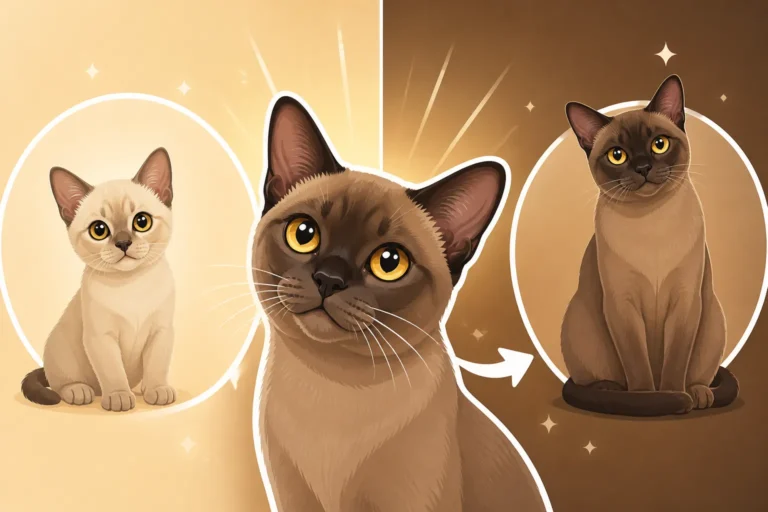
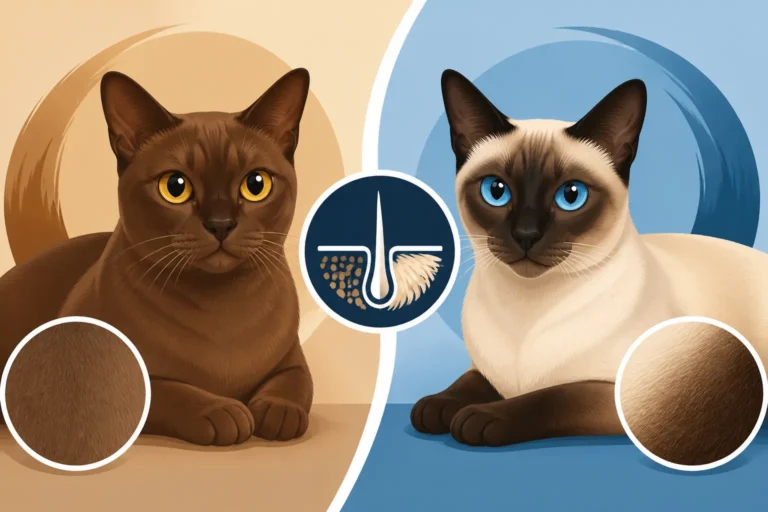
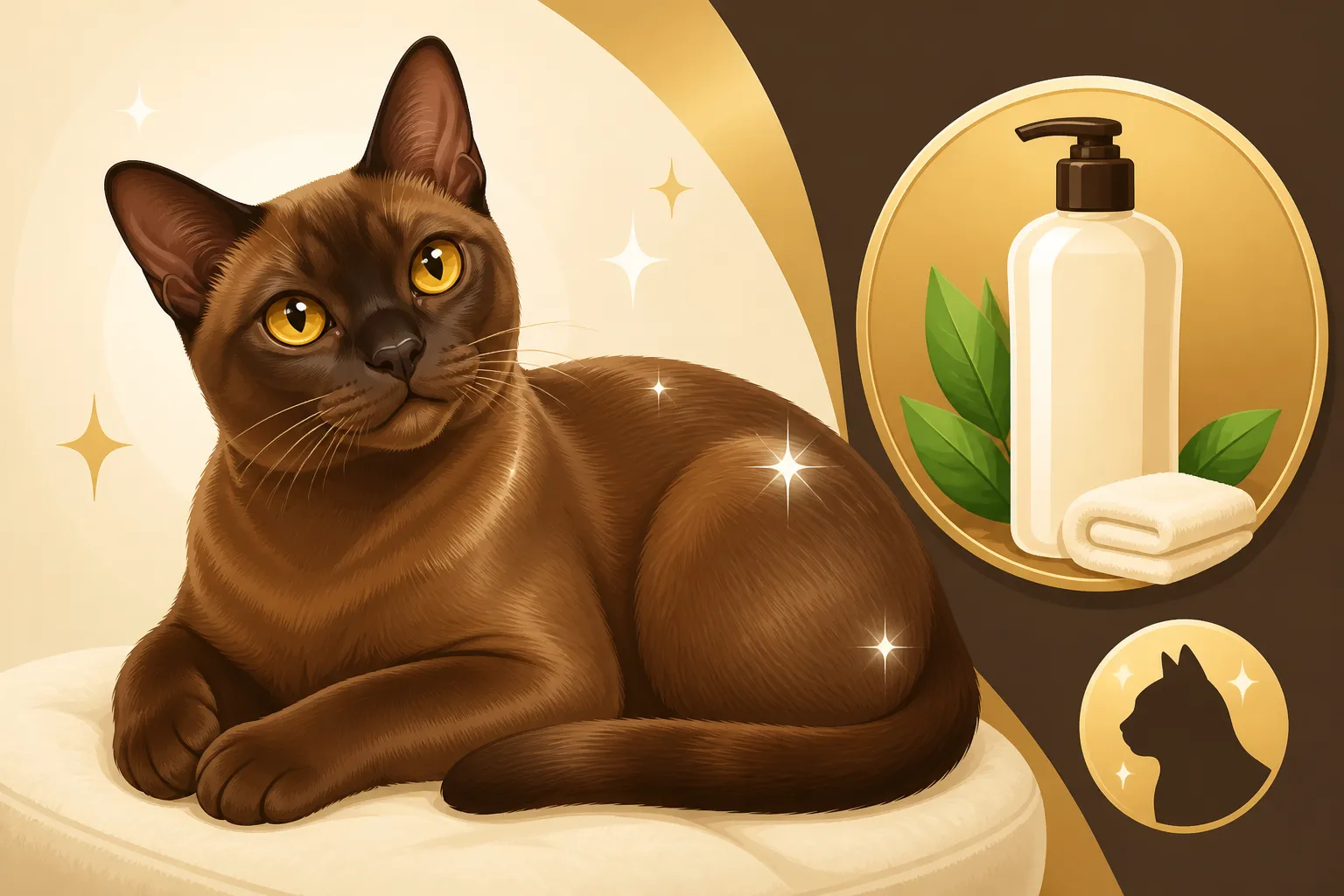
The Burmese is celebrated for its incredibly short, fine, and famously "satin" coat. It feels like silk to the touch, and it lies remarkably flat against their muscular body. Unlike many other breeds, they have very little to no undercoat, which is a major reason why they shed so little and generally manage to keep themselves immaculate. This unique coat structure means their grooming needs are minimal, and often, a quick wipe with a chamois cloth is all that's required to bring out that spectacular shine. How Little Hair a Satin Coated Burmese Leaves Behind
However, "minimal" doesn't mean "never." Life happens, and even the most fastidious feline can find themselves in a predicament that necessitates a proper bath. Perhaps they've explored something a little too enthusiastically in the garden, tracking in mud or worse. Maybe they've had an upset tummy, and some unfortunate accidents have made their way onto their beautiful fur. Medical conditions can also sometimes require therapeutic bathing, or perhaps you're showing your Burmese and want them looking their absolute best. In these instances, reaching for just any old shampoo can do more harm than good, potentially stripping their natural oils or irritating their delicate skin.
The Unique Properties of a Burmese Coat
Think about what makes the Burmese coat so special: its single-layer construction, its incredible softness, and its tendency to lie flat. This isn't a coat that requires extensive detangling or de-shedding treatments. Instead, the focus for any grooming product should be on gentle cleansing that preserves the coat's natural oils and enhances its inherent shine, rather than fighting against tangles or mats that simply aren't there. Anything too harsh will strip the coat, leaving it dull and potentially causing skin irritation that your Burmese certainly doesn't deserve.
Many owners, myself included, have gone through the phase of wondering if there's some secret product we should be using regularly. But with a Burmese, the secret is often in understanding that their natural oils and diligent self-grooming are usually sufficient. Intervening too often or with the wrong products can disrupt their skin's microbiome and lead to dryness, itchiness, or even a duller coat. How Many Minutes a Month a Burmese's Coat Takes The goal isn't to create a shine, but to reveal the shine that's already there once any dirt or grime is removed.
Choosing the Right Shampoo for the Unique Burmese Coat: Ingredients to Look For and Avoid
When you do need to bathe your Burmese, the shampoo you choose is paramount. You're looking for something that cleans effectively without being overly harsh. It needs to rinse cleanly, leaving no residue, and ideally, support the health of both their skin and their distinctive coat. Remember, their skin is right there, just under that short fur, so gentle formulations are key.
Essential Ingredients and Characteristics to Prioritize
Look for shampoos that are designed with sensitive skin and natural pH balance in mind. A cat's skin pH is different from a human's, so never use human shampoo on your Burmese. Here are some characteristics and ingredients to keep an eye out for:
- Hypoallergenic or Sensitive Skin Formulas: These shampoos are typically free from common irritants like harsh fragrances, dyes, and sulfates. Given the Burmese's short coat and close-lying fur, any skin irritation becomes immediately apparent and uncomfortable for them. Opting for a hypoallergenic formula minimizes the risk of allergic reactions or dryness. Many reputable brands offer such options, often readily available on platforms like Chewy or Amazon.
- Moisturizing Agents: Ingredients such as oatmeal, aloe vera, and various botanical extracts (like chamomile or calendula) can be wonderfully soothing and hydrating for the skin and coat. These help to replenish moisture, preventing dryness that can lead to flakiness or dullness. A well-hydrated coat is a glossy coat.
- Natural, Mild Cleansers: Look for formulas that use plant-derived cleaning agents rather than harsh chemical detergents. Cocamidopropyl betaine or mild coconut-based cleansers are good examples. These effectively lift dirt and oils without stripping the protective lipid barrier of the skin.
- Tearless Formulas: Even if you're extra careful, a little shampoo can sometimes get near their eyes. Tearless formulas are designed to be less irritating if this happens, making the experience less stressful for your cat.
- No Strong Fragrances: While a pleasant scent might appeal to us, strong perfumes can be overwhelming for a cat's sensitive nose and can sometimes cause skin irritation. A good cat shampoo should have a very mild, natural scent, or be completely fragrance-free. Your Burmese will thank you for it.
Ingredients and Product Types to Actively Avoid
Just as important as knowing what to look for is understanding what to steer clear of. Many common shampoo ingredients can be detrimental to a Burmese's skin and coat health.
- Sulfates (like Sodium Lauryl Sulfate – SLS or SLES): These are harsh detergents that create a lot of lather but can strip natural oils from the skin and coat, leading to dryness, irritation, and a dull appearance. For a Burmese, this can be particularly problematic due to their minimal undercoat, leaving their skin more exposed.
- Artificial Dyes and Perfumes: As mentioned, these are common culprits for allergic reactions and skin sensitivities in cats. They add no benefit to the cleaning process and only increase the risk of an adverse reaction.
- Phthalates and Parabens: These are preservatives and chemicals sometimes found in grooming products that many pet owners prefer to avoid due to potential health concerns, though specific effects on cats are still being researched. Opting for products free of these is generally a safer bet.
- Insecticidal Shampoos (unless directed by vet): Unless your cat has fleas or ticks and your vet has specifically prescribed an insecticidal shampoo, avoid these. They are medicated and can be harsh on their skin if not truly needed. They are not for routine bathing.
- "Deodorizing" Shampoos with strong scents: Often, these shampoos just mask odors with powerful fragrances rather than truly cleaning. If your Burmese has an odor, it's usually a sign they need a proper, gentle cleanse, not just a perfumed mask. Persistent odor could also indicate a medical issue that warrants a vet visit.
Here's a quick comparison of shampoo types:
| Shampoo Type | Benefits for Burmese | What to Watch Out For |
|---|---|---|
| Hypoallergenic/Sensitive | Ideal for most Burmese, minimizes irritation, gentle cleansing. | May not tackle extreme dirt or strong odors as effectively. |
| Moisturizing (Oatmeal/Aloe) | Soothes dry skin, adds hydration, enhances natural shine. | Some may contain fragrances; check ingredient list carefully. |
| Natural/Organic | Often free of harsh chemicals, dyes, and perfumes. | "Natural" doesn't always mean gentle; verify specific ingredients. |
| Medicated (Vet Prescribed) | Targets specific skin conditions (e.g., fungal, bacterial). | Only use under vet guidance; can be too strong for regular use. |
| Waterless/Dry Shampoo | Good for quick touch-ups, fearful cats, or cold weather. | Doesn't provide a deep clean; can leave residue if overused. |
| Deodorizing | Claims to remove odors. | Often relies on strong perfumes; check for gentle, cleaning agents. |
If you're unsure which shampoo to pick, a great starting point is always to look for products labeled "cat specific" and "hypoallergenic." Brands that prioritize natural, gentle ingredients are also a good bet. Often, you can find excellent options from pet supply retailers like Chewy or even through general online shopping like Amazon, by carefully reading product descriptions and customer reviews focused on sensitive pets.
The Gentle Art of Bathing a Burmese: Making the Rare Event Stress-Free
Even with the perfect shampoo, bath time can be a daunting prospect for any cat owner. Burmese cats, while generally more tolerant and people-oriented than many breeds, still aren't naturally fond of water. The key to success is making the experience as calm and quick as possible. Remember, this is a rare event for most Burmese, so a little extra planning goes a long way. The Only Times a Burmese Actually Needs a Bath
Preparing for Success: Gather Your Tools
Before you even think about putting your Burmese near water, have everything ready. This will minimize the time your cat spends wet and unhappy.
- Choose a warm, quiet spot: A small bathroom sink or a laundry tub can work well. Close the door to prevent escapes.
- Gather your supplies:
- Your chosen gentle, cat-specific shampoo.
- Several soft towels (have one warming in the dryer beforehand for extra comfort).
- A rubber mat for the bottom of the sink/tub to prevent slipping, which can be very unsettling for a cat.
- A small cup or pitcher for rinsing (some prefer a gentle spray nozzle if their cat tolerates it).
- A few treats to offer during and after the bath.
- Cotton balls to gently place in their ears before the bath to help prevent water from entering the ear canal, which can lead to infections.
- Ensure a comfortable water temperature: Test the water with your elbow; it should be lukewarm, not hot or cold. Fill the basin with just a few inches of water, enough to wet their paws and belly, but not deep enough to make them feel submerged.
The Step-by-Step Gentle Bathing Process
Approach your Burmese calmly and confidently. If you're stressed, they'll pick up on it.
- Pre-brush (optional but recommended): While a Burmese coat rarely tangles, a quick brush before a bath can help remove any loose hairs and stimulate the skin. How Rarely a Burmese's Satin Coat Needs Anything Done
- Introduce to water slowly: Gently place your Burmese into the prepared basin. Speak in a soothing voice. Start by wetting their paws, then gradually move up their body using your cup or a damp cloth. Avoid splashing.
- Apply shampoo sparingly: Work a small amount of shampoo into a lather in your hands, then gently massage it into their coat, working from neck to tail. Pay special attention to any soiled areas. Avoid getting shampoo in their eyes, ears, or nose.
- Rinse, rinse, rinse: This is perhaps the most crucial step. Any shampoo residue left on the coat can cause skin irritation or dullness. Use your cup or gentle sprayer to thoroughly rinse all traces of shampoo, ensuring the water runs clear. Start from the head (avoiding eyes/ears) and work your way down.
- Towel dry thoroughly: Immediately wrap your Burmese in a warm, soft towel. Gently pat and rub to absorb as much water as possible. Have a second dry towel ready. Burmese coats dry relatively quickly due to their lack of undercoat, but ensuring they are mostly dry prevents them from getting chilled. How Quickly a Burmese's Coat Dries
- Post-bath pampering: Once they're mostly dry, let them go to a warm, draft-free room. Offer praise and those special treats. Some cats enjoy being held and cuddled after a bath, while others just want to groom themselves back to perfection.
Important Considerations for Bath Time
- Never use a hairdryer on full heat: A hairdryer can be scary, and the heat can burn their sensitive skin. If you must use one, ensure it's on the coolest setting and held at a safe distance. Most Burmese do just fine with thorough towel drying.
- Team effort: If your Burmese is particularly squirmy, having a second person to gently hold and reassure them can make the process much smoother for everyone involved.
- Don't over-bathe: The less frequent the baths, the better for your Burmese's natural coat health. Only bathe them when truly necessary. If they're generally clean, a simple wipe-down is always preferred over a full bath.
Beyond Shampoo: Maintaining That Glossy Sheen
While shampoo plays a specific role in cleansing, the overall gloss and health of your Burmese's satin coat are a testament to their general well-being. Good nutrition, routine care, and a watchful eye on their health contribute far more to that lustrous shine than any single grooming product could.
The Power of a Healthy Diet
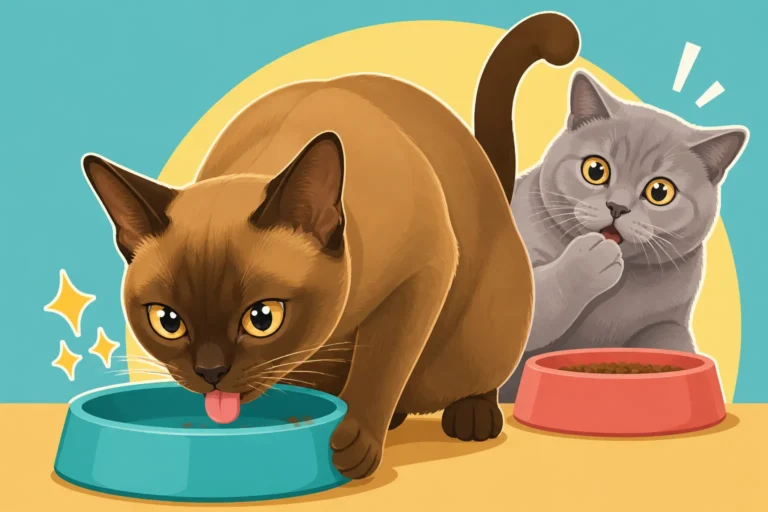
You might be surprised how much diet impacts coat health. A high-quality diet, rich in essential fatty acids (like Omega-3s and Omega-6s), is fundamental for healthy skin and a shiny coat. Look for cat foods that list real meat as the primary ingredient and avoid excessive fillers. These fatty acids help maintain skin barrier function and contribute directly to the luster and softness of the fur. Why Low Carbohydrate Food Matters for a Burmese
Many commercial cat foods today are formulated with coat health in mind, often fortified with biotin, zinc, and other vitamins beneficial for skin and fur. If you're feeding a balanced, species-appropriate diet, you're already doing wonders for your Burmese's magnificent coat. You might even find some specialized nutritional supplements that aim to boost skin and coat health, but always discuss these with your vet first to ensure they're appropriate for your individual cat.
Regular Wipes and Gentle Attention
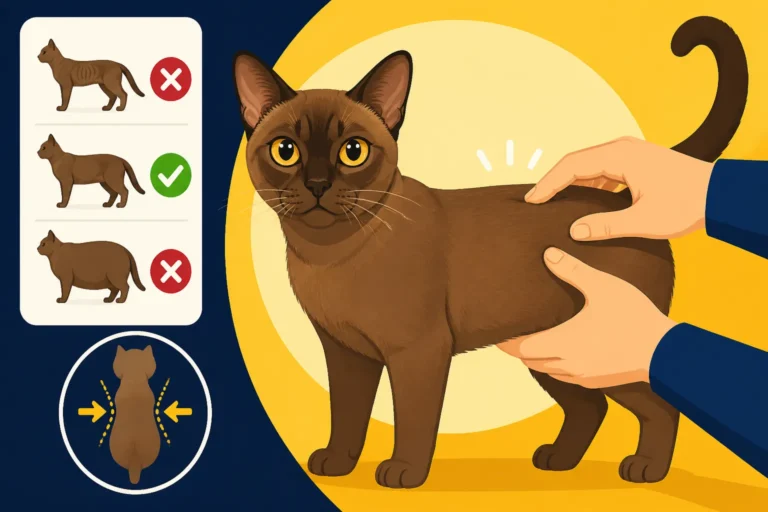
As mentioned earlier, the Burmese coat is incredibly low maintenance. Daily brushing is generally unnecessary, but a quick rub down with a chamois cloth or a soft grooming mitt a few times a week can do wonders. This action not only removes any loose hairs and dust but also stimulates the natural oils in their skin, distributing them evenly across the coat, which enhances that satin-like sheen. Which Chamois Brings Up a Burmese's Satin Shine
This routine interaction also serves as a wonderful bonding opportunity. Your Burmese loves attention, and these gentle grooming sessions can be a relaxing ritual for both of you. It also allows you to regularly check their skin for any unusual bumps, redness, or dryness that might indicate an underlying issue. Why a Burmese Treats Grooming as Attention
Environmental Factors and Overall Health
Keep an eye on their environment. A very dry indoor environment, especially during winter months, can sometimes lead to dry skin and a duller coat. While humidifiers can help, good internal hydration from their diet is usually more effective. Ensure your Burmese always has access to fresh water, and if they're a fan, a water fountain can encourage more drinking. Whether a Fountain Gets a Burmese Drinking Enough
Finally, and most importantly, the overall health of your Burmese directly reflects in their coat. A dull, dry, greasy, or flaky coat can sometimes be one of the first indicators of a health problem, such as dietary deficiencies, allergies, hormonal imbalances, or even systemic illnesses like diabetes. Why a Burmese Hides Illness Behind Its Affection If you notice a significant, unexplained change in your Burmese's coat quality, a visit to the vet is always a good idea. They can help identify any underlying issues and recommend appropriate treatments, which might include specific therapeutic shampoos or dietary changes. By paying attention to these holistic aspects of care, you'll ensure your Burmese maintains that beautiful, glossy coat for years to come, a true testament to their radiant health.
Disclaimer
This article is for general informational purposes only and does not constitute professional advice. Laws, prices and regulations vary by location and change over time. Consult a qualified professional for guidance on your specific situation.