When a Burmese Kitten’s Adult Color Settles
It’s one of the most exciting mysteries of owning a Burmese kitten: watching their coat transform from that soft, often paler baby fur into the deep, rich adult color you fell in love with. Many new Burmese parents feel a touch of impatience, wondering when that final, stunning hue will truly emerge. This guide is here to walk you through the fascinating journey of your Burmese kitten’s color development, explaining the science, the timeline, and all the factors that play a part in their magnificent coat.
The Unique Genetics Behind Burmese Color
The beautiful, distinctive color of a Burmese cat isn't just skin deep; it's a fascinating genetic marvel that makes them truly stand out. Unlike many other breeds where kittens might be born with a fairly close approximation of their adult shade, Burmese kittens start their lives considerably lighter, almost like little shadows of their future selves. This isn't a flaw or an inconsistency; it's by design, thanks to a very special gene.
The Temperature-Sensitive cb Allele
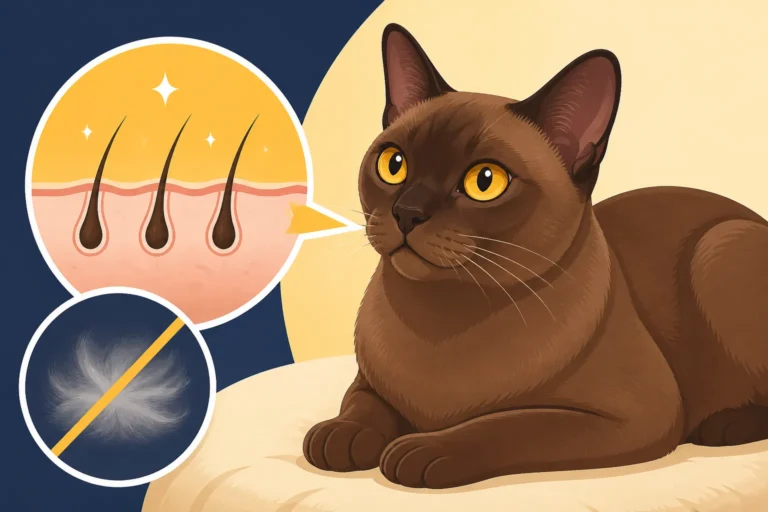
At the heart of the Burmese's color transformation is a specific gene, known as the cb allele. This isn't just any gene; it's a temperature-sensitive one, and it's responsible for that lovely depth of color that darkens as your kitten matures. What this means in simple terms is that the cooler parts of your cat's body will develop a deeper pigment, while warmer areas tend to stay lighter. This is why you'll often notice a Burmese cat has darker points—ears, paws, tail, and face—even as a kitten. It's a subtle but powerful genetic instruction. You can dive deeper into this fascinating genetic trait by reading about The cb Allele Is What Makes a Burmese Brown.
Imagine a tiny thermostat inside your kitten's body, directing where the color develops most intensely. This allele basically says, "Okay, where it's a little cooler, like the tips of the ears or the ends of the paws, let's lay down more pigment." This is also why a Burmese's body color isn't completely uniform. There's a beautiful gradient that creates that coveted rich, satin-like appearance. It's not just about getting darker; it's about getting richer and more complex in its shading.
Why Burmese Kittens Are Born Paler
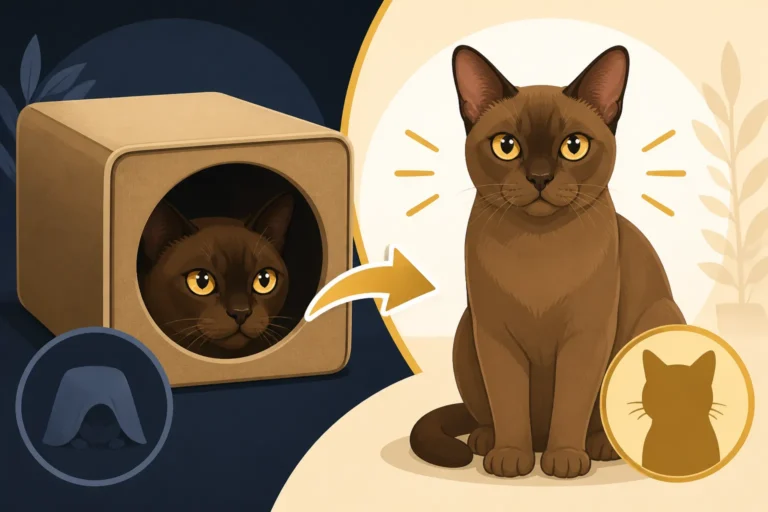
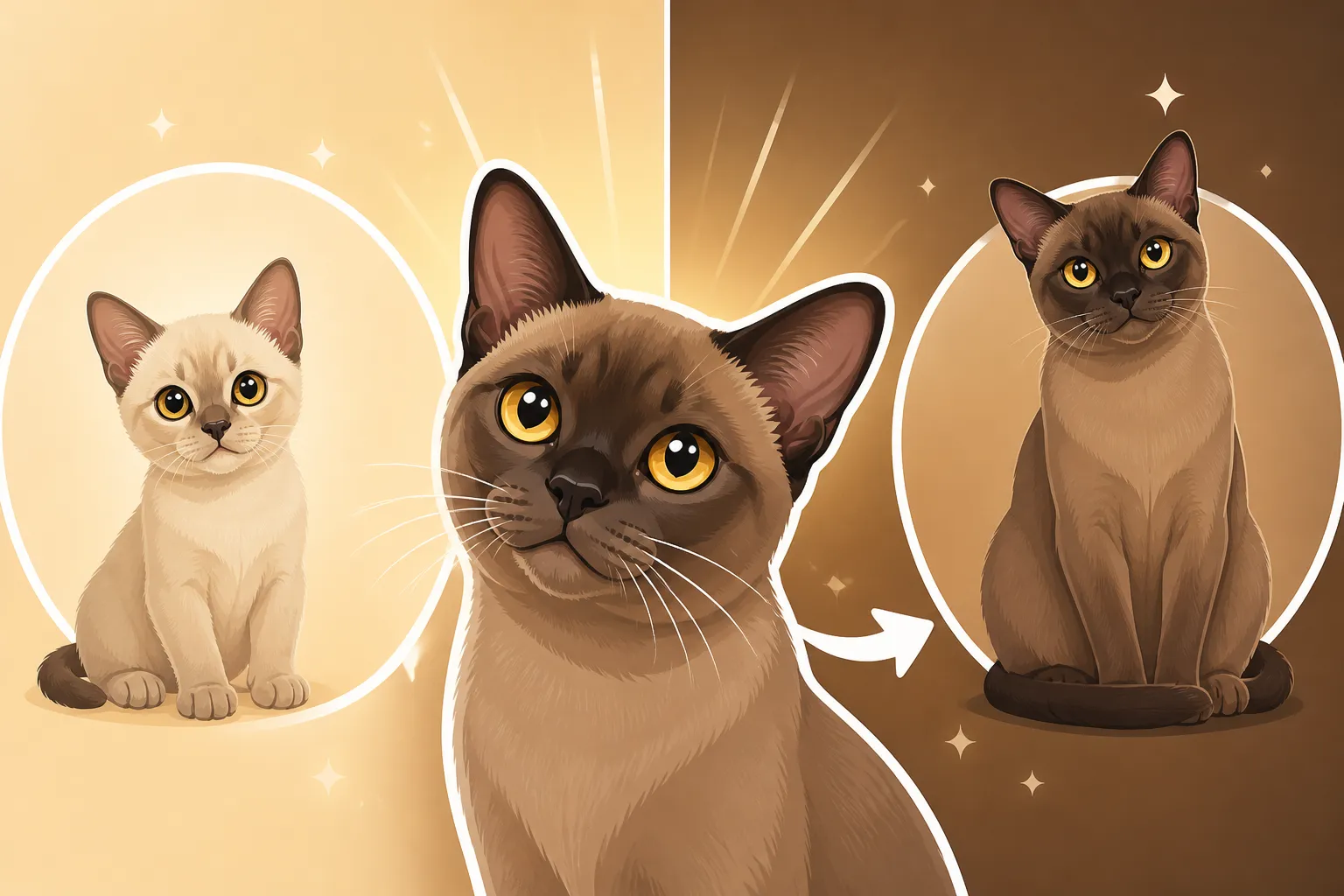
So, why the light start? Well, think about where a kitten spends its first few weeks: nestled snugly in its mother's warm womb. The consistent warmth inside the womb actually inhibits the full expression of that temperature-sensitive gene. It's too cozy and warm for the color to fully develop! This results in most Burmese kittens being born significantly lighter than their eventual adult color, often a creamy beige or a very pale grey. This initial paleness can sometimes surprise first-time Burmese owners, who might be expecting something closer to the deep brown or blue they've seen in adult cats.
As they emerge into the wider world, their bodies begin to experience varying temperatures, especially on their extremities. This exposure to slightly cooler temperatures kicks the cb allele into gear. The process is gradual, much like watching a photo slowly develop in a darkroom. It’s a wonderful phenomenon to witness, as day by day, week by week, those creamy baby coats start to gather depth and hue, hinting at the splendor to come. Don't worry if your little one looks a bit washed out at first; it's all part of their unique charm and development. In fact, understanding Why a Burmese Kitten Is Born Paler Than It Ends Up helps you appreciate this natural process even more.
The Typical Timeline for Color Development
Watching your Burmese kitten's color deepen is a slow, delightful reveal, not a sudden splash of paint. It's a journey that unfolds over many months, and sometimes even years, as their unique genetics respond to their environment and maturation. Patience is truly a virtue when you're waiting for that stunning adult coat to fully emerge.
The First Few Weeks and Months
In those initial weeks after birth, you'll start to see the first hints of their true color, particularly on their points. Their ears, nose leather, paw pads, and tail tip will typically darken first, as these are the coolest parts of their tiny bodies. By about 6-8 weeks, the general body color will begin to show a more noticeable shift from the initial creamy or pale shade. It's usually a subtle deepening, a warming of the tone, rather than a dramatic change.
As your kitten moves into the 3-6 month range, this darkening trend continues. You'll observe a more consistent and richer hue developing across their body, though it still won't be as deep or saturated as their eventual adult coat. This is a period of rapid growth and exploration for your kitten, and their color development is just one exciting aspect of their transformation. Think of this as the "teenage" phase for their coat – still developing, with plenty of potential yet to be revealed. When a Burmese Kitten's Color Settles delves into this period more deeply.
Reaching Full Adult Color
The full, rich adult color of a Burmese often doesn't settle until they are much older, typically between 12 and 18 months of age. For some, especially the very darkest shades like sable, it can even continue to deepen and develop nuance well into their second year, even up to two or three years old. It’s a long game, but the result is always worth the wait. This gradual maturation allows for that incredible depth and lustrous quality that Burmese coats are so famous for.
During this extended period, you'll notice their body color becoming more uniform and intensely pigmented, blending seamlessly with their darker points. The "satin" feel of their coat will also become more pronounced, reflecting light in that unique way. This prolonged development is part of what makes the Burmese so captivating – they continuously evolve, offering new shades and dimensions to their beauty as they grow. It’s not just a color change; it’s a full metamorphosis into their magnificent adult form.
Factors Influencing Your Burmese's Final Shade
While genetics lay the groundwork for your Burmese kitten's color, several environmental and physiological factors can subtly — or even dramatically — influence the final shade and depth of their beautiful coat. It's like having a recipe, but the cooking conditions still make a difference to the outcome! Understanding these elements can help you appreciate the nuances of your cat's evolving appearance.
Environmental Temperature
Because the Burmese color gene is temperature-sensitive, the ambient temperature of your home, and even how much your cat loves a sunbath, can affect their coat. Cats living in consistently cooler environments might develop a slightly deeper, richer overall body color compared to those in warmer climates or who spend a lot of time basking in sunny windows. The cooler air allows the pigment to express more fully. Conversely, a cat that spends a lot of time in direct sunlight or on warm surfaces might have a slightly lighter or less intensely pigmented coat.
It's not a night-and-day difference, but rather a subtle variation in the richness of the shade. If you have two Burmese cats from the same litter, raised in different household environments, you might see slight differences in their overall coat depth due to temperature exposure. This is also Why a Burmese's Color Gene Reacts to Temperature, making them a living, breathing testament to genetics and environment. Many Burmese owners will tell you their cat loves a warm spot, often seeking out radiators or snuggling deep under blankets, and you can definitely tell that Why a Burmese Seeks Out the Warmest Spot is connected to their desire for comfort, but also impacts their color slightly.
Diet and Nutrition
While diet isn't going to turn a blue Burmese into a sable, good nutrition plays a crucial role in the overall health and vibrancy of your cat's coat. A high-quality diet, rich in essential fatty acids and proteins, supports healthy skin and hair follicles, which in turn allows for the best possible expression of their genetic color. A poor diet, on the other hand, can lead to a duller coat, even if the underlying genetic color is sound.
Think of it like this: if the building blocks for healthy hair aren't there, the color won't have that vibrant, satin-like sheen that Burmese are known for. Many reputable brands prioritize high-quality ingredients that support overall feline health, including coat condition. Always ensure your Burmese is receiving a balanced diet suitable for their age and activity level to support their natural beauty.
Age and Hormonal Changes
As we've discussed, age is a primary driver of color development, with the deepest hues appearing in maturity. Beyond just "getting older," hormonal changes can also play a subtle role. For instance, spaying or neutering can sometimes lead to slight changes in coat texture or color density, though this is often less pronounced than in some other breeds. These hormonal shifts, which occur as a cat matures into adulthood, can influence the skin and hair, thereby impacting the final presentation of the coat.
Additionally, as a Burmese cat ages into its senior years, you might notice some very slight lightening or even a scattering of white hairs, particularly around the muzzle, much like humans grey. This is a natural part of the aging process and usually doesn't impact the overall integrity of their magnificent coat. It's a reminder of their long, cherished life with you.
Understanding the Four Main Burmese Colors
The Burmese breed is celebrated for its stunning, uniform coat colors, each possessing a unique depth and warmth. While the genetic mechanism for darkening is the same across all colors, the base pigment dictates the final, exquisite shade you'll see in your adult cat. These are the four generally accepted colors, each a testament to the breed's beauty.
Sable Burmese (Brown)
The Sable is the quintessential Burmese color, often described as a rich, warm, dark brown. Sometimes referred to as "Brown" in some registries, it's the darkest of the four traditional colors. Sable kittens are typically born a pale, warm beige or light tan. As they mature, their coat progressively deepens, transforming into that iconic, lustrous sable shade that feels like silk and gleams like polished mahogany.
The darkening process for a Sable Burmese is particularly striking. You’ll see the color build layer upon layer, moving from creamy to light brown, then to a milk chocolate, and eventually to a deep, dark, rich brown. Even at full maturity, there can be subtle variations, with some Sables leaning more towards a golden-brown and others a deep, almost black-brown in certain lights. What a Sable Burmese Looks Like will give you a perfect mental image of this stunning transformation. This deep color also reacts beautifully to temperature; a Sable cat that enjoys snuggling in warm spots might maintain a slightly lighter body tone than one who prefers cooler corners of the house.
Champagne Burmese (Chocolate)
Champagne Burmese are often called "Chocolate" in other parts of the world, and their color is a delightful lighter, warmer shade of brown compared to Sable. Kittens start even paler, usually a pale fawn or ivory, sometimes with a subtle pinkish undertone. The champagne color develops into a warm, milky coffee hue, often with a delicate rosy-beige overlay. It's less intense than sable but equally rich and captivating.
The journey to full Champagne color involves a gentle deepening. From that initial fawn, it gradually warms and darkens, but never reaches the intensity of a Sable. You'll notice the points—ears, paws, and tail—will also be a distinct chocolate brown, providing a lovely contrast or blend with the body color. The elegance of a Champagne Burmese lies in its softer, yet still very profound, warm brown tones. If you're looking for a slightly softer brown, What a Champagne Burmese Looks Like is exactly what you should consider.
Blue Burmese
The Blue Burmese is a cool, sophisticated color, best described as a medium grey with a distinct bluish sheen. Blue kittens are born a very pale silver or dove grey, sometimes almost white. As they grow, their coat gradually deepens into that elegant slate-grey blue, often with a powdery finish that sets it apart. The intensity of the blue can vary from a lighter silver-blue to a deeper, more profound slate.
Just like the other colors, the points of a Blue Burmese will be a darker shade of blue, defining their ears, paws, and tail. The contrast between the initial pale kitten coat and the eventual sleek blue adult coat is truly remarkable. This color often has a very ethereal quality, especially when the light catches the satin sheen of their fur. For a visual representation, consider searching for images of What a Blue Burmese Looks Like. It's a color that exudes calm and grace.
Platinum Burmese (Lilac/Lavender)
Platinum Burmese, often known as "Lilac" or "Lavender" in other regions, are the palest of the four traditional colors, but no less stunning. Their coat is a delicate, warm, silvery-grey with a subtle pinkish or frosty cast. Platinum kittens are usually born incredibly pale, often appearing almost white or a very light, cool cream.
The development of the Platinum color is subtle and refined. It evolves into a beautiful frosty grey that can sometimes look like a soft, muted lavender in certain lighting. The points will also be a soft, frosty grey, blending seamlessly with the body. While it doesn't have the dramatic darkening of a Sable, the transformation from near-white kitten to the delicate adult Platinum is quite beautiful. It’s a color that speaks of understated elegance and softness. If this sounds like your cup of tea, you'll want to see What a Platinum Burmese Looks Like. These four colors offer a wonderful range within the Burmese breed, each with its own unique development path.
Observing and Enjoying Your Burmese's Color Journey
The period during which your Burmese kitten's adult color settles is a truly special time. It’s a chance to witness the fascinating natural processes at play and to celebrate the unique beauty of your individual cat. Rather than just waiting for a finished product, embrace the journey! Each stage of their coat's development offers new insights into their genetics and identity.
Documenting the Changes Over Time
One of the most rewarding ways to enjoy this process is to document it. Take regular photos of your kitten, perhaps once a month, in the same lighting conditions. You’ll be amazed at the subtle and not-so-subtle shifts in their coat color and depth over time. It’s like creating a living timeline of their transformation. This can also be a fun project for the whole family, helping everyone appreciate the nuances of your pet's development.
You can create a little photo album or even a digital folder dedicated to their "color journey." When your Burmese is fully grown, looking back at those early photos will highlight just how much they've changed and deepened in color. This also helps you observe How a Burmese's Sable Darkens or Lightens With Age for example, providing real-life context to the genetic explanations. Plus, who doesn't love looking at endless kitten pictures?
The Role of Sunlight Exposure
While sunlight won't drastically alter your cat's genetically determined color, it can have some influence, especially in the lighter shades. Prolonged exposure to intense sunlight can sometimes cause a Burmese's coat to lighten slightly or even develop a reddish cast. This is a common phenomenon in many dark-coated animals and is why some breeders might keep show cats indoors or limit sun exposure to maintain the deepest, richest color.
For most pet owners, this isn't a major concern, but it's an interesting tidbit to be aware of. If you have a particularly sun-loving Burmese who spends hours napping in a sunny window, you might notice a subtle difference in their coat compared to an area that gets less sun. This is explored further in Why Sunlight Lightens a Burmese's Coat. It's just another way your environment interacts with your cat's genetics to create their unique appearance.
Appreciating the Nuances of Their Satin Coat
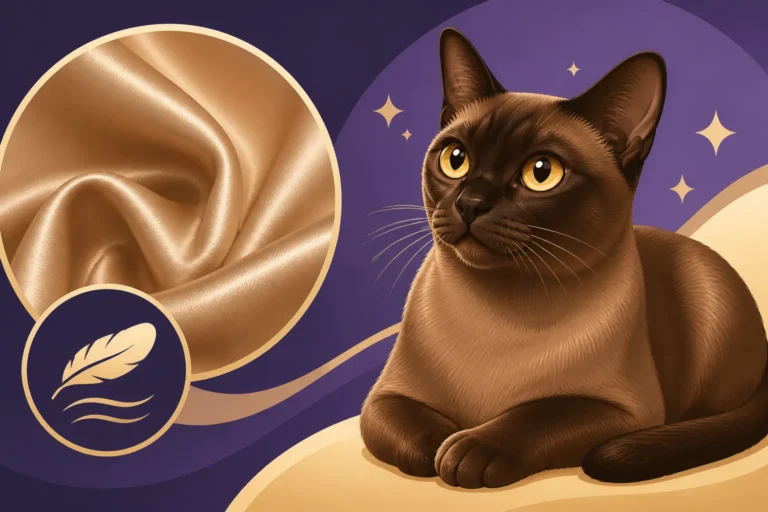
Beyond the color itself, remember to appreciate the incredible texture of your Burmese's coat. It's known for its short, fine, close-lying, and exquisitely silky "satin" feel. As their color develops, so too does this distinctive texture become more pronounced. Running your hand over their fur isn't just a tactile pleasure; it's a way to connect with the unique physical attributes of the breed.
The satin coat is low-maintenance, requiring very little in terms of grooming. A simple rub with a soft cloth or chamois can enhance its natural shine. This focus on their coat allows you to really get to know your cat, not just as a companion, but as a stunning example of their breed. Embrace every stage of their development, from the pale kitten to the deeply colored, lustrous adult. Their color journey is a testament to the marvel of feline genetics and a beautiful aspect of owning one of these magnificent cats.
Disclaimer
This article is for general informational purposes only and does not constitute professional advice. Laws, prices and regulations vary by location and change over time. Consult a qualified professional for guidance on your specific situation.