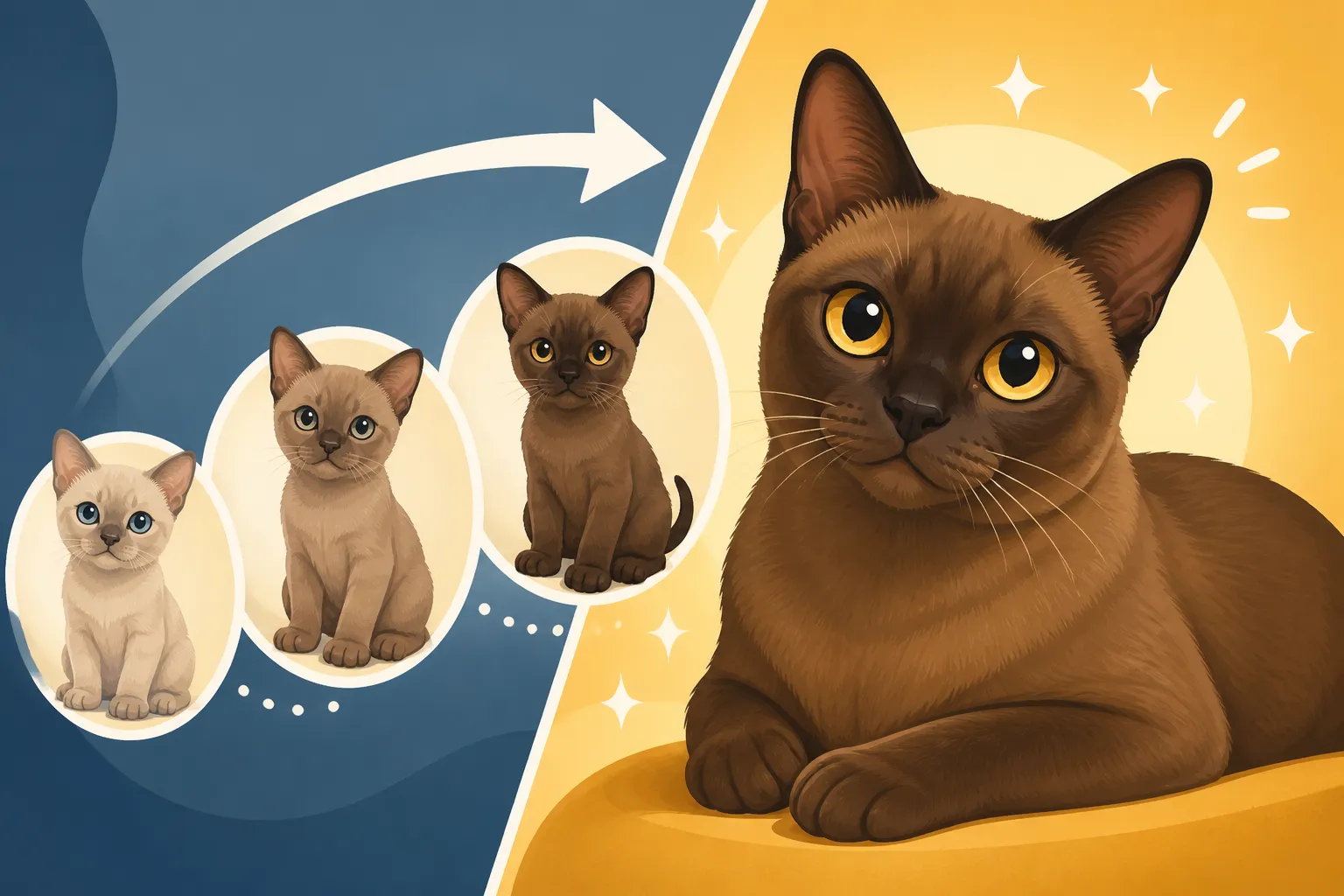
When a Burmese Kitten’s Color Settles
It's incredibly exciting to watch a Burmese kitten grow, isn't it? One of the most common questions, and often a source of delightful surprise for new owners, is about their kitten's coat color. Many people expect a solid, deep color from day one, only to find their tiny Burmese is much paler than anticipated, leading to confusion and wonder. This guide is here to walk you through the fascinating journey of how a Burmese kitten's coat color develops and finally settles, explaining the science and timeline behind these beautiful transformations.
The Initial Surprise: Why Burmese Kittens Are Born Pale
When you first meet a litter of Burmese kittens, you might be surprised by how light their coats appear. They often look like a faded, ghosted version of the rich, deep colors we associate with the adult breed. This isn't a fluke or a sign of an incorrectly bred kitten; it's a completely normal and genetically programmed part of their development. Understanding why they start off so pale is key to appreciating the stunning transformation they undergo.
The Science Behind the 'Pointed' Gene
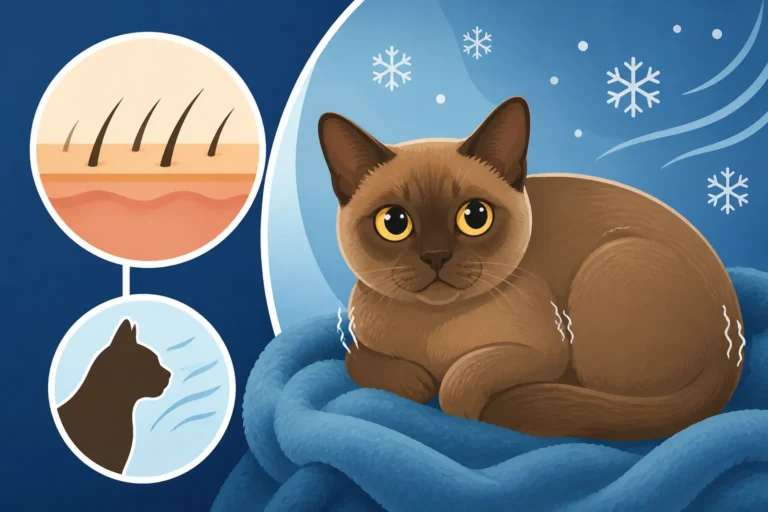
The unique coloring of a Burmese cat, and indeed many other breeds like the Siamese and Tonkinese, is all down to a special gene known as the "cb allele." This gene is responsible for what's called temperature-sensitive albinism. Essentially, it means that the enzyme needed to produce melanin – the pigment that gives hair its color – only works effectively in cooler temperatures. Think of it like a delicate little switch that turns on when it's chilly and switches off when it's warm.
Because of this genetic quirk, a Burmese kitten still inside its mother's womb, a consistently warm environment, isn't producing much melanin at all. The ambient temperature inside the uterus is too high for the color-producing enzyme to function properly across the entire body. This results in kittens being born with very little pigment, appearing almost uniformly pale from head to tail. It’s a fascinating biological adaptation that makes their initial appearance quite different from many other cat breeds. You might also find it interesting to read about How a Burmese's Color Gene Reacts to Temperature.
What a Newborn Burmese Kitten Looks Like
Picture a newborn Burmese kitten: soft, velvety, and almost impossibly small. Their coat will be a pale, muted version of whatever their adult color will eventually be. A kitten destined to be a sable, for example, might look like a pale fawn or even a light cream, with just the barest hint of brown. Those that will become champagne might appear a delicate off-white or light biscuit shade. Blue kittens often start as a very light dove grey, almost white, with the faintest whisper of slate. And platinum kittens, the palest of all, can be almost pure white with just a subtle pinkish undertone.
At this tender age, the differences between colors are incredibly subtle, often requiring an experienced eye to even guess the final shade. The only areas that might show a fraction more color are the tiny ear tips, nose leather, and paw pads, which are naturally a little cooler than the rest of the body, allowing for some minimal pigment production. It's a sweet, ethereal look that quickly begins to change as they face the wider, cooler world.
The Gradual Transformation: Weeks and Months of Change
Once those adorable, pale kittens are born and start to grow, their bodies are exposed to the ambient temperature of their surroundings, rather than the constant warmth of the womb. This is where the magic really begins, and you'll notice a gradual, sometimes surprising, deepening of their coat color. It's not an overnight change, but a slow, steady progression that unfolds over many months.
The First Few Weeks: Subtle Darkening
In the first few weeks of a Burmese kitten's life, as they adjust to the outside world, you'll start to see the initial, subtle signs of their true color emerging. The extremities – those cooler parts of the body like the tips of their ears, their nose, their paw pads, and the end of their tail – will be the first to deepen in shade. For a sable kitten, those ear tips might take on a faint, dusky brown, while a blue kitten's pads might hint at a steelier grey. This is because these areas lose heat more easily and are therefore consistently cooler, allowing the cb allele to "turn on" and produce more melanin.
The body itself, still relatively warm from the kitten's core temperature, will continue to lag behind. It’s during this time that you might notice the first, faint "points" developing, much like a Siamese, though less distinct. The contrast between the warming body and the cooling extremities starts to become more apparent, giving the kitten a lovely, delicate gradient. If you're observing a litter, you'll be amazed at how quickly these subtle changes begin to paint a picture of their adult beauty.
Three to Six Months: The 'Teenage' Phase
As your Burmese kitten reaches the three to six-month mark, they enter a period of significant color development, almost like their coat is going through a teenage growth spurt. The deepening of the coat will become much more noticeable, spreading across their back and flanks. However, even at six months, a Burmese kitten will almost certainly still appear lighter than its mature adult self. Think of it as a rich, developing shade, but not yet the full, saturated color.
The contrast between the body color and the points (ears, face mask, paws, tail) will also become more defined, though the overall goal of the Burmese standard is for a relatively uniform body color with only slight shading on the points. This "teenage" phase is a wonderful time to observe the nuances of their genetics at play, watching as the warmth of their initial paleness gives way to richer, more defined hues. You can even see how they typically look at this stage by checking out What a Burmese Kitten Looks Like at Eight Weeks.
Six Months to a Year: Approaching Maturity
By the time your Burmese is six months to a year old, their coat color will be fairly well-established. You’ll have a very good idea of their final shade, but it's important to know that the depth and richness of that color will continue to develop. The coat will often gain more saturation, becoming denser and more lustrous. This slow maturation ensures that by their first birthday, most Burmese cats display a beautiful, consistent coat that is a delight to behold.
Factors like exposure to sunlight can also play a role during this period. Just as human hair can lighten in the sun, a Burmese's coat can too, particularly if they spend a lot of time basking. While a certain amount of light is healthy and natural, excessive sun exposure might slightly mute the depth of their color. You can find more specific information on this in Why Sunlight Lightens a Burmese's Coat.
The Final Hue: When the Color Truly Settles
While significant changes occur in the first year, a Burmese cat's coat color can take even longer to reach its ultimate, settled depth and richness. Patience is truly a virtue when it comes to appreciating the full splendor of their coat.
Full Maturity: One to Two Years Old
It’s often said that a Burmese cat isn’t fully "done" with its color development until it's between one and two years old. For some individuals, particularly those with the deepest sable or blue coats, it might even take a little longer to achieve that truly saturated, uniform shade across their body. The coat will not only deepen but often develop an incredible satin-like sheen, which is one of the hallmarks of the breed. Even after two years, very slight variations can occur depending on internal and external factors.
Genetics, of course, play the largest role in determining both the speed and the final depth of a Burmese's color. Some lines naturally mature faster, while others take their time to fully express their pigment. Even within the same litter, you might see slight differences in how quickly each kitten's color settles. It’s also worth remembering that slight variations can still happen throughout their life, influenced by things like health, diet, and even temperature changes in their environment.
Understanding Color Variations and Environmental Impact
Beyond the genetic programming, a few environmental factors can subtly influence the final presentation of your Burmese's coat color. As mentioned, prolonged exposure to direct sunlight can actually lighten their coat over time, especially on their backs and flanks. If you want to maintain the deepest, richest color possible, providing shaded areas for sunbathing or limiting direct, prolonged sun exposure can help.
The ambient temperature where your cat lives can also have a subtle effect. Cats living in consistently cooler climates or homes might develop a slightly deeper, richer overall shade compared to those in warmer environments, simply because the color-producing enzyme has more opportunities to be active. However, these are generally minor nuances rather than dramatic shifts once the cat has reached maturity. A consistently high-quality diet, rich in essential nutrients, also contributes to a healthy, vibrant coat. Premium and fresh, human-grade cat foods can support overall coat health. Ensuring your cat is on a Why Carbohydrate Load Matters More in a Burmese diet can further support their well-being and, by extension, coat quality.
What to Expect from Each Burmese Color
The Burmese breed standard recognizes four primary colors, though some registries and regional standards may accept more. Each of these four colors undergoes its own beautiful transformation from kittenhood to adulthood.
Sable (Brown): The Classic Deep Hue
The sable Burmese is perhaps the most iconic, often referred to simply as "brown" in some parts of the world. A sable kitten starts as a very pale fawn or creamy beige, with minimal distinction from its littermates. As it grows, the color gradually deepens, evolving into a rich, warm, dark brown. The mature sable coat should be a uniform, seal-like brown, without any barring or tabby markings, boasting an incredible satin sheen. Its nose leather will be a warm brown, and its paw pads will match. You can see a clearer picture in What a Sable Burmese Looks Like.
Champagne (Chocolate): The Lighter Brown
Champagne Burmese kittens are born a shade lighter than sables, often appearing as a delicate cream or pale milky chocolate. Their transformation leads them to a beautiful, warm milk-chocolate color in adulthood. It's a distinctly lighter brown than the sable, possessing a lovely, soft warmth. The nose leather and paw pads of a champagne Burmese will typically be a lighter, warm tan or pinkish-brown, complementing their elegant coat. What a Champagne Burmese Looks Like provides more insight into this stunning color.
Blue: The Silvery Slate
Blue Burmese kittens are enchanting from the start, often born a very light, almost ethereal dove grey. As they mature, their coat develops into a stunning, uniform blue. This isn't a harsh, dark blue, but rather a soft, silvery-slate grey with a distinct sheen that shimmers in the light. The blue color should be consistent across the body, and their nose leather and paw pads will be a matching slate blue or grey. What a Blue Burmese Looks Like delves deeper into the specifics of this sophisticated hue.
Platinum (Lilac): The Delicate Grey-Pink
Platinum Burmese kittens are truly unique, often the palest in a litter, sometimes appearing almost white with just a hint of pink. Their adult coat is a delicate and subtle frosty grey with a distinct pinkish or lavender cast. It's a softer, more elusive color than blue, often described as a pale dove-grey with a rosy undertone. Their nose leather and paw pads will be a beautiful lavender-pink, perfectly harmonizing with their delicate coat. For a detailed description, refer to What a Platinum Burmese Looks Like.
Here's a quick overview of the color progression:
| Color | Newborn Appearance | 3-6 Months Appearance | 1-2 Years (Settled) | Nose Leather/Paw Pads |
|---|---|---|---|---|
| Sable | Pale fawn/creamy beige | Dusky brown, emerging points | Rich, warm, seal brown | Warm brown |
| Champagne | Light cream/milky white | Lighter milk chocolate | Warm, light milk chocolate | Pinkish-tan |
| Blue | Very light dove grey | Silvery grey | Soft, silvery-slate grey | Slate blue/grey |
| Platinum | Almost white/pinkish-tint | Frosty grey-pink | Delicate grey-pink/lavender | Lavender-pink |
Remember, the journey of a Burmese kitten's color development is one of the many joys of owning these magnificent cats. Each stage brings a new appreciation for their unique genetics and the beauty they bring into our homes. And when you finally see that rich, settled coat, you'll know it was worth the wait.
Disclaimer
This article is for general informational purposes only and does not constitute professional advice. Laws, prices and regulations vary by location and change over time. Consult a qualified professional for guidance on your specific situation.