How Rarely a Burmese’s Satin Coat Needs Anything Done
If you've ever owned a cat with a luxurious, long coat, you know the struggle: endless brushing, mats, and enough shed fur to knit a new cat. So, when you look at a sleek, short-haired Burmese, it's easy to assume they're low maintenance, and you'd be right – mostly! But the truth about how rarely a Burmese's satin coat actually needs anything done often surprises people who are used to other breeds. It's not just short; it's special, and that makes all the difference. This guide will walk you through the unique characteristics of the Burmese coat and reveal just how little effort it truly demands to keep it looking magnificent.
The Unique Qualities of the Burmese Satin Coat
The Burmese coat isn't just "short." It's a marvel of feline genetics, often described as a brick wrapped in silk, and for good reason. This particular breed boasts a coat that feels utterly unique to the touch, and understanding its characteristics is key to appreciating its low-maintenance nature. Forget everything you know about other short-haired breeds; the Burmese is in a league of its own.
What Makes a Burmese's Coat Satin Rather Than Silky
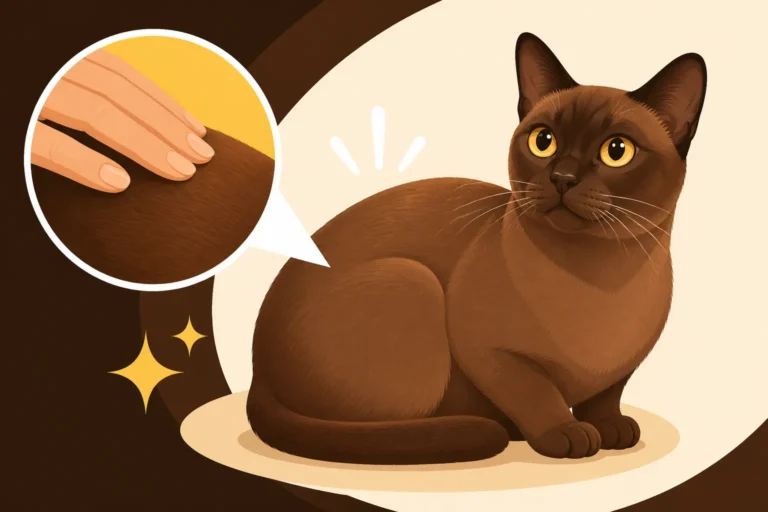
When you run your hand over a Burmese, you'll immediately notice a difference. Unlike the fine, flowing silkiness of a Siamese or the slightly coarser feel of many domestic shorthairs, the Burmese coat has a distinct satin texture. It's incredibly soft, dense, and lies exceptionally close to the body, almost like velvet. This isn't just a subjective feeling; it's due to the structure of the individual hairs, which are very fine and uniformly short, lacking the varying lengths and textures that can create a more "fluffy" or "silky" appearance in other breeds. This dense, close-lying nature means the coat is less prone to tangles or static, a common woe for cats with more expansive, airy fur.
This satin feel also comes from the coat's unique light-reflecting properties. Each strand of hair is designed to catch and reflect light in a way that gives the Burmese its signature lustrous sheen. It's almost as if the coat has an inner glow, constantly appearing well-groomed even with minimal effort. This inherent shine contributes significantly to the breed's elegant appearance, making them look perpetually polished without you having to lift a finger with a brush. It's truly a natural wonder that requires so little intervention to maintain its beauty. What Makes a Burmese's Coat Satin Rather Than Silky goes into more detail about this unique texture.
Why a Burmese Has Almost No Undercoat
One of the biggest secrets to the Burmese's low-maintenance coat is its almost complete lack of an undercoat. Many cat breeds, especially those from colder climates, have a dense, woolly undercoat that provides insulation. While fantastic for warmth, this undercoat is also the primary culprit behind shedding, matting, and the need for rigorous brushing. Without it, the Burmese simply doesn't produce the same volume of loose hair, which is a massive relief for owners.
This absence of a significant undercoat means that hair follicles mostly produce guard hairs – the outer layer that gives the coat its color and shine. These hairs are sleek, smooth, and much less likely to snag or form knots. For you, this translates into fewer hairballs, less fur on your furniture, and a cat that rarely needs a deshedding tool because there's simply nothing significant to "de-shed." It's a major reason why their grooming needs are so minimal compared to many other breeds. To understand more about this unique feature, read Why a Burmese Has Almost No Undercoat.
How a Burmese's Coat Differs From a Siamese's
While both the Burmese and the Siamese originate from Southeast Asia and share some genetic similarities, their coats are distinctly different, and these differences impact their grooming needs. The Siamese has a very fine, short coat that is also close-lying, giving it a sleek appearance. However, it often feels a bit more "crisp" or "silky" rather than the dense, velvety "satin" of the Burmese. The Siamese coat is designed to highlight its distinctive point coloration, with paler body fur and darker extremities.
The Burmese, on the other hand, possesses a denser, more substantial feel to its coat, even though it's equally short. This density is what contributes to its "brick wrapped in silk" moniker – a surprising weight for such a sleek cat, as explored in Why a Burmese Feels Heavier Than It Looks. The Burmese coat is also characterized by a richer, more uniform body color that gradually darkens towards the points, but without the stark contrast seen in the Siamese. While both are low-shedders, the Burmese's unparalleled density and satin texture make its grooming even less demanding, almost negating the need for regular brushing in many cases, which isn't always true for the Siamese's finer, slightly more prone-to-static fur. For a deeper dive into these distinctions, you can check out How a Burmese's Coat Differs From a Siamese's.
Minimal Shedding, Maximum Cleanliness
One of the biggest joys of owning a Burmese is how little they shed. If you've ever battled with a furry tumbleweed rolling across your floor, or found yourself wearing more cat hair than your actual clothes, you'll truly appreciate this aspect of the Burmese. It's a common misconception that all short-haired cats shed equally, but the Burmese proves this notion wrong with its remarkably efficient coat.
How Little a Satin Coated Burmese Sheds
Let's be real: all cats shed. It's a natural process. But with a Burmese, the amount of shed hair is so minuscule compared to most other breeds that it's barely noticeable. Because they lack that dense undercoat, there simply isn't a vast reservoir of fine, fluffy hair waiting to be released. What they do shed are primarily those sleek, short guard hairs, which tend to be less allergenic and far easier to manage.
You might find a few stray hairs on your clothes or furniture, especially during seasonal changes, but you won't experience the overwhelming inundation of fur that comes with double-coated breeds. This means less vacuuming, fewer lint rollers, and generally a much cleaner living environment. For many Burmese owners, a quick wipe with a damp hand is often enough to collect any loose hairs, making daily grooming practically non-existent. How Little Hair a Satin Coated Burmese Leaves Behind further elaborates on this delightful characteristic.
Why a Burmese's Coat Shows Every Loose Hair
Paradoxically, while a Burmese sheds very little, any loose hairs can be quite noticeable. Their short, sleek, and often darker coats act almost like a canvas, making individual stray hairs stand out more than they might on a lighter or longer-haired cat where shed fur blends in or gets tangled. If a single hair sheds, it often just lies flat on the surface of their gleaming coat, making it easy to spot against the uniform backdrop.
This isn't a flaw; it's just a visual quirk of their unique coat structure. It means you can easily identify and remove those few loose hairs with a quick stroke of your hand, a damp cloth, or a specialized chamois. Far from being a burden, it's actually an advantage, allowing you to keep their coat impeccably tidy with minimal effort, precisely because those few hairs are so visible and easy to dispatch. You're not searching for hidden shedding; it's right there, obvious and manageable.
Whether a Burmese's Short Coat Helps With Allergies
This is a question often asked by prospective owners, and it's important to be realistic. No cat is truly hypoallergenic, as cat allergies are primarily caused by a protein (Fel d 1) found in a cat's saliva, skin flakes (dander), and urine, not just the fur itself. However, the Burmese's short, close-lying coat and minimal shedding can make them a more tolerable option for some allergy sufferers.
Because they shed so little, less dander is distributed into the environment, which can reduce airborne allergens. Their sleek coat also traps less saliva, which is spread when cats groom themselves. While they are not a guaranteed solution for severe allergies, many people with mild to moderate cat allergies find they react less to a Burmese than to breeds with longer or denser coats. It's always wise to spend time with a Burmese before committing if allergies are a concern, but their coat definitely works in their favor compared to many other breeds when it comes to managing allergens.
The Simple Art of Burmese Grooming
When we talk about "grooming" a Burmese, it's really more about enhancing their natural shine and offering a bit of tactile attention than it is about preventing mats or dealing with heavy shedding. Their coat is designed to be effortlessly beautiful, meaning your role is mostly to appreciate it.
Why a Weekly Chamois Is All a Burmese Needs
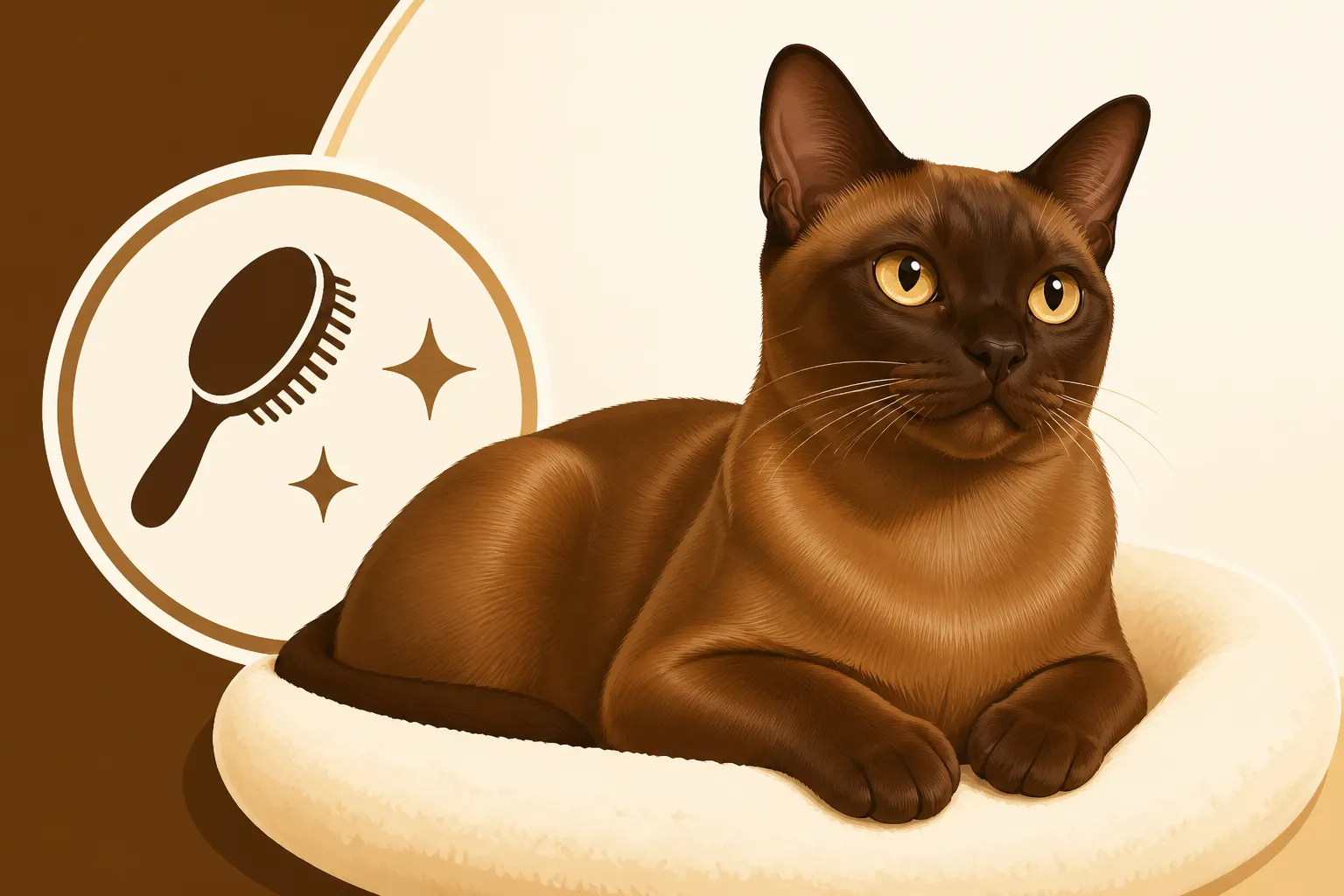
For the vast majority of Burmese owners, the ultimate grooming tool isn't a brush, a comb, or a deshedding blade – it's a simple chamois cloth. Yes, the same kind of soft, absorbent cloth you might use to polish your car or clean windows! The Burmese's unique satin coat thrives on friction and a gentle wipe to remove any dust, loose hairs, and bring out that incredible sheen. A weekly once-over with a chamois is genuinely all that's required to keep their coat in pristine condition.
This isn't about deep de-shedding or untangling; it's about polishing. The chamois glides effortlessly over their smooth, short fur, picking up any surface debris and leaving behind a mirror-like shine. Plus, for a cat that thrives on interaction and attention, this gentle ritual becomes another bonding opportunity. Many Burmese absolutely adore the feel of the chamois, purring contentedly as you give them their weekly "spa treatment." It's an incredibly efficient and pleasant way to maintain their exquisite appearance.
Which Chamois Brings Up a Burmese's Satin Shine
When choosing a chamois for your Burmese, you're looking for something soft, supple, and non-abrasive. Traditional leather chamois cloths are excellent, but synthetic options made from PVA or microfibre can work just as well, and are often easier to clean. The key is to find one that feels smooth and will glide easily over your cat's fur without snagging or causing static. You can find excellent quality chamois cloths at automotive supply stores, or even online retailers like Amazon, where a quick search for "car chamois" or "synthetic chamois" will yield plenty of options.
To use it effectively, simply dampen the chamois slightly with warm water and wring it out thoroughly until it's just barely damp. Then, gently wipe down your Burmese's coat in the direction of hair growth. You'll be amazed at how it picks up any dust and loose hairs, leaving their coat gleaming. Many owners find their Burmese actively solicits this attention, leaning into the cloth and purring loudly. It’s a testament to how little work is actually involved in keeping these cats looking their best.
Why a Slicker Brush Is Wasted on a Burmese
If you're accustomed to grooming other cat breeds, a slicker brush might be your go-to tool. However, for a Burmese, it's practically useless, and potentially even irritating. Slicker brushes are designed with fine wire bristles to penetrate dense coats, remove undercoat, and detangle longer fur. The Burmese, with its extremely short, close-lying coat and minimal undercoat, simply doesn't have the kind of fur that a slicker brush can effectively work on.
Trying to use a slicker brush on a Burmese would largely just scratch their delicate skin or create static electricity, neither of which is comfortable or beneficial. The bristles would struggle to grab any loose hairs, and you'd miss the opportunity to enhance their coat's natural luster. Instead, stick to tools that complement their unique coat, like a soft rubber grooming glove or, as mentioned, the trusty chamois. You'll save yourself frustration and your Burmese unnecessary discomfort by understanding that their grooming needs are truly distinct. How Many Minutes a Month a Burmese's Coat Takes truly highlights how little effort is required overall.
Beyond the Basic Wipe-Down
While a weekly chamois takes care of the vast majority of a Burmese's grooming needs, there are a few other considerations that pop up occasionally. These are less about routine maintenance and more about specific situations or preventative care, ensuring your Burmese stays healthy and comfortable.
The Only Times a Burmese Actually Needs a Bath
Good news: your Burmese rarely, if ever, needs a full bath! Their short, dense coat is incredibly efficient at self-cleaning, and they are meticulous groomers themselves. Baths can actually strip the natural oils from their skin and coat, potentially leading to dryness or irritation. Generally, the only times a Burmese truly needs a bath are:
- They've gotten into something truly messy: Think mud, grease, or something sticky that their natural grooming can't handle.
- They have a skin condition: Sometimes a vet might prescribe medicated baths for issues like ringworm or severe dandruff, but this is under professional guidance.
- They've rolled in something odorous: Skunk spray, perhaps, or something equally unpleasant that needs more than just a wipe.
For most day-to-day cleanliness, a damp cloth or a targeted spot clean is more than sufficient. Embrace the ease of their coat – it’s one of their greatest features! The Only Times a Burmese Actually Needs a Bath delves further into these rare instances.
Which Shampoo Keeps a Burmese's Satin Coat Glossy
If the rare occasion arises where your Burmese absolutely needs a bath, choosing the right shampoo is crucial. You'll want a gentle, cat-specific shampoo that is pH-balanced and ideally fragrance-free or lightly scented. Avoid human shampoos or harsh pet shampoos designed for dogs, as these can be too acidic or contain ingredients that are irritating or toxic to cats. A good quality, moisturizing cat shampoo will help cleanse without stripping essential oils, preserving the natural luster of their satin coat.
Look for brands available at reputable pet stores or online retailers like Chewy or Amazon that specify "for cats" and are gentle. Some popular choices include oatmeal-based formulas for sensitive skin or those fortified with natural oils like coconut or argan. After shampooing, ensure you rinse thoroughly – any residue left behind can irritate the skin and dull the coat. Follow up with a good towel-drying, and let your Burmese air dry in a warm, draft-free room. Their short coat dries remarkably quickly, making the whole (rare) ordeal much less strenuous.
Why There Is Nothing on a Burmese to Shave
The idea of shaving a cat usually conjures images of matted long-haired breeds needing a fresh start, or lion cuts for breeds that struggle in the heat. With a Burmese, the concept of shaving is entirely redundant. Their coat is already so incredibly short, dense, and close-lying that there's simply no excess fur to remove. Shaving a Burmese would offer no practical benefit in terms of reducing shedding, preventing mats, or helping with cooling, and would likely just leave them looking patchy and feeling uncomfortable.
In fact, shaving could expose their sensitive skin to the elements, making them more vulnerable to sunburn or feeling cold, especially given Why a Short Coated Burmese Feels the Cold. Their coat is perfectly engineered for their needs, providing just the right amount of insulation and protection without any unnecessary bulk. So, rest assured, you'll never need to budget for a professional shave or attempt one at home for your sleek, satin-coated companion.
Understanding Coat Changes and Common Concerns
While the Burmese coat is generally a picture of perfection, it's a living, breathing part of your cat and can exhibit subtle changes or occasional minor issues. Being aware of these helps you provide the best care and appreciate the nuances of their beautiful fur.
How a Burmese's Sable Darkens or Lightens With Age
The most classic and well-known Burmese color is sable, a rich, dark brown. What many new owners don't realize is that a sable Burmese kitten is often born a much lighter, almost golden brown, and darkens considerably as they mature. This phenomenon is due to the Burmese color restriction gene (the cb allele), which causes pigment to develop more intensely in cooler areas of the body. As kittens grow and their body temperature regulates, their coat gradually deepens in color.
Even after reaching maturity, a Burmese's coat color can subtly shift throughout its life. It might appear slightly darker in colder environments or during winter months, and a touch lighter if they spend a lot of time basking in warm sunlight. These natural variations are normal and part of the charm of the breed. Don't be surprised if your beautifully rich sable appears a shade or two different depending on the season or their age – it's just their unique genetics at play. To observe this transformation, looking at pictures of What a Burmese Kitten Looks Like at Eight Weeks compared to an adult will show a stark contrast.
Why a Burmese's Chin Gets Blackheads
Just like humans, some cats can be prone to feline acne, which often manifests as blackheads on the chin. This is more common in breeds with dense fur around the mouth or those that tend to be a bit greasy, and while the Burmese has a sleek coat, they are not entirely immune. Factors like plastic food bowls (which can harbor bacteria), hormonal fluctuations, or stress can contribute to chin acne. You might notice small black dots, or crusty debris, around their chin and lower lip area.
If you spot blackheads, the first step is to switch to ceramic or stainless steel food and water bowls, and wash them daily. You can also gently clean the affected area with a mild, non-irritating antiseptic wipe designed for pets, or a dab of chlorhexidine solution recommended by your vet. While it's not a direct coat issue, it's a skin concern that often presents on the coat, and keeping their chin clean can prevent more serious irritation. How to Clean a Burmese's Chin After Eating can provide further practical advice.
Why a Burmese Treats Grooming as Attention
If you've spent any time with a Burmese, you know they are incredibly affectionate, social creatures who thrive on interaction. This personality trait extends beautifully to grooming. Unlike some cats who tolerate brushing as a necessary evil, many Burmese see any form of grooming – whether it's a quick chamois wipe or a gentle claw trim – as another opportunity for one-on-one attention and physical affection. They're often referred to as "Velcro cats" for a reason!
This means that "grooming" your Burmese isn't a chore; it's a bonding activity. They will likely purr, rub against your hand, and lean into your touch, turning what could be a mundane task into a delightful shared moment. Even simple things like Getting a Toothbrush Into a Burmese Kitten's Routine become easier when approached as a game or a cuddle session. This inherent love for closeness makes their already minimal grooming needs even easier to fulfill, as they often actively participate and enjoy the process.
Essential Grooming Practices for Overall Burmese Health
Beyond the sleekness of their coat, a Burmese has other basic grooming needs that contribute to their overall health and well-being. These are simple routines that, when done regularly, can prevent discomfort and catch potential issues early.
Maintaining Optimal Dental Health
One area where a Burmese definitely does need regular attention is their dental health. Burmese cats are unfortunately prone to dental issues, including gingivitis and tooth resorption, which can lead to pain, difficulty eating, and more serious health problems if left unchecked. Despite their otherwise low-maintenance care, dental hygiene is one place where you absolutely cannot cut corners.
Regular tooth brushing at home, ideally daily or at least several times a week, is the gold standard for preventing plaque and tartar buildup. Start this routine when they are kittens so they become accustomed to it. Use a cat-specific toothbrush and toothpaste – never human toothpaste, which contains fluoride that is toxic to cats. In addition to home care, annual vet check-ups should always include a thorough dental examination, and your vet may recommend professional dental cleanings under anesthesia as needed. Neglecting their teeth can lead to significant pain and expense down the line, so this is a critical part of their care.
Keeping Claws Trimmed for Comfort and Safety
While Burmese cats are known for being incredibly gentle and rarely use their claws aggressively, keeping their nails trimmed is still important for their comfort and your furniture's safety. Untrimmed claws can snag on carpets, get caught in fabric, or even grow so long that they curl back into the paw pads, causing pain and infection. Luckily, many Burmese are quite amenable to having their claws trimmed, especially if introduced to it early.
You'll need sharp, cat-specific nail clippers. Gently press on each paw pad to extend the claw, and trim only the very tip, being careful to avoid the quick (the pink part containing nerves and blood vessels). If you're unsure, ask your vet or a groomer to show you how. A regular schedule, perhaps every 2-4 weeks, will keep their claws at a comfortable length. Providing scratching posts and surfaces also gives them an appropriate outlet for natural claw maintenance, further contributing to their overall well-being.
Eye and Ear Care: Simple Checks for a Healthy Cat
The clean lines of a Burmese face and the open, expressive nature of their eyes usually mean minimal issues. However, simple, routine checks for their eyes and ears are always a good idea. Some Burmese might have a slight amount of clear discharge in the corners of their eyes; this is usually normal and can be gently wiped away with a soft, damp cloth. If you notice excessive tearing, redness, swelling, or discolored discharge, it's time for a vet visit, as this could indicate an infection or other issue.
Similarly, their ears are generally self-cleaning, but a quick visual check can catch problems early. Healthy Burmese ears should be clean, pale pink, and free of excessive wax, odor, or discharge. If you see dark, waxy buildup, notice a bad smell, or your cat is scratching its ears frequently, it could be a sign of ear mites or an infection. A vet can diagnose and treat these issues. Regular, gentle attention to these areas is a simple way to stay on top of your Burmese's health, complementing the easy care of their magnificent coat.
Final Thoughts on Burmese Coat Care
The Burmese cat truly is a dream for those who appreciate elegance without the exhaustive grooming routine. Their unique satin coat, with its minimal undercoat and low shedding, stands out as one of the easiest to maintain in the entire feline world. This isn't just about convenience; it's about the breed's natural health and self-sufficiency.
From the delightful weekly chamois polish that brings out their incredible shine, to the rare, almost unheard-of need for a bath, the Burmese makes keeping them looking their best an absolute breeze. While you'll still need to be diligent about dental care and claw trimming, you can largely put away the arsenal of brushes and de-shedding tools you might use for other breeds. Embracing the low-maintenance beauty of the Burmese coat means more time for cuddles and play, and less time wrestling with knots and fur balls.
This easy care allows their true personality to shine through – their affectionate, playful nature that seeks out human company and revels in attention. It's truly a testament to why so many people fall in love with this remarkable breed.
Disclaimer
This article is for general informational purposes only and does not constitute professional advice. Laws, prices and regulations vary by location and change over time. Consult a qualified professional for guidance on your specific situation.