How Much Water a Healthy Burmese Should Get Through
It’s a common worry among cat parents: "Is my furry friend drinking enough water?" With our beloved Burmese, whose health can sometimes be a bit more delicate, this concern only intensifies. You might stare at the water bowl, wondering if it's going down too slowly, or perhaps alarmingly fast. It's frustrating because cats aren't exactly known for their clear communication when it comes to hydration! This guide will help you understand exactly how much water a healthy Burmese should be getting, why it’s so critical for their particular health profile, and practical ways to encourage good drinking habits.
Understanding Your Burmese's Unique Hydration Needs
Water isn't just for quenching thirst; it's the unsung hero of countless bodily processes. For a Burmese, a breed we know can have specific health predispositions, understanding and supporting their hydration is paramount to a long, vibrant life.
Why Hydration Is a Non-Negotiable for Burmese Well-being
Think of water as the engine oil for your Burmese's body. Without enough of it, everything starts to seize up. It plays a critical role in digestion, helping break down food and absorb essential nutrients. It's vital for regulating their body temperature, especially with their short, sleek coat which might make them feel the heat or cold differently. Most importantly, water is essential for flushing toxins and waste products out of their system, primarily through the kidneys.
Our Burmese friends, unfortunately, are genetically predisposed to certain health conditions, notably diabetes. This makes healthy kidney function and overall organ health even more critical. Adequate water intake helps the kidneys work efficiently, reducing strain and helping prevent issues that can arise from concentrated urine, like urinary crystals. If you notice your Burmese drinking more than usual, it could be a subtle but serious Why a Burmese's Water Intake Is a Diabetes Warning, and something to address immediately. Keeping them well-hydrated from kittenhood is one of the most proactive steps you can take for their long-term health.
Factors That Influence How Much Your Burmese Drinks
Just like us, a Burmese's daily water consumption isn't a fixed number. Several factors can swing the needle, making it a bit of a moving target.
For starters, age plays a significant role. A bustling, playful Burmese kitten might naturally drink more as they burn through energy, whereas a senior Burmese might appear to drink less, though their need for good hydration for aging organs is just as critical, if not more so.
Activity level also matters. If your Burmese has been zipping around the house, chasing toys, or engaging in a spirited game of fetch – yes, many Burmese love to retrieve! – they'll naturally need to replenish their fluids more. A lazy afternoon nap on your lap, while adorable, won't create the same thirst.
Perhaps the biggest influencer is their diet. Cats primarily evolved to get much of their moisture from their prey. This means that a Burmese on an exclusively dry kibble diet will have to drink significantly more free water than one eating a high-moisture wet food diet. We'll delve deeper into this shortly, but it's a huge piece of the puzzle. Environmental factors like the temperature and humidity in your home can also impact fluid loss and, consequently, how much water your Burmese seeks out. A warm room will prompt more drinking than a cool one.
Lastly, individual metabolism and underlying health conditions can affect thirst. Some cats are simply naturally more inclined to drink from a bowl, while others are less so. Keeping an eye on these factors will help you gauge what's normal for your specific cat.
What Constitutes a "Normal" Water Intake for a Healthy Burmese?
It's easy to get bogged down in numbers, but with feline hydration, it's often more about observation and consistency than hitting an exact milliliter count. However, having a general idea can really help ease your mind, or flag a concern.
The General Guideline for Feline Water Consumption
So, how much is enough? A common veterinary guideline for healthy cats suggests they should consume roughly 20-40 milliliters of water per kilogram of body weight per day. If you're more comfortable with imperial measurements, that's approximately 2 to 4 ounces of water per 5 pounds of body weight daily.
Let's break that down for your Burmese. If your Burmese weighs, say, 10 pounds (a pretty average weight, though they can be surprisingly dense for their size!), they would ideally be taking in about 4 to 8 ounces of water a day. Now, here's the crucial part: this includes all moisture, whether it comes from their food or from the water bowl.
Most cats, being desert animals by ancestry, aren't naturally inclined to drink huge amounts of standing water. They're designed to get a significant portion of their hydration from their prey. This is why a cat eating an all-wet-food diet might seem to drink very little from the bowl, but is perfectly hydrated. Conversely, a cat on a dry-food-only diet will need to drink much more. Learning How to Measure a Burmese's Water Intake can be really helpful here, even if it feels a little obsessive at first!
How to Observe and Assess Your Burmese's Hydration Status
Beyond the numbers, your Burmese will give you clues about their hydration. The first sign is often their urine. Well-hydrated cats typically produce a good volume of pale yellow, dilute urine. If their urine is consistently dark yellow and highly concentrated, they might not be getting enough fluids. Keeping an eye on the litter box is crucial.
You can also do a quick at-home check:
- Gums: Gently lift your Burmese's lip. Their gums should be pink and moist. If they're tacky or dry, it's a sign of dehydration.
- Skin Turgor: This sounds fancy, but it's simple. Gently grasp a fold of skin over their shoulders, lift it gently, and then release. In a well-hydrated cat, the skin should snap back into place almost immediately. If it's slow to return or "tents" for a moment, that suggests dehydration.
- Energy Levels: A hydrated Burmese is typically active and playful, or at least exhibits their usual affectionate energy. Lethargy or unusual quietness can be a red flag, though it could signal many issues, not just dehydration.
- Eye Appearance: Sunken eyes are a severe sign of dehydration.
These observations, combined with an understanding of their diet and activity, can give you a very good picture of your Burmese's hydration status.
Strategies to Encourage Optimal Water Intake in Your Burmese
Knowing they need water is one thing; getting them to drink it is another! Burmese are clever and can be picky, but with a little creativity, you can usually entice them.
Leveraging the Power of High-Moisture Diets
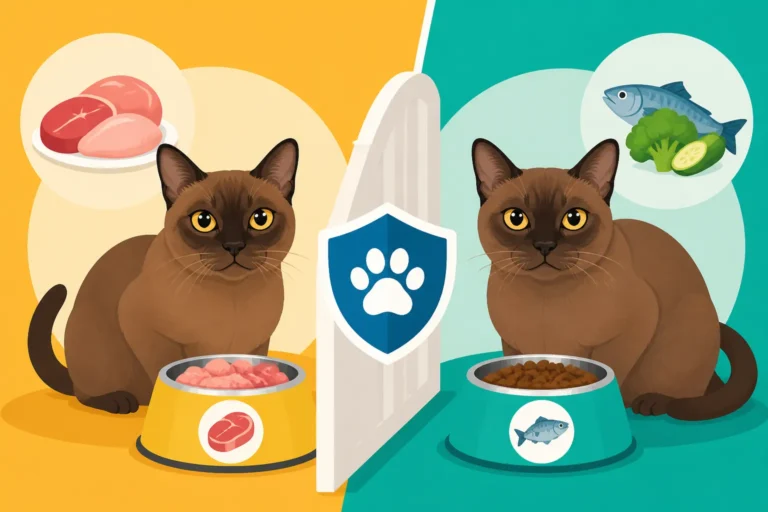
This is arguably the single most effective way to ensure your Burmese is getting enough water. Switching from dry kibble to a high-quality wet food significantly boosts their daily moisture intake. Dry kibble, even the "best" kind, typically contains only about 10% moisture, while wet food can be 70-80% water. This is why Why Wet Food Beats Kibble for a Burmese isn't just a preference, but often a medical recommendation for our breed.
When choosing wet food, look for options that are high in protein and low in carbohydrates. This isn't just good for hydration; it's also critical for managing their risk of diabetes, a condition our Burmese are unfortunately prone to. We've talked about Why Carbohydrate Load Matters More in a Burmese, and a wet diet helps keep that in check. Pate-style foods often have higher moisture content than chunkier varieties with gravy, but any wet food is generally better than dry for hydration.
If your Burmese is resistant to a food change, introduce new food slowly, mixing a small amount with their old food and gradually increasing the new over several days or even weeks. Some cats respond well to different textures – some love pate, others prefer shredded meats or gravy. Many owners find excellent high-moisture options from specialized brands. Remember, Why a Burmese's Food Bill Is a Health Decision, so invest in quality wet food if you can.
Making Water Irresistible: Bowls, Fountains, and Flavors
Even with a wet food diet, offering appealing sources of free water is a good idea. Variety is key here!
- Bowl Choices: The type of bowl can make a difference. Plastic bowls can harbor bacteria and retain odors, which might deter a sensitive Burmese. Stainless steel or ceramic bowls are often preferred because they are easier to keep clean and don't impart any taste. Some cats prefer wide, shallow bowls that don't let their whiskers touch the sides.
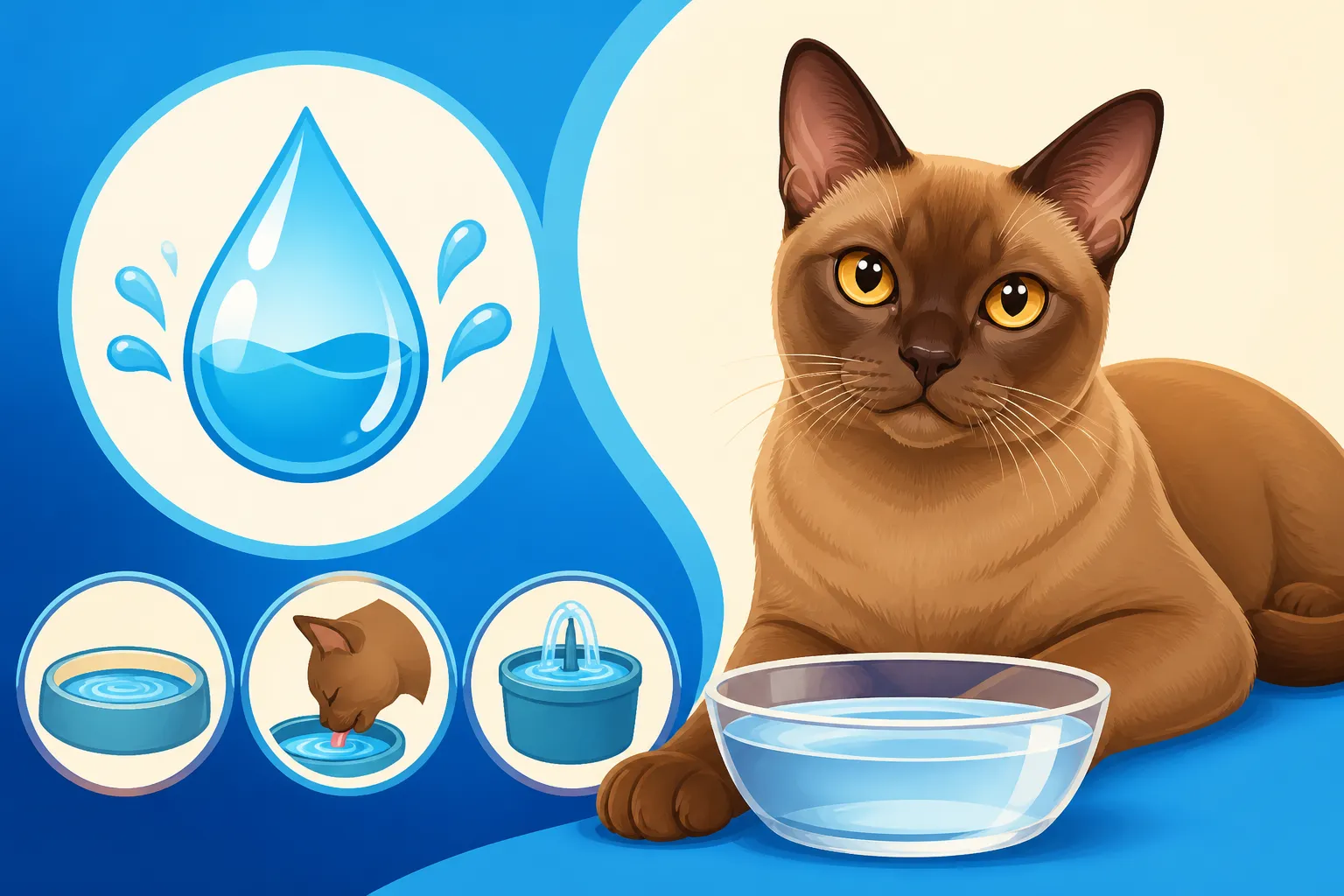
- Water Fountains: Many cats are drawn to moving water, instinctively viewing it as fresher and safer. Pet water fountains come in various designs, from ceramic to stainless steel, with different flow settings. These can be a game-changer for encouraging drinking. You can find a huge variety of water fountains and bowls on Amazon, often with helpful reviews that help you pick one that suits your cat's preferences and your budget.
- Strategic Placement: Don't just put one water bowl down. Place multiple bowls throughout your home, away from their food dishes (some cats don't like to drink right next to their meals) and definitely away from the litter box. Consider different rooms, different levels, and quiet spots where they feel safe.
- Flavor Boosts: For a truly reluctant drinker, you can add a tiny splash of tuna juice (from tuna packed in water, unsalted), plain chicken broth (low or no sodium), or even a bit of ice from plain water to their bowl. Just make sure any additions are safe and in very small quantities.
Table: Wet Food vs. Dry Food for Burmese Hydration
| Feature | Dry Kibble | Wet Food |
|---|---|---|
| Moisture Content | ~10% | ~70-80% |
| Hydration Benefit | Requires cat to drink more free water | Provides significant hydration via food |
| Kidney Health | May lead to more concentrated urine | Supports diluted urine, less kidney strain |
| Urinary Health | Potentially higher risk of crystals/UTIs | Lower risk of crystals/UTIs |
| Taste/Palatability | Often convenient, but less enticing | Often highly palatable, more natural |
| Carbohydrate Load | Typically higher | Typically lower |
| Feeding Style | Can be free-fed (though not recommended for Burmese) | Best for scheduled, portion-controlled meals |
Remember, for a Burmese, Why a Burmese Should Never Be Free Fed is especially important, regardless of whether you feed wet or dry food, due to their predisposition to weight gain and diabetes. Why Portion Control Is Medical Care in a Burmese cannot be overstated.
When to Seek Veterinary Advice Regarding Your Burmese's Drinking Habits
While a little variation in water intake is normal, significant changes—either too much or too little—can be serious indicators that warrant a vet visit. Your Burmese relies on you to notice these subtle shifts.
Signs of Dehydration That Warrant Immediate Attention
If you notice your Burmese exhibiting several of these signs, it's time to call your vet. Dehydration can quickly escalate into a life-threatening emergency, especially if it's severe or prolonged.
- Sunken Eyes: Their eyes appear to recede into their sockets.
- Lethargy and Weakness: They are unusually tired, unwilling to play, or seem weak and unsteady.
- Poor Skin Elasticity: The skin fold test mentioned earlier shows a very slow return or remains tented.
- Dry, Pale, or Tacky Gums: Gums are not moist and pink.
- Loss of Appetite: They refuse food and water.
- Increased Heart Rate: May be difficult for you to assess, but a vet will check.
- Reduced Urination: Less frequent trips to the litter box or very small amounts of highly concentrated urine.
It's crucial to remember that a Burmese is incredibly affectionate and often tries to hide discomfort or illness. This is why Why a Burmese Hides Illness Behind Its Affection is a characteristic you need to be aware of. What might seem like a minor behavioral change could be an early warning sign.
Understanding Excessive Thirst and Its Implications
Just as too little water is bad, a sudden or significant increase in thirst, known as polydipsia, is also a major red flag. If your Burmese is constantly at the water bowl, draining it faster than usual, or spending more time than normal by the faucet, it's a sign something is amiss.
Excessive thirst is often linked to underlying health issues. For Burmese cats, two of the most common and serious culprits are:
- Diabetes Mellitus: Our breed has a very high predisposition. Increased thirst and urination are classic early signs. This is a condition that, if left untreated, can lead to serious complications. You can read more about How Diabetes Develops in a Burmese.
- Kidney Disease: As cats age, kidney function can decline. The kidneys struggle to concentrate urine, leading to more water loss and thus increased thirst. This is a progressive disease, and understanding How Kidney Disease Arrives in an Old Burmese is essential for senior Burmese owners.
- Hyperthyroidism: Another common condition in older cats, an overactive thyroid can increase metabolism and lead to increased thirst.
- Other conditions: Liver disease, certain infections, and electrolyte imbalances can also cause polydipsia.
If you observe your Burmese drinking noticeably more, it's vital to contact your veterinarian promptly. As previously mentioned, Why a Burmese Drinking More Needs Testing That Week is not an exaggeration—early diagnosis and intervention are critical for managing these conditions effectively.
The Importance of Regular Vet Checks and Early Detection
The best defense against health issues related to hydration (and many other concerns) is proactive veterinary care. Regular check-ups, ideally yearly for adult Burmese and every six months for seniors, allow your vet to monitor their overall health.
During these visits, your vet can perform a comprehensive physical exam, and often recommend routine blood work and urine tests. These tests can catch subtle changes in kidney function, blood glucose levels, and other markers before clinical signs like excessive thirst become obvious. Understanding Which Blood Panel a Burmese Should Have Yearly can help you discuss these preventative measures with your vet.
By being vigilant about your Burmese's water intake, providing optimal hydration strategies, and working closely with your veterinarian, you're giving your beloved companion the best chance for a long, healthy, and happy life.
Disclaimer
This article is for general informational purposes only and does not constitute professional advice. Laws, prices and regulations vary by location and change over time. Consult a qualified professional for guidance on your specific situation.