How Diabetes Develops in a Burmese
It’s a heartbreaking reality for many Burmese cat owners: the day your beloved, seemingly healthy companion starts showing subtle signs that point to a scary diagnosis. We often hear about certain breeds being prone to specific conditions, but with Burmese cats, diabetes isn't just a possibility; it's an alarmingly common and often inherited struggle. This guide will walk you through exactly how diabetes develops in a Burmese, from the underlying genetics to the critical lifestyle factors, helping you understand the progression and, crucially, what you can do to manage this serious condition.
The Unique Predisposition of the Burmese to Diabetes
The journey towards diabetes in a Burmese isn't usually a sudden leap; it's often a gradual process rooted in their unique genetic makeup. Unlike many other breeds, Burmese cats carry a distinct susceptibility, making them a breed where proactive understanding is truly paramount.
Genetic Factors and Inheritance
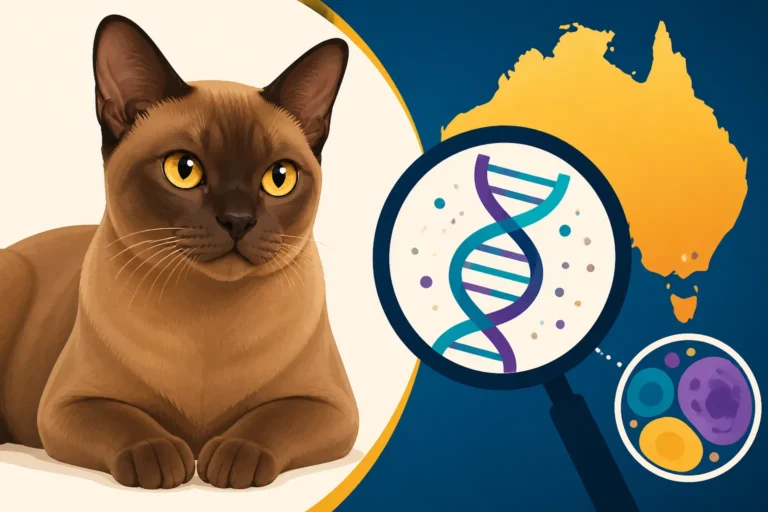
It's a tough pill to swallow, but the truth is, a significant part of the Burmese cat's diabetes risk is simply in their genes. Research, particularly involving Australian and European Burmese lines, has illuminated a strong genetic predisposition. This isn't just bad luck; studies have identified specific genetic markers, like variations in the WNK4 gene, that are associated with an increased risk of developing diabetes. This means that if your Burmese comes from a lineage with a history of diabetes, they are inherently starting with a higher chance of developing the condition themselves. It’s why breeders of these lines have a responsibility to be transparent about health histories, and why owners need to be extra vigilant from day one. You might find it helpful to understand Why a Burmese Is Four Times More Likely to Become Diabetic to grasp the full extent of this inherited risk.
The Role of Insulin Resistance
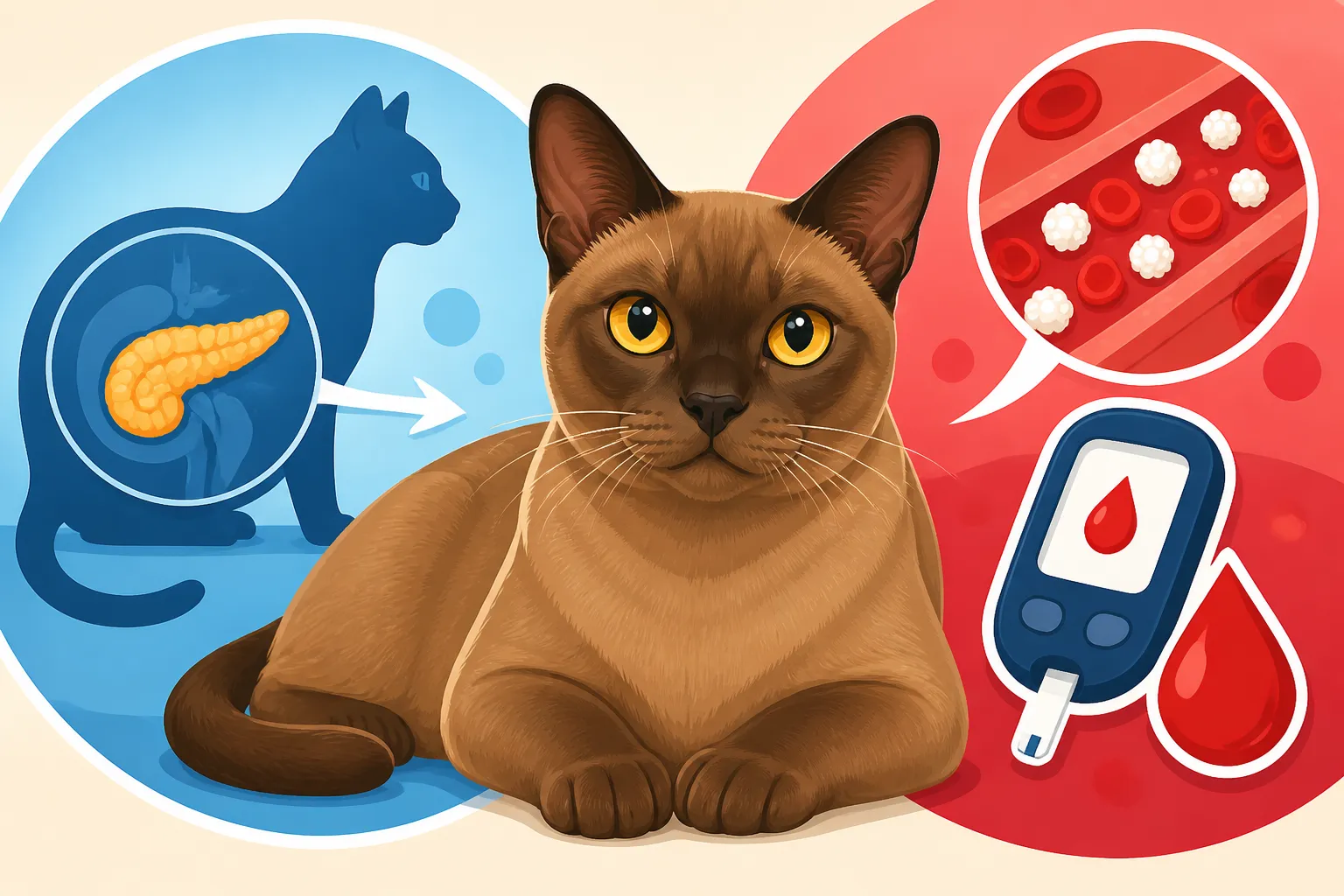
So, what does this genetic predisposition actually do? It often manifests as insulin resistance. Imagine insulin as the key that unlocks cells to let glucose (sugar) in for energy. In Burmese cats prone to diabetes, their cells can become less responsive to this key. Their pancreas might still be producing insulin, sometimes even more insulin, but the body's cells just aren't listening properly. This leaves glucose circulating in the bloodstream, leading to higher blood sugar levels. Over time, the pancreas, working overtime to try and force glucose into cells, can become exhausted, eventually failing to produce enough insulin altogether. This is often the point where full-blown diabetes sets in, and it's a critical cascade that underscores the importance of managing other risk factors.
How Neutering Increases Risk
It might seem counterintuitive, but the act of neutering, while beneficial for population control and preventing other health issues, does carry an increased diabetes risk for Burmese cats, particularly males. Neutering can lead to hormonal changes that affect metabolism and a tendency towards weight gain. Studies have shown a statistically significant correlation between neutering and the onset of diabetes in predisposed Burmese cats. While neutering is still generally recommended for pet cats, it's a factor that means owners need to be even more diligent about diet and exercise post-surgery. It's not a reason not to neuter, but rather a strong argument for heightened awareness and proactive management of other risk factors in the months and years following the procedure. You might want to learn more about Why a Neutered Male Burmese Is Highest Risk.
The Impact of Lifestyle and Environment on Diabetes Development
While genetics load the gun, lifestyle pulls the trigger. Even with a genetic predisposition, environmental and dietary factors play a massive, often decisive, role in whether a Burmese cat actually develops diabetes. These are the levers you, as an owner, have control over.
Diet and Carbohydrate Load
This is perhaps the single most critical area where owners can make a difference. The typical dry kibble, so convenient for us, is often packed with carbohydrates – starches and sugars that quickly convert to glucose in a cat's system. For a Burmese cat already struggling with insulin resistance, a high-carbohydrate diet is like pouring fuel on a fire. Their bodies simply aren't designed to process such a heavy sugar load, and it puts immense strain on their pancreas. This constant influx of glucose exacerbates insulin resistance and can hasten pancreatic exhaustion.
Instead, Burmese cats thrive on a diet that mimics their natural prey: high protein, moderate fat, and very low carbohydrate. Wet food is almost always preferable to dry kibble because it's easier to find formulations that meet these nutritional requirements. Free-feeding, where food is left out all day, is an absolute no-go for a diabetes-prone Burmese. It leads to constant snacking, elevated blood sugar levels throughout the day, and makes it impossible to monitor their intake effectively. Instead, carefully weighed and portioned meals, usually two a day, are essential. This is why Feeding a Burmese Is a Medical Decision, Not a Preference is such a crucial mantra for owners of this breed.
Weight Gain and Obesity
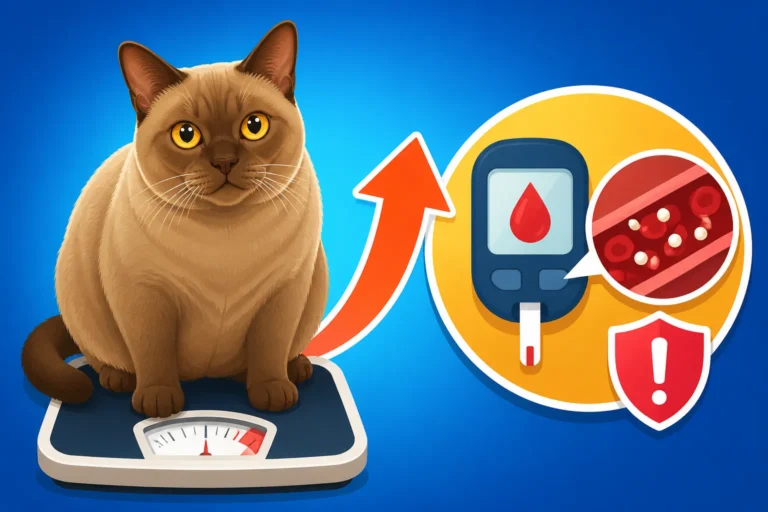
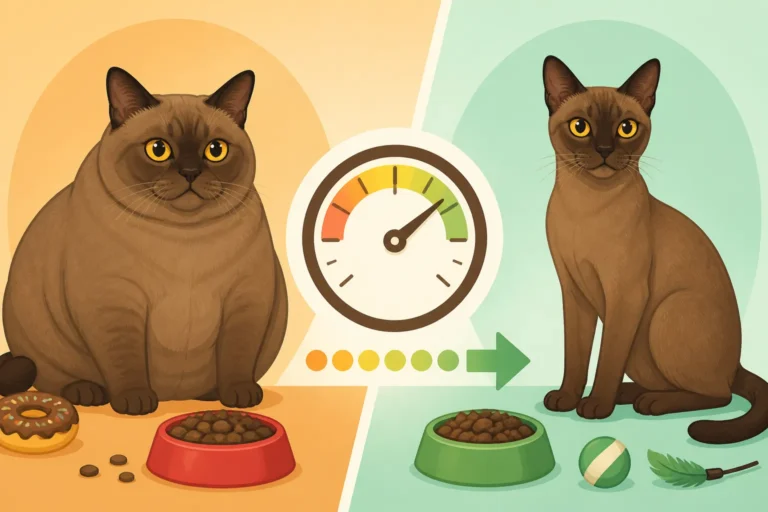
Just like in humans, excess weight is a primary driver of type 2 diabetes in cats. For a Burmese, who are naturally muscular and can easily carry a bit of extra weight without appearing "fat" to the untrained eye, this is a silent killer. Even a few extra pounds can significantly worsen insulin resistance. Those fat cells produce hormones and inflammatory compounds that interfere with insulin's ability to work effectively.
This means that maintaining a lean body condition is not just about aesthetics; it's a fundamental aspect of preventative healthcare for your Burmese. Regularly weighing your cat at home and learning to assess their body condition score by feeling their ribs and looking for a waistline are crucial skills. A Burmese might look sleek, but feel surprisingly heavy. What an adult Burmese Should Weigh is often less than you'd assume, given their dense muscle. Allowing even slight weight creep can quickly push a predisposed cat over the edge into full-blown diabetes. Proactive measures, including routine vet checks that account for this breed's specific needs, can be supported by pet insurance plans like those offered by Healthy Paws, which encourage comprehensive care.
Sedentary Lifestyles
A lack of physical activity goes hand-in-hand with weight gain and exacerbates insulin resistance. While Burmese cats are known for their playful, kitten-like energy well into old age, a truly sedentary lifestyle can still creep in, especially if they are left alone for long periods or lack engaging play. Physical activity helps cells become more sensitive to insulin, allowing them to absorb glucose more efficiently. It also burns calories, helping to maintain a healthy weight.
Ensuring your Burmese has plenty of opportunities for active play isn't just about keeping them entertained; it's a vital part of their metabolic health. Interactive toys, regular play sessions with you, and even the companionship of another cat can encourage movement. Think wand toys, chasing games, and opportunities to climb safely. These activities help manage their energy levels, keep their muscles toned, and contribute significantly to their overall well-being, reducing the risk of diabetes development. For a full breakdown, consider reading Why Weight Is the Only Lever a Burmese Owner Has.
Early Signs and Progression of Diabetes in Burmese Cats
Recognizing the early signs of diabetes in your Burmese is incredibly important. Catching it early can significantly improve the prognosis and, in some cases, even lead to remission. Unfortunately, cats are masters at hiding illness, and the Burmese, with its intensely affectionate nature, can often mask symptoms until the disease is quite advanced.
Subtle Behavioral Changes
The initial signs of diabetes in a Burmese can be subtle and easily dismissed, especially if you're not specifically looking for them. One of the earliest and most consistent indicators is increased thirst (polydipsia) and, consequently, increased urination (polyuria). You might notice their water bowl emptying faster, or that they’re using the litter box more frequently or producing larger clumps. This happens because the excess sugar in their blood spills into their urine, drawing more water with it, making them dehydrated and thirsty.
Another common sign is a change in appetite. Many diabetic cats will show a ravenous appetite (polyphagia), always seeming hungry, yet paradoxically, they might be losing weight despite eating more. This is because their cells aren't getting the glucose they need for energy, so the body tries to compensate by demanding more food and breaking down fat and muscle stores. Other less common, but still indicative, signs can include lethargy, a dulling of their typically glossy satin coat, or even developing a slightly unkempt appearance. If you notice Which Signs Come First in a Diabetic Burmese, don't hesitate.
The Importance of Early Veterinary Intervention
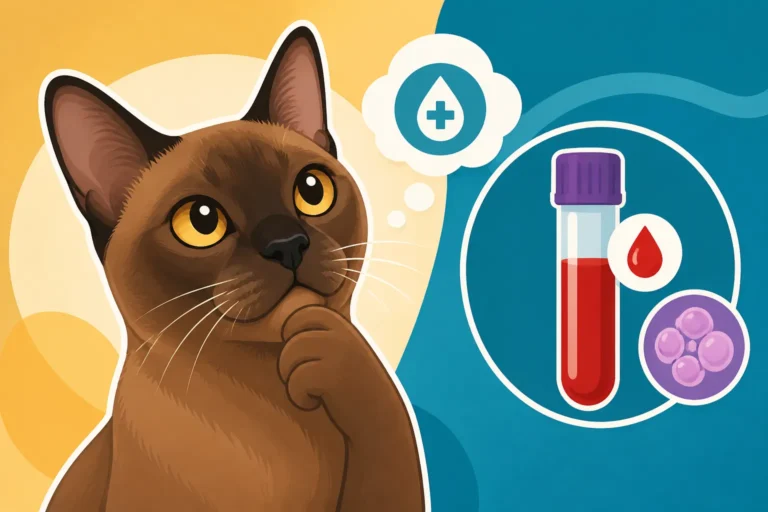
If you suspect any of these signs, don't wait. A prompt visit to your veterinarian is crucial. Simply checking your cat's blood glucose at the vet, or even a urine dipstick test, can provide strong clues. However, a single high blood glucose reading might just be due to stress (the "stress hyperglycemia" phenomenon in cats). Your vet will likely recommend a fructosamine test, which provides an average blood glucose level over the preceding 2-3 weeks, giving a more accurate picture of their typical glucose control. This test is vital for confirming a diagnosis.
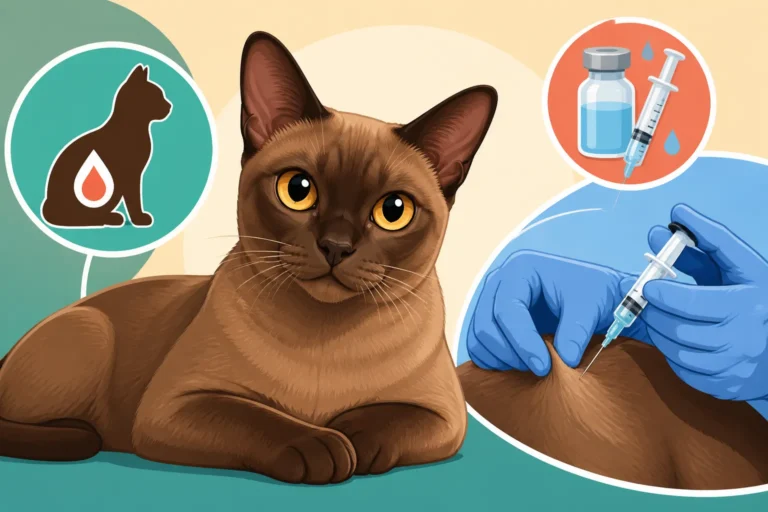
Once diagnosed, your vet will discuss treatment options, which typically involve dietary changes (switching to a low-carb wet food) and often, insulin injections. It can feel overwhelming at first, but with proper guidance, giving insulin injections at home becomes routine. Early diagnosis and consistent treatment are key to managing the disease and preventing further complications like diabetic ketoacidosis, which is a life-threatening emergency. Having a robust pet insurance plan, such as those from Healthy Paws, can significantly ease the financial burden of chronic disease management, allowing you to focus on your cat's health.
Understanding Diabetic Remission
The good news is that, particularly if caught early and managed aggressively, some Burmese cats can actually go into diabetic remission. This means that with strict dietary control (a very low-carbohydrate, high-protein wet food) and sometimes short-term insulin therapy, their pancreas can recover enough to produce insulin effectively again, allowing them to no longer need daily insulin injections.
Remission is most likely if treatment starts quickly after diagnosis and if significant weight loss is achieved in overweight cats. It emphasizes just how vital diet and weight management are. Even if full remission isn't achieved, excellent blood glucose control through diet and insulin can lead to a long and healthy life for your diabetic Burmese. It’s a testament to the power of committed care and highlights why knowing How a Diabetic Burmese Is Diagnosed and treated is so empowering for owners.
Here's a quick overview of key factors:
| Risk Factor | Description | Impact on Diabetes Development | Prevention/Mitigation Strategy |
|---|---|---|---|
| Genetics | Inherited predisposition (e.g., WNK4 gene, specific bloodlines) | Increases baseline susceptibility and insulin resistance | Choose a reputable breeder who screens lines and provides health guarantees; be vigilant. |
| High Carbohydrate Diet | Food high in starches and sugars (e.g., many dry kibbles) | Overwhelms pancreas, exacerbates insulin resistance, causes blood sugar spikes. | Feed a high-protein, very low-carb wet food diet; avoid free-feeding. |
| Obesity/Overweight | Excess body fat, even slight weight gain | Worsens insulin resistance, places metabolic stress on organs. | Maintain lean body condition through portion control and regular exercise. |
| Neutering | Hormonal changes post-neutering (especially in males) | Can lead to weight gain and affect metabolic regulation. | Monitor weight closely after neutering; adjust diet and activity. |
| Sedentary Lifestyle | Lack of physical activity and play | Contributes to weight gain and reduced insulin sensitivity. | Encourage daily interactive play and mental enrichment. |
| Age | Risk increases with age, particularly after seven years | Natural decline in metabolic efficiency over time. | Regular vet checks, especially Why a Burmese's Glucose Should Be Checked From Seven. |
| Stress | Chronic stress or sudden acute stress events | Can temporarily elevate blood glucose, potentially trigger episodes. | Provide a stable, enriching, and low-stress home environment. |
Managing a Diabetic Burmese and Beyond
Once diabetes is a part of your Burmese's life, the focus shifts to meticulous management. This isn't just about giving injections; it's about a holistic approach that truly integrates into your daily routine. Many owners initially feel daunted, but with proper guidance and a commitment to your cat's health, it quickly becomes second nature.
The Daily Routine of a Diabetic Cat Owner
A diabetic Burmese requires a consistent schedule, which is often the biggest adjustment for owners. This typically involves twice-daily insulin injections, given at the same time each day, usually after a meal. This fixed schedule helps stabilize blood sugar levels and prevents dangerous fluctuations. Meal times also become fixed, with carefully weighed portions of their low-carbohydrate, high-protein wet food. Consistency is king here; even slight deviations can impact blood glucose control. Learning How to Give a Burmese Its Insulin at Home is easier than you think.
Beyond injections and feeding, monitoring your cat's overall well-being is crucial. Keep an eye on their appetite, thirst, and urination. Any significant changes warrant a call to your vet. Some owners also learn to monitor blood glucose at home using a pet-specific glucometer, which can provide invaluable data for your vet and help in adjusting insulin doses. This level of proactive care is where having a reliable pet insurance provider like Healthy Paws becomes a true lifeline, covering the ongoing costs of supplies, vet visits, and tests needed to keep your Burmese healthy.
Dietary Strategies for Long-Term Health
Diet isn't just a treatment; it's often the most powerful tool in managing Burmese diabetes. As mentioned, a strict very low-carbohydrate (typically under 10% of metabolizable energy), high-protein, moderate-fat wet food diet is paramount. This diet helps minimize glucose spikes after meals and supports weight management. Your vet will guide you on specific brands and portion sizes. The goal is to keep blood sugar levels as stable as possible, which reduces the workload on the pancreas and can even lead to remission.
Treats, if given at all, must be low-carb, such as freeze-dried meat or small pieces of cooked chicken. High-carb treats can quickly undo all the hard work of insulin and dietary control. It truly is a medical decision every time food is offered. Understanding Which Diet Puts a Burmese Into Remission will empower you to make the best food choices.
The Role of Veterinary Check-ups and Monitoring
Even with diligent home care, regular veterinary check-ups are non-negotiable for a diabetic Burmese. Initially, these might be frequent as your vet works to stabilize your cat's blood glucose levels and find the right insulin dose. This often involves glucose curves, where blood glucose is measured several times over a day to see how the insulin is working. Over time, once stable, check-ups might become less frequent, but they're always necessary to assess overall health, monitor for complications, and make any necessary adjustments to treatment.
Your vet will also check for other conditions that can occur alongside diabetes, such as pancreatitis or dental disease, which can impact glucose control. Proactive care and working closely with your veterinary team are the cornerstones of ensuring your diabetic Burmese lives its fullest, happiest life possible. Pet insurance plans like those offered by Healthy Paws can provide financial peace of mind, allowing you to prioritize these essential vet visits and necessary diagnostics without undue stress.
Disclaimer
This article is intended for informational purposes only and does not constitute veterinary advice. Always consult with a qualified veterinarian for any health concerns or before making any decisions about your pet's medical care.