How a Diabetic Burmese Is Started on Insulin
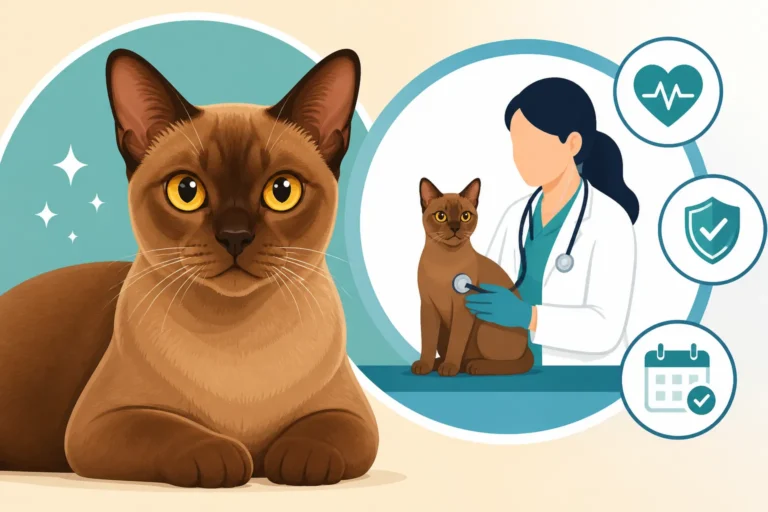
Finding out your beloved Burmese has diabetes can feel like a punch to the gut. The diagnosis often brings a whirlwind of emotions – fear, confusion, and an overwhelming sense of responsibility. You might be wondering how on earth you're going to manage this, particularly the thought of daily injections. This comprehensive guide is here to demystify the process of starting your diabetic Burmese on insulin, offering practical advice, emotional support, and a clear roadmap for this new chapter in your cat's care.
Understanding Your Burmese's Diabetes Diagnosis
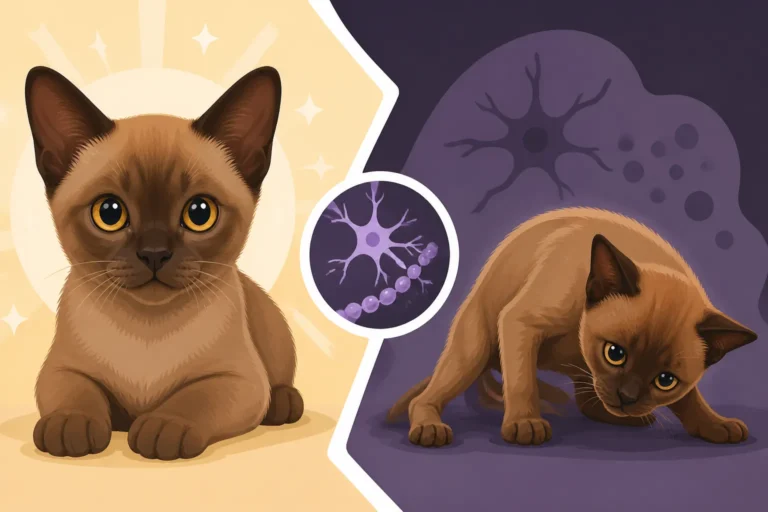
It’s natural to feel a mix of shock and guilt when your Burmese is diagnosed with diabetes. But let’s be clear right upfront: this is almost never your fault. The Burmese breed, as wonderful as they are, has a known genetic predisposition that makes them significantly more susceptible to this condition.
The Initial Shock and What It Means for a Burmese
When your vet first delivers the news, it can be devastating. Many owners grapple with the idea that they somehow failed their cat, perhaps by feeding them too many treats or not exercising them enough. However, the reality for Burmese cats is that genetics play a huge role. In fact, studies have shown that a Burmese is four times more likely to become diabetic compared to other cat breeds. This isn't just a random statistic; it's a deeply ingrained part of their breed health profile.
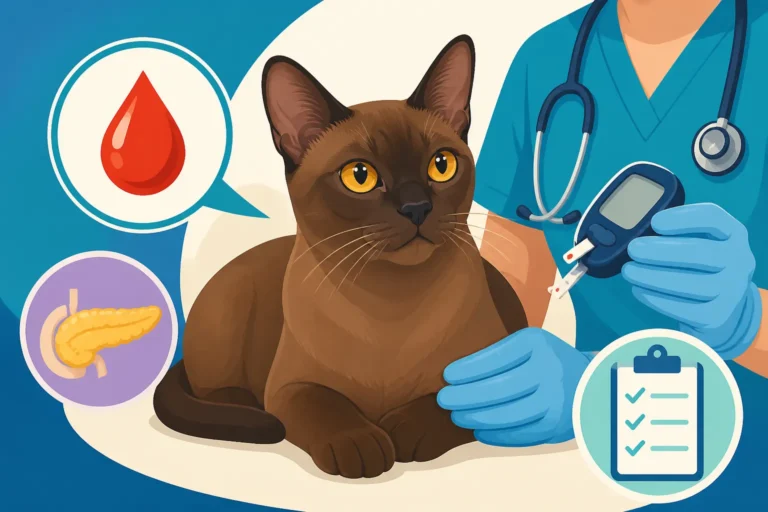
The journey to diagnosis often begins with subtle signs, such as increased thirst and urination, a ravenous appetite followed by weight loss, or a general lethargy. If you've noticed these symptoms, your vet likely confirmed the diagnosis through a series of blood tests, including a crucial fructosamine test. This test provides an average of your cat's blood glucose levels over the past few weeks, giving a more accurate picture than a single blood glucose reading, which can be elevated due to stress from a vet visit. Understanding what diabetes looks like in a Burmese and how a diabetic Burmese is diagnosed are important first steps.
Why Insulin Becomes Necessary
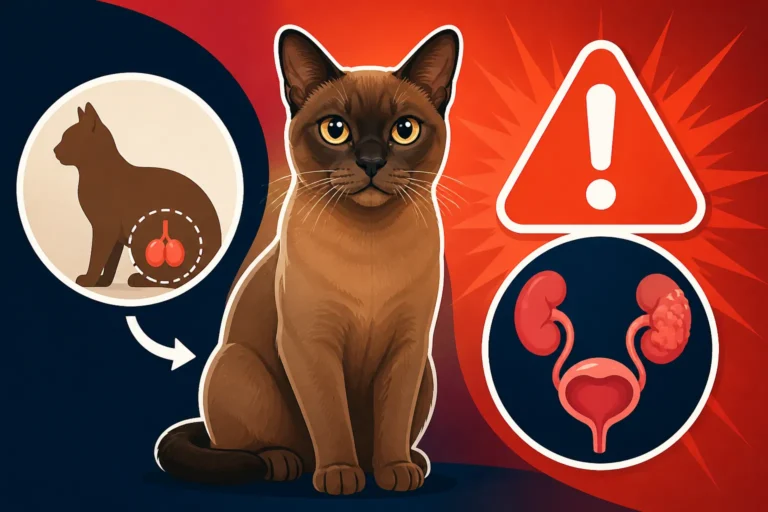
For some cats, especially if diabetes is caught very early and is mild, dietary changes alone might be enough to manage blood sugar. However, for many Burmese cats, particularly due to their genetic predisposition and the severity of their condition, insulin therapy becomes a non-negotiable part of their treatment plan. When the pancreas isn't producing enough insulin, or the body isn't responding to the insulin it does produce, external insulin is needed to help glucose get into the cells where it's used for energy. Without this, glucose builds up in the bloodstream, leading to all the detrimental effects of diabetes.
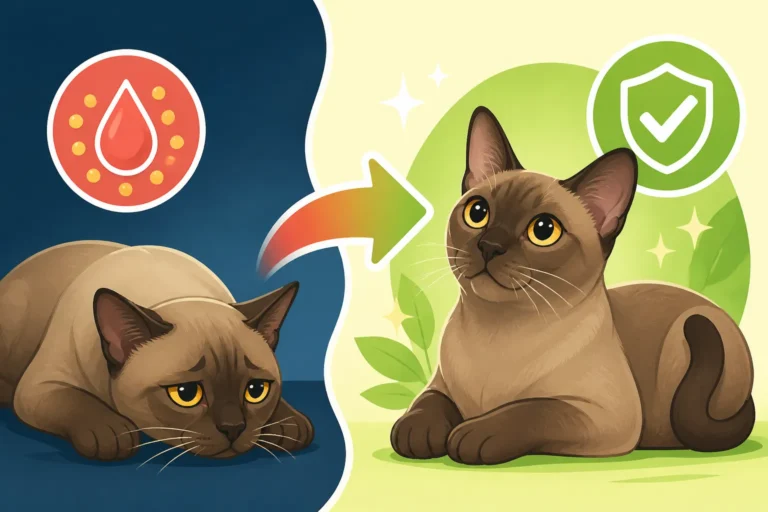
The primary goal of starting insulin is to regulate your Burmese's blood sugar levels, bringing them into a healthy range. This prevents the acute complications like diabetic ketoacidosis (DKA), and also the long-term issues such as nerve damage (diabetic neuropathy), kidney disease, and vision problems. Most importantly, insulin significantly improves your cat’s quality of life, allowing them to feel better, regain their energy, and stop constantly feeling hungry and thirsty. It’s about getting your playful companion back to their usual self, cuddling on your lap and demanding attention.
Preparing for Insulin Therapy at Home
The idea of giving your cat injections at home can feel incredibly daunting. Many owners express anxieties about hurting their cat, giving the wrong dose, or just generally messing it up. Rest assured, with proper training and a little practice, it becomes a routine part of your day, just like feeding them.
Gathering Your Supplies
Before you even think about the first injection, you need to gather all the necessary tools. Your vet will prescribe the specific type of insulin and syringes. Commonly used insulin types for cats include ProZinc (protamine zinc recombinant human insulin) or glargine (Lantus).
Here’s what you’ll typically need:
- Insulin: Store this according to your vet's instructions, usually in the refrigerator. Always check the expiration date and ensure it hasn't been exposed to extreme temperatures or vigorous shaking.
- Syringes: This is critical! Insulin syringes are measured in "units," not milliliters. They are specifically calibrated for the concentration of insulin you are using. For example, if your vet prescribes U-40 insulin (40 units per ml), you must use U-40 syringes. Using a U-100 syringe with U-40 insulin will result in a dangerously incorrect dose. Your vet will provide guidance on the correct syringe size and type. These syringes also have tiny, fine needles designed to minimize discomfort.
- Sharps Container: This is a non-negotiable safety item. You'll need a puncture-proof container to safely dispose of used needles and syringes. Your vet can advise where to purchase one and how to dispose of it properly when full.
- Cotton Balls or Gauze: Handy for a quick dab if there's any insulin leakage or a tiny bit of blood, though this is rare.
- Treats: Positive reinforcement is key! Have some low-carb, vet-approved treats ready to reward your Burmese immediately after the injection. This helps them associate the process with something positive.
Make sure you have a designated, calm, and well-lit area for injections. Consistency in location helps create a predictable and less stressful experience for your Burmese.
Learning the Injection Technique
Your veterinarian or a vet technician will provide hands-on training on how to properly administer insulin. This is an absolutely essential step – do not attempt it on your own without professional guidance. They will show you:
- Handling the Insulin: Gently roll (don't shake!) the insulin bottle between your palms to mix it, as shaking can damage the insulin molecules.
- Drawing the Dose: Your vet will demonstrate how to draw the precise dose into the syringe, ensuring no air bubbles. This requires careful attention to the markings on the syringe.
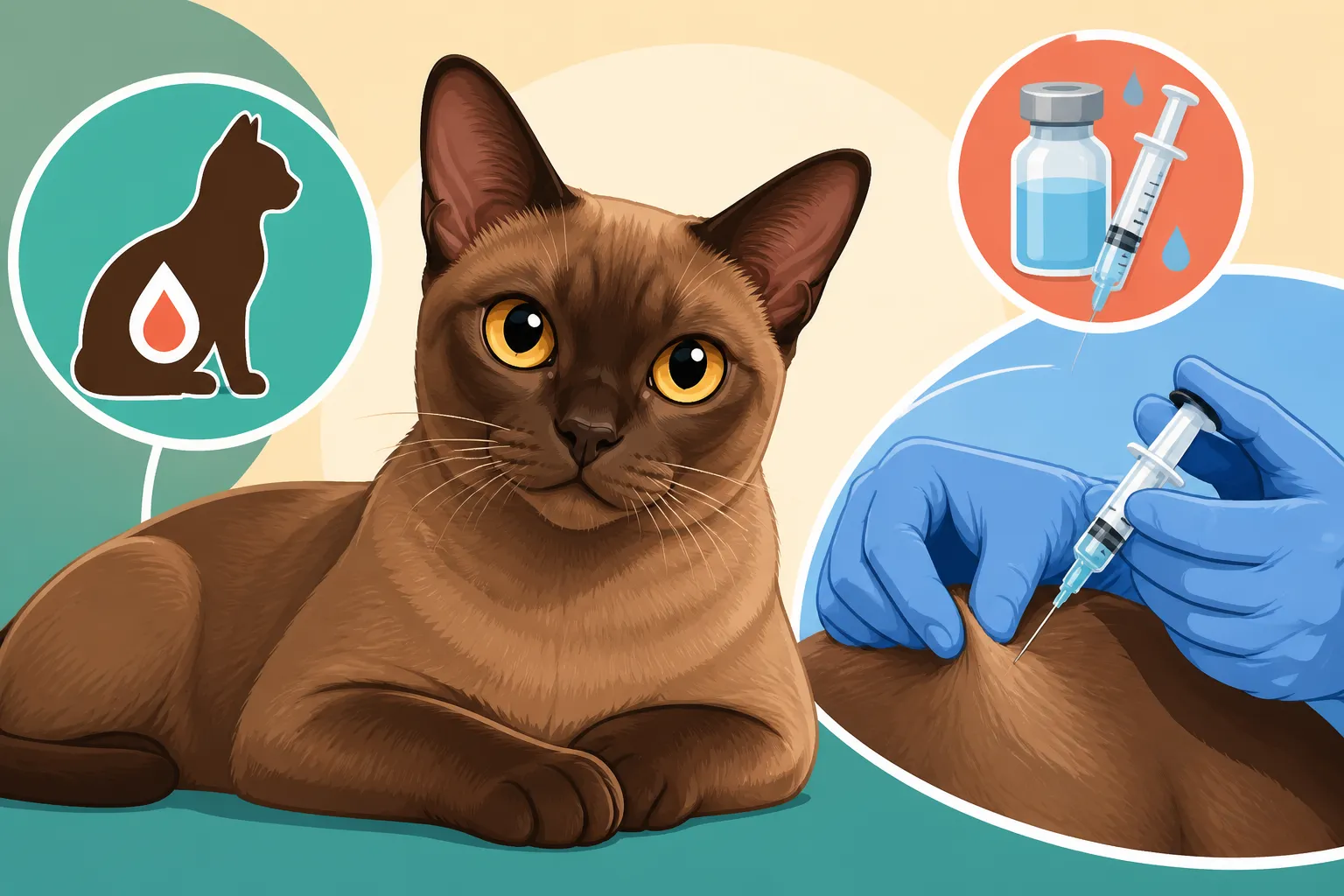
- Locating the Injection Site: The most common site is the loose skin over the scruff of the neck, or along the flank. You'll learn to "tent" the skin, creating a small pocket where the insulin can be injected subcutaneously (under the skin).
- Inserting the Needle: The needle should be inserted swiftly and smoothly into the tented skin, parallel to your cat's body, avoiding going straight down into muscle.
- Injecting the Insulin: Depress the plunger completely, then withdraw the needle quickly.
- Rewarding: Immediately offer that yummy, vet-approved treat and lots of praise.
It’s totally normal to feel clumsy or nervous at first. Practice makes perfect, and your vet team understands this. Don't be shy about asking for repeated demonstrations or practicing with saline solution on an orange or even a plush toy before trying it on your cat. Remember, your Burmese is highly intuitive and will pick up on your anxiety, so staying calm and confident is important. If you're finding it difficult, there are many online resources and videos demonstrating how to give a Burmese its insulin at home, which can be great refreshers after your vet's training.
The First Days and Weeks on Insulin
Once you've mastered the technique, the real work of establishing a routine and closely monitoring your Burmese begins. This initial period is crucial for stabilizing blood sugar and finding the optimal insulin dose.
Establishing a Routine for Meals and Injections
Consistency is the cornerstone of successful diabetes management in cats, especially for a breed as susceptible as the Burmese. Your vet will likely advise two insulin injections per day, typically 12 hours apart. The timing of these injections must be consistent, every single day.
Here's why routine is paramount:
- Fixed Feeding Times: For a diabetic Burmese, "free feeding" (leaving food out all day) is a thing of the past. Your cat needs two measured meals per day, usually timed just before or immediately after their insulin injection. This ensures there's food in their system to process the insulin, preventing dangerous drops in blood sugar. This is where Why Portion Control Is Medical Care in a Burmese truly comes into play – every gram of food matters.
- Insulin Absorption: The body processes insulin and food in a predictable cycle. Interrupting this cycle by changing meal times or skipping meals can lead to erratic blood glucose levels, making diabetes much harder to control.
- Behavioral Predictability: Cats thrive on routine. When injections and meals happen at the same time each day, your Burmese will learn to anticipate them, which can reduce stress and make the process smoother.
If your lifestyle makes strict 12-hour schedules difficult, discuss this frankly with your vet. Sometimes, a slightly adjusted schedule or timed feeders can be explored, but consistency remains the goal.
Monitoring Your Burmese's Response
The first few days and weeks on insulin are about observing and tracking. Your vet will schedule follow-up appointments, often involving a glucose curve, which measures blood sugar levels over several hours. This helps them understand how your cat's body is responding to the insulin and if the dose needs adjustment.
At home, you become the primary observer. You'll need to closely monitor:
- Water Intake: Is your Burmese still drinking excessively? A decrease in water consumption is a good sign that blood sugar is coming under control. You might even want to track it by refilling a measured bowl.
- Urination: Similarly, reduced frequency and volume of urination are positive indicators. A larger litter box might be needed for a diabetic Burmese during the early stages.
- Appetite: While a diabetic Burmese often has a huge appetite, you should see it normalize as they begin to utilize glucose properly.
- Energy Levels and Behavior: Is your cat more playful, more alert, and less lethargic? These are excellent signs of improvement.
- Weight: Consistent weight tracking is vital. As glucose is utilized, a diabetic cat might gain back some healthy weight, but maintaining a lean body condition is paramount. Remember, Why Weight Is the Only Lever a Burmese Owner Has in diabetes management.
| Symptom | Before Insulin Therapy | After Insulin Therapy (Goal) | What to Watch For (Warning Signs) |
|---|---|---|---|
| Thirst | Excessive, constant | Normal, reduced | Sudden increase (poor control) |
| Urination | Frequent, large volumes | Normal, reduced | Sudden increase (poor control) |
| Appetite | Ravenous, insatiable | Normal, satisfied | Loss of appetite (hypoglycemia/other issue) |
| Energy | Lethargic, sleepy | More active, playful | Extreme weakness, disorientation (hypoglycemia) |
| Weight | Unexplained loss | Stable or healthy gain | Rapid loss (poor control) |
| Coat Condition | Dull, unkempt | Shiny, smooth | Dullness persists |
Some vets might also recommend home glucose monitoring using a pet-specific glucometer, which involves a tiny prick on the ear to get a blood sample. This can provide valuable data, especially for how a Burmese is monitored on insulin at home, but it's not always necessary for every cat and can be stressful for some. Always discuss the pros and cons with your vet.
One of the most critical things to watch for is hypoglycemia, or dangerously low blood sugar. This can happen if the insulin dose is too high, or if your cat doesn't eat enough after an injection. Signs include weakness, disorientation, stumbling, tremors, seizures, or even unconsciousness. If you suspect hypoglycemia, rub a small amount of corn syrup (Karo syrup) on your cat's gums immediately and contact your vet. This is an emergency.
Adjusting Insulin Doses and Long-Term Management
Starting insulin is just the beginning. The dosage isn't a one-and-done decision; it's a dynamic process that requires close collaboration with your veterinary team.
Working with Your Veterinarian for Dose Adjustments
The initial insulin dose your Burmese receives is often a conservative starting point. It's rare for the very first dose to be the perfect one. Over the first few weeks and months, your vet will analyze the monitoring data – your home observations, glucose curves (whether done at the clinic or at home), and fructosamine levels. A fructosamine test shows how well your Burmese's diabetes is controlled over time. Based on this information, they will make small, incremental adjustments to the insulin dose.
It's absolutely paramount that you never adjust your cat's insulin dose without explicit instructions from your veterinarian. Increasing the dose too quickly can lead to severe hypoglycemia, which can be fatal. Decreasing it without reason can lead to hyperglycemia and poor control. This is a delicate balance, and your vet is the expert in guiding these changes.
For some Burmese cats, particularly those diagnosed early and managed meticulously with diet and insulin, there's a possibility of diabetic remission. This means their pancreas starts producing enough insulin on its own again, and they no longer require daily injections. How a Burmese goes into diabetic remission is often tied to strict low-carbohydrate diets and early, effective management.
Integrating Diet and Lifestyle Changes
Insulin therapy doesn't work in isolation; it's most effective when combined with careful dietary and lifestyle management. For a diabetic Burmese, diet isn't just about nutrition; it's medicine.
- Low-Carbohydrate, High-Protein Diet: This is the golden rule for diabetic cats. A diet high in carbohydrates forces the pancreas to work harder and can cause spikes in blood sugar. Switching to a high-protein, low-carbohydrate wet food can significantly improve blood glucose control and often reduces the amount of insulin needed. Your vet will recommend specific commercial diets or discuss options for preparing appropriate meals. Which diet puts a Burmese into remission often centers on this principle.
- Consistent Feeding: As mentioned, maintaining consistent feeding times is vital for stable blood sugar. Your Burmese should be eating two meals a day, ideally at the same time as their insulin injections.
- Weight Management: If your Burmese is overweight, even a moderate weight loss can dramatically improve insulin sensitivity. This again highlights why Why Weight Is the Only Lever a Burmese Owner Has is so crucial. Work with your vet to establish a safe and gradual weight loss plan if needed, as rapid weight loss can be dangerous for cats, potentially leading to fatty liver disease.
- Activity and Enrichment: While not a cure, regular, gentle play and activity can help burn glucose and improve overall health. Engage your Burmese in interactive play sessions daily. This not only supports their physical health but also provides mental stimulation for this intelligent and social breed.
Navigating Challenges and Support
Caring for a diabetic Burmese is a commitment, and there will inevitably be days when you feel overwhelmed or encounter unexpected challenges. It's important to know you're not alone and that resources are available.
Common Worries and Troubleshooting
Let's tackle some common fears head-on:
- "What if I miss a dose?" Life happens! If you realize you've missed an insulin dose, the general rule is never to double up on the next dose. Giving too much insulin is far more dangerous than missing one dose. If it's only been an hour or two past the scheduled time, you might still be able to give it, but always call your vet for specific advice. They will guide you on the best course of action based on how much time has passed and your cat's specific insulin regimen.
- "What if I give too much insulin?" This is a serious situation requiring immediate action. As mentioned, the primary concern is hypoglycemia. Have corn syrup or honey on hand. If your cat is conscious but seems wobbly or disoriented, rub a small amount on their gums. Then, contact your emergency vet immediately. They may advise you to bring your cat in for monitoring or further treatment.
- "My Burmese is a finicky eater, and now I have to stick to strict meal times!" This can be tough. Burmese cats are notoriously food-motivated, but even they can be stubborn. Try different brands of low-carb wet food to find one your cat loves. Warming food slightly can enhance its aroma. If your cat refuses to eat a meal, again, contact your vet, as administering insulin to a cat with an empty stomach can increase the risk of hypoglycemia.
- "I'm worried about the long-term prognosis." It's a valid concern. However, with consistent care, appropriate diet, and diligent insulin administration, many diabetic Burmese cats can live long, happy, and fulfilling lives. How long a diabetic Burmese lives depends largely on the consistency of their management and early intervention.
Financial Considerations and Support Systems
Managing feline diabetes is undoubtedly a financial commitment. The cost of insulin, syringes, prescription food, and regular vet visits for glucose curves and check-ups can add up significantly. Owners often ask What diabetes costs a Burmese owner a year, and it's essential to budget for these ongoing expenses.
Many owners find relief through pet insurance plans, like those offered by Healthy Paws, which can help mitigate the financial strain of chronic conditions. It's crucial, however, to understand that most pet insurance policies will consider diabetes a pre-existing condition if diagnosed before coverage begins, meaning related costs might not be covered. Nonetheless, having a comprehensive plan from providers such as Healthy Paws can be invaluable for other potential health issues that may arise during your Burmese's lifetime, ensuring you're prepared for unexpected medical needs. It's always worth exploring different insurance options and understanding their terms thoroughly.
Beyond financial planning, a strong support system is invaluable:
- Your Veterinary Team: They are your most important allies. Don't hesitate to call them with questions or concerns, no matter how small they seem.
- Online Support Groups: There are numerous online communities and forums dedicated to owners of diabetic cats. Connecting with others who are going through similar experiences can provide immense emotional support, practical tips, and a sense of camaraderie.
- Friends and Family: Educate your close friends and family about your cat's condition and the importance of their routine, especially if they might be helping with care or house-sitting.
Caring for a diabetic Burmese requires patience, dedication, and a whole lot of love. It’s a learning curve, but one that is absolutely conquerable. Your Burmese relies on you, and by understanding the process and embracing the routine, you can ensure they continue to be the cherished, purring companion you adore.
Disclaimer
This article is intended for informational purposes only and does not constitute veterinary advice. Always consult with a qualified veterinarian for any health concerns or before making any decisions related to your pet's medical care. Individual needs may vary.