What a Fructosamine Test Shows in a Burmese
It's incredibly frustrating when your beloved Burmese cat starts showing subtle signs of illness, like drinking more water or losing a bit of weight, and then a vet visit leaves you with more questions than answers. Often, stress can skew initial blood glucose tests, leaving you wondering if it's true diabetes or just nerves. This guide will walk you through the fructosamine test, a valuable tool that helps clarify your Burmese's true long-term glucose control, offering peace of mind and guiding effective treatment plans.
Understanding the Challenge of Feline Diabetes in Burmese Cats
As a Burmese owner, you're likely aware that these wonderful, affectionate felines come with a predisposition to certain health conditions, and diabetes mellitus is unfortunately high on that list. It can be a scary diagnosis, especially when you're trying your best to keep your companion healthy. The journey to understanding and managing feline diabetes often starts with a few head-scratching moments.
Why Burmese Are Prone to Diabetes
The Burmese breed is, sadly, genetically predisposed to developing diabetes at a significantly higher rate than many other cat breeds. We're not talking about a slight increase; studies have shown that Burmese cats are often four times more likely to become diabetic. This isn't just bad luck; it's rooted in their genetics, particularly concerning how their bodies metabolize carbohydrates and manage insulin. Because of this, everything from their diet to their weight management becomes a crucial part of their medical care, not just a preference. Owners often feel a tremendous burden to get it right, knowing the stakes are so high for their individual cat. This inherent risk means that early detection and consistent monitoring are absolutely vital, and any deviation in their usual eating or drinking habits should be a red flag prompting a conversation with your veterinarian. You can learn more about just How Much Higher the Burmese Diabetes Rate Really Is to truly grasp the scale of this genetic predisposition.
Adding to this genetic vulnerability, many Burmese have an insatiable appetite and a tendency to gain weight if not strictly managed. This combination of genetic predisposition and a love for food creates a perfect storm for diabetes development. It’s not uncommon for owners to struggle with portion control, especially when their cat is constantly begging for food. However, Why Portion Control Is Medical Care in a Burmese cannot be overstated, as every extra pound dramatically increases their risk. This makes managing their diet a constant, sometimes challenging, balancing act between keeping them happy and keeping them healthy. It’s a reality many Burmese owners face, making them exceptionally proactive about understanding every diagnostic tool available.
The Limitations of Standard Glucose Tests
When your Burmese cat is already stressed by a car ride and a visit to the veterinary clinic, a standard blood glucose test can be notoriously unreliable. Cats, especially sensitive breeds like the Burmese, are masters at hiding their discomfort and fear, but their bodies react to stress. A phenomenon called "stress hyperglycemia" means their blood sugar levels can skyrocket just from the anxiety of being at the vet. So, you might get a high reading, and then you’re left wondering: Is my cat diabetic, or just terrified of needles and unfamiliar surroundings? This uncertainty is incredibly frustrating when you're trying to get a clear picture of your cat's health.
Moreover, a single blood glucose reading, whether high or low, only offers a snapshot of that exact moment in time. It doesn't tell you what your cat's glucose levels have been doing over the past days or weeks. For instance, a cat could have perfectly normal glucose levels at the moment of the test but have been experiencing significant highs and lows throughout the day, which can indicate underlying issues. This fleeting nature of a single glucose reading often requires owners to attempt home glucose monitoring, which, while beneficial, isn't always feasible or accurate for every cat or owner. The difficulty in consistently pricking a cat's ear or paw pad at home for a reliable reading often leaves owners seeking less invasive, more reliable methods. This is why tests that provide a broader picture are so valuable for these precious felines.
What Exactly is a Fructosamine Test?
Navigating the complexities of feline diabetes can feel overwhelming, especially with tests that seem to contradict each other. That’s where the fructosamine test steps in, offering a clearer, more consistent view of your Burmese's glucose levels, taking some of the guesswork out of diagnosis and management. It's a truly invaluable tool for this breed.
The Science Behind Fructosamine
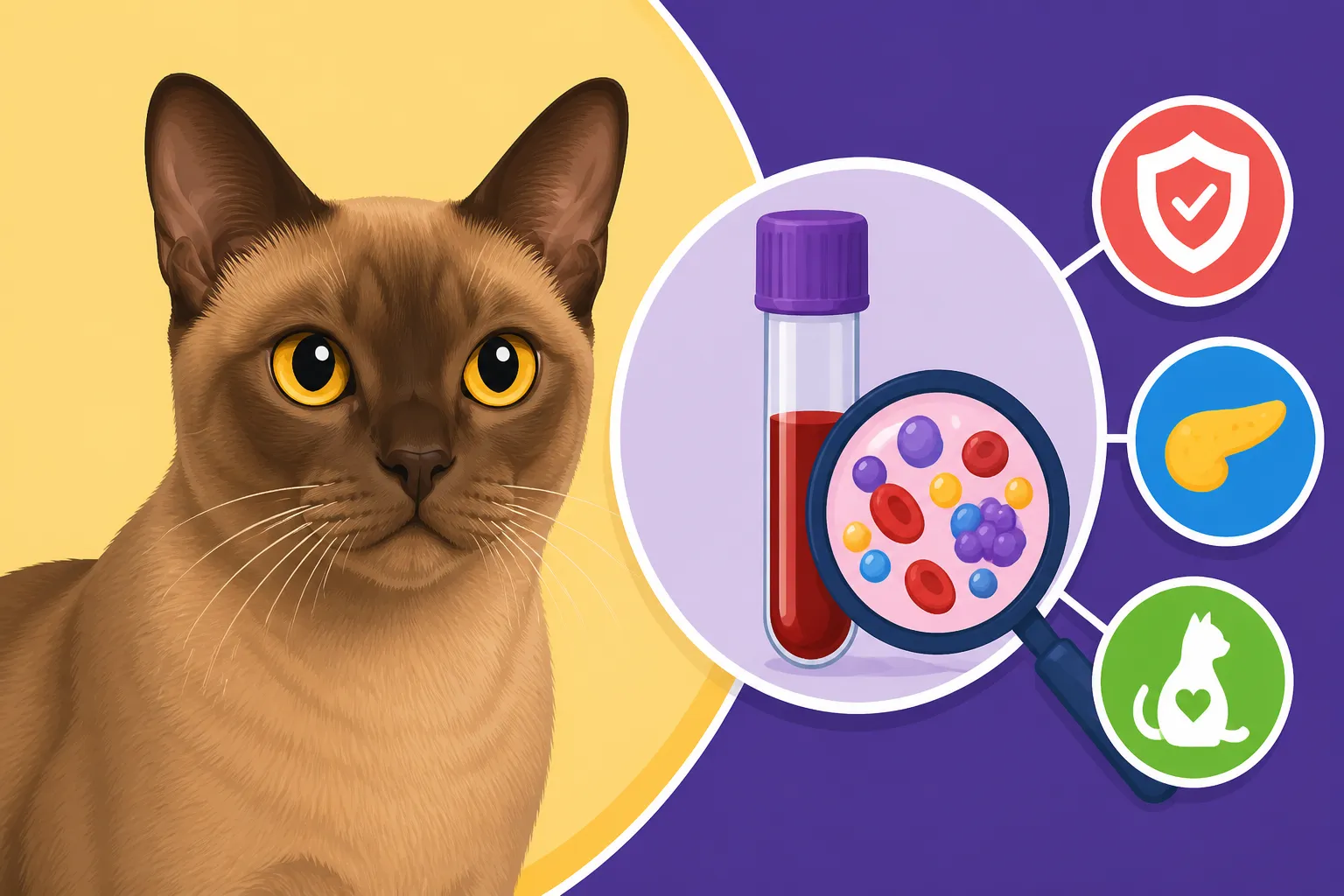
At its heart, a fructosamine test measures glycated proteins in your cat's bloodstream. Think of it like this: when glucose (sugar) is present in the blood, it naturally binds to proteins, a process called glycation. The more glucose there is, and the longer it's there, the more these proteins become glycated. Fructosamine is essentially a measure of these "sugar-coated" proteins. What makes it so useful is that these glycated proteins stay in the bloodstream for an extended period, typically reflecting the average blood glucose levels over the preceding two to three weeks. This is a crucial difference from a single glucose reading, which is only accurate for that moment.
This long-term perspective is precisely why the fructosamine test is so helpful, particularly for cats that get stressed at the vet. Since the test measures an average over several weeks, a temporary spike in glucose due to stress won't skew the results. If your Burmese's fructosamine levels are consistently high, it indicates that their blood glucose has been elevated for a significant period, regardless of whether they were nervous during their vet visit. This gives a much more reliable picture of chronic hyperglycemia and helps confirm whether diabetes is truly present or if current treatment protocols are effective. Understanding this scientific basis helps us appreciate its practical value.
Why it's a Game-Changer for Diabetic Cats
The fructosamine test truly is a game-changer for diagnosing and managing diabetes in cats, especially those highly susceptible breeds like the Burmese. Imagine your sweet Burmese, who normally loves cuddles, becoming a nervous wreck at the vet. A regular blood glucose test might show incredibly high numbers, leading to a presumptive diagnosis of diabetes. But what if that's just a stress response? The fructosamine test provides the much-needed clarity by reflecting an average glucose level over the past two to three weeks, effectively sidestepping the "white coat syndrome" effect. This means you and your vet can make decisions based on a stable, long-term trend, rather than a potentially misleading single reading.
This ability to provide an unaffected average makes the fructosamine test a gold standard for assessing long-term diabetic control. If your Burmese has recently been diagnosed and started on insulin, follow-up fructosamine tests can reveal whether the dosage is appropriate and if their glucose levels are settling into a healthy range. It’s a much more accurate gauge of how well treatment is working in the real world, outside the stressful vet environment. Without it, vets would rely solely on home curves (which are hard to get) or multiple, potentially stress-induced, blood glucose readings, which only add to the animal's and owner's anxiety. This test offers a calmer, more reliable path forward, leading to better outcomes for our feline friends and informed decisions for their dedicated owners.
Interpreting Your Burmese's Fructosamine Results
Getting a fructosamine result back can still feel like decoding a secret message, even once you understand what it measures. But with a bit of guidance, you can begin to interpret what these numbers mean for your precious Burmese's health and how well their diabetes, if present, is being managed.
Normal vs. Elevated Levels
When your Burmese undergoes a fructosamine test, the results will fall into a specific range. Generally, a normal fructosamine level for a cat is typically between 190 and 360 µmol/L (micromoles per liter), though these ranges can vary slightly between different laboratories. If your cat's result falls within this range, it's a good indicator that their average blood glucose over the past few weeks has been within normal limits, suggesting they are either not diabetic or their diabetes is very well controlled. This offers immense reassurance, especially if previous spot glucose tests were high due to stress.
However, if the fructosamine levels are elevated, this tells a different story. Moderately elevated levels (e.g., 360-500 µmol/L) often suggest that your Burmese is diabetic, but their glucose control might be acceptable or that they are in the early stages of diabetes. Highly elevated levels (above 500 µmol/L) typically indicate poorly controlled or undiagnosed diabetes, meaning their average blood glucose has been significantly high for an extended period. These higher numbers are a strong signal that intervention is needed, whether it's confirming a diagnosis, adjusting insulin, or refining their diet. The extent of the elevation also correlates with the risk of developing diabetes-related complications, such as neuropathy, which highlights the urgency of addressing consistently high levels. This is a critical step in How a Diabetic Burmese Is Diagnosed and monitored.
Here’s a general guide to interpreting fructosamine levels in your Burmese:
| Fructosamine Level (µmol/L) | Interpretation | Action/Significance |
|---|---|---|
| 190-360 | Normal / Non-Diabetic / Well-Controlled Diabetic | Excellent glucose control. Continue current management plan. |
| 361-500 | Mildly to Moderately Elevated / Fairly Controlled Diabetic | Suggests diabetes with some degree of control. May indicate early diabetes, partial remission, or need for minor treatment adjustment. Further investigation or monitoring may be needed. |
| 501-700 | Markedly Elevated / Poorly Controlled Diabetic | Indicates consistent hyperglycemia. Requires prompt adjustment of insulin dosage or dietary plan. Higher risk of complications. |
| >700 | Severely Elevated / Uncontrolled Diabetic | Severe, prolonged hyperglycemia. Urgent veterinary intervention, insulin adjustments, and careful monitoring are necessary to prevent life-threatening complications. |
Note: These are general guidelines. Your veterinarian will interpret results based on your individual cat's clinical signs and history.
Factors Influencing Fructosamine Readings
While the fructosamine test is incredibly useful, it's not entirely without nuance. Several other medical conditions can sometimes influence the results, which is why your veterinarian will always interpret the fructosamine reading in the context of your Burmese's complete health picture, medical history, and other diagnostic findings. For example, conditions that lead to hypoproteinemia (low blood protein levels), such as severe liver disease or kidney issues, can actually cause fructosamine levels to appear falsely low. This happens because there are fewer proteins for the glucose to bind to, artificially lowering the measured glycated protein concentration.
Conversely, severe dehydration can sometimes lead to artificially elevated fructosamine levels, as the blood becomes more concentrated. Although less common, hyperthyroidism can also sometimes complicate fructosamine interpretation. This means that while a high fructosamine is a strong indicator of diabetes, it's never the only piece of the puzzle. Your vet will consider these possibilities, possibly ordering additional tests to rule out confounding factors, ensuring a truly accurate diagnosis and the most effective treatment plan for your Burmese. This comprehensive approach is crucial for managing their sensitive health.
Using Fructosamine for Diabetes Management in Burmese Cats
The fructosamine test isn't just a one-off diagnostic tool; it's a vital part of the ongoing management of a diabetic Burmese cat. From initial diagnosis to long-term monitoring and even assessing the potential for remission, it provides consistent, reliable data that empowers both veterinarians and owners.
Diagnosing Diabetes with Fructosamine
When your Burmese presents with classic signs of diabetes—like increased thirst, frequent urination, or unexplained weight loss despite a good appetite—your vet will often start with a basic blood glucose test. However, as we've discussed, the stress of a clinic visit can easily inflate these numbers. This is where the fructosamine test truly shines as a diagnostic aid. If the spot blood glucose is high, but the vet suspects stress hyperglycemia, a fructosamine test can confirm whether your cat has actually had consistently high blood sugar over the preceding weeks. A high fructosamine level, combined with clinical signs and a high fasting glucose reading, provides strong evidence for a diabetes diagnosis, allowing your vet to confidently begin treatment.
Without the fructosamine test, veterinarians might be forced to rely on repeated blood glucose tests over several days, or even send owners home with instructions for home glucose monitoring, which can be difficult and inaccurate. The fructosamine test streamlines this diagnostic process, providing a robust, non-stress-dependent indicator. It helps to differentiate between a fleeting stress-induced spike and genuine, persistent hyperglycemia, saving both the cat and owner undue stress and potentially costly, unnecessary treatments. This means less uncertainty and a quicker path to getting your beloved Burmese the help they need. This is a key step in How a Diabetic Burmese Is Diagnosed.
Monitoring Treatment Effectiveness
Once your Burmese has been diagnosed with diabetes and started on an insulin regimen, the fructosamine test becomes an indispensable tool for monitoring how well that treatment is working. It’s not a test you’ll do once; regular fructosamine checks, typically every few months, allow your vet to track your cat's average glucose levels over time. If the levels remain high, it might indicate that the insulin dose needs to be adjusted upwards, or that other aspects of the treatment plan, such as diet, need to be re-evaluated. Conversely, if levels are dropping too low, it could signal that the insulin dose is too high, preventing potentially dangerous hypoglycemic episodes.
This consistent feedback loop is vital for fine-tuning diabetes management, helping your vet make informed decisions about insulin adjustments, dietary changes, and even when to look for signs that your cat might be entering diabetic remission. For some Burmese cats, especially if diabetes is caught early and managed aggressively with diet and insulin, remission is a real possibility. A declining fructosamine, moving back into the normal range, is a strong indicator that remission might be occurring. This test allows for proactive and responsive care, ensuring your Burmese receives the most appropriate treatment to maintain a good quality of life. The ongoing costs of managing a chronic condition like diabetes, including frequent testing and medication, can be substantial, which is where a robust pet insurance plan from providers like Healthy Paws can truly make a difference, helping to cover these necessary expenses. This long-term monitoring is crucial, especially since How Many Diabetic Burmese Go Into Remission can vary widely.
Fructosamine as a Wellness Check for Predisposed Burmese
Given the Burmese breed's strong genetic predisposition to diabetes, the fructosamine test isn't just for cats already showing symptoms. It can also serve as a proactive wellness check, especially for high-risk Burmese cats. This includes older males, overweight individuals, or those with a known family history of diabetes. Regularly incorporating a fructosamine test into their annual or bi-annual senior wellness exams can help catch subtle, subclinical hyperglycemia before it progresses into full-blown diabetes. This proactive approach can be a lifesaver, allowing for early dietary interventions and lifestyle changes that might prevent the onset of the disease entirely, or at least significantly delay it.
Starting these discussions with your vet when your Burmese is around seven years old, as recommended in Why a Burmese's Glucose Should Be Checked From Seven, is an excellent strategy. By monitoring their fructosamine levels even before they show overt symptoms, you’re staying ahead of a potential problem. If a slight elevation is detected, it acts as an early warning, prompting stricter dietary management and weight control, potentially preventing the need for insulin down the line. This type of preventative care can not only improve your cat's health outcomes but also save you significant stress and financial burden in the long run. Having pet insurance, perhaps with Healthy Paws, in place before any chronic conditions manifest is always a wise decision for a predisposed breed like the Burmese.
Practical Tips for Owners of Diabetes-Prone Burmese
Owning a Burmese cat means being extra vigilant about their health, especially concerning their susceptibility to diabetes. While the fructosamine test provides invaluable insights, pairing that knowledge with proactive daily care is paramount for their well-being.
Dietary Management and Weight Control
For a breed as predisposed to diabetes as the Burmese, diet is not just about nutrition; it's a medical decision, plain and simple. Switching to a high-protein, low-carbohydrate wet food diet is often the first and most critical step in managing or preventing feline diabetes. Dry kibble, even "premium" brands, often contains excessive carbohydrates that can wreak havoc on a Burmese's sensitive metabolism. Why Low Carbohydrate Food Matters for a Burmese cannot be overstated, as it directly impacts their blood sugar levels and insulin response. This change alone can make a huge difference in their overall health and reduce the strain on their pancreatic function.
Beyond what they eat, how much they eat is equally important. Portion control is absolutely non-negotiable for a Burmese. These cats are notorious for their demanding appetites, but free-feeding or guessing portion sizes can quickly lead to dangerous weight gain, escalating their diabetes risk. Every meal should be weighed on a digital kitchen scale, ensuring precision. Regular weekly weigh-ins at home, as outlined in How to Weigh a Burmese Accurately at Home, allow you to track their weight closely and make adjustments before problems arise. Remember, Feeding a Burmese Is a Medical Decision, Not a Preference, and meticulous dietary management is your most powerful tool in keeping your beloved companion healthy and happy. The financial burden of managing diabetes can be significant, so investing in quality food and preventive care through a trusted provider like Healthy Paws can truly alleviate stress down the road.
Regular Vet Visits and Open Communication
Maintaining an open and honest dialogue with your veterinarian is crucial for the long-term health of your Burmese, especially when it comes to diabetes prevention and management. Regular check-ups, ideally twice a year for adult cats and even more frequently for seniors or those with pre-existing conditions, are essential. During these visits, be sure to discuss any subtle changes you've noticed in your Burmese's behavior – increased thirst (Why a Burmese Drinking More Needs Testing That Week), changes in appetite, urination frequency, or energy levels. Cats are masters at hiding illness, and sometimes the earliest signs are only apparent to their keen-eyed owners.
Don't hesitate to ask your vet about incorporating screening tools like the fructosamine test into your Burmese's routine wellness panel, particularly as they age or if they fall into a high-risk category. Proactive testing can catch problems early, giving you more options and a better prognosis. Your vet is your partner in your Burmese's health journey, and their expertise, combined with your observations, forms the best defense against conditions like diabetes. Being well-insured with a plan from Healthy Paws can give you the freedom to pursue all recommended diagnostics and treatments without financial worry, ensuring your Burmese always receives the best possible care.
Disclaimer
This article is intended for informational purposes only and does not constitute veterinary advice. Always consult with a qualified veterinarian for any health concerns or before making any decisions about your pet's medical care.