How a Vet Confirms Diabetes in a Burmese
It's incredibly worrying when you notice your beloved Burmese cat just isn't acting themselves. These wonderfully affectionate and robust cats are, unfortunately, prone to certain health issues, and diabetes is a big one that often creeps up subtly. Understanding exactly what steps your veterinarian will take to confirm a diagnosis of diabetes can ease some of that anxiety and prepare you for the journey ahead.
Recognizing the Early Signs of Diabetes in Your Burmese
Before you even step foot in the vet's office, you're likely the first line of defense, noticing those subtle shifts in your cat's daily routine. Burmese cats are known for their incredibly active, engaged, and often demanding personalities, so any deviation from their norm tends to stand out quite starkly to a dedicated owner. Knowing what to look for can prompt that crucial early vet visit.
Subtle Behavioral Changes to Watch For
One of the earliest and most common signs that something might be amiss, particularly concerning diabetes, is a noticeable increase in thirst and, consequently, increased urination. You might find your Burmese glued to the water bowl more often, or perhaps you're refilling it far more frequently than before. Some cats will even start seeking out unusual water sources like dripping faucets or puddles if their thirst becomes insatiable. This isn't just a slight uptick; it's a significant, almost obsessive, drive for water.
Hand in hand with increased thirst, you'll inevitably see a dramatic increase in urination. Your litter box will fill up much faster, and the clumps of urine will be larger. It's not uncommon for cats, even those who have been perfectly litter-trained their entire lives, to start having accidents outside the box if they simply can't hold it or aren't making it to the box in time. This isn't a behavioral defiance; it's a physiological symptom that can be incredibly frustrating for both cat and owner, but it's a vital clue that something deeper is at play. If you're wondering, "Why a Burmese Drinking More Needs Testing That Week", it's precisely because of this potential link to diabetes.
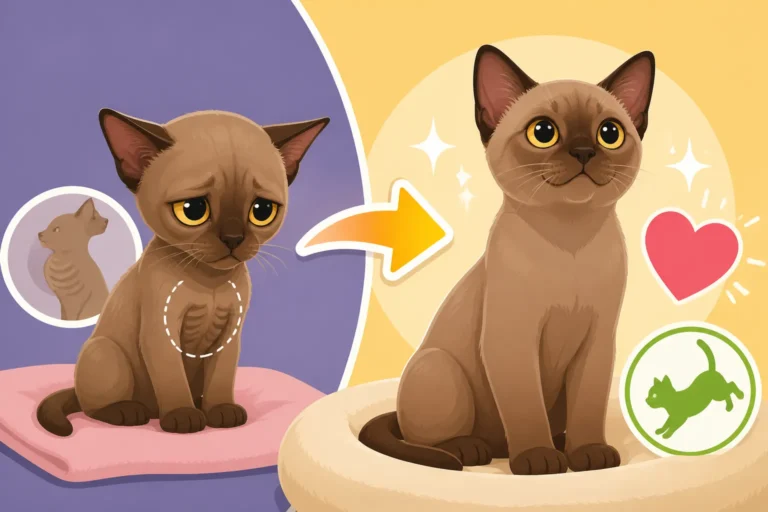
Another puzzling symptom often seen in diabetic Burmese cats is an increase in appetite despite weight loss. It seems counterintuitive, doesn't it? Your cat is begging for food constantly, perhaps even more ravenously than usual, yet they're shedding pounds. This is because, with diabetes, their body can't properly utilize the glucose from their food for energy. Instead, it starts breaking down fat and muscle stores, leading to weight loss even though they're consuming more calories. Recognizing "Which Signs Come First in a Diabetic Burmese" can make all the difference.
Beyond these primary indicators, you might also observe a general dip in their characteristic Burmese energy levels. A cat that used to chase toys with gusto or relentlessly follow you from room to room might become more lethargic, spend more time sleeping, or show less interest in play. While age can bring some slowdown, a sudden or marked change in a typically spirited Burmese is always a cause for concern.
Physical Clues That Warrant Concern
The weight loss, as mentioned, is a critical physical sign. Despite their robust, muscular build that often makes a healthy Burmese feel surprisingly heavy for their size, a diabetic cat can start to feel thinner, with less muscle mass along their spine and hindquarters. This can be subtle at first, especially with their famously sleek and short coat, so regular, perhaps weekly, weighing at home can be incredibly helpful. You might be surprised by "How Much Weight Raises a Burmese's Diabetes Risk".
A dull, unkempt coat can also be a sign. Burmese cats are meticulous self-groomers, their satin coats usually gleaming with health. If your cat's coat looks greasy, matted, or simply not as vibrant as usual, it could be that they're feeling too unwell to maintain their grooming routine. Their hind leg strength might also be affected, sometimes showing as a subtle weakness or an awkward gait. This is a condition called diabetic neuropathy and, while less common as an initial symptom, it's a clear indicator of long-standing, uncontrolled diabetes. These signs are all part of "What Diabetes Looks Like in a Burmese".
The Initial Vet Visit: What to Expect
Once you've noticed these concerning signs, the next crucial step is a visit to your veterinarian. This appointment is about more than just a quick check-up; it's a detective mission where your observations are just as important as the vet's clinical findings.
Your Role in Providing a Detailed History
When you go to the vet, be prepared to share every detail you've observed, no matter how small or insignificant it might seem. Vets rely heavily on your history, especially with conditions like diabetes where early signs are often behavioral. Think about:
- When did you first notice changes? Was it sudden or gradual?
- How much more are they drinking? Can you estimate daily water intake?
- How often are they urinating? How much litter are you using compared to before? Have there been any accidents?
- What are their eating habits? Are they eating more, less, or the same? Are they still gaining weight or losing it?
- What kind of food are they eating? Brand, type (wet/dry), and frequency. Free-feeding versus scheduled meals is a big piece of information.
- Any changes in activity levels or demeanor? Are they less playful, more withdrawn, or seem generally unwell?
Being honest and thorough with this information gives your vet the best starting point for their investigation. Your detailed account helps paint a clearer picture of your cat's health trajectory.
The Physical Examination and Its Importance
Despite your cat's symptoms, the physical examination might not immediately reveal a dramatic problem, especially given how stoic cats can be. Burmese, with their affectionate nature, often purr and lean into attention even when they are feeling quite unwell. This trait, while endearing, means that "Why a Burmese Hides Illness Behind Its Affection" is a genuine concern, as they might mask their discomfort during a vet visit.
During the exam, your vet will perform a thorough assessment:
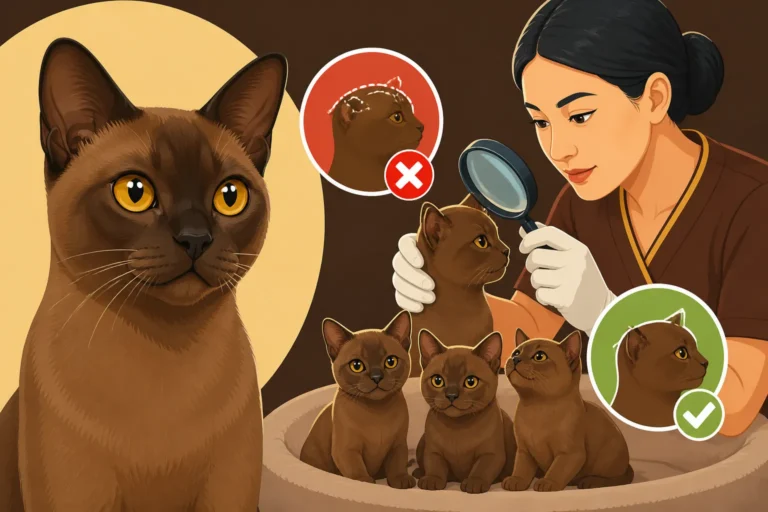
- Weight check: They'll confirm any weight loss you've observed. Even if your Burmese still feels quite substantial, they'll be looking for signs of muscle wasting.
- Palpation: They'll gently feel your cat's abdomen for any abnormalities, check their kidney size, and assess their overall body condition score, feeling for ribs and spine.
- Coat and skin: They'll examine the quality of the coat for dullness or greasiness and check the skin for any lesions or infections.
- Oral exam: They'll check the gums for signs of dehydration, inflammation, or any dental issues.
- General demeanor: They'll observe your cat's energy levels, alertness, and interaction.
While these findings might raise suspicion, they usually aren't enough on their own to confirm diabetes. The physical exam primarily guides the vet towards the next crucial step: diagnostic testing.
Diagnostic Tools: Confirming Diabetes
Once the vet has a good history and physical exam findings, they will move on to diagnostic tests. This is where the true confirmation happens, moving past suspicion to a definitive diagnosis. It's often a combination of tests that paints the full picture.
Understanding Blood Glucose Tests
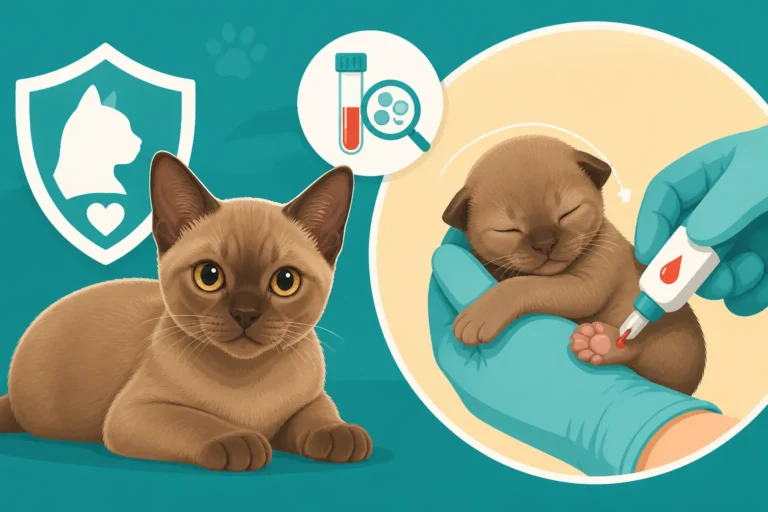
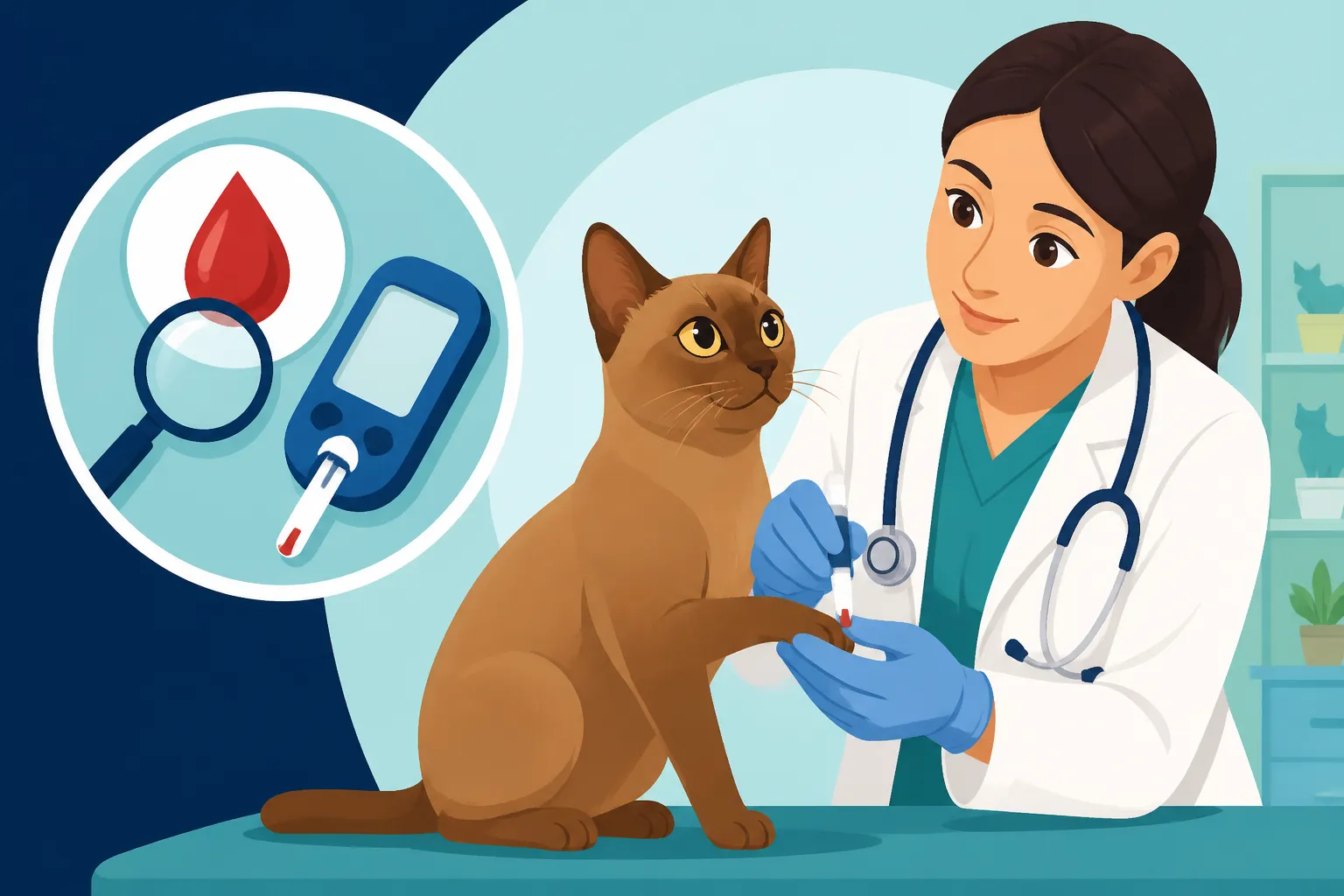
One of the first tests your vet will run is a simple blood glucose test. This measures the amount of sugar currently circulating in your cat's bloodstream. A significantly elevated blood glucose level is a strong indicator of diabetes. Normal feline blood glucose levels typically range between 70-120 mg/dL (3.9-6.7 mmol/L), though this can vary slightly by laboratory. A persistently high reading, especially above 200-300 mg/dL, is highly suspicious.
However, here's a crucial point: cats are masters of stress. A trip to the vet, the handling, the unfamiliar environment – all these things can cause a cat's stress hormones (like epinephrine) to spike, which in turn can temporarily elevate their blood glucose levels. This phenomenon is known as "stress hyperglycemia." This means a single high blood glucose reading, particularly if it's not extremely high, might not be definitive on its own. It warrants further investigation, but it's important to understand this common feline quirk.
The Importance of the Fructosamine Test
Because of stress hyperglycemia, a fructosamine test is often the gold standard for confirming feline diabetes. Instead of measuring glucose at a single moment in time, the fructosamine test provides an average blood glucose level over the preceding one to three weeks. Think of it as a long-term report card for blood sugar.
Fructosamine is a protein that glucose molecules bind to in the bloodstream. The more glucose there has been in the blood over time, the more fructosamine will be present. This test is much less affected by the immediate stress of a vet visit, making it a reliable indicator of whether your Burmese has been experiencing consistently high blood sugar levels. A high fructosamine level, coupled with clinical signs and an elevated spot blood glucose, provides a definitive diagnosis of diabetes. Learning "What a Fructosamine Test Shows in a Burmese" can truly put your mind at ease about the accuracy of the diagnosis.
Urinalysis and Its Insights
A urinalysis, or urine test, is another indispensable diagnostic tool. Your vet will likely ask for a urine sample, either collected by you at home (if possible) or obtained via cystocentesis (a sterile method of collecting urine directly from the bladder with a needle).
What the urinalysis reveals:
- Glucose in urine (Glucosuria): Under normal circumstances, a healthy cat's kidneys will reabsorb all the glucose back into the bloodstream, meaning there should be little to no glucose in their urine. If blood glucose levels are consistently very high (typically above 200-280 mg/dL), the kidneys can no longer reabsorb it all, and glucose spills into the urine. Finding glucose in the urine is a strong indicator of diabetes.
- Ketones in urine (Ketonuria): Ketones are byproducts produced when the body starts breaking down fat for energy instead of glucose. Their presence in the urine is a more serious finding, indicating that the body is in a state of starvation at a cellular level, even if the cat is eating. High levels of ketones can lead to a life-threatening condition called diabetic ketoacidosis (DKA), which requires immediate and intensive veterinary care.
- Urinary Tract Infections (UTIs): Diabetic cats are more prone to UTIs because the sugar in their urine creates a fertile breeding ground for bacteria. A urinalysis will check for the presence of bacteria, white blood cells, or other signs of infection, which would then be treated with antibiotics.
Together, the blood glucose, fructosamine, and urinalysis provide a comprehensive picture, allowing your vet to definitively diagnose diabetes and assess its severity. This holistic approach is essential for knowing "How a Diabetic Burmese Is Diagnosed".
Differentiating Diabetes from Other Conditions
It’s important to remember that while the symptoms of diabetes might seem obvious once you know what to look for, some other health conditions can mimic them. This is why your vet won't just jump to conclusions after one test. Their goal is to rule out other possibilities to ensure the correct diagnosis and the most effective treatment.
Other Causes of Increased Thirst and Urination
While increased thirst (polydipsia) and urination (polyuria) are hallmarks of diabetes, they aren't exclusive to it. Several other common feline ailments can present with similar symptoms, which is why a thorough diagnostic workup is so crucial.
- Kidney Disease: This is a very common condition in older cats, where the kidneys gradually lose their ability to concentrate urine. Cats with kidney disease will drink more to compensate for the fluid loss and urinate more frequently. Blood tests looking at kidney values (BUN, creatinine, SDMA) will help differentiate this from diabetes.
- Hyperthyroidism: An overactive thyroid gland, also common in senior cats, can lead to increased metabolism, weight loss despite a ravenous appetite, and sometimes increased thirst and urination. A blood test for thyroid hormone levels (T4) easily diagnoses hyperthyroidism.
- Urinary Tract Infections (UTIs): As mentioned earlier, UTIs can cause increased frequency of urination, sometimes with straining or inappropriate urination, but usually not excessive thirst unless severe. A urinalysis directly identifies a UTI.
- Certain Medications: Some drugs, like corticosteroids, can cause increased thirst and urination as side effects.
Your vet will consider these possibilities and may run additional blood tests (a full chemistry panel and complete blood count) to get a complete overview of your Burmese's internal organ function and overall health.
Stress Hyperglycemia in Cats
We touched on this earlier, but it truly warrants a deeper dive because it’s a significant confounder in feline diabetes diagnosis. Cats, as a species, are incredibly sensitive to stress, and their bodies react dramatically to perceived threats or changes in environment. When a cat is stressed (e.g., car ride to the vet, strange noises, being handled), their adrenal glands release stress hormones like cortisol and adrenaline (epinephrine).
These hormones are designed to prepare the body for "fight or flight," and one of their immediate effects is to raise blood glucose levels. This is why a perfectly healthy cat can have a blood glucose reading of 200 mg/dL or higher in a veterinary clinic setting, even if they are not diabetic. If your vet only relied on a single blood glucose reading, they could mistakenly diagnose diabetes. This is precisely why the fructosamine test is so invaluable. It bypasses this acute stress response and gives a reliable picture of long-term glucose control. It’s also why, for long-term monitoring after a diagnosis, many owners learn to perform at-home glucose monitoring, which often yields more accurate readings because the cat is in a relaxed, familiar environment.
What Happens After a Diagnosis
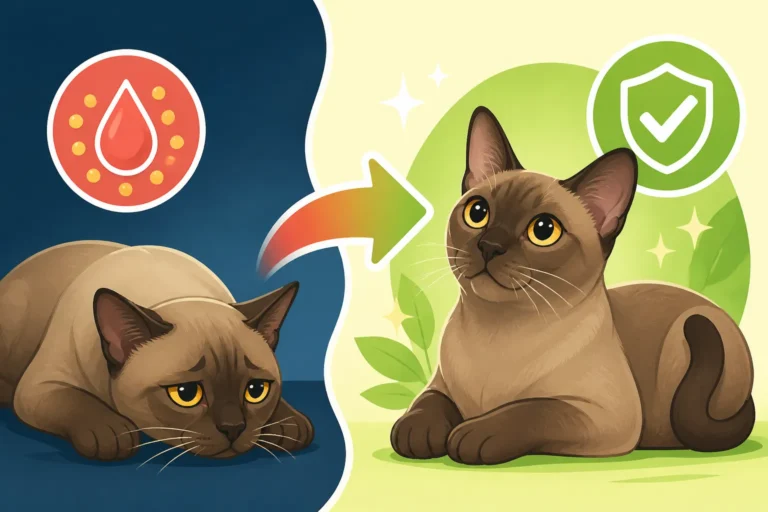
Receiving a diagnosis of diabetes for your beloved Burmese can feel overwhelming, but it's a manageable condition with the right commitment and veterinary partnership. The goal is to regulate their blood sugar and prevent complications, allowing your cat to live a happy, full life.
Initial Steps and Treatment Plans
Once diabetes is confirmed, your vet will discuss the initial treatment plan, which typically involves two main components:
- Insulin Therapy: The vast majority of diabetic cats require insulin injections. This usually involves administering insulin twice daily, around the same time each day, usually after meals. Your vet or vet technician will patiently teach you exactly how to draw up the insulin, how to give the injection subcutaneously (under the skin), and how to safely dispose of needles. It might seem daunting at first, but most owners quickly become proficient, and most cats tolerate the injections remarkably well, especially a compliant and affectionate Burmese. Learn more about "How a Diabetic Burmese Is Started on Insulin".
- Dietary Changes: This is arguably one of the most critical aspects of managing feline diabetes, especially in Burmese cats. The cornerstone of a diabetic feline diet is low-carbohydrate, high-protein wet food. Carbohydrates break down into sugars, which then elevate blood glucose. By drastically reducing carbohydrates, you can help stabilize blood sugar and, in many cases, even achieve diabetic remission in cats. Your vet will guide you on appropriate food choices and portion sizes. This is where "Why Portion Control Is Medical Care in a Burmese" becomes intensely practical.
The combination of insulin and a carefully controlled diet works synergistically to bring your Burmese's blood sugar back into a healthy range.
Long-Term Management and Monitoring
Diabetes is a lifelong condition for most cats, requiring ongoing management and monitoring. It truly becomes a partnership between you, your vet, and your Burmese.
- Regular Vet Check-ups: Initially, you'll have frequent vet visits to monitor your cat's response to insulin, adjust dosages, and recheck blood glucose and fructosamine levels. These visits will become less frequent once your cat is stable.
- Home Glucose Monitoring: Many owners choose to learn how to monitor their cat's blood glucose at home using a pet-specific glucometer. This can provide invaluable data in a stress-free environment, helping your vet fine-tune insulin doses and catch any issues early. You can also track trends. Understanding "How a Burmese Is Monitored on Insulin at Home" can empower you.
- Monitoring for Hypoglycemia: Just as high blood sugar is dangerous, so is low blood sugar (hypoglycemia), which can occur if too much insulin is given or if your cat doesn't eat enough after an injection. Signs include weakness, disorientation, stumbling, seizures, or even unconsciousness. Your vet will teach you how to recognize and respond to hypoglycemia. It's vital to know "What a Hypoglycemic Burmese Looks Like".
- Weight Management: Maintaining an ideal body weight is crucial. Obesity significantly exacerbates diabetes, so your vet will help you set and achieve healthy weight goals.
- Recognizing Remission: With strict dietary control, especially low-carb wet food, many cats can achieve diabetic remission, meaning they no longer require insulin injections. This isn't a cure, as they remain prone to diabetes if diet is relaxed, but it's a fantastic outcome. The right diet truly matters for "Which Diet Puts a Burmese Into Remission".
Managing a diabetic Burmese requires dedication, but with consistent care, these wonderful cats can continue to enjoy many more years of affectionate companionship. It's a journey, and having pet insurance like Healthy Paws can certainly help with the ongoing costs of medication, vet visits, and specialized food, easing some of the financial burden associated with long-term care. Ensuring you have coverage before a diagnosis, or understanding the terms regarding pre-existing conditions, is always wise.
| Diagnostic Test | What It Measures | Why It's Important for Burmese Diabetes |
|---|---|---|
| Blood Glucose Test | Current sugar level in the blood | Initial indicator of high blood sugar. Useful for immediate assessment, but results can be skewed by stress in cats, leading to "stress hyperglycemia." |
| Fructosamine Test | Average blood glucose level over 1-3 weeks | Crucial for definitive diagnosis. Provides a reliable, long-term picture of blood sugar control, unaffected by acute stress. Confirms sustained high glucose. |
| Urinalysis (Glucose) | Presence of sugar in the urine | Healthy cats should not have glucose in their urine. Its presence indicates that blood glucose levels have been consistently high enough to overwhelm kidney reabsorption, strongly suggesting diabetes. |
| Urinalysis (Ketones) | Presence of ketones in the urine | Ketones are metabolic byproducts from fat breakdown. Their presence signals that the body isn't using glucose for energy and is breaking down fat, which can lead to life-threatening diabetic ketoacidosis (DKA) and requires urgent medical attention. |
| Urinalysis (UTI) | Presence of bacteria, white blood cells in urine | Diabetic cats are more susceptible to urinary tract infections due to sugar in the urine. A urinalysis helps detect these infections, which need to be treated alongside diabetes management. |
| Full Chemistry Panel | Kidney function, liver enzymes, electrolytes | Helps rule out other conditions (like kidney disease or hyperthyroidism) that can mimic diabetes symptoms. Provides a broader view of organ health and identifies any potential complications or co-existing conditions that might influence treatment plans. |
| Complete Blood Count | Red blood cells, white blood cells, platelets | Assesses for anemia, infection, and inflammation. While not directly diagnostic for diabetes, it provides important general health information and helps detect any secondary issues. |
Disclaimer
The information provided in this article is intended for educational purposes only and should not be considered a substitute for professional veterinary advice. Always consult with your veterinarian for any health concerns regarding your Burmese cat.