How a Burmese Breeder Screens Against the Head Defect
It's heartbreaking to imagine bringing home a tiny, adorable Burmese kitten only to discover it's suffering from a devastating genetic condition that impacts its very formation. The reality of Burmese Head Defect, a lethal recessive genetic disorder, is a profoundly serious concern for anyone involved with this wonderful breed. This comprehensive guide will walk you through what this defect is, how it's inherited, and critically, how responsible Burmese breeders are actively screening their breeding cats to prevent this tragic condition from ever occurring in their litters.
What is Burmese Head Defect and Why it is So Serious?
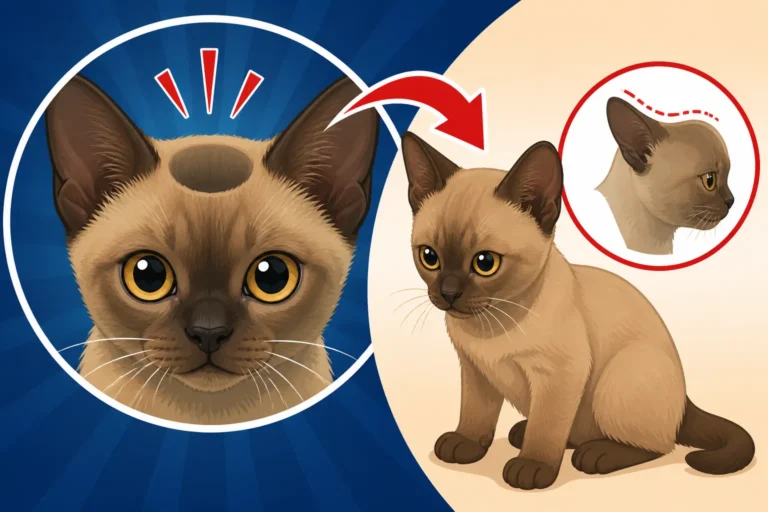
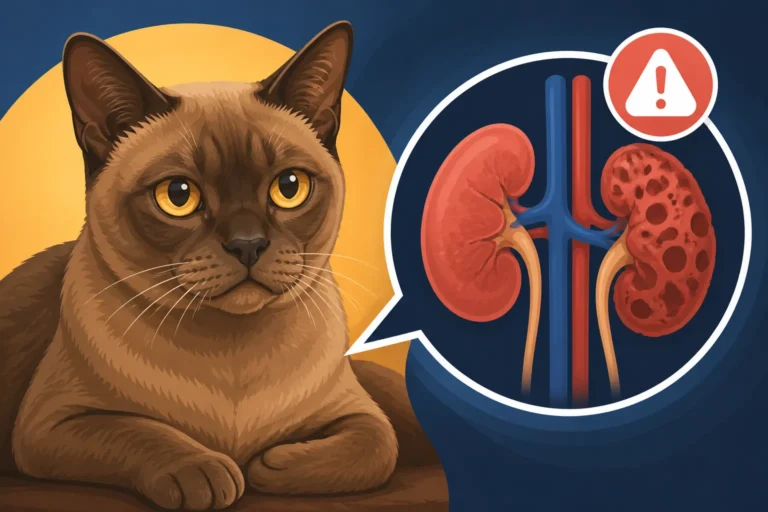
Burmese Head Defect, also known as Congenital Head Tremor or Craniofacial Defect, is a particularly severe inherited condition that affects Burmese kittens. When a kitten is born with this defect, it typically presents with noticeable deformities of the skull and face, often leading to a severely abnormal head shape, an undershot jaw, or other craniofacial abnormalities. It's not merely a cosmetic issue; these structural problems are profoundly debilitating, interfering with the kitten's ability to nurse, breathe, and develop normally.
The Tragic Reality of Burmese Head Defect Kittens
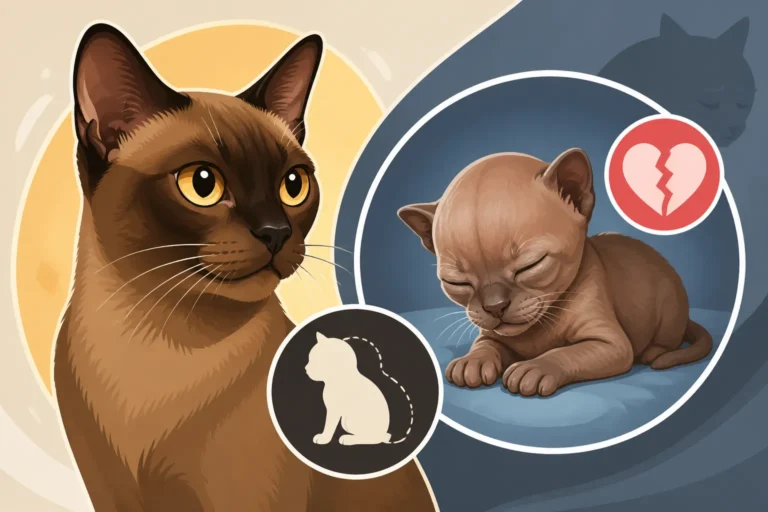
The prognosis for kittens born with Burmese Head Defect is, sadly, always grim. These kittens often display neurological symptoms from birth, including tremors or an inability to properly control their head movements. They struggle to feed, making growth and survival incredibly difficult. In almost all cases, affected kittens are either stillborn, die shortly after birth, or must be humanely euthanized due within days or weeks due to their severe malformations and inability to thrive. It’s a truly devastating outcome for everyone involved, especially the breeder who pours their heart into every litter. The article What a Burmese Head Defect Kitten Looks Like provides more insight into the specific physical manifestations.
The emotional toll on a breeder who experiences such a litter is immense. They dedicate their lives to the health and welfare of their cats, and to witness a kitten suffering from such a severe, incurable condition is incredibly painful. For the prospective owner, while it's less direct, understanding this defect highlights the absolute importance of choosing a breeder who takes every precaution to prevent it. It's a stark reminder that responsible breeding isn't just about pretty faces; it's about life and death.
The Burden on Breeders and Owners
The immediate burden of Burmese Head Defect falls squarely on the kittens, who suffer immensely. However, the repercussions extend to both breeders and potential owners. For breeders, discovering a defect in their line means not only the heartbreak of losing kittens but also the arduous task of re-evaluating their breeding program, potentially testing all their breeding cats, and making tough decisions about which cats to retire. This can be financially draining due to veterinary costs for diagnosis, and emotionally exhausting.
For a prospective owner, the burden is primarily the risk of unknowingly purchasing a kitten from a line where this defect is prevalent or, worse, where breeders are not transparent about their genetic testing practices. While genetic testing has made this much less common with reputable breeders, stories of unexpected genetic illnesses are why it's so vital to engage with a breeder who adheres to the highest standards. You'll find more information on the outcomes in Why Burmese Head Defect Kittens Do Not Survive.
Understanding the Genetics: The Recessive Gene at Play
Burmese Head Defect is a classic example of an autosomal recessive genetic disorder. This means that for a kitten to be affected by the condition, it must inherit two copies of the faulty gene—one from its mother and one from its father. If a kitten inherits only one copy of the faulty gene, it will not develop the defect but will be a "carrier." Carriers are completely healthy themselves and show no signs of the condition, making the identification of this genetic risk a bit trickier without proper testing. This hidden aspect is precisely why conscientious breeders rely on DNA testing.
How Recessive Genes Work in Burmese Breeding
Let's break down the mechanics of recessive inheritance, which is key to understanding Burmese Head Defect Is Lethal and Recessive. Every cat has two copies of each gene, one inherited from each parent. For Burmese Head Defect, we can label the normal gene "N" and the faulty gene "n."
- Clear (NN): A cat with two normal genes. It cannot develop the defect and cannot pass on the faulty gene.
- Carrier (Nn): A cat with one normal gene and one faulty gene. It will not develop the defect but can pass the faulty gene to its offspring.
- Affected (nn): A cat with two faulty genes. It will develop the defect.
The problem arises when two carrier cats (Nn x Nn) are bred together. Statistically, each kitten in such a litter has a:
- 25% chance of being Clear (NN)
- 50% chance of being a Carrier (Nn)
- 25% chance of being Affected (nn)
This 25% chance of having an affected kitten in a litter of carriers is a risk that no responsible breeder is willing to take, especially for a condition as severe as Burmese Head Defect. The simple fact that two healthy-looking cats can produce a kitten with a devastating genetic illness highlights the crucial role of genetic testing. More details on the mechanism can be found in Why Two Copies Are Needed for Burmese Head Defect.
The Hidden Threat of Carrier Parents
The silent nature of carrier cats is what makes recessive genetic conditions so insidious. A breeder could have a champion show cat, seemingly in perfect health, winning awards, and producing beautiful kittens. Without specific DNA testing, they would have no way of knowing if that cat is carrying the hidden "n" gene. This is why a thorough understanding of genetics and proactive testing became paramount in the Burmese breed. When a new genetic test becomes available, it empowers breeders to eliminate this hidden threat and make informed decisions about their breeding pairs.
This situation perfectly illustrates why relying solely on a cat's appearance or even its immediate family history isn't enough when it comes to certain genetic diseases. The responsible approach demands a look deeper, right down to the genetic code. The article How a Burmese Head Defect Was Traced to a Recessive offers historical context on how this genetic understanding came about.
Breeder Screening Protocols: How Responsible Breeders Prevent Head Defect
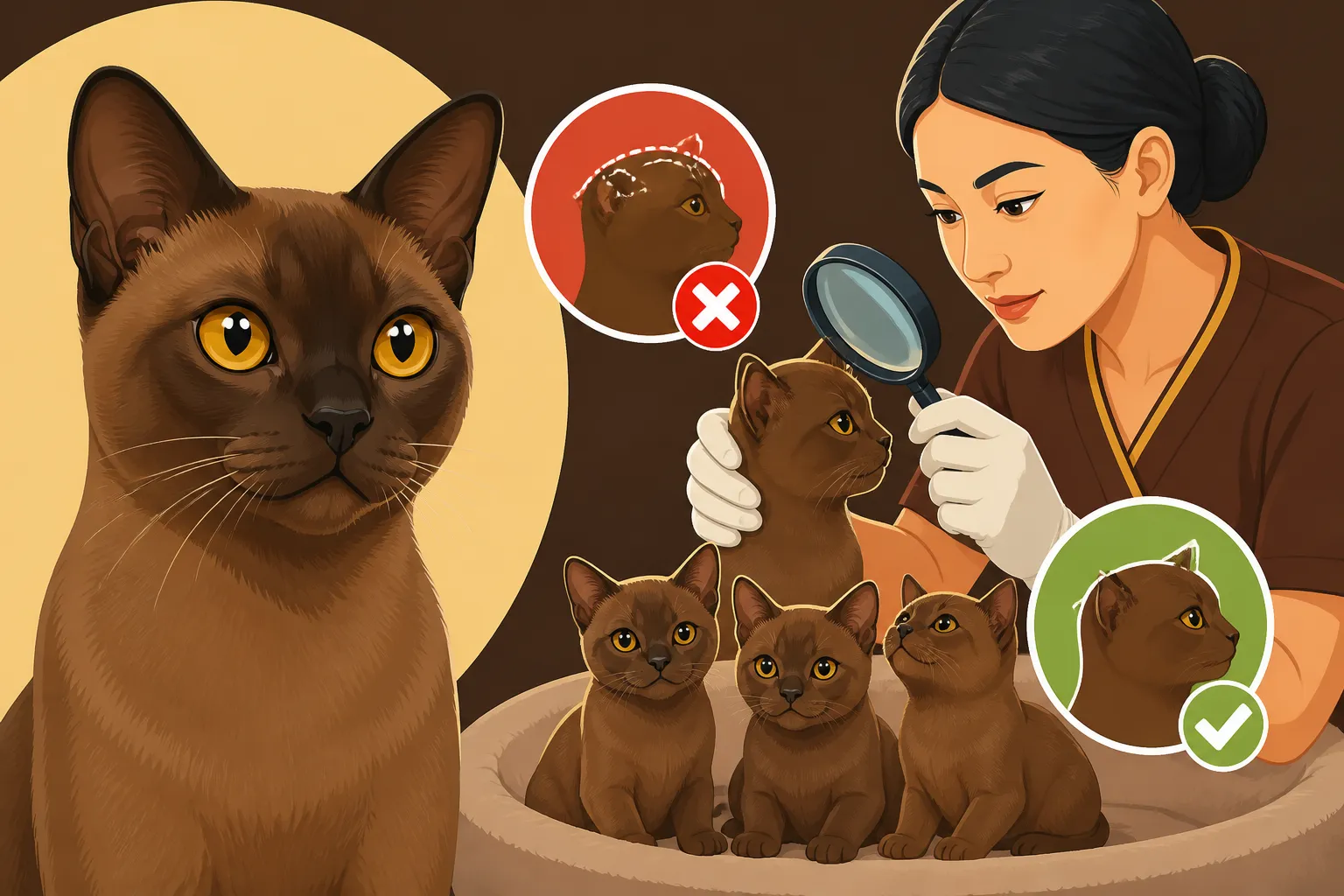
So, how do dedicated Burmese breeders navigate this genetic minefield and ensure they are producing healthy, clear kittens? The answer lies in rigorous, proactive genetic testing and careful breeding practices based on those results. The goal is simple: never breed two carriers together. This strategy effectively eliminates the possibility of producing affected kittens.
The Importance of DNA Testing for Parents
The cornerstone of preventing Burmese Head Defect is DNA testing for every breeding cat. Thankfully, specific genetic tests are available that can identify whether a cat is clear, a carrier, or affected by the Head Defect mutation. These tests are typically simple cheek swabs or blood samples that are sent to specialized veterinary genetics laboratories. The results provide breeders with undeniable clarity about their cat's genetic status. The good news is that Whether a Burmese Head Defect Test Exists confirms that such a test does indeed exist and is widely used by ethical breeders.
Before any mating takes place, responsible breeders will have tested both the prospective queen and stud. If either cat is a carrier (Nn), they will carefully select a mate that is "clear" (NN). This ensures that even if the carrier parent passes on the faulty gene, the kitten will receive a normal gene from the clear parent, making it, at worst, a carrier itself, but never affected by the lethal defect. This proactive approach saves countless kittens from suffering and heartbreak.
Strategic Mating: Avoiding Carrier-to-Carrier Pairings
Once breeders have the DNA test results in hand, they can implement a strategic mating plan to prevent affected kittens. The golden rule is straightforward: never breed two carriers together.
Here's a breakdown of acceptable and unacceptable pairings:
| Female Status | Male Status | Potential Kitten Outcomes | Risk of Affected Kittens | Breeding Recommendation |
|---|---|---|---|---|
| Clear (NN) | Clear (NN) | 100% Clear (NN) | 0% | Ideal, all kittens are clear |
| Clear (NN) | Carrier (Nn) | 50% Clear (NN), 50% Carrier (Nn) | 0% | Acceptable, no affected kittens |
| Carrier (Nn) | Clear (NN) | 50% Clear (NN), 50% Carrier (Nn) | 0% | Acceptable, no affected kittens |
| Carrier (Nn) | Carrier (Nn) | 25% Clear (NN), 50% Carrier (Nn), 25% Affected (nn) | 25% | NEVER DO THIS |
| Affected (nn) | (Any) | (Should not be bred) | High | Cat should not be used for breeding |
As you can see from the table, the crucial step is to avoid the "Carrier x Carrier" pairing. By consistently breeding a carrier cat only to a clear cat, the breeder guarantees that no kitten will inherit two copies of the faulty gene, thus eliminating the risk of Head Defect. This demonstrates How a Burmese Breeder Avoids the Head Defect through careful planning.
Why Burmese Head Defect Carriers Are Still Bred From
You might wonder why, if a cat carries the gene for such a serious condition, breeders don't simply remove all carriers from the breeding gene pool. This is a very thoughtful question and brings up an important aspect of preserving genetic diversity within a breed. If every carrier were immediately removed, especially if the gene is relatively widespread (as can happen in smaller gene pools), it could drastically reduce the number of available breeding cats. This reduction in genetic diversity can lead to other health problems down the line, as it limits the options for healthy pairings and can inadvertently increase the prevalence of other undesirable genes.
Instead, the approach is to carefully manage carrier cats. Why Burmese Head Defect Carriers Are Still Bred From explains that by breeding a carrier to a genetically clear cat, a breeder can continue to utilize valuable traits a carrier might possess (e.g., excellent temperament, conformation to standard) while still ensuring that no affected kittens are produced. The kittens from such a pairing have a 50% chance of being clear and a 50% chance of being carriers. The carrier kittens can then be responsibly rehomed as pets (since they are healthy) or, if they possess exceptional qualities, might themselves be used in a managed breeding program, always paired with a clear mate. This controlled approach allows for the gradual reduction of the faulty gene's presence over generations without jeopardizing the overall health and genetic robustness of the breed. It's a testament to the long-term thinking required in responsible breeding.
What to Ask Your Breeder: Ensuring a Healthy Kitten
When you're looking for a Burmese kitten, the passion and dedication of a responsible breeder should be evident. They will be open, transparent, and eager to discuss the health of their lines. Knowing what questions to ask and what documentation to look for is your best defense against inadvertently supporting irresponsible breeding practices and, more importantly, ensuring you bring home a healthy companion. This is part of the broader conversation about Which Diseases a Burmese Breeder Must Declare.
Demanding Proof: Certificates and Pedigrees
Never be afraid to ask a breeder for proof of genetic testing for Burmese Head Defect (and other relevant conditions like Hypokalemia, if applicable). A reputable breeder will have no issue providing you with copies of the DNA test results for both the kitten's parents. These documents should clearly state the names of the breeding cats, the test performed, the lab that conducted it, and the "clear," "carrier," or "affected" status. If a breeder hesitates, makes excuses, or claims that testing isn't necessary, consider that a significant red flag.
Beyond the genetic test results, also examine the kitten's pedigree. A good pedigree will show multiple generations of ancestors, often indicating registered names and titles. While a pedigree doesn't directly show genetic health, it indicates a commitment to registered lines, which often correlates with more diligent health testing. The more information a breeder provides willingly, the more confidence you can have in their practices. It’s part of the comprehensive approach outlined in What a Burmese Breeder Must Test Before Any Mating.
Understanding the "Clear by Parentage" Trap
Sometimes a breeder might tell you that a kitten is "clear by parentage" for Burmese Head Defect. This means that both of the kitten's parents were genetically tested and found to be "clear" (NN). In such a scenario, the kitten must also be clear (NN) because it could only inherit normal genes from its parents. This is a perfectly valid and acceptable status.
However, "clear by parentage" can become a "trap" if one or both parents were not tested, and the breeder is making assumptions based on their own parents being clear. Or, if only one parent was tested, and the other's status is unknown. To be truly "clear by parentage," both parents must have been tested and unequivocally confirmed as "clear" (NN) for the specific defect in question. If a breeder states "clear by parentage," always ask to see the clear genetic test certificates for both parents. If they cannot provide them, then the kitten's status is unconfirmed, and you should proceed with caution. The range of tests that reputable breeders should be running are detailed in Which Tests Belong on a Burmese DNA Panel.
Disclaimer
The information provided in this article is for educational and informational purposes only and does not constitute veterinary advice. Always consult with a qualified veterinarian or veterinary specialist for any health concerns or before making any decisions related to your pet's health or medical care.