Why Burmese Head Defect Carriers Are Still Bred From
It’s heartbreaking to hear about a kitten born with a severe congenital defect, and for Burmese breeders, the spectre of Head Defect is a constant concern. While it might seem counterintuitive, responsibly breeding from carriers of this recessive gene is a practice rooted in preserving genetic diversity and ensuring the long-term health of the breed, rather than eliminating entire bloodlines. This guide will delve into why this approach is not only permissible but often necessary for the Burmese breed's future.
Understanding Burmese Head Defect and Its Genetic Roots
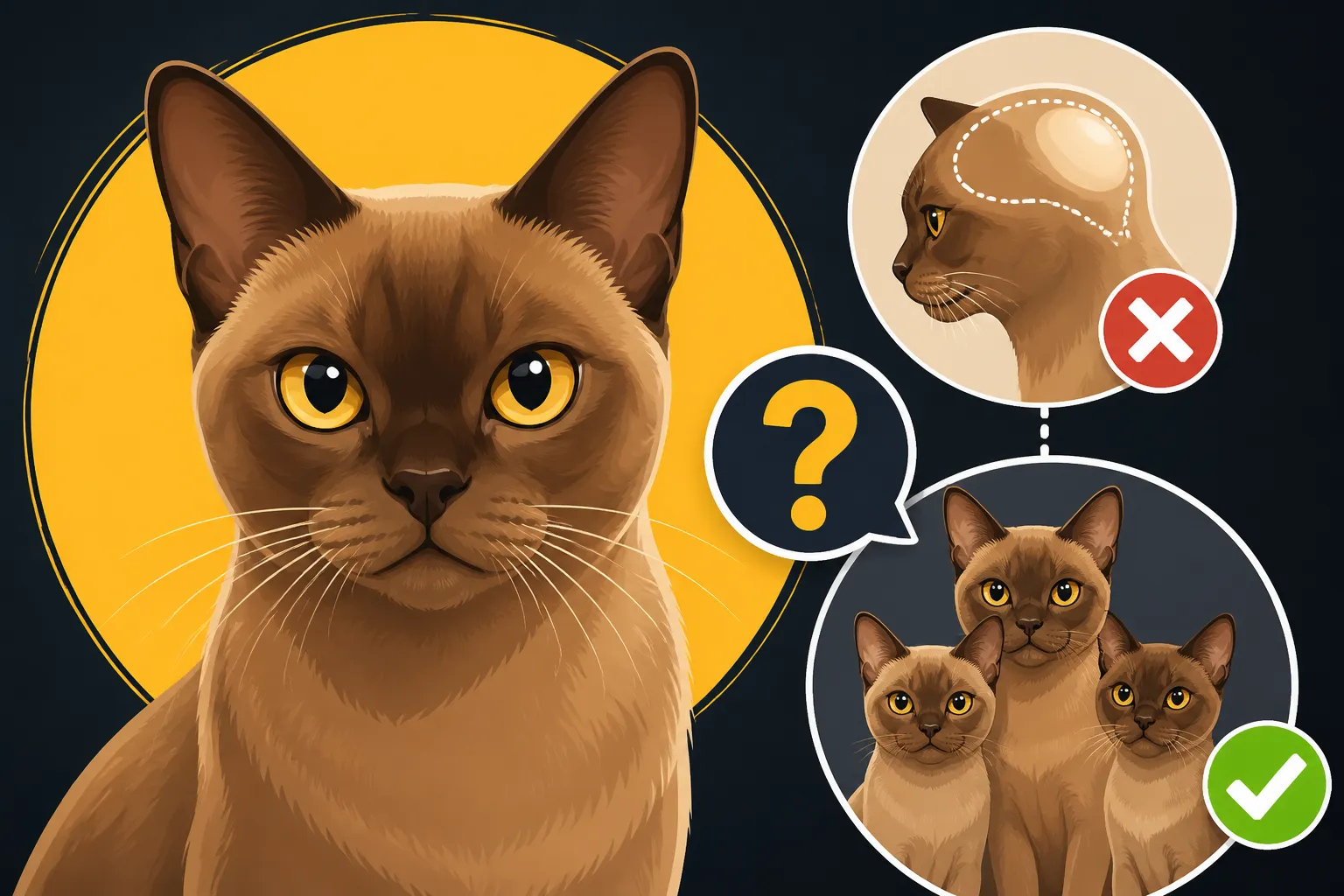
Burmese Head Defect, also known as Congenital Craniofacial Anomaly, is a truly devastating condition. Kittens born with this defect present with severe facial malformations, often including a flattened face, wide-set eyes, and an open fontanelle or skull malformation. The reality is grim: these kittens rarely survive beyond a few days or weeks after birth, if they even make it that far. It’s a tragic situation for any breeder to encounter, and even more so for the tiny lives affected.
This particular defect is caused by a recessive gene. What does that mean for you and your beloved Burmese? It means that a kitten must inherit two copies of the mutated gene – one from each parent – to actually develop the condition. If a cat inherits only one copy of the mutated gene and one normal gene, it won't show any signs of the Head Defect itself. These cats are what we call "carriers." They are perfectly healthy, live normal lives, and outwardly show no indication that they carry this gene. This is why understanding the genetic underpinnings is crucial; a carrier looks just like any other beautiful Burmese cat.
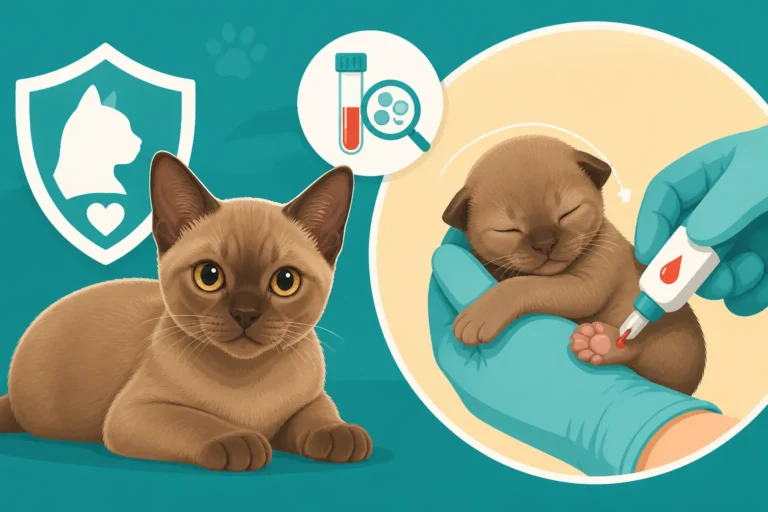
Genetic testing has been a huge leap forward in managing conditions like this. Back in the day, breeders relied solely on observation and pedigree analysis, which meant that a defect might pop up unexpectedly, causing immense heartache. Now, with advancements, breeders can easily determine if a cat is clear, a carrier, or affected (though affected kittens typically don't survive to be tested, of course). This testing is a critical tool for any responsible breeder, allowing them to make informed decisions and prevent the pairing of two carriers, which is the only way an affected kitten can be born. This knowledge is precisely how a Burmese breeder avoids the Head Defect from occurring in their litters.
Why Carriers Remain in the Breeding Pool
You might think, "Why not just remove all carriers from breeding? Problem solved!" It sounds logical, right? But the world of genetics and breed preservation is far more nuanced. The Burmese breed, like many purebred animals, has a relatively small gene pool to begin with. If breeders were to simply remove every cat identified as a carrier for a recessive genetic condition, they would drastically shrink that gene pool even further. This isn't just an abstract concern; it has very real, detrimental consequences for the breed's future.
Imagine a situation where 20% of the breed's population are carriers for Head Defect. If all these cats were suddenly removed from breeding, you'd lose a significant portion of genetic diversity. This reduction in genetic variety can lead to what’s known as a "genetic bottleneck." When this happens, other, perhaps less obvious, genetic weaknesses can become more prevalent. You might solve one problem, only to inadvertently create several new ones. This could manifest as increased susceptibility to common illnesses, fertility issues, reduced vitality, or even other recessive genetic conditions that were previously rare.
Furthermore, many desirable traits within the Burmese breed – their affectionate personality, their stunning satin coat, or their robust build – are often tied to certain bloodlines. If a particular carrier cat comes from a line known for exceptional health, temperament, and adherence to the breed standard, removing them could mean losing those valuable traits permanently. Breeders often face a delicate balancing act: eliminating a known risk while simultaneously preserving the overall health, vigor, and characteristic qualities that make the Burmese such a cherished companion. This is a primary reason why Burmese Head Defect carriers are still bred from today.
Responsible Breeding Strategies for Carrier Cats
So, how do responsible breeders navigate this challenge? The key lies in meticulous planning and comprehensive genetic testing. It's not about breeding carriers indiscriminately, but rather about making calculated, ethical choices to maintain breed health without sacrificing genetic diversity. The foundational principle is simple: never breed two carriers together.
First and foremost, every potential breeding cat should undergo a full genetic health panel. This includes testing for conditions like Burmese Head Defect, Hypokalemia, and GM2 Gangliosidosis, among others. Reputable laboratories offer comprehensive panels that screen for these known breed-specific issues. When a breeder gets a result indicating a cat is a carrier for Head Defect, they then carefully select a mate that has tested "clear" for the same condition. This means the chosen mate does not carry the gene at all.
Consider this table outlining the possible outcomes when breeding for a recessive gene like Head Defect:
| Parent 1 Status | Parent 2 Status | Possible Kitten Outcomes (Probability) | Risk of Affected Kittens |
|---|---|---|---|
| Clear | Clear | 100% Clear | 0% |
| Clear | Carrier | 50% Clear, 50% Carrier | 0% |
| Carrier | Carrier | 25% Clear, 50% Carrier, 25% Affected | 25% (High Risk) |
| Carrier | Affected | 50% Carrier, 50% Affected | 50% (Very High Risk) |
| Affected | Affected | 100% Affected | 100% (Certain) |
As you can see, when a carrier is bred with a clear cat, no affected kittens will be produced. All kittens will either be clear or carriers themselves. This strategy allows a breeder to safely use a carrier in their program, passing on their desirable traits, while ensuring no kitten suffers from the defect. The resulting carrier kittens can then also be bred responsibly in the future, again, only to clear mates. This methodical approach ensures that the problematic gene is diluted and, over generations, potentially reduced in frequency within the overall population without causing a genetic bottleneck.
Transparency is also paramount. A reputable breeder will always be upfront about the genetic status of their breeding cats and the potential for a kitten to be a carrier. They will provide all relevant health certificates, including DNA test results, and explain what these mean for your kitten's future. This commitment to open communication is a hallmark of ethical breeding practices and ensures that you, as a future owner, are fully informed. It is also good practice for a breeder to share which diseases the Burmese actually carries and How a Burmese Breeder Avoids the Head Defect.
Ethical Considerations and the Future of the Burmese Breed
The decision to breed a carrier cat is never taken lightly by responsible breeders. It involves a deep ethical commitment to the welfare of individual animals and the long-term health of the entire breed. Breeders who continue to use carriers, but only in carefully planned pairings with clear mates, are often doing so to maintain genetic diversity and prevent an even greater future health crisis for the Burmese. Their goal is to manage the genetic landscape, not just eliminate a single issue at the expense of others. This is a crucial part of what a Burmese breeder must test before any mating.
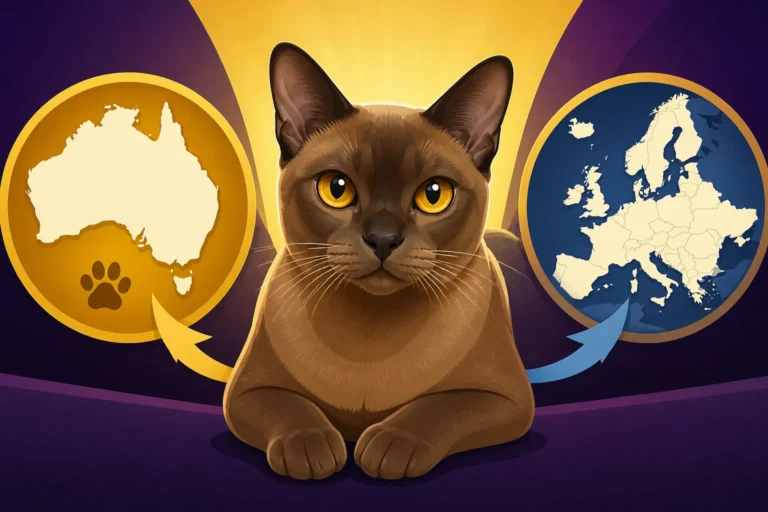
The landscape of feline genetics is always evolving. New tests are developed, and our understanding of complex genetic interactions deepens. For instance, recent genome studies found in Australian Burmese populations have shed more light on various health predispositions within the breed. Reputable breeders stay informed about these advancements and continuously adapt their breeding programs to incorporate the latest scientific knowledge. This proactive approach helps them make the most informed decisions possible, ensuring the well-being of their cats and the future generations.
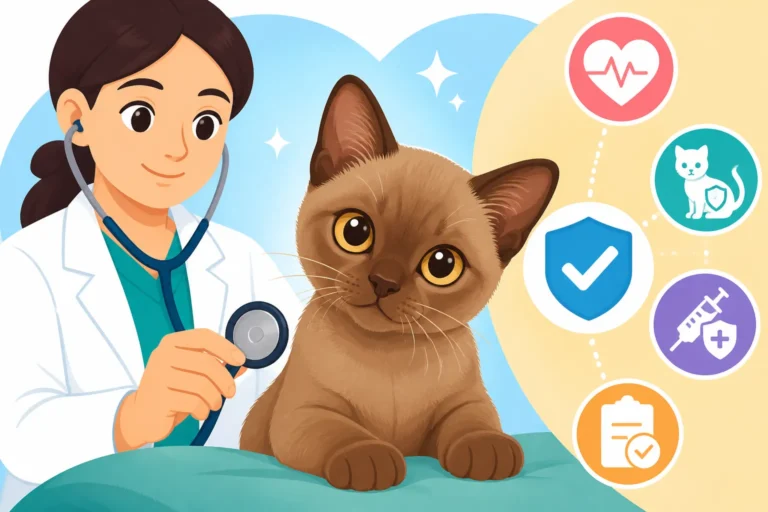
As cat owners, we can support these efforts by choosing kittens from breeders who are transparent about genetic testing and health clearances. Ask to see the DNA panel results for both parents. Understand that a carrier status doesn't mean a cat is unhealthy or poorly bred; it signifies that the breeder is actively managing genetic risks. This diligence on the breeder's part directly contributes to the robust health of the breed, helping ensure that your Burmese enjoys a long and vibrant life. It also means you might be less likely to face unexpected, costly health issues down the road, and should anything arise, you'd be well-prepared with information for your vet and potentially your pet insurance, like Healthy Paws, which values proactive health management.
Ultimately, the breeding of Burmese Head Defect carriers, when done responsibly, is a testament to the dedication of breeders striving for a healthier future for the breed. It demonstrates an understanding that genetic health is a complex tapestry, and sometimes, careful management is far more beneficial than drastic measures. This dedication helps maintain the characteristics we adore about the Burmese, while steadily working towards minimizing the impact of genetic conditions. Your vet can provide further insights into genetic health concerns and how they relate to the overall wellbeing of your pet, helping you to understand which tests belong on a Burmese DNA panel for comprehensive care.
Disclaimer
Please remember that this article is intended for informational purposes only and does not constitute veterinary advice. Always consult with a qualified veterinarian for any health concerns or before making any decisions related to your pet's health or breeding program.