At What Age a Burmese Usually Turns Diabetic
It’s a heartbreaking moment when you realize something isn't quite right with your beloved Burmese. Perhaps you've noticed them drinking more, or they're suddenly losing weight despite a ravenous appetite. These subtle changes can be incredibly worrying, and for Burmese owners, they often point towards a condition many dread: diabetes. This guide will walk you through the typical age at which a Burmese cat usually turns diabetic, explore the contributing factors, and help you understand what to look for and how to prepare.
The Genetic Predisposition of the Burmese to Diabetes
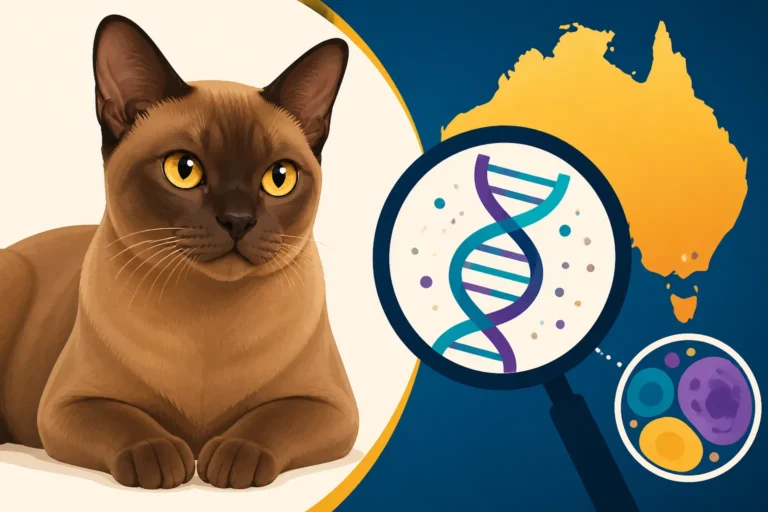
Let's get straight to it: Burmese cats, particularly those from Australian and European lines, have a significantly higher risk of developing diabetes compared to other breeds. It’s not just a slight increase; they are genetically predisposed, and this predisposition plays a huge role in the age of onset. You might wonder why your beautiful, active Burmese, who seems perfectly healthy, could be at risk. It’s a valid question, and it speaks to the hidden genetic blueprint.
This isn't just anecdotal evidence from worried owners or breeders; scientific studies have consistently shown this increased risk. Researchers have even identified specific genetic markers that are more prevalent in diabetic Burmese cats. This means that while diet and lifestyle are crucial, the dice are somewhat loaded from birth for many of these wonderful felines. It's a frustrating reality, making vigilance even more important. It can feel unfair, knowing your cat might face this challenge, but understanding the root cause helps immensely in prevention and early detection.
Why a Burmese Is Uniquely Vulnerable
The truth is, while all cats can get diabetes, the Burmese genetic makeup seems to make them particularly susceptible to a form similar to Type 2 diabetes in humans. This means their bodies either don't produce enough insulin, or they become resistant to the insulin their pancreas does produce. This resistance often worsens with factors like obesity and lack of exercise, but the underlying genetic sensitivity is always there, lurking.
It’s often disheartening for owners to learn that even with the best care, the risk remains. However, this knowledge empowers us. It means we need to be hyper-aware of our Burmese's weight, diet, and any changes in their habits from a young age, more so than we might with other breeds. The gene pool for Burmese cats, particularly in certain regions, has unfortunately concentrated this vulnerability, making Why Australian and European Burmese Lines Show It Most a critical read for understanding the breed's history and challenges.
The Role of Weight and Lifestyle
While genetics load the gun, environment pulls the trigger. Obesity is a massive accelerator for diabetes in Burmese cats. Even a few extra pounds can tip a genetically predisposed Burmese into full-blown diabetes. Think about it: an overweight cat's cells become even more resistant to insulin, forcing the pancreas to work overtime. Eventually, the pancreas can't keep up, leading to high blood sugar.
This is why feeding a Burmese isn't just about giving them food; it’s a medical decision. Free-feeding, where food is left out all day, is a huge no-no for this breed. Portion control and a carefully chosen diet are paramount. We'll delve deeper into specific dietary needs later, but for now, remember that every extra ounce on your Burmese increases their diabetes risk. Maintaining a lean body condition is the single most effective proactive step you can take, and it’s a constant battle against their hearty appetites and endearing begging.
The Typical Age of Diabetes Onset in Burmese Cats
So, when does this condition typically strike? While diabetes can theoretically appear at any age, studies on Burmese cats reveal a common age range for diagnosis. Most Burmese cats who develop diabetes do so in their middle to senior years, generally between 7 and 12 years of age. However, it’s not unheard of for it to appear earlier, especially if significant lifestyle factors, such as obesity, are present.
It's crucial to understand that this is a typical range, not a strict rule. Some Burmese might be diagnosed as young as 5 or 6, particularly if they are overweight and have a strong genetic predisposition. Conversely, a lean, active Burmese with responsible breeding might live a long, healthy life without ever developing the condition, even into their late teens. The average provides a guideline, but individual circumstances always matter.
Early Onset Versus Late Onset
When we talk about the average age, it's important to consider what constitutes "early" or "late" onset. An early onset, perhaps before the age of seven, might indicate a stronger genetic component at play, or that environmental factors like diet and weight have been particularly challenging for that individual cat. These cases can be especially distressing because you might feel like you've done everything right.
Late onset, past the typical 12-year mark, is less common but can still occur. In older cats, other health issues can sometimes mask or complicate a diabetes diagnosis. For these senior felines, monitoring for diabetes becomes part of the broader picture of Caring for a Burmese Past Twelve. The good news is that if your Burmese reaches old age without signs of diabetes, you've likely done a fantastic job managing their risk factors. The key takeaway is that vigilance shouldn't wane just because they've passed a certain age.
The Impact of Neutering
Interestingly, neutered male Burmese cats have been identified as being at an even higher risk than females or intact males. While neutering is highly recommended for health and population control, it's a factor to be aware of when assessing risk. The reasons aren't fully understood, but hormonal changes after neutering are thought to play a role in metabolism and weight regulation.
This doesn't mean you should avoid neutering your male Burmese; the benefits far outweigh this elevated risk. Instead, it means being extra diligent with their diet and exercise post-neutering. Why a Neutered Male Burmese Is Highest Risk delves into this specific risk factor and offers more insight. It's just another piece of the puzzle that makes caring for a Burmese a truly dedicated effort, but one that is so rewarding.
Recognizing the Early Signs of Diabetes in Your Burmese
One of the biggest challenges for Burmese owners is recognizing the subtle early signs of diabetes. These cats are famously affectionate and often hide illness behind their charming, demanding personalities. They'll still seek you out, still purr, still want cuddles, even as their body is struggling. This makes careful observation of their habits and routine absolutely critical.
Ignoring these early warning signs can lead to more severe health complications down the line, including diabetic ketoacidosis, which is a life-threatening emergency. The quicker you can spot these changes and seek veterinary attention, the better the prognosis and the smoother the journey toward managing the condition. Don't second-guess yourself if something feels off; trust your instincts.
Increased Thirst and Urination
This is often one of the first and most noticeable signs, though it can be subtle at first. You might notice your Burmese emptying their water bowl faster, seeking out new water sources (like a dripping faucet), or spending more time at the water fountain. Hand-in-hand with increased thirst comes increased urination. You'll likely see more urine clumps in the litter box, and they might be larger than usual. Some cats might even start having accidents outside the box.
It might seem like a small change, but Why a Burmese Drinking More Needs Testing That Week cannot be overstated. High blood sugar causes excess sugar to spill into the urine, drawing more water with it, leading to increased thirst (polydipsia) and increased urination (polyuria). It’s a classic symptom of diabetes and one that should never be ignored. Track their water intake and litter box habits to give your vet concrete information.
Weight Loss Despite Good Appetite
Another puzzling symptom for many owners is weight loss, despite their cat eating more than usual. Your Burmese might seem ravenously hungry, constantly begging for food, yet still dropping pounds. This happens because their cells aren't able to properly use glucose for energy due to insulin deficiency or resistance. The body then starts breaking down fat and muscle for energy, leading to weight loss.
It's a cruel irony for a breed already prone to being "a brick wrapped in silk" – they look and feel substantial, so weight loss might not be immediately obvious unless you're regularly weighing them or feeling their body condition. This symptom, combined with increased thirst, is a strong indicator of diabetes. What Diabetes Looks Like in a Burmese provides a comprehensive overview of these and other symptoms to watch for.
Other Subtle Behavioral Changes
Beyond thirst, urination, and weight, there can be other, more subtle changes. Your Burmese might seem a bit lethargic or sleep more than usual. Their coat might lose some of its characteristic satin sheen and become dull or greasy. Some cats might develop a sweet or fruity smell to their breath, especially in advanced stages.
Remember, Burmese are incredibly social, so any noticeable dip in their usual clingy, playful demeanor should raise a red flag. Why a Burmese Hides Illness Behind Its Affection highlights this breed's unique tendency to mask discomfort, making your keen observation skills your best tool. Don't wait for multiple symptoms to appear; if you notice even one significant change, contact your veterinarian.
Managing Diabetes in Your Burmese
Receiving a diabetes diagnosis can feel overwhelming, but it is not a death sentence. With diligent care and commitment, many diabetic Burmese cats can live long, happy lives. The cornerstone of management typically involves dietary changes, insulin therapy, and regular monitoring. It's a journey, but one you'll embark on with your vet as your guide.
One crucial aspect of this journey is understanding the financial implications. Managing a chronic condition like diabetes involves ongoing costs for insulin, needles, veterinary visits, and specialized food. This is where forward-thinking pet insurance plans can provide immense relief. Many owners find themselves scrambling to cover vet bills, which is why considering pet insurance like Healthy Paws when your Burmese is young can be a lifesaver. While pre-existing conditions are typically excluded, having coverage in place before a diagnosis can make a significant difference in your ability to afford the best possible care for your furry family member.
Dietary Adjustments for Diabetic Burmese
Diet is arguably the most critical component in managing Burmese diabetes. The goal is a low-carbohydrate, high-protein diet. Why? Because carbohydrates break down into glucose, which is exactly what a diabetic cat's body struggles to process. By reducing carbs, you lessen the demand on their insulin system and help stabilize blood sugar levels.
This usually means a transition to an all-wet food diet, as dry kibble is often high in carbohydrates, even those marketed as "healthy." Why Low Carbohydrate Food Matters for a Burmese explains the science behind this dietary shift. Your vet will recommend specific brands or prescription diets. This isn't just a suggestion; it’s a non-negotiable part of treatment. Furthermore, strict portion control is essential. Why Portion Control Is Medical Care in a Burmese applies even more acutely once a diabetes diagnosis is made.
| Factor | Pre-Diabetic Burmese | Diabetic Burmese |
|---|---|---|
| Typical Age Range | 0-6 years (though risk builds through middle age) | 7-12 years (most common onset) |
| Key Risk Factors | Genetics, obesity, neutered male status | Existing diagnosis, uncontrolled diet, insulin resistance |
| Primary Goal | Prevention: Maintain ideal weight, low-carb diet, regular vet checks | Management: Stabilize blood glucose, achieve remission if possible |
| Diet Focus | Low-carb, high-protein, weighed portions | Strict low-carb, high-protein, prescription diet, consistent meal times |
| Monitoring | Annual vet checks, monthly weight checks | Daily insulin, regular glucose curves, symptom tracking, frequent vet checks |
| Prognosis | Excellent with proactive care | Good with consistent management; remission is possible for many |
Insulin Therapy and Monitoring
For many diabetic Burmese, insulin injections become a daily reality. This might sound daunting at first, but with practice and guidance from your vet, it becomes part of the routine. Insulin helps their body utilize glucose properly, lowering blood sugar. Your vet will teach you how to administer the injections and determine the correct dosage.
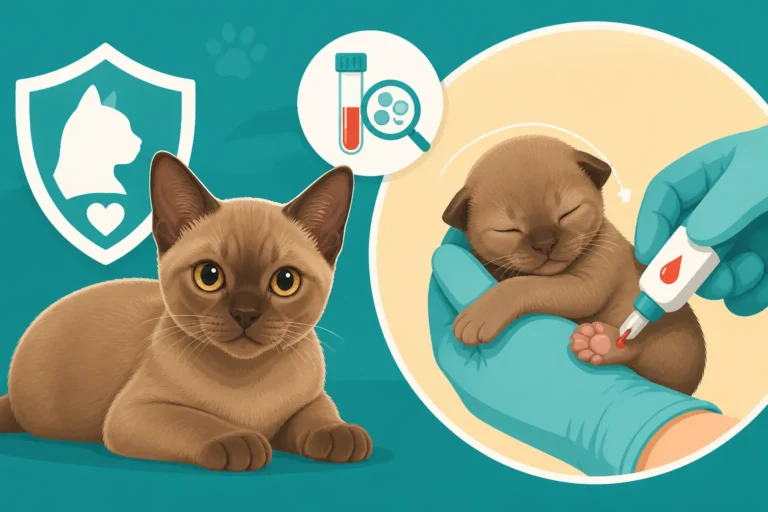
Regular monitoring of blood glucose levels is crucial to ensure the insulin dose is effective and to prevent dangerously low blood sugar (hypoglycemia). This often involves at-home glucose monitoring or regular vet visits for blood curves. Many owners learn how to test their cat's blood glucose at home, which provides a much clearer picture of how their cat's body responds throughout the day. This level of commitment can feel demanding, but seeing your cat thrive makes it all worthwhile. Remember, financial support from pet insurance like Healthy Paws can help cover the costs of these ongoing treatments and diagnostic tests.
The Hope of Diabetic Remission
Here’s some really good news: many diabetic cats, especially those diagnosed early and with aggressive management (primarily dietary changes), can go into diabetic remission. This means their pancreas starts producing enough insulin again, and they no longer require daily injections. It’s not a cure, and lifelong vigilance with diet remains, but it’s a wonderful outcome.
How a Burmese Goes Into Diabetic Remission details the steps involved, but the core strategy involves strict low-carbohydrate feeding and achieving ideal body weight. It requires dedication and consistency, but the possibility of seeing your Burmese regain their health and independence from daily insulin is a powerful motivator. Even if full remission isn't achieved, successful management can lead to a significant improvement in their quality of life.
Living a Full Life with a Diabetic Burmese
Even with a diabetes diagnosis, your Burmese can still enjoy a long, fulfilling life. It simply means adapting their routine and staying closely connected with your veterinary team. They will continue to be the affectionate, intelligent, and playful companions you cherish.
The challenges are real, but so are the rewards of providing loving care to a special needs cat. Many owners develop an even deeper bond with their diabetic Burmese through the shared routine of injections, meals, and monitoring. This journey is a testament to the resilience of our feline friends and the unwavering love we have for them.
Building a Strong Veterinary Relationship
Your veterinarian will be your most important partner in managing your Burmese’s diabetes. They will guide you through diagnosis, treatment protocols, dietary recommendations, and ongoing monitoring. Don’s hesitate to ask questions, voice your concerns, and seek clarification on anything you don’t understand. A good vet-client relationship is built on trust and open communication.
Regular check-ups are non-negotiable. These appointments allow your vet to assess your cat's overall health, adjust insulin dosages if needed, and address any new concerns. Keep detailed records of your cat's eating habits, water intake, litter box output, and at-home glucose readings to share with your vet. This collaborative approach ensures the best possible outcomes for your Burmese. While you hope to avoid serious issues, having a reliable pet insurance provider like Healthy Paws can give you peace of mind that unexpected vet visits and procedures will be financially manageable.
Exercise and Enrichment
Maintaining a healthy weight and muscle mass is always important, but even more so for a diabetic Burmese. Regular play sessions and enrichment can help burn calories, improve insulin sensitivity, and keep their spirits high. Burmese cats are naturally playful and enjoy interactive toys, feather wands, and even learning tricks.
Don't let the diagnosis turn your cat into a sedentary patient. Encourage gentle exercise appropriate for their age and energy levels. This mental and physical stimulation is vital for their overall well-being. Even an older Burmese can be encouraged to play, though perhaps with less intensity than their younger selves. What an Old Burmese Still Wants to Play has some great ideas for keeping senior cats active.
Emotional Support and Self-Care for Owners
Caring for a diabetic cat can be emotionally taxing. It's okay to feel stressed, overwhelmed, or even frustrated at times. It’s a significant commitment, and you're doing a wonderful job. Remember to practice self-care and lean on your support network. Connect with other owners of diabetic cats; online forums and local groups can provide invaluable advice and emotional solidarity.
Don't be afraid to ask for help from family or friends if you need a break or assistance with daily care. Your well-being is just as important as your cat's. A happy, rested owner is better equipped to provide consistent and loving care. The journey of managing diabetes with your Burmese might be challenging, but the deep bond you share will only grow stronger through it.
Disclaimer
This article is for general informational purposes only and does not constitute professional advice. Laws, prices and regulations vary by location and change over time. Consult a qualified professional for guidance on your specific situation.