What Genome Studies Found in Australian Burmese
It can be incredibly disheartening when you choose a specific cat breed, drawn in by their stunning looks and wonderful temperament, only to discover there might be a shadow of breed-specific health concerns. For Burmese cat owners, particularly those in Australia or those whose lines trace back there, the whisper of genetic predispositions, especially concerning diabetes, has been a significant source of worry. This guide delves into the crucial insights gleaned from genome studies focused on Australian Burmese, shedding light on the genetic realities researchers have uncovered and what it means for the health and longevity of these beloved companions.
The Unique Genetic Landscape of Australian Burmese
The story of the Burmese cat is a fascinating one, deeply rooted in a small genetic foundation that eventually branched into distinct American and European types. However, within these broad categories, regional populations, such as those in Australia, developed their own unique genetic signatures. This distinct path has made them a focal point for genetic research, offering invaluable insights into breed-specific health.
Why Australian Burmese Became a Focus for Genetic Research
The Burmese cat arrived in Australia in the 1950s, primarily from British lines, meaning their foundational gene pool was already somewhat constrained. Over the decades, localized breeding practices and a relatively smaller overall population compared to the vast genetic diversity seen globally meant that certain traits, both desirable and undesirable, could become more concentrated. Breeders and veterinarians in Australia began to notice patterns in health conditions that seemed more prevalent in their local Burmese population. This isn't to say Australian breeders were doing anything wrong; rather, it’s a natural outcome when a population develops from a limited number of founders. These anecdotal observations, coupled with the commitment of local cat fancy organizations and academic institutions, eventually catalyzed a dedicated scientific inquiry into the genetic makeup of Australian Burmese, seeking concrete answers to these perceived health trends.
Unpacking the "Warm-Blooded" Coloration and its Genetic Roots
One of the defining characteristics of the Burmese cat is its unique coat coloration – a rich, sable brown that's darker at the points (ears, face, tail, paws) but less distinctly pointed than a Siamese. This isn't just about aesthetics; it's a direct result of the cb allele, a specific gene responsible for the "Burmese restriction" color pattern. This gene produces a temperature-sensitive enzyme that allows for darker pigment production in cooler areas of the body. While it makes for a beautiful cat, the genetic history of this cb allele and its presence within the Australian Burmese lines is important. The selection for specific shades and color consistency within the breed in Australia meant that the genetic markers linked to this coloration were carefully preserved, and in some cases, potentially other genetic sequences located nearby on the chromosome might have also been inadvertently selected for or against. Understanding this fundamental genetic trait became a starting point for researchers looking for other genetic links within the Australian population.
Early Suspicions and Anecdotal Evidence
Before the advent of widespread genome sequencing, the front-line observations of dedicated Burmese breeders and experienced veterinarians were the primary source of information regarding breed health. For years, there were whispers and concerns within the Australian Burmese community about certain health issues appearing with unusual frequency. Owners would share stories in online forums or at cat shows about their beloved Burmese developing diabetes or experiencing episodes of muscle weakness, prompting discussions and comparisons that often pointed back to a potential breed-wide predisposition. These anecdotal reports weren't scientifically conclusive, but they were powerful indicators. They created a collective urgency, providing the impetus for geneticists and veterinary researchers to delve deeper. Breeders, always striving for the healthiest lines, were keen to cooperate, providing samples and pedigrees, understanding that real science could unlock the secrets to a healthier future for the breed they adored.
Diabetes Mellitus: The Elephant in the Room
Of all the health concerns that have plagued the Burmese breed, diabetes mellitus stands out, particularly in the Australian lines. The sheer prevalence of this condition has made it a central focus of genetic studies, revealing profound insights that are critical for owners and breeders alike.
The Alarming Prevalence of Diabetes in Australian Burmese
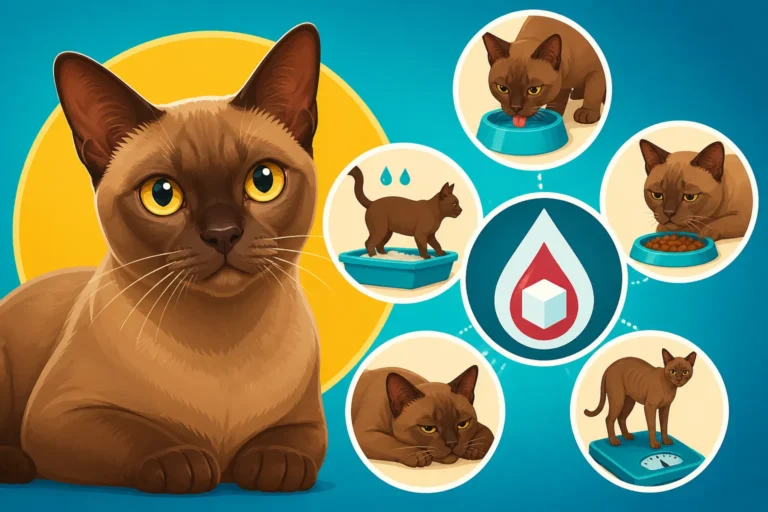
It’s truly sobering to realize that some studies have indicated Burmese cats, especially those with Australian lineage, can be up to How Much Higher the Burmese Diabetes Rate Really Is. This isn't just a statistical anomaly; it translates to a heartbreaking reality for many owners who face the daunting prospect of managing a chronic illness in their cherished pet. Imagine the shock and despair when your seemingly healthy, energetic Burmese starts exhibiting signs like increased thirst and urination, and a trip to the vet confirms a diabetes diagnosis. The condition demands daily insulin injections, careful dietary management, and regular monitoring, which can be both emotionally taxing and financially draining. Even with comprehensive pet insurance from reputable providers like Healthy Paws, the ongoing costs of insulin, needles, prescription food, and frequent veterinary check-ups can quickly add up, turning what should be a joy into a source of constant worry. The prevalence in Australia was so striking that it became a global beacon, signaling a need for urgent genomic investigation.
Identifying the Genetic Markers for Diabetes Risk
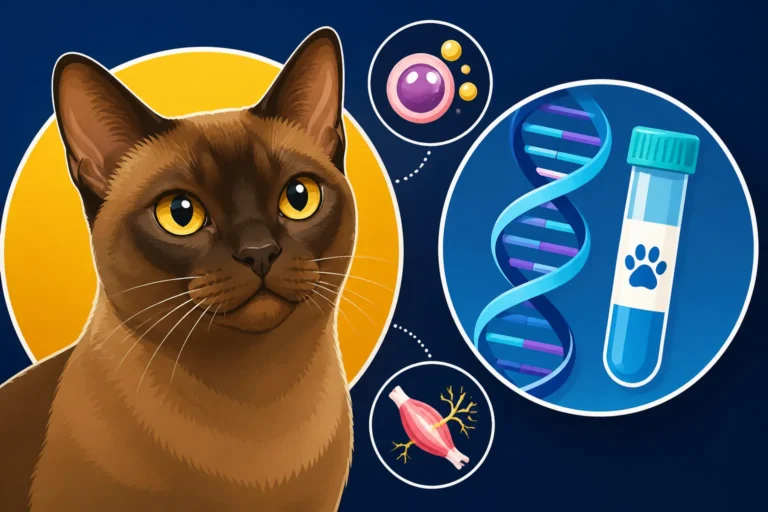
The genome studies in Australian Burmese cats were instrumental in peeling back the layers of this high diabetes risk. Researchers meticulously analyzed the DNA of affected cats and compared it to healthy controls, searching for specific genetic variations that correlated with the disease. A key player that emerged from this research is the WNK4 gene. While WNK4 is primarily known for its role in electrolyte balance and its link to hypokalemia in Burmese, geneticists discovered that certain variations or polymorphisms within or near this gene complex appeared to confer a heightened susceptibility to diabetes. This doesn't mean WNK4 causes diabetes directly in all cases, but rather that it can influence glucose regulation pathways, making some cats more prone to developing the condition when other factors, like obesity or diet, come into play. It highlights that the genetic predisposition to diabetes in Burmese is often a complex, polygenic trait, meaning multiple genes, possibly interacting with environmental influences, contribute to the overall risk.
Implications for Breeding and Owner Vigilance
The findings from these genome studies have profound implications. For breeders, understanding the genetic markers associated with diabetes risk means they can potentially make more informed decisions about breeding pairs. While there isn't a single, straightforward "diabetes gene" test as there is for hypokalemia, knowing the breed's genetic tendencies allows for a more cautious approach to line breeding and emphasizes the importance of selecting for overall health and robust pedigrees. For owners, this knowledge is power. It means recognizing that Why a Burmese Is Four Times More Likely to Become Diabetic and taking proactive steps. This includes being extra vigilant for early signs like increased drinking and urination – Why a Burmese Drinking More Needs Testing That Week is not just a saying, it's a critical health directive. Furthermore, understanding the genetic predisposition underscores the vital importance of strict Why Portion Control Is Medical Care in a Burmese. Maintaining an ideal weight and feeding a low-carbohydrate, high-protein diet are not just good practices; for a Burmese, they are often crucial medical interventions that can delay or even prevent the onset of diabetes, even in genetically predisposed individuals.
Beyond Diabetes: Other Health Concerns Revealed
While diabetes often takes center stage in discussions about Burmese health, particularly Australian lines, genome studies haven't stopped there. Researchers have also explored other conditions, piecing together a more complete picture of the breed's genetic vulnerabilities and strengths.
Hypokalemia and its Genetic Connection
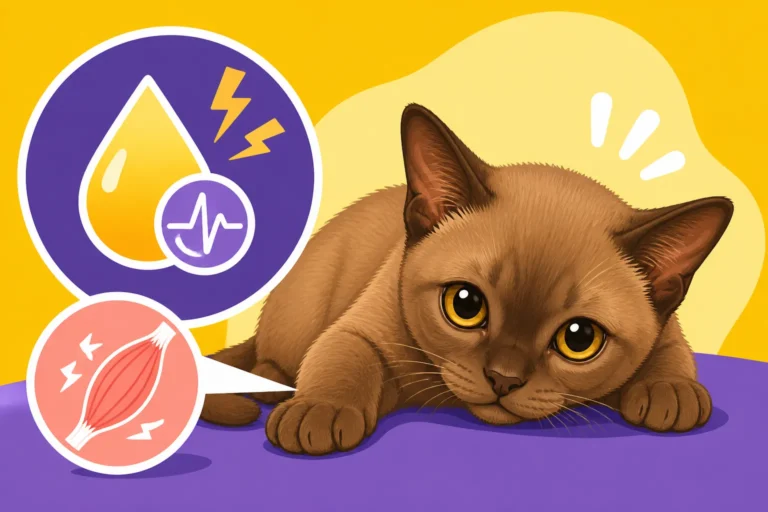
Another significant health issue identified in the Burmese, and thoroughly investigated through genomic studies, is Hypokalemia, sometimes referred to as "Burmese Hypokalemic Polymyopathy." This condition is characterized by episodes of severe muscle weakness, often manifesting as a classic "meerkat neck" where the cat cannot hold its head up, and general stiffness or difficulty walking. The good news here is that genome studies, building on the groundwork established in various Burmese populations, including those closely related to Australian lines, definitively identified a specific mutation in the WNK4 gene as the cause. This was a monumental breakthrough because it led directly to the development of a DNA test. Now, breeders can easily screen their cats to determine if they are clear, carriers, or affected by the mutation. This allows for responsible breeding practices, ensuring that two carriers are never bred together, thus preventing the birth of affected kittens. This genetic test offers immense peace of mind and has dramatically reduced the incidence of this distressing condition, proving the tangible benefits of genomic research. It's truly a testament to how far we've come in understanding What the WNK4 Mutation Does in a Burmese.
Exploring Other Potential Genetic Predispositions
The power of genome studies lies in their ability to scan an entire genetic code, not just look for one specific disease. Beyond diabetes and hypokalemia, researchers in Australia and globally continue to investigate other potential genetic predispositions in Burmese cats. This involves looking for markers that might influence conditions like certain types of kidney disease, or even subtle anatomical traits that could have health implications. For instance, some lines, perhaps due to specific selective breeding for certain head shapes, might inadvertently carry a higher risk for dental issues or respiratory challenges. While not as definitively linked to specific genes as diabetes or hypokalemia yet, ongoing research utilizes the vast data from genome sequencing to explore these complex relationships. It's a continuous process of discovery, with scientists sifting through millions of genetic markers to find correlations that can ultimately lead to a healthier future for the breed. The goal is to move beyond reacting to diseases and instead predict and prevent them wherever possible, ensuring a long and healthy life for a Burmese, potentially even reaching The Sixteen to Eighteen Years a Well Bred Burmese Gets.
The Future of Genomic Research for the Breed
The insights from genome studies on Australian Burmese cats represent just the beginning. The future holds immense promise for even more comprehensive genetic screening panels. Imagine a day when a simple DNA test, perhaps even before a kitten leaves its breeder, can provide a detailed genetic health profile, identifying risks for not just diabetes and hypokalemia, but a wider array of Which Diseases the Burmese Actually Carries. This isn't just a dream; it's the trajectory of modern veterinary science. Ongoing collaboration between university researchers, veterinary geneticists, and breed clubs is crucial. For example, local Australian universities often work closely with breed associations like the Australian Burmese Cat Club to collect samples, analyze data, and disseminate findings. These partnerships aim to develop more precise risk assessments, refine breeding strategies, and ultimately improve the genetic health of the Burmese worldwide. Owners will be better equipped to provide tailored preventative care, working with their vets and potentially leveraging pet insurance from providers like Healthy Paws, to manage any predispositions identified, ensuring their beloved feline companions live the fullest, healthiest lives possible.
Here's a quick overview of some key genetic health insights in Burmese cats, particularly highlighted by studies in populations including Australian lines:
| Condition | Primary Genetic Link Identified | Current Screening/Action | Impact on Owner |
|---|---|---|---|
| Diabetes Mellitus | Polygenic (multiple genes), WNK4 gene variations implicated | Vigilant monitoring, diet, weight management | High risk, lifelong management, significant costs |
| Hypokalemia | Specific mutation in the WNK4 gene | DNA test available for breeders, potassium supplementation for affected cats | Manageable with treatment, DNA testing prevents affected kittens |
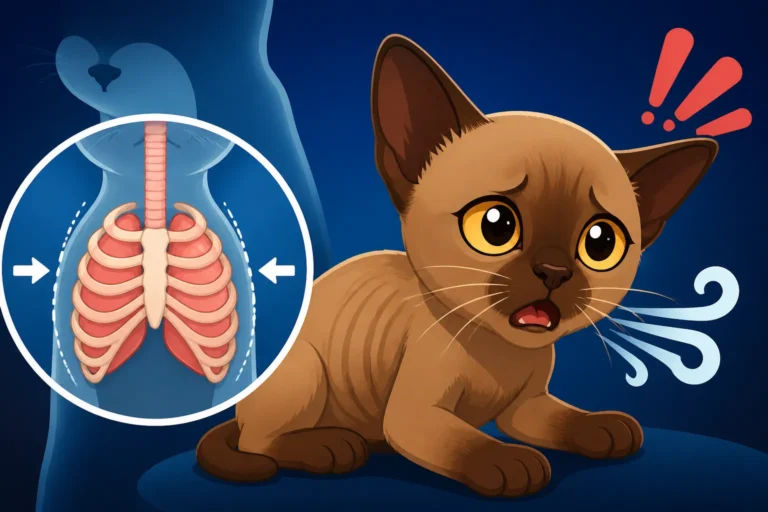
| Flat Chested Kitten Syndrome | Suspected genetic component, likely polygenic. Exact gene unknown. | Careful observation of kittens, supportive care | Can be life-threatening for kittens, requires immediate veterinary attention |
| GM2 Gangliosidosis | Specific mutation in HEXB gene | DNA test available in some lines (rare) | Neurological condition, usually fatal in early life |
Disclaimer
This article is intended for informational purposes only and does not constitute veterinary advice. Always consult with a qualified veterinarian for any health concerns or before making any decisions about your pet's care. Genetic research is constantly evolving, and while efforts are made to provide accurate and up-to-date information, individual cases may vary.