Hypokalemia Is the Burmese Disease With a DNA Test
Imagine the sheer terror: one moment your beautiful, energetic Burmese cat is purring in your lap, and the next, they're weak, wobbly, or even unable to lift their head. This heartbreaking scenario is a reality for owners of Burmese cats affected by Hypokalemia, a genetic condition that causes dangerously low potassium levels. This comprehensive guide will walk you through understanding, identifying, and managing this serious, yet treatable, inherited disease, offering peace of mind and practical steps for your beloved companion.
What Exactly is Hypokalemia in Burmese Cats?
Hypokalemia in Burmese cats isn't just a minor health hiccup; it's a significant inherited condition characterized by episodes of severe muscle weakness. It's an electrolyte imbalance where the level of potassium in the blood drops dramatically, leading to symptoms that can range from alarming to truly debilitating. As an owner, witnessing your usually vibrant cat suddenly become a shadow of itself can be incredibly frightening, leaving you desperate for answers and effective treatment.
The Sudden Weakness and Muscle Tremors
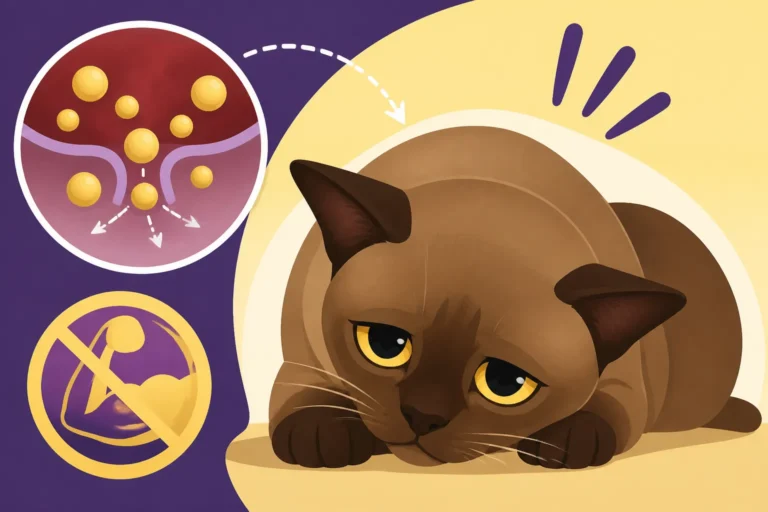
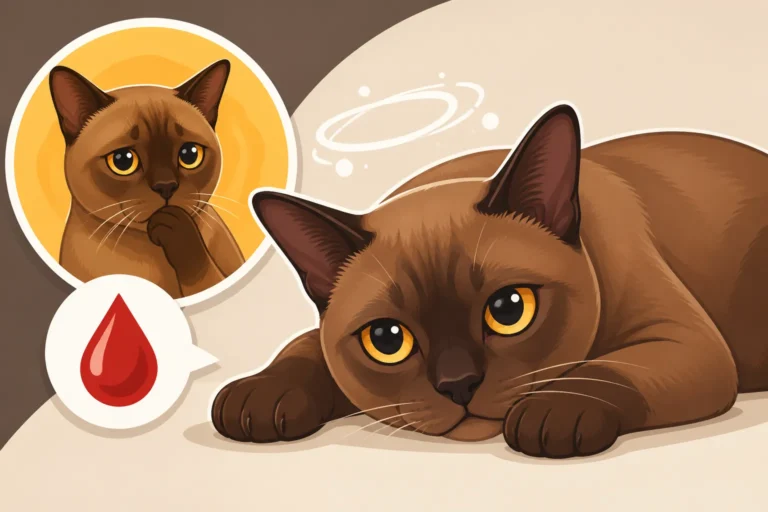
The most striking symptom of hypokalemia is the sudden onset of muscle weakness. One day your cat is leaping onto the counter, full of vim and vigor, and the next, they might struggle to climb a single step. This weakness often starts subtly, perhaps a slight wobbliness in their gait, or a reluctance to jump as high as they used to. Over a short period, sometimes just hours, it can progress to a severe state where they might not be able to stand, walk, or even hold their head up.
This isn't just fatigue; it's a profound failure of muscle function due to the lack of sufficient potassium, which is crucial for nerve impulses and muscle contractions. Affected cats might exhibit tremors, especially in their hind legs, and their muscles might feel stiff or painful to the touch. It's a truly distressing sight, and it’s natural to feel overwhelmed and terrified for your cat when you encounter such a rapid and severe change in their physical capabilities.
Why Burmese Cats Are Susceptible
While any cat can experience low potassium levels due to various health issues like kidney disease or severe vomiting, Burmese cats have a unique genetic predisposition to a specific form of hypokalemia. This isn't something they "catch"; it's something they are born with, passed down through generations. This inherited form is known as Burmese Hypokalemia or Familial Episodic Hypokalemic Polymyopathy.
Unlike other causes where low potassium might be a symptom of an underlying disease, in Burmese cats, the genetic mutation directly interferes with the body's ability to regulate and retain potassium. This means that even a perfectly healthy Burmese with no other health issues can suddenly experience an episode. This genetic link is why understanding the breed's specific vulnerabilities is so crucial for any Burmese owner, ensuring you're prepared and proactive rather than caught completely off guard.
Understanding the Genetic Root: The WNK4 Mutation
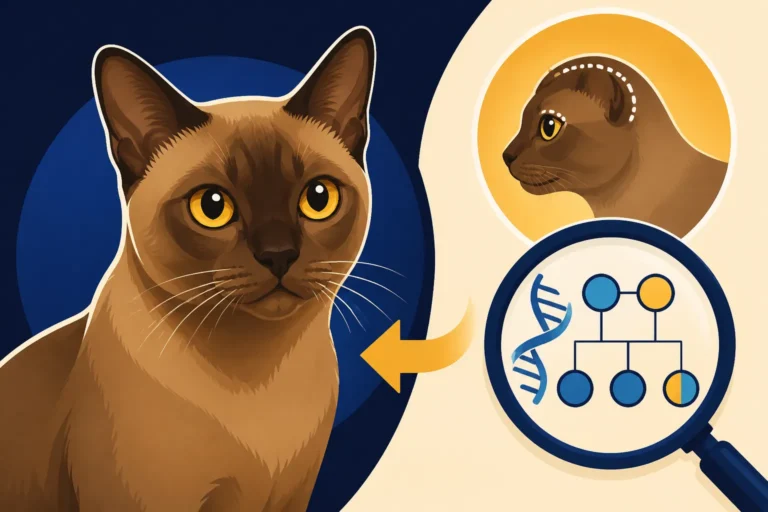
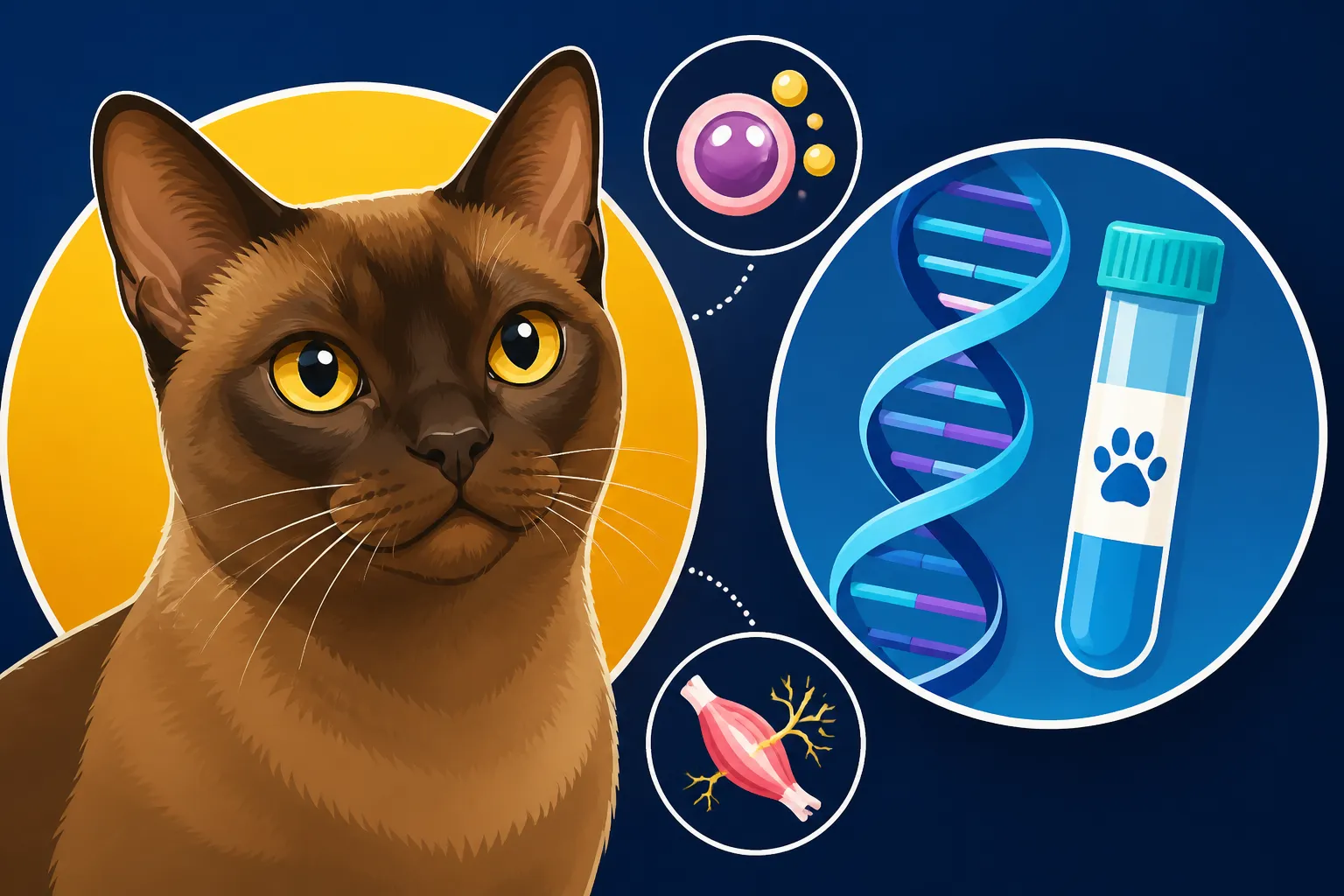
The specific vulnerability of Burmese cats to hypokalemia isn't a mystery anymore. Thanks to advancements in veterinary genetics, we've identified the exact culprit: a mutation in the WNK4 gene. This discovery has been a game-changer for breeders and owners alike, allowing for precise identification and more responsible breeding practices.
The Gene Responsible for Hypokalemia
The WNK4 gene plays a critical role in regulating electrolyte balance, particularly potassium and sodium, within the kidneys. Think of it as a master switch that controls how much potassium the body reabsorbs and how much it excretes. In Burmese cats with the specific mutation, this switch malfunctions. Instead of properly conserving potassium, their bodies tend to excrete too much, leading to chronically low or intermittently low levels, which then trigger the debilitating episodes of muscle weakness.
It’s a complex biochemical process, but the key takeaway is that the WNK4 gene mutation directly impacts the cat's ability to maintain healthy potassium levels, making them inherently prone to hypokalemia. If you want to dive deeper into the science, learning about What the WNK4 Mutation Does in a Burmese can offer even more insight into this fascinating, yet challenging, genetic quirk.
Autosomal Recessive Inheritance Explained
The way this mutation is passed down through Burmese cat families is crucial to understand, especially if you're considering breeding or simply want to grasp your cat's health history. Hypokalemia in Burmese cats is an autosomal recessive inherited trait. What does "autosomal recessive" actually mean in plain English?
It means that a cat needs two copies of the mutated gene – one from each parent – to actually develop the disease and show symptoms. If a cat only inherits one copy of the mutated gene and one normal copy, they won't typically show symptoms themselves. Instead, they become a "carrier." Carriers are healthy cats that can pass the mutated gene on to their offspring. If two carriers are bred together, there's a 25% chance with each kitten that it will inherit two copies of the mutated gene and thus be "affected" by hypokalemia, a 50% chance it will be a "carrier" like its parents, and a 25% chance it will be "clear" of the mutation entirely. This genetic lottery highlights why informed breeding is paramount.
The Importance of Genetic Testing for Breeders
Given the autosomal recessive nature of Burmese hypokalemia, genetic testing for all breeding cats is not just recommended, it's absolutely essential for responsible breeders. A simple, non-invasive cheek swab can determine if a cat is clear, a carrier, or affected. This information empowers breeders to make informed decisions that prevent the birth of affected kittens and gradually reduce the prevalence of the gene within the breed.
Imagine the heartache of a litter of kittens born with this condition, suffering from muscle weakness and needing intensive care. This is entirely avoidable if parents are tested. Reputable breeders will always perform this DNA test on their breeding animals and be transparent about the results. Breeding two carriers together, even if both parents are healthy, is a recipe for potential heartbreak, which is why experts insist that Why Two Burmese Carriers Must Never Be Bred is a fundamental principle in ethical breeding.
Recognizing the Signs: When Hypokalemia Strikes
Witnessing a hypokalemic episode can be one of the most alarming experiences for a Burmese cat owner. The symptoms can be quite dramatic, and understanding what to look for can help you act quickly and get your cat the help they need.
Classic Symptoms and Their Severity
When potassium levels drop, the most obvious signs manifest as profound muscle weakness. Your cat might appear lethargic, struggle to move, or walk with an uncoordinated, staggering gait. A hallmark sign is the "meerkat neck" posture, where the cat is unable to hold its head up normally and it hangs low or is extended forward in an awkward position, reminiscent of a meerkat standing tall but with a drooping head. If you’ve ever seen this, you’ll understand why The Meerkat Neck That Tells You a Burmese Has Hypokalemia is such a specific and memorable symptom.
The severity can vary significantly. Some cats might only show mild weakness or stiffness in their limbs, recovering relatively quickly. Others might experience complete paralysis, unable to stand, eat, or even lift their head, requiring immediate veterinary intervention. This inability to hold their head up is not just uncomfortable; it’s a critical indicator that warrants urgent care, making it clear Why a Hypokalemic Burmese Cannot Hold Its Head Up is a sign that demands your full attention. The episodes can be intermittent, meaning your cat might seem perfectly fine between bouts of weakness, which can be perplexing if you're not aware of the condition.
Early Warning Signs in Kittens
Hypokalemia often makes its first appearance in Burmese kittens, typically between two and six months of age, though it can occur earlier or later. In young kittens, early signs might be subtle and easily mistaken for other common kitten ailments or just a clumsy phase. Look for kittens who seem weaker than their littermates, are less playful, or struggle more with coordination.
They might have difficulty suckling or chewing, seem unusually tired, or exhibit a general failure to thrive. A kitten might walk with a stiff, unnatural gait, or appear reluctant to engage in typical kitten romps. While these signs can be subtle, they are crucial to catch early. Keep a close eye on your little ones, as understanding How Hypokalemia First Shows in a Burmese Kitten can make all the difference in getting them diagnosed and started on treatment promptly.
What Triggers an Episode
It’s natural to wonder what causes an episode of hypokalemia to flare up in an affected Burmese cat. While the underlying genetic predisposition is always there, certain factors can act as triggers, causing the potassium levels to dip dangerously low. Stress is a common culprit – moving to a new home, a change in routine, or even a visit to the vet can sometimes precipitate an episode.
Illness, particularly those involving gastrointestinal upset like vomiting or diarrhea, can rapidly deplete potassium. Vigorous exercise or prolonged periods of excitement can also play a role, as muscle activity uses up potassium. Even seemingly innocuous changes in diet or certain medications can occasionally be a trigger. However, it's important to note that sometimes, an episode occurs without any obvious trigger at all. This unpredictability can be frustrating for owners, but knowing What Triggers a Burmese Hypokalemic Episode can help you be more vigilant and minimize potential stressors where possible.
Diagnosis and Testing: Getting a Clear Answer
When faced with the unsettling signs of muscle weakness in your Burmese, getting a definitive diagnosis is the top priority. Thankfully, modern veterinary medicine offers reliable methods to confirm hypokalemia, both genetically and during an active episode.
The Definitive DNA Test
For prospective owners and breeders, the most effective way to address hypokalemia is through a simple, yet highly accurate, DNA test. This test can identify whether a cat is genetically clear, a carrier, or affected by the WNK4 gene mutation. It typically involves a quick and painless cheek swab, which can be done by a vet or even at home with a kit. The sample is then sent to a specialized veterinary genetics laboratory.
Several reputable labs worldwide offer this specific test for Burmese cats, such as UC Davis Veterinary Genetics Laboratory in the United States, or Langford Vets in the UK. The results provide clear genetic markers, offering invaluable information for breeders to make responsible mating decisions and for owners to understand their cat’s long-term health prospects. Understanding How the Burmese Hypokalemia Test Is Read can help you interpret the results confidently.
Veterinary Diagnosis During an Episode
If your Burmese is experiencing an active hypokalemic episode, your veterinarian will need to confirm the diagnosis rapidly to begin appropriate treatment. This primarily involves blood tests to measure the cat's potassium levels. During an episode, these levels will be significantly lower than normal. Your vet will also perform a thorough physical examination and potentially other diagnostic tests to rule out other conditions that might mimic hypokalemia, such as injuries, neurological disorders, or other causes of muscle weakness.
It’s crucial to inform your vet that you own a Burmese cat, as this breed-specific knowledge can quickly guide them towards the correct diagnosis. The classic signs combined with a confirmed low potassium level in a Burmese strongly indicate hypokalemia. If you suspect hypokalemia, getting immediate veterinary attention is vital, and knowing How a Vet Distinguishes Burmese Hypokalemia From Injury highlights the importance of expert assessment.
Understanding Carrier vs. Affected Status
Receiving the results of a genetic test can bring both clarity and, sometimes, new questions. It’s important to fully understand what "carrier" versus "affected" status means for your cat.
- Affected (Homozygous Affected): This means your cat inherited two copies of the mutated gene (one from each parent) and will develop hypokalemia, showing symptoms ranging from mild to severe. These cats require careful management, including potential lifelong potassium supplementation.
- Carrier (Heterozygous Carrier): This means your cat inherited one mutated gene and one normal gene. Carriers typically do not show any symptoms of hypokalemia themselves. They are healthy cats, but they carry the potential to pass the mutated gene to their offspring. This status is critical for breeding decisions.
- Clear (Homozygous Clear): This means your cat inherited two normal genes and does not carry the mutation. They will not develop hypokalemia due to the WNK4 mutation and cannot pass it on to their offspring.
For pet owners, knowing your cat’s status helps you understand their health risks and allows you to prepare. For breeders, this information is paramount for maintaining the health of the breed, ensuring that pairings do not produce affected kittens.
Managing Acute Episodes: Immediate Care
When a hypokalemic episode strikes, it can be incredibly stressful for both you and your cat. Knowing what to do in those critical moments can make a significant difference in the outcome.
What to Do When Your Cat Collapses
The most important thing to do if your Burmese suddenly becomes weak, wobbly, or collapses is to remain calm. Panicking will only add to your cat's stress. Gently approach your cat and assess their condition without causing further distress. Avoid forcing them to stand or move if they are struggling. Your immediate priority is to contact your veterinarian or an emergency animal hospital.
Describe your cat's symptoms clearly, mentioning that they are a Burmese and you suspect a hypokalemic episode. They will likely advise you to bring your cat in immediately. Carefully and gently transfer your cat into a secure, comfortable carrier, minimizing any unnecessary movement. If your cat is completely unable to move its head, try to keep its body as flat as possible during transport to prevent choking or further strain. This is a veterinary emergency, and rapid action is key.
Veterinary Treatment Protocols
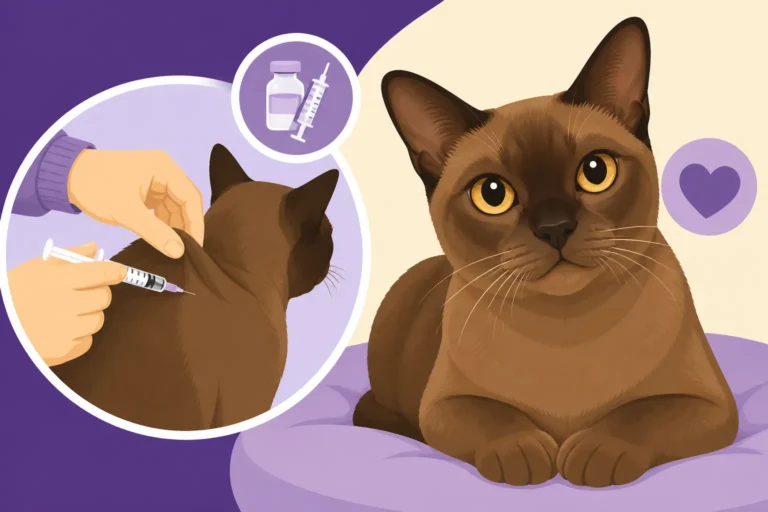
Once at the veterinary clinic, your cat will receive urgent care to stabilize their condition. The primary treatment for an acute hypokalemic episode is potassium supplementation, administered intravenously (IV). This method quickly raises the potassium levels in the bloodstream, allowing the muscles to regain function. Your vet will carefully monitor your cat's heart rate, blood pressure, and potassium levels throughout this process, as too rapid an increase in potassium can also be dangerous.
Alongside IV fluids and potassium, the vet will look for and address any potential triggers or underlying issues, such as dehydration or significant gastrointestinal upset, that might have exacerbated the potassium depletion. They might also administer pain relief if your cat’s muscles are sore. It's a precise and critical intervention, and understanding How a Vet Treats a Burmese Hypokalemic Episode highlights the expertise required in these situations.
Recovery and Post-Episode Care
With prompt and appropriate veterinary treatment, most Burmese cats recover well from acute hypokalemic episodes. Recovery time can vary, from a few hours to a day or two, depending on the severity of the episode and how quickly treatment was initiated. During recovery, your cat will need a quiet, comfortable, and warm place to rest. Minimize any excitement or stress, and ensure they have easy access to food and water.
Your vet will likely recommend ongoing potassium supplementation at home to prevent future episodes. They will guide you on the correct dosage and how to administer it. It's also a good time to review your cat's diet and general routine to identify and minimize any potential triggers. A follow-up vet visit will be necessary to check your cat’s potassium levels and adjust any ongoing medication.
Long-Term Management and Living with Hypokalemia
Living with a Burmese cat prone to hypokalemia means committing to ongoing care and vigilance, but with proper management, these beloved cats can lead full, happy lives.
Daily Potassium Supplementation
For affected Burmese cats, daily potassium supplementation is often a cornerstone of long-term management. This isn't a cure for the genetic condition itself, but it effectively prevents the dangerous drops in potassium that lead to episodes. Potassium supplements are typically prescribed by your veterinarian and come in various forms, such as powders, liquids, or tablets.
The most common approach is to mix a measured dose of potassium gluconate powder or liquid into your cat’s wet food, making it easy to administer. It’s crucial to follow your vet's dosage instructions precisely, as both too little and too much potassium can be harmful. Regular check-ups and blood tests will be needed to monitor your cat’s potassium levels and adjust the supplementation as necessary. This consistent daily routine is essential, and understanding What Potassium Supplementation Does for a Burmese really highlights its preventative power.
Dietary Considerations
While potassium supplementation is key, diet also plays a supportive role in managing hypokalemia. Your veterinarian might recommend a specific diet, focusing on foods that are naturally rich in potassium and easy on the digestive system. Generally, a high-quality, protein-rich, and low-carbohydrate wet food diet is beneficial for Burmese cats, as it aids in overall health and helps maintain a healthy weight, which can indirectly support electrolyte balance.
Avoid sudden changes in diet, as these can sometimes trigger digestive upset, which in turn could potentially exacerbate potassium loss. Ensure your cat always has access to fresh, clean water, as good hydration is vital for kidney function and overall health. While diet alone can't cure hypokalemia, a carefully chosen and consistent feeding plan can certainly contribute to your cat's stability and well-being.
Monitoring and Quality of Life
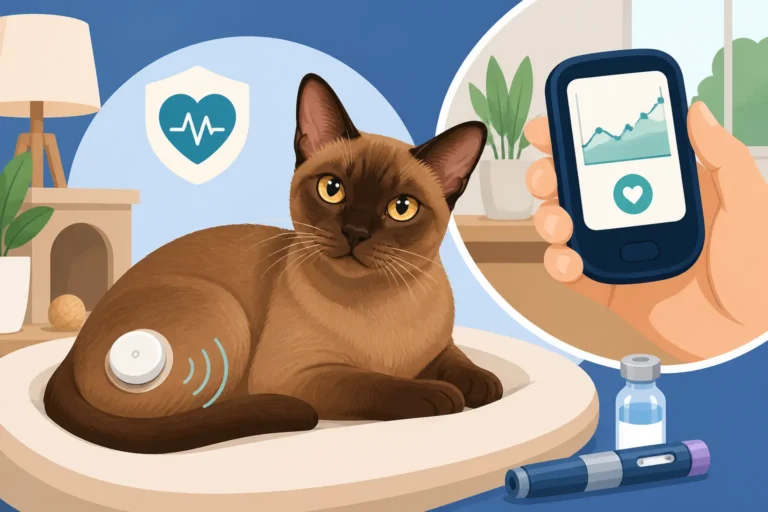
Long-term management of hypokalemia involves ongoing monitoring and a proactive approach to your cat's health. You'll become acutely aware of your cat's normal behavior, making it easier to spot subtle signs of an impending episode, such as slight lethargy, stiffness, or changes in gait. Regular veterinary check-ups, including blood work to monitor potassium levels, will be a part of your routine.
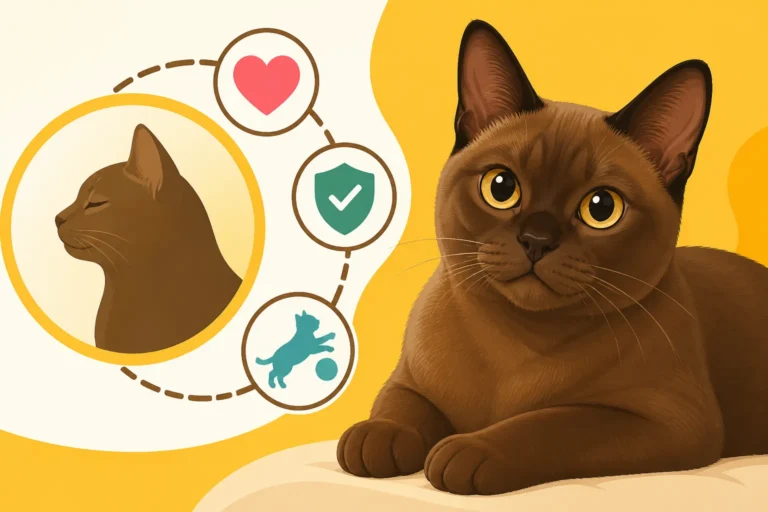
The good news is that with diligent management, most Burmese cats with hypokalemia can enjoy an excellent quality of life. They can continue to be playful, affectionate companions, living out their normal lifespan. It's truly comforting to know that despite the challenges, Whether a Hypokalemic Burmese Lives a Normal Life is often answered with a resounding yes. It’s also fascinating to consider that some kittens, particularly those with milder forms, may even grow out of having frequent, severe episodes as they mature, as detailed in Why a Burmese Kitten Grows Out of Hypokalemia.
Breeding Responsibly: Preventing Future Cases
For anyone involved in the world of Burmese cats, whether as a breeder or a prospective owner, responsible breeding practices are the first line of defense against inherited diseases like hypokalemia.
Screening All Breeding Cats
The absolute cornerstone of preventing hypokalemia is the mandatory genetic screening of all potential breeding cats. This means every male and female Burmese intended for breeding should undergo the DNA test to determine their WNK4 gene status (clear, carrier, or affected) before any mating takes place. This isn't just a recommendation; it's an ethical imperative.
Reputable breeders will be transparent about their cats' genetic test results and provide documentation. If a breeder is reluctant to share these results or claims testing isn't necessary, it should be a significant red flag. By consistently testing and selectively breeding, the incidence of hypokalemia can be dramatically reduced, protecting future generations of Burmese kittens from this debilitating condition.
Ethical Breeding Practices
Once genetic test results are known, ethical breeding practices dictate how pairings should be made. The primary goal is to avoid producing affected kittens. This means:
- Never breed two carriers together. As discussed, this pairing has a 25% chance of producing affected kittens.
- Never breed an affected cat. Affected cats should be neutered and placed in loving pet homes.
- Carriers can be bred responsibly. A carrier can be safely bred to a cat that is clear of the mutation. In this scenario, all offspring will either be clear or carriers, but none will be affected. Any kittens from such a pairing should also be tested to identify carriers, so future generations can continue to be managed responsibly.
This strategy allows breeders to gradually reduce the carrier population within the breed without excessively narrowing the gene pool, maintaining genetic diversity while striving for healthier cats.
Verifying a Kitten's Health Status
As a prospective kitten owner, you have the right and responsibility to ask about the genetic health of your potential new family member and its parents. A reputable Burmese breeder will provide you with documentation of the parents' WNK4 gene test results. Ideally, your kitten will be from a "clear x clear" or "clear x carrier" mating, ensuring it will either be clear or a healthy carrier.
Some breeders may even test the kittens themselves before placement, particularly if the parents included a carrier. If you are adopting a rescue Burmese, it is still highly advisable to have them tested. You never know their genetic background, and knowing their status can help you proactively manage their health, especially since Why a Rescue Burmese Should Still Be Tested applies regardless of their origins. This vigilance ensures you're bringing a cat into your home with a known health profile, allowing you to prepare for their needs.
Financial and Emotional Considerations
Bringing a Burmese cat into your life is a joy, but it also comes with responsibilities, especially if they are genetically predisposed to conditions like hypokalemia. It's wise to consider both the financial and emotional aspects of managing this condition.
The Cost of Management and Emergency Care
Managing a Burmese with hypokalemia can involve significant costs. Regular veterinary check-ups, ongoing blood tests to monitor potassium levels, and daily potassium supplements all add up over time. If your cat experiences an acute episode, emergency veterinary care, including intravenous fluids and intensive monitoring, can be substantial. Just thinking about What Emergency Care for a Hypokalemic Burmese Costs can be daunting, with bills potentially ranging from several hundred to thousands of dollars depending on the severity and duration of hospitalization.
It’s crucial to factor these potential expenses into your budget as a Burmese owner. Investing in a good pet insurance policy, like those offered by Healthy Paws, can provide a financial safety net, helping to cover unexpected veterinary bills and make crucial medical decisions less stressful.
The Emotional Toll on Owners
Beyond the financial strain, the emotional impact of owning a cat with hypokalemia cannot be overstated. Witnessing your beloved companion suddenly become weak or collapse is deeply distressing. The constant vigilance, the worry about potential triggers, and the commitment to a daily medication routine can be emotionally taxing.
There can be feelings of guilt, frustration, or helplessness, especially during a severe episode. It’s vital for owners to acknowledge these feelings and seek support. Connecting with other Burmese owners who have experience with hypokalemia, either through online forums or local breed clubs, can provide invaluable emotional support and practical advice. Knowing you're not alone in this journey can make a world of difference.
Pet Insurance and Pre-existing Conditions
Pet insurance can be an invaluable tool for managing the costs associated with chronic conditions like hypokalemia. Companies like Healthy Paws offer comprehensive coverage that can help with everything from emergency care to ongoing medication. However, it’s critical to understand how pet insurance handles pre-existing conditions.
A pre-existing condition, defined as any illness or injury that occurred or showed symptoms before your policy started or during its waiting period, is typically not covered. This means that if your Burmese is diagnosed with hypokalemia before you enroll in a policy, or before the waiting period ends, its treatment likely won't be covered. Therefore, the best time to insure your Burmese is when they are a healthy kitten, before any symptoms of genetic conditions have a chance to appear. Always read policy details carefully and ask providers like Healthy Paws specific questions about genetic conditions and pre-existing clauses to ensure you get the coverage you need.
| Mating Pair | Affected Offspring | Carrier Offspring | Clear Offspring |
|---|---|---|---|
| Clear (N/N) x Clear (N/N) | 0% | 0% | 100% |
| Clear (N/N) x Carrier (N/K) | 0% | 50% | 50% |
| Carrier (N/K) x Carrier (N/K) | 25% | 50% | 25% |
| Clear (N/N) x Affected (K/K) | 0% | 100% | 0% |
| Carrier (N/K) x Affected (K/K) | 50% | 50% | 0% |
| Affected (K/K) x Affected (K/K) | 100% | 0% | 0% |
(Note: N represents the normal gene, K represents the mutated gene)
Disclaimer
The information provided in this article is for general informational purposes only and does not constitute veterinary advice. Always consult with a qualified veterinarian for any health concerns or before making any decisions about your pet's medical care.