How Burmese Head Defect Was Traced to a Recessive
It’s truly devastating when a new life arrives into the world, full of potential, only to be struck by a congenital defect. For Burmese cat breeders and owners, the emergence of Burmese Head Defect in a litter was, and remains, a profoundly heartbreaking and confusing experience. For years, families and breeders were left to wonder why seemingly healthy parents produced kittens with such severe deformities. This guide delves into the arduous journey of scientific discovery that ultimately traced this specific, lethal condition to its root cause: a recessive genetic mutation.
The Heartbreaking Reality of Burmese Head Defect
Imagine the sheer joy of a pregnant queen, the anticipation of a new litter, and then the crushing blow of discovering kittens born with severe, often visible, physical abnormalities. This is the tragic reality of Burmese Head Defect, also known in scientific circles as congenital myelodysplasia with hydrocephalus. This isn't just a minor cosmetic issue; it's a profound malformation that impacts the development of the skull and brain, leading to an open fontanelle, an abnormally shaped head, and severe neurological deficits.
What Burmese Head Defect Looks Like in a Kitten
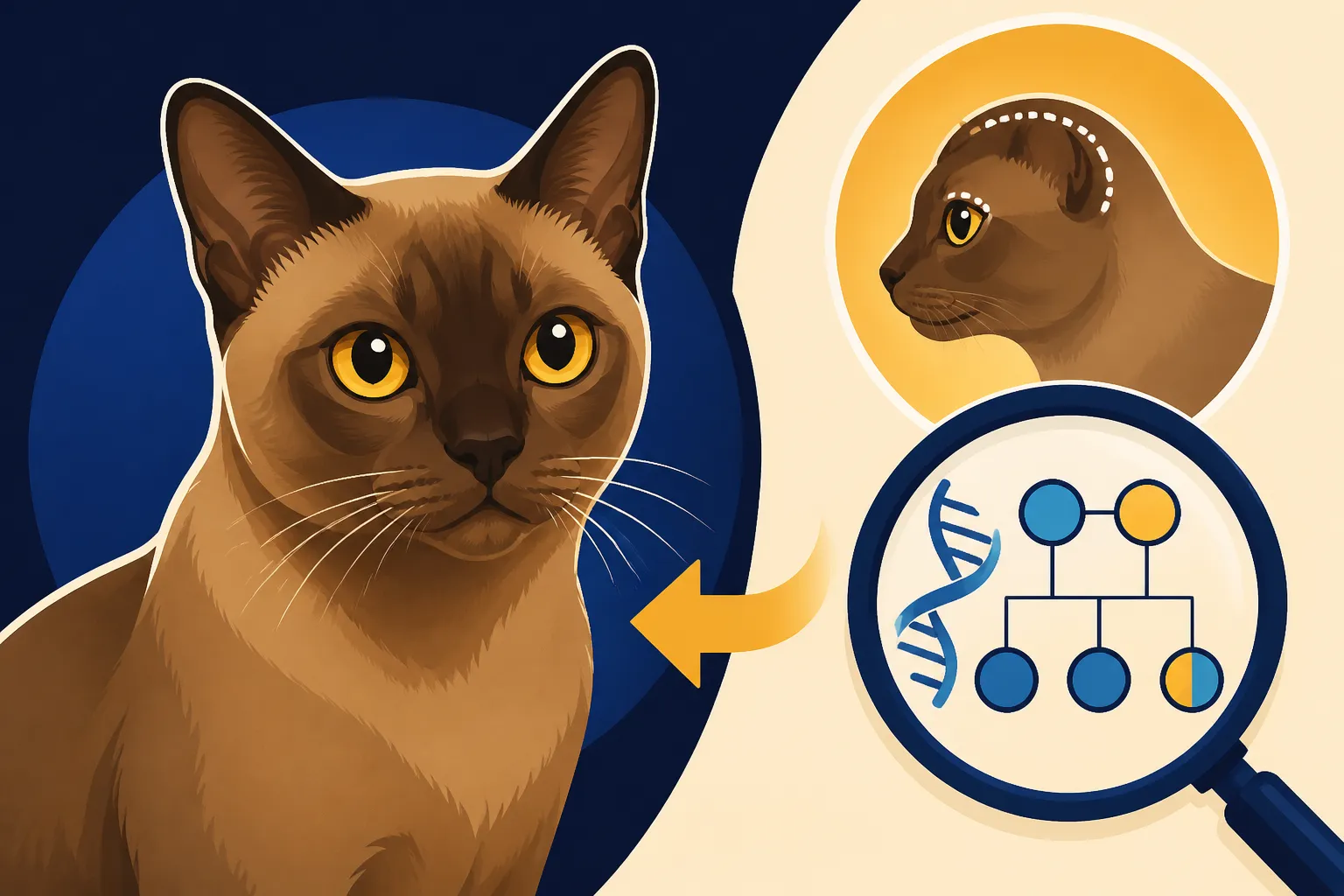
When a kitten is born with Burmese Head Defect, the signs are usually immediately obvious, and they are stark. These little ones often have a dome-shaped head, a soft spot on their skull (an open fontanelle) where the bones haven't fused, and their facial structure might appear flattened or distorted. Sometimes, the brain tissue itself is visibly abnormal, contributing to a host of neurological problems. These kittens typically struggle to thrive. They might have difficulty nursing, exhibit poor coordination, or show signs of severe weakness. It’s an incredibly distressing sight for any caregiver, and it’s why understanding this condition is so critical.
Why Burmese Head Defect Kittens Do Not Survive
The prognosis for kittens born with Burmese Head Defect is, sadly, always grim. These conditions are lethal. Many affected kittens are stillborn, never even taking their first breath. For those that do survive birth, their struggles are immense and often short-lived. The severe neurological impairments prevent them from feeding properly, moving normally, or developing any semblance of a healthy life. Their internal systems are compromised, and their brain function is severely impacted. Euthanasia is often the most compassionate choice to prevent prolonged suffering, a decision no breeder or owner ever wants to make. This devastating outcome is exactly why the scientific community and dedicated breeders invested so much effort into understanding and preventing this condition. You can read more about why these kittens often do not survive in our detailed post about Why Burmese Head Defect Kittens Do Not Survive
The Genetic Detective Work: Unraveling the Recessive Pattern
For decades, breeders might have observed this heartbreaking condition appear sporadically, seemingly out of nowhere, in litters from parents who appeared perfectly healthy. This pattern – where a trait skips generations or appears unexpectedly from unaffected parents – is a classic hallmark of recessive inheritance. It suggested that there wasn't a visible flaw in the parent cats, but rather a hidden genetic factor at play. The challenge then became to pinpoint that invisible factor.
Early Observations Pointing to Recessive Inheritance
Before the advent of widespread genetic testing, understanding inherited diseases relied heavily on meticulous record-keeping and pedigree analysis. Breeders and veterinary geneticists noticed that Burmese Head Defect didn't follow a dominant pattern, where an affected parent would always pass the trait to roughly half its offspring. Instead, it would pop up in litters where both parents were completely normal, yet a percentage of their kittens would be affected. This is the "Aha!" moment for geneticists: if two healthy parents produce an affected offspring, it usually means both parents are carriers of a recessive gene. Each parent contributes one copy of the faulty gene, and only when a kitten inherits two copies (one from each parent) does the defect manifest. This crucial observation laid the groundwork for the more advanced genetic mapping that would follow. It highlighted the importance of understanding Which Diseases the Burmese Actually Carries
The Research Journey to Identify the Gene
Tracing a specific gene mutation responsible for a complex condition is a monumental undertaking. It involves dedicated researchers, often working with samples from affected kittens and their parents. The process typically begins with collecting DNA samples from families where the defect has appeared. Scientists then use sophisticated genetic mapping techniques to scan the entire genome, looking for specific regions that are consistently different in affected individuals compared to healthy ones. This is like looking for a tiny, misplaced puzzle piece in a gigantic, intricate puzzle. The research might involve comparing markers across many generations and multiple affected litters to find the common thread. Over time, advancements in genomic sequencing made this process faster and more accurate, moving from broad chromosomal regions to identifying the exact nucleotide change in a specific gene. This painstaking work, often spanning years, is what allowed the scientific community to finally say, "Here it is. This is the gene."
Pinpointing the Culprit: DNA Testing and Breeder Responsibility
Once the specific gene mutation responsible for Burmese Head Defect was identified, the next critical step was to develop a reliable test. This transformed the management of the disease from reactive (dealing with affected kittens) to proactive (preventing their birth). The development of a DNA test empowers breeders with an invaluable tool for responsible breeding practices.
The Development of a DNA Test for Carriers
Identifying the exact gene mutation meant that a specific DNA test could be designed. This test works by examining a cat's genetic code to see if it carries the identified faulty gene. The beauty of a DNA test is its simplicity and accuracy. A breeder only needs to provide a cheek swab or a small blood sample from their cat, and a specialized laboratory can analyze it. The results categorize cats into three groups:
- Clear: The cat does not carry the mutation and cannot pass it on.
- Carrier: The cat carries one copy of the mutation but is otherwise healthy and unaffected. It can pass the gene on to its offspring.
- Affected: The cat carries two copies of the mutation and will express the disease. For Burmese Head Defect, affected kittens are rarely viable.
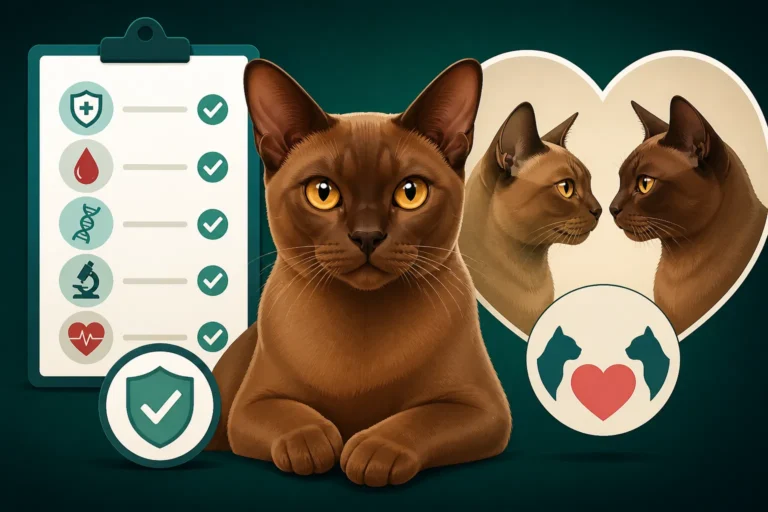
This information is revolutionary for breeders. Knowing a cat's genetic status means they can make informed decisions about mating pairs, ensuring they never accidentally breed two carriers together. Understanding What a Burmese Breeder Must Test Before Any Mating is paramount for preventing such tragedies.
Ethical Breeding Practices with Genetic Testing
The availability of a DNA test places a significant ethical responsibility on Burmese breeders. Responsible breeders now routinely test their breeding stock for the Burmese Head Defect gene, as well as other known genetic conditions. For instance, the general Which Tests Belong on a Burmese DNA Panel will typically include this. The goal is to avoid producing affected kittens, thereby eliminating immense suffering and heartbreak.
Here’s how ethical breeding works in practice:
- Testing All Breeding Cats: Every cat intended for breeding should be tested to determine its status (Clear, Carrier).
- Avoiding "Carrier x Carrier" Matings: This is the golden rule. If both parents are carriers, there is a 25% chance with each breeding that a kitten will inherit two copies of the faulty gene and be affected. This scenario must be avoided at all costs.
- Strategic Breeding with Carriers: Carriers are not necessarily removed from the breeding program entirely, especially if they possess other valuable traits (e.g., temperament, conformation). A carrier can safely be bred to a clear cat. In such a pairing, 50% of the kittens will be clear, and 50% will be carriers, but none will be affected by the disease. The carrier offspring can then be tested, and careful decisions made about their future breeding potential. This way, valuable genetic diversity can be preserved while systematically reducing the incidence of the disease. This is a powerful tool to protect the breed's future. It's truly important to understand Why Two Burmese Carriers Must Never Be Bred.
Here's a simple breakdown of inheritance patterns:
| Parent 1 Status | Parent 2 Status | Offspring Possibilities (Percentages) | Outcome |
|---|---|---|---|
| Clear | Clear | 100% Clear | No affected, no carriers. |
| Clear | Carrier | 50% Clear, 50% Carrier | No affected, but carriers can be born. |
| Carrier | Carrier | 25% Clear, 50% Carrier, 25% Affected (with Burmese Head Defect) | High risk of affected kittens. Must be avoided. |
| Affected | Clear | 100% Carrier (if affected cat could survive to breed, which is rare) | Would produce all carriers. |
| Affected | Carrier | 50% Carrier, 50% Affected (if affected cat could survive to breed) | Extremely high risk of affected kittens. |
| Affected | Affected | 100% Affected (if affected cat could survive to breed) | All kittens would be affected. |
This table clearly illustrates why "Carrier x Carrier" breedings are so problematic and why testing is so essential.
Moving Forward: Protecting the Future of the Burmese Breed
The discovery of the recessive gene for Burmese Head Defect was a monumental step forward for the breed. It transformed a perplexing, heartbreaking mystery into a manageable genetic challenge. For both breeders and prospective owners, this knowledge brings clarity and empowers decisions that prioritize the health and welfare of these beloved cats.
The Role of Responsible Breeders in Prevention
Responsible breeders are the frontline defense against genetic diseases like Burmese Head Defect. By understanding How a Burmese Breeder Avoids the Head Defect, they actively work to minimize its presence in the gene pool. This commitment goes beyond just conducting DNA tests; it involves careful selection of breeding pairs, maintaining accurate health records, and transparent communication with potential buyers. A reputable breeder will always be open about the health testing performed on their breeding cats and will provide documentation of clear or carrier status. They understand that preserving the health and longevity of the breed is a long-term commitment, often stretching beyond the initial sale of a kitten. The long-term health of these cats is important, especially when you consider What a Burmese Costs Over Sixteen Years.
Support for Owners and Future Outlook
For individuals considering bringing a Burmese cat into their home, the existence of genetic testing for conditions like Burmese Head Defect is reassuring. It means you can ask crucial questions and expect transparency from your breeder.
- Ask for Proof of Testing: Don't hesitate to ask to see the DNA test results for both parents of your potential kitten. A good breeder will have these readily available and will explain what they mean.
- Understand Pedigrees: While Head Defect is a recessive trait, understanding the lineage can offer additional insights. Be aware of breeders who might try to cut corners to offer a "cheap" kitten. Often, a cheap price tag can hint at skipped health screenings that can lead to heartache down the line.
- Insurance Considerations: While genetic testing helps prevent this specific defect, other health concerns can arise. Pet insurance providers like Healthy Paws can offer peace of mind for unexpected veterinary costs throughout your cat's life. While they might have exclusions for pre-existing conditions, ensuring your cat is covered early can be incredibly beneficial.
- Lifelong Health Monitoring: Even with comprehensive genetic testing, routine veterinary care is vital. Regular check-ups, starting with What a Burmese Kitten's First Exam Should Cover and continuing through their adult years, help catch any health issues early. The diligence in testing and responsible breeding has significantly reduced the incidence of Burmese Head Defect, making it a rare occurrence in well-bred lines today. The future for the Burmese breed, thanks to this scientific breakthrough and dedicated breeders, looks brighter and healthier than ever before.
Other Genetic Considerations in Burmese Cats
While Burmese Head Defect is a serious concern, it's also a testament to how genetic research can protect a breed. It's important to remember that Burmese cats, like many purebreds, can be predisposed to other inherited conditions. For example, some lines can be affected by conditions like Hypokalemia or GM2 Gangliosidosis. Understanding How Early GM2 Shows in a Burmese or symptoms of Hypokalemia is also crucial for responsible ownership and breeding. A comprehensive DNA panel for a Burmese will usually include tests for multiple known genetic disorders, offering a holistic approach to ensuring the health of the breed. This layered approach to genetic screening helps safeguard the Burmese, allowing families to enjoy their wonderful, affectionate companions for many healthy years. Regular vet checks, especially for kittens, are paramount, as covered in Why a Burmese Kitten Needs an Early Vet Check.
Disclaimer
The information provided in this article is for educational and informational purposes only and does not constitute veterinary advice. Always consult with a qualified veterinarian for any health concerns or before making any decisions about your pet's care.