Why Burmese Head Defect Kittens Do Not Survive
Finding out that a tiny, vulnerable creature you've welcomed into the world is born with a severe congenital defect is one of the most heartbreaking experiences a breeder or owner can face. For Burmese cat enthusiasts, the term "Burmese Head Defect" refers to a devastating craniofacial anomaly that, sadly, means these kittens do not survive. This guide will walk you through what this condition entails, why it's so profound, and the crucial preventative measures responsible breeders rigorously employ to protect the future of this beloved breed.
The Heartbreaking Reality of Burmese Head Defect
When we think of bringing new life into the world, we imagine vitality and health. For Burmese breeders, the sudden appearance of a kitten with what's known as Burmese Head Defect, or craniofacial anomaly, shatters that expectation with immense grief and distress. This isn't just a slight cosmetic imperfection; it's a severe malformation that impacts the very essence of life for these tiny felines. It's a cruel twist of genetics that leaves everyone involved feeling helpless and heartbroken.
What is Craniofacial Anomaly in Burmese Kittens?
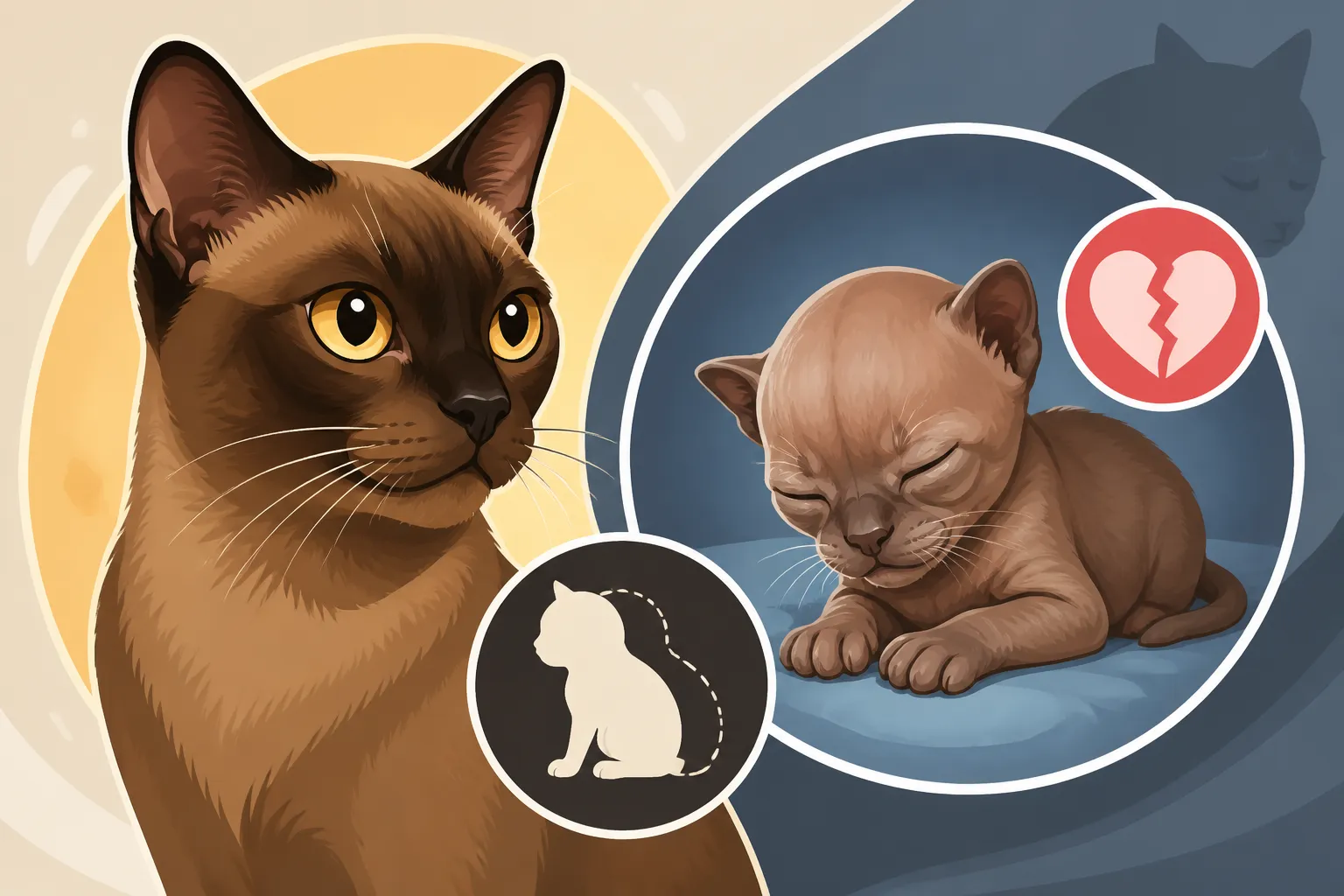
Craniofacial anomaly in Burmese kittens describes a group of severe developmental abnormalities affecting the skull and face. Imagine a kitten born with its delicate skull profoundly malformed, its facial features distorted, and its jaw unable to align properly. This isn't a condition that manifests later in life; it's evident at birth, a stark and immediate indicator of deep-seated issues. These kittens often present with an open fontanelle – a soft spot on the skull that hasn't closed, exposing the delicate brain. Their eyes might be improperly formed or positioned, sometimes appearing sunken or too far apart. The most critical aspect, however, is often the severe jaw malocclusion, rendering them incapable of proper feeding, alongside other internal structural defects that compromise their overall health from day one.
The deformities are complex, often involving not just the bone structure but also the underlying soft tissues and, tragically, brain development. It’s a multi-systemic issue, meaning that many vital bodily functions are compromised. This isn't just about how a kitten looks; it's about fundamental biological structures failing to form correctly, making any semblance of normal life utterly impossible. The visible signs are often just the tip of the iceberg, hinting at more profound, uncorrectable internal problems.
The Genetic Basis: Why it's a Recessive Trait
The science behind this devastating condition lies in genetics, specifically as an autosomal recessive trait. This means that for a kitten to be affected by Burmese Head Defect, it must inherit two copies of the faulty gene – one from its mother and one from its father. What makes this particularly tricky and often bewildering for breeders is that the parents themselves can be perfectly healthy, exhibiting no signs of the defect whatsoever. They are known as "carriers." When two carriers are bred together, statistically, each kitten in the litter has a 25% chance of inheriting two copies of the faulty gene and thus being affected, a 50% chance of being a carrier like its parents, and a 25% chance of being completely clear of the gene. This explains Why Two Copies Are Needed for Burmese Head Defect to manifest.
The discovery of this genetic link was a monumental step towards understanding and preventing the anomaly. Before genetic testing became widely available, breeders faced the horrifying uncertainty of these defects appearing without warning, seemingly at random. The research that helped trace this condition to its recessive origins has been invaluable in guiding responsible breeding practices. Understanding this genetic foundation highlights the critical need for breeders to be transparent and proactive in their health screening.
The Unfolding Tragedy: What Happens to Affected Kittens
When a Burmese kitten is born with craniofacial anomaly, its life is tragically short and filled with insurmountable challenges. The physical deformities are so severe that they prevent even the most basic functions necessary for survival, making the first few hours and days a profound struggle. This isn't a condition that improves; it only brings continuous distress.
Immediate and Profound Physical Impairments
From the moment they are born, kittens with Burmese Head Defect face immediate, profound physical impairments that make survival impossible. The most critical issue is often their inability to suckle. Their severely malformed jaws mean they cannot properly latch onto their mother’s nipple to feed. Even if they could latch, neurological impairments due to skull and brain malformations can prevent them from having the coordinated suck-swallow reflex essential for nourishment. This lack of feeding immediately sets them on a path of rapid decline, leading to weakness, dehydration, and eventual starvation.
Beyond feeding difficulties, these kittens frequently experience respiratory distress. The compression and malformation of the skull can impact their airways, making breathing difficult and labored. Some might also exhibit neurological symptoms such as tremors, seizures, or a complete lack of coordination, indicative of severe brain abnormalities. They often appear listless, unable to move purposefully, and fail to respond to stimuli that would normally rouse a healthy kitten. Their tiny bodies are simply not equipped to sustain life, presenting a constant, agonizing battle against their own physiology.
Why Survival is Not Possible
The harsh truth is that survival for a kitten with Burmese Head Defect is not possible. This is not for lack of trying on the part of devoted breeders or veterinary professionals, but because the underlying structural defects are simply too severe and widespread to be corrected. There's no surgical intervention, no medication, no amount of supportive care that can mend a severely malformed skull, a dysfunctional jaw, or an underdeveloped brain. The kittens cannot eat, cannot breathe properly, and cannot develop neurologically, leading to a multi-systemic failure that is incompatible with life.
Veterinarians, faced with such profound and irreversible defects, will advise humane euthanasia as the only compassionate course of action. Prolonging the life of such a kitten through artificial means, like tube-feeding, would only extend its suffering. It’s a decision born out of mercy, recognizing that the kitten is experiencing continuous distress and has no chance of a quality of life. The heartbreak is immense, but the commitment to preventing suffering must always take precedence. It's a stark reminder of the ethical responsibilities that come with breeding and caring for animals.
Recognizing the Irreversible: Why Survival is Not an Option
The visual cues of Burmese Head Defect are usually unmistakable from birth, leaving little doubt about the severity of the condition. While the initial reaction might be to hope for a miracle, seasoned breeders and veterinarians understand that these deformities are irreversible and lead to an inevitable, painful outcome. This understanding guides the difficult, but necessary, decisions made to prevent further suffering.
Recognizing the Signs at Birth
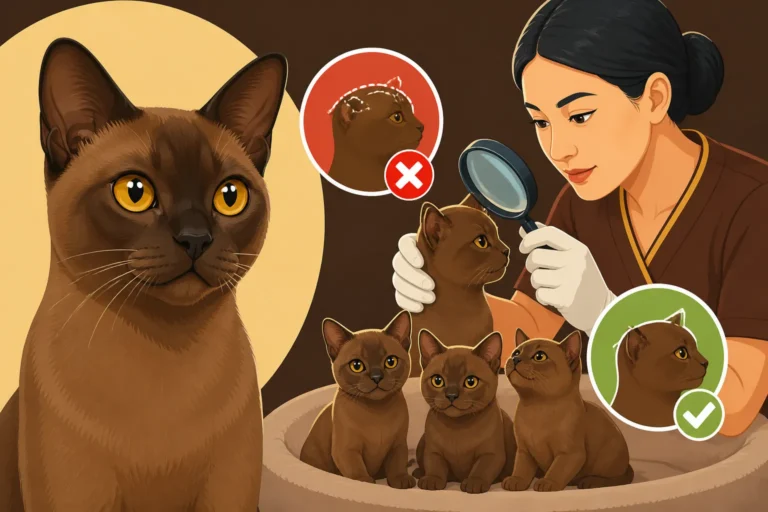
A skilled and attentive breeder will recognize the signs of Burmese Head Defect immediately upon inspection of a newborn kitten. The most apparent markers are the severe malformations of the skull and face. Instead of the typical round, well-formed head of a healthy kitten, affected individuals will have a noticeably misshapen skull, often appearing flattened or distorted. The facial features might seem compressed or asymmetrical. One of the clearest indicators is often the jaw; it may be severely undershot or overshot, creating a gaping mouth that cannot close properly. This immediately affects the kitten's ability to latch and suckle, a primary survival reflex. For a detailed understanding of the visual signs, one might consider exploring What a Burmese Head Defect Kitten Looks Like.
Beyond the physical appearance, the affected kitten’s behavior will also signal distress. Healthy newborns are active, instinctively seeking out a nipple and suckling vigorously. A kitten with Burmese Head Defect, however, will often be weak, uncoordinated, and unable to find or latch onto a teat. They might cry weakly or show signs of respiratory distress, struggling to breathe. Their movements will be feeble, lacking the purposeful wriggling of a healthy littermate. These early observations are crucial for a breeder to identify the issue swiftly, ensuring the kitten's suffering is minimized.
The Inevitable Outcome and Humane Euthanasia
Once the severe nature of the craniofacial anomaly is confirmed, often through immediate veterinary consultation, the conversation inevitably turns to the kitten's prognosis. There is no hope for recovery or a normal life. The defects are structural and pervasive, affecting critical systems needed for survival and well-being. Attempts to provide intensive supportive care, such as syringe feeding or keeping the kitten in an incubator, can only temporarily stave off the inevitable, merely prolonging a life filled with discomfort and suffering. The ethical choice, endorsed by all reputable veterinary professionals and compassionate breeders, is humane euthanasia.
This is an incredibly painful decision, especially for a breeder who has poured their heart and soul into their breeding program and cares deeply for every life born. However, it is an act of profound mercy. It prevents the tiny kitten from enduring prolonged hunger, pain, and distress that no medical intervention can alleviate. The grief is real and heavy, but the knowledge that no further suffering will occur brings a somber peace. It underscores the profound responsibility breeders hold to ensure the welfare of their animals, even when facing such tragic circumstances. For those considering owning a Burmese, understanding such health challenges is crucial to appreciate the commitment of ethical breeders, and why general health costs are important to consider throughout a cat's life, even if insurance providers like Healthy Paws have limitations on pre-existing or non-survivable conditions.
A Breeder's Vigilance: Preventing the Defect Through Genetic Screening
The good news is that science has provided the tools to prevent Burmese Head Defect. Responsible breeders, deeply committed to the health and future of the Burmese breed, utilize genetic screening as a cornerstone of their breeding programs. This proactive approach eliminates the devastating surprise of affected kittens and is a testament to ethical breeding practices.
Identifying Carriers Through DNA Tests
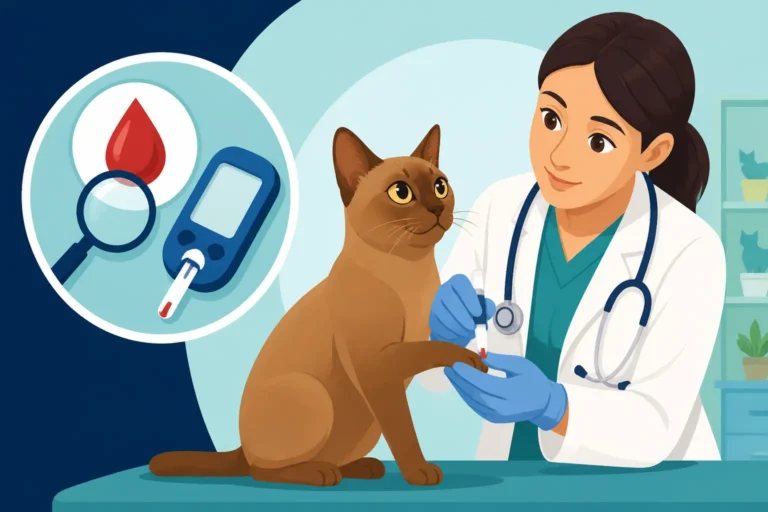
The cornerstone of preventing Burmese Head Defect is genetic testing. Because the condition is a recessive trait, breeders need to know if their potential breeding cats are carriers of the faulty gene. Thankfully, a specific DNA test exists for this craniofacial anomaly. This test allows breeders to identify "clear" cats (those with two normal gene copies), "carriers" (those with one normal and one faulty gene copy, who are perfectly healthy themselves but can pass on the gene), and, if a cat were to somehow survive long enough to be tested, "affected" cats (those with two faulty gene copies). Labs like Orivet or Langford Vets in the UK, and UC Davis in the US, are among those that offer comprehensive genetic panels that include this specific test. These tests are usually non-invasive, requiring just a simple cheek swab from the cat.
For any conscientious breeder, having Whether a Burmese Head Defect Test Exists and utilizing it for every breeding cat is non-negotiable. It’s an essential part of knowing their cats’ genetic makeup and making informed decisions. The results of these tests should be transparently shared with prospective kitten buyers, demonstrating a breeder’s commitment to health. This knowledge is paramount in ensuring that responsible pairings are made, preventing the birth of affected kittens and ultimately strengthening the genetic health of the breed.
Responsible Breeding Practices to Eradicate the Defect
Once DNA test results are in hand, responsible breeding strategies come into play. The golden rule is simple: never breed two carriers together. By adhering to this principle, breeders can guarantee that they will never produce a kitten affected by Burmese Head Defect. If a breeder has a cat that is identified as a carrier, that cat can still be part of the breeding program to maintain genetic diversity, but it must only be bred with a cat that has tested "clear" of the gene.
The mathematical outcome of breeding a carrier with a clear cat is that all kittens born will be healthy. Statistically, 50% of the kittens will be clear themselves, and 50% will be carriers. All these kittens are perfectly healthy. The beauty of this approach is that all offspring from such a pairing can then be tested, and any new carriers identified can be managed in future breeding decisions. This methodical approach ensures that while the faulty gene is gradually reduced within the population over generations, valuable bloodlines and genetic diversity are preserved. It is a cornerstone of What a Burmese Breeder Must Test Before Any Mating to uphold the integrity and health of the breed, a topic further explored in How a Burmese Breeder Avoids the Head Defect.
Looking Ahead: Ensuring a Healthy Future for the Burmese Breed
The challenges of genetic defects like Burmese Head Defect highlight the critical importance of ongoing vigilance and ethical practices within the breeding community. The commitment to understanding, preventing, and managing inherited conditions is what truly defines a responsible approach to preserving the health and vitality of the Burmese cat. It's a journey that benefits from transparency, scientific advancement, and a shared dedication among all stakeholders.
Maintaining Genetic Diversity
One of the ongoing dilemmas in managing genetic diseases within a breed is the delicate balance between eliminating harmful genes and preserving a robust gene pool. If breeders were to simply remove all carriers from the breeding population, it could inadvertently narrow the genetic diversity, potentially leading to other unforeseen health issues down the line. This is why the strategy of breeding carriers only with clear cats is so vital. It allows the breed to gradually reduce the prevalence of the faulty gene without resorting to drastic measures that could harm the breed in other ways. For a general overview of other inherited conditions, exploring Which Diseases the Burmese Actually Carries can provide a broader context.
Open communication and collaboration among Burmese breeders worldwide are indispensable for this effort. Sharing test results, collaborating on breeding plans, and collectively working towards a healthier future ensures that the breed remains genetically strong and resilient. The journey to trace and manage conditions like How Burmese Head Defect Was Traced to a Recessive demonstrates the power of this collective scientific and community effort.
The Breeder's Ethical Responsibility and Transparency
For prospective Burmese owners, understanding a breeder's ethical responsibilities is paramount. A reputable breeder will not only conduct all necessary DNA tests, including for Burmese Head Defect, but will also provide copies of these results for both parents without hesitation. This transparency is a hallmark of integrity and a commitment to producing healthy, well-adjusted kittens. When considering a kitten, it's wise to inquire about Which Tests Belong on a Burmese DNA Panel to ensure a comprehensive health screening has been performed.
Conversely, red flags should immediately go up if a breeder is reluctant to share test results, claims their cats are "visually clear" without genetic testing, or offers kittens at prices significantly lower than the breed average, as this might indicate corners have been cut on health screenings. While it may not directly relate to this specific lethal defect, the financial planning involved in owning a cat is considerable. Considerations such as What a Burmese Costs Over Sixteen Years should include potential health expenses. Although conditions like Head Defect are not survivable and thus not insurable for treatment, comprehensive pet insurance, like policies offered by Healthy Paws, is still invaluable for managing other unexpected health issues that can arise over a cat’s long life. Ethical breeders provide not just a kitten, but a foundation of health and honesty. This meticulous approach to breeding contributes significantly to The Sixteen to Eighteen Years a Well Bred Burmese Gets, promising a long and joyful companionship with your feline friend. Furthermore, a breeder who checks Why a Burmese Kitten's Chest Should Be Checked at Birth is demonstrating an all-around commitment to early detection of various issues, not just the head defect.
| Breeding Pair Combination | Offspring Outcome (Statistical Probability) | Affected Kittens |
|---|---|---|
| Clear x Clear | 100% Clear | 0% |
| Clear x Carrier | 50% Clear, 50% Carrier | 0% |
| Clear x Affected | 100% Carrier | 0% |
| Carrier x Carrier | 25% Clear, 50% Carrier, 25% Affected | 25% |
| Carrier x Affected | 50% Carrier, 50% Affected | 50% |
| Affected x Affected | 100% Affected | 100% |
Disclaimer
The information provided in this article is for educational and informational purposes only and should not be considered as veterinary advice. Always consult with a qualified veterinarian for any health concerns or before making any decisions about your pet's health or treatment.