How a Burmese Breeder Avoids the Head Defect
It’s truly heartbreaking when we learn about genetic conditions that can affect the breeds we love so much. For anyone who adores Burmese cats, the thought of a kitten suffering from a condition like the Burmese Head Defect is devastating. This guide aims to pull back the curtain on this challenging issue, offering clarity on what it is, how it’s inherited, and most importantly, the proactive steps responsible breeders take to ensure the health and happiness of every precious kitten.
Understanding the Devastating Burmese Head Defect
When you welcome a new kitten into your home, you envision years of purrs, playful antics, and cuddles. The reality of a severe genetic defect can shatter that dream, and few conditions are as profoundly distressing as the Burmese Head Defect, also sometimes referred to as Congenital Cerebellar Hypoplasia in the breed. This isn't just a cosmetic issue; it's a severe neurological disorder that dramatically impacts a kitten's quality of life from the moment it's born.
What Burmese Head Defect Does to a Kitten
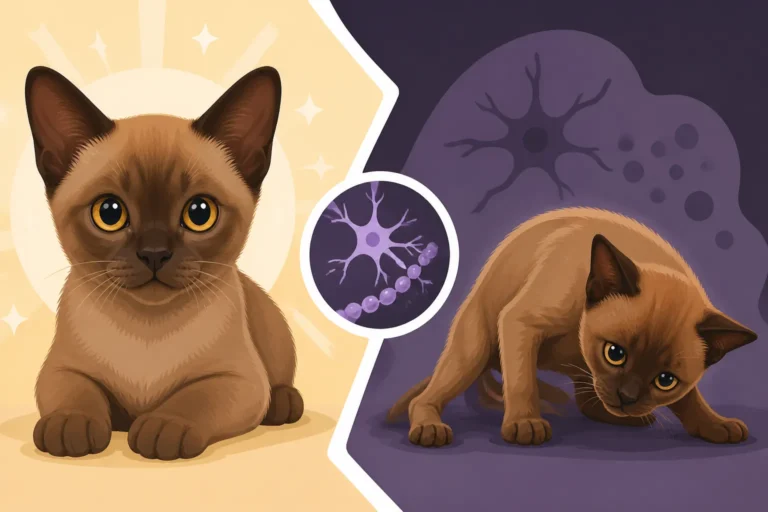
Imagine a kitten that struggles to do the simplest things a healthy kitten instinctively does: walk, balance, or even eat properly. That's the tragic reality for a kitten born with this defect. The term "head defect" might sound vague, but it refers to the underdevelopment of the cerebellum, the part of the brain responsible for coordination and motor control. These kittens often display a distinctive bobble head or "meerkat neck" posture, where they struggle to hold their heads up normally, similar to how a kitten with hypokalemia might present, but the underlying cause is different. They might stumble, fall frequently, or have an exaggerated, uncoordinated gait often described as an "intention tremor" – meaning the tremor gets worse as they try to focus on a movement.
Beyond the physical coordination issues, these kittens often cannot nurse effectively, making proper nutrition a constant struggle. Their inability to control their movements means they can't play, explore, or interact with their littermates in the natural way a kitten should. It’s a constant battle for them, and sadly, their small bodies are not equipped to overcome such a profound neurological challenge. The symptoms are unmistakable and appear very early in life, often within the first few weeks, leaving no doubt about the severity of their condition. You can often see What a Burmese Head Defect Kitten Looks Like if you know what to watch for.
Why Burmese Head Defect Kittens Do Not Survive
The grim truth is that kittens born with the Burmese Head Defect do not survive. Despite the best efforts of breeders and veterinarians, the neurological damage is too extensive to overcome. Their profound lack of coordination makes it impossible for them to thrive. They can't feed properly, which leads to failure to grow. They can't move safely, often injuring themselves or becoming trapped. Their quality of life is severely compromised from day one, and it's a condition that inevitably leads to euthanasia to prevent prolonged suffering.
It’s an agonizing decision for any breeder or owner, but it's a compassionate one, recognizing that these little ones face a life of constant struggle and pain with no hope of recovery. This isn't a condition they "grow out of" or that can be managed with medication. The neurological damage is permanent. The reality of Why Burmese Head Defect Kittens Do Not Survive underscores the absolute necessity for rigorous genetic testing and responsible breeding practices to prevent these heartbreaking situations from ever occurring.
The Genetic Blueprint: How Head Defect Is Inherited
Understanding the genetics behind the Burmese Head Defect is crucial for any breeder or prospective owner. It's not a random occurrence, but rather a predictable pattern of inheritance that, once understood, can be completely avoided with careful planning.
How Burmese Head Defect Was Traced to a Recessive
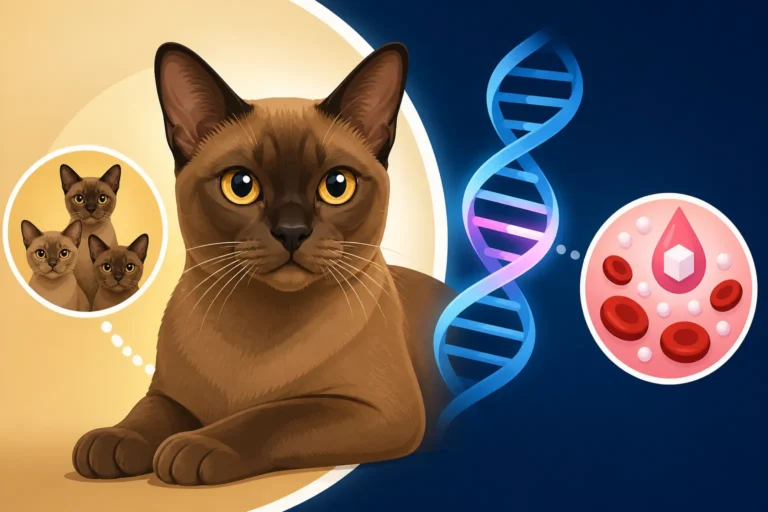
For years, breeders faced the mystery of seemingly healthy parents producing affected kittens, leaving them bewildered and heartbroken. The pattern, however, suggested a recessive mode of inheritance. This means that a kitten needs to inherit two copies of the defective gene—one from its mother and one from its father—to express the disease. If a kitten only inherits one copy, it becomes a "carrier," meaning it carries the gene but does not show any symptoms of the disease itself. These carriers can then unknowingly pass the gene on to their offspring.
Thanks to dedicated research and the advancement of genetic testing, scientists were able to pinpoint the specific gene mutation responsible for this debilitating condition. This breakthrough transformed the landscape for Burmese breeders, allowing them to move from guessing to knowing. How Burmese Head Defect Was Traced to a Recessive is a testament to the power of genetic science in safeguarding beloved breeds against inherited diseases. This understanding now empowers breeders to make informed decisions that prevent suffering.
Why Two Copies Are Needed for Burmese Head Defect
The concept of recessive inheritance can be a bit tricky, but it's fundamental to preventing this defect. Think of it like this: every cat has two copies of almost every gene, inheriting one from each parent. For the Burmese Head Defect, let's say 'D' is the normal, healthy gene and 'd' is the defective gene.
- DD: A cat with two normal genes is completely clear and cannot pass on the defective gene.
- Dd: A cat with one normal and one defective gene is a "carrier." It is perfectly healthy and shows no signs of the disease, but it can pass the 'd' gene to its kittens.
- dd: A cat with two defective genes will be affected by the Burmese Head Defect. This is the tragic outcome we want to prevent.
This is precisely Why Two Copies Are Needed for Burmese Head Defect to manifest. If a cat is a carrier (Dd) and is bred to a clear cat (DD), none of the kittens will be affected (they will either be DD or Dd). However, if two carriers (Dd x Dd) are bred together, there's a 25% chance with each kitten that it will inherit 'dd' and be affected, a 50% chance it will be a carrier (Dd), and a 25% chance it will be clear (DD). This predictable genetic lottery is why responsible breeding is so critical.
Why Burmese Head Defect Carriers Are Still Bred From
It might seem counterintuitive, but responsible breeders do sometimes breed from carriers of recessive genes, including the Burmese Head Defect. The key word here is responsible. The decision to breed a carrier is not taken lightly and is always done under very strict conditions to ensure no affected kittens are produced. Completely removing all carriers from the breeding pool could severely reduce genetic diversity within the breed, potentially leading to other health problems down the line by concentrating other undesirable genes.
Instead, a carrier (Dd) is always mated to a cat that has been DNA tested and confirmed as clear (DD). In this pairing, every kitten will receive at least one healthy 'D' gene from the clear parent, meaning no kitten can ever inherit two 'd' genes and thus cannot be affected by the head defect. Half the litter will likely be clear (DD) and half will be carriers (Dd), but none will be affected. The kittens that are carriers can then be identified through DNA testing before they are considered for future breeding themselves. This approach allows breeders to maintain valuable bloodlines, preserve genetic diversity, and Why Burmese Head Defect Carriers Are Still Bred From while still safeguarding against the birth of affected kittens.
The Breeder's Essential Toolkit for Prevention
For the modern, ethical Burmese breeder, preventing genetic diseases like the head defect is a top priority. This involves a combination of scientific testing and careful record-keeping to ensure the health of future generations.
Whether a Burmese Head Defect Test Exists
Absolutely, yes! One of the most significant advancements in Burmese cat breeding has been the development of a reliable DNA test for the Burmese Head Defect. This test is a game-changer, moving the prevention of this devastating condition from hopeful guesswork to scientific certainty. Before this test, breeders were essentially flying blind, only discovering the presence of the gene when affected kittens were born. The heartache and suffering this caused were immense.
Now, a simple cheek swab or blood sample can determine if a cat is clear (does not carry the gene), a carrier (carries one copy of the gene but is healthy), or affected (carries two copies and will develop the disease). This easily accessible test means there is no excuse for a reputable breeder not to screen their breeding animals. The existence of this test is the cornerstone of preventing the Burmese Head Defect and ensuring that What a Burmese Breeder Must Test Before Any Mating includes this crucial screening. If a breeder tells you there's no test, it's a significant red flag.
How a Burmese Breeder Screens Against the Head Defect
A responsible Burmese breeder integrates genetic screening into their routine breeding program. It's not an afterthought; it's a foundational step. Before any mating takes place, both prospective parents are DNA tested for the Burmese Head Defect. If the results show that one parent is a carrier, the breeder will only mate that cat with a partner confirmed as clear. This adherence to a "carrier-to-clear" breeding strategy is paramount.
Beyond individual testing, responsible breeders also meticulously track the pedigrees of their cats. They understand the health history of the lines they are working with, looking for any instances of the defect in previous generations, though with a direct DNA test, pedigree analysis primarily confirms the integrity of their own testing. They also ensure that Which Tests Belong on a Burmese DNA Panel includes all known relevant genetic conditions for the breed. Transparency is also key; a reputable breeder will happily provide copies of health certificates and DNA test results for both parents of a kitten. This commitment to screening minimizes the risk of producing affected kittens and protects the integrity of the breed.
How Many Burmese Litters Carry the Defect
It's difficult to put an exact, up-to-the-minute number on How Many Burmese Litters Carry the Defect because it depends heavily on the vigilance and testing practices of breeders worldwide. In the early days, before the DNA test was widely available, it's likely that a significant number of Burmese lines carried the recessive gene unknowingly. However, with the advent and widespread adoption of the DNA test, especially in countries with strong breeder associations and health guidelines, the incidence of affected litters has dramatically decreased among responsible breeders.
The focus now is less on the overall prevalence of the gene in the general Burmese population (though this data is collected by genetic labs) and more on ensuring that individual breeding pairs are properly screened. If two carriers are inadvertently bred together, then 25% of that specific litter, on average, would carry the defect. The goal of conscientious breeders is to bring that number down to effectively zero for their kittens by never pairing two known carriers. This shift means that while the gene might still exist in some carrier cats within the breed, it rarely leads to actual affected kittens in reputable catteries.
Ethical Breeding: Responsible Choices for the Future
Ethical breeding is about more than just producing beautiful cats; it's about safeguarding the health and well-being of the breed for generations to come. For the Burmese, this means confronting known genetic conditions head-on with integrity and scientific rigor.
The Critical Rule: Avoiding Carrier-to-Carrier Matings
The single most important rule for preventing the Burmese Head Defect is simple yet absolute: never breed two cats that are both carriers of the defective gene. This is Why Two Burmese Carriers Must Never Be Bred for the head defect, just as it applies to other recessive conditions like hypokalemia. As we discussed, when two carriers are mated, there is a 25% chance with each kitten born that it will inherit two copies of the defective gene and be severely affected. This is a risk no ethical breeder is willing to take, knowing the inevitable suffering and loss it entails.
Reputable breeders meticulously plan their pairings. If a valuable breeding cat is identified as a carrier, it can still be part of a breeding program, but only if its mate is DNA tested and confirmed to be completely clear of the gene. This strategy ensures that even if a kitten inherits the carrier gene from one parent, it will always receive a healthy gene from the other, thus preventing the disease from manifesting. It’s a non-negotiable standard that underpins responsible breeding practices.
Transparency and Health Guarantees from Breeders
An ethical breeder operates with complete transparency. They understand that prospective owners are investing their hearts, and often a significant amount of money, into a new family member, and they deserve full disclosure about the kitten's genetic health. This means openly sharing the DNA test results for both the sire and dam of the litter. Don't be afraid to ask for these documents; a good breeder will be proud to show them. They should also be able to explain the implications of clear or carrier results clearly and patiently.
Furthermore, reputable breeders will often provide a health guarantee as part of their contract. While a guarantee can't prevent all future health issues – an issue like How Long a Burmese Lives can depend on many factors beyond genetics – it should certainly cover severe genetic defects like the head defect. This demonstrates their confidence in their breeding program and their commitment to the health of their kittens. Be wary of breeders who are evasive about health testing, refuse to show results, or offer vague health guarantees. Their reluctance is a major warning sign.
Empowering Prospective Owners: Questions to Ask
As a prospective owner, you have a vital role to play in supporting ethical breeding and ensuring you bring home a healthy kitten. Being informed and knowing what questions to ask is your most powerful tool.
Verifying Health Clearances and Pedigrees
When you're searching for a Burmese kitten, the conversation with a breeder should always begin with health. It’s not enough to simply ask if the parents are "healthy"; you need specifics. Always inquire about the DNA test results for the Burmese Head Defect for both parents of the litter. Ask to see physical copies of these certificates. Reputable breeders will use a trusted genetic testing laboratory, and the results should clearly state whether each parent is "clear," a "carrier," or "affected." For the head defect, you want to see that at least one parent (and ideally both) is clear, or if one is a carrier, the other must be clear.
Beyond the head defect, ask about Which Tests Belong on a Burmese DNA Panel generally, as responsible breeders will test for other known issues as well. Inquire about the pedigree—does it show a history of healthy cats, or are there any gaps or unknowns? A good breeder will be able to talk you through generations of their lines and discuss any known health issues in the broader family tree, even if those are not directly related to this specific defect. This level of detail shows their dedication and helps you ensure What a Burmese Kitten's First Exam Should Cover when you take it to your own vet.
Here's a handy table of essential questions for prospective owners:
| Question Category | Specific Questions to Ask | What a Good Breeder Provides/Answers | Red Flags |
|---|---|---|---|
| Head Defect Testing | "Can I see the DNA test results for Burmese Head Defect for both parents (sire and dam)?" | Provides official lab certificates showing both parents are "Clear" or one is "Clear" and the other is a "Carrier." Explains the results and the breeding strategy used. | Claims "we don't test for that" or "it's not a problem in my lines." Refuses to show results or says they're "at the vet." States there is no test. |
| Other Genetic Tests | "What other genetic tests do you perform for the Burmese breed?" | Shows results for other known Burmese genetic conditions (e.g., Hypokalemia). Discusses general health screening protocols. | Only tests for one condition or claims genetic tests are unnecessary. |
| Health Guarantees | "What health guarantee do you offer for your kittens, especially regarding genetic defects?" | Provides a written contract outlining a health guarantee, including specifics about severe genetic conditions like the head defect. Explains terms clearly. | Vague or non-existent health guarantee. Expresses reluctance to cover genetic conditions. |
| Kitten Rearing | "At what age do your kittens go to their new homes?" | Kittens are typically 12-16 weeks old, fully weaned, litter trained, socialized, and have received initial vaccinations. Explains the importance of socialization and developmental stages (e.g., Why a Burmese Kitten Stays Until It Is Socialized). | Kittens available before 12 weeks of age. Shows little interest in where the kitten is going or offers no advice on care. |
| Transparency & Care | "Can I visit your cattery to meet the parents and see where the kittens are raised?" | Welcomes visits (by appointment) to a clean, safe, and stimulating environment where cats appear well-cared for and happy. Is open about their breeding practices and cat care routines. | Refuses visits, insists on meeting in a neutral location, or makes excuses about why you can't see the facility or parents. |
| Long-term Support | "What kind of support do you offer after I take my kitten home?" | Offers ongoing advice and support for the lifetime of the cat. Is genuinely interested in the kitten's well-being and is available for questions. | Disappears after the sale, offers no post-purchase support. |
Planning for a Healthy Future
Even with the most meticulous genetic screening and responsible breeding, caring for a living creature always involves a degree of unpredictability. While a good breeder dramatically reduces the risk of inherited diseases, life still happens. This is why planning for a healthy future for your Burmese also includes considering comprehensive pet insurance. Companies like Healthy Paws offer various plans that can help cover unexpected accidents, illnesses, and emergencies throughout your cat's life.
While pet insurance typically won't cover pre-existing conditions or issues directly stemming from a known genetic defect in the specific kitten if purchased, it provides immense peace of mind for everything else. A Burmese, like any cat, can face injuries, infections, or develop conditions later in life such as diabetes, which the breed is predisposed to. Having a plan in place means you can focus on getting your beloved companion the best medical care without the added stress of financial strain. For example, the breed is also known for Why a Burmese Is Prone to Gum Disease, which might lead to costly dental procedures over How Many Dentals a Burmese Needs in a Lifetime. Taking steps like purchasing pet insurance is part of being a truly prepared and responsible pet parent, ensuring your Burmese has the best chance at a long, happy, and healthy life.
Disclaimer
This article is for general informational purposes only and does not constitute professional advice. Laws, prices and regulations vary by location and change over time. Consult a qualified professional for guidance on your specific situation.