Why Hyperthyroidism Catches an Older Burmese
It’s a heartbreaking reality that as our beloved Burmese companions grow older, they become more susceptible to certain health conditions that can dramatically impact their quality of life. One of the most insidious of these is hyperthyroidism, a condition that often creeps up subtly, leaving many owners feeling bewildered and frustrated as their once-vibrant cat starts to change. This guide will delve deep into why hyperthyroidism frequently catches older Burmese cats, helping you understand the underlying causes, recognize the signs, and explore the best ways to manage this common senior ailment.
Understanding Hyperthyroidism in Your Burmese
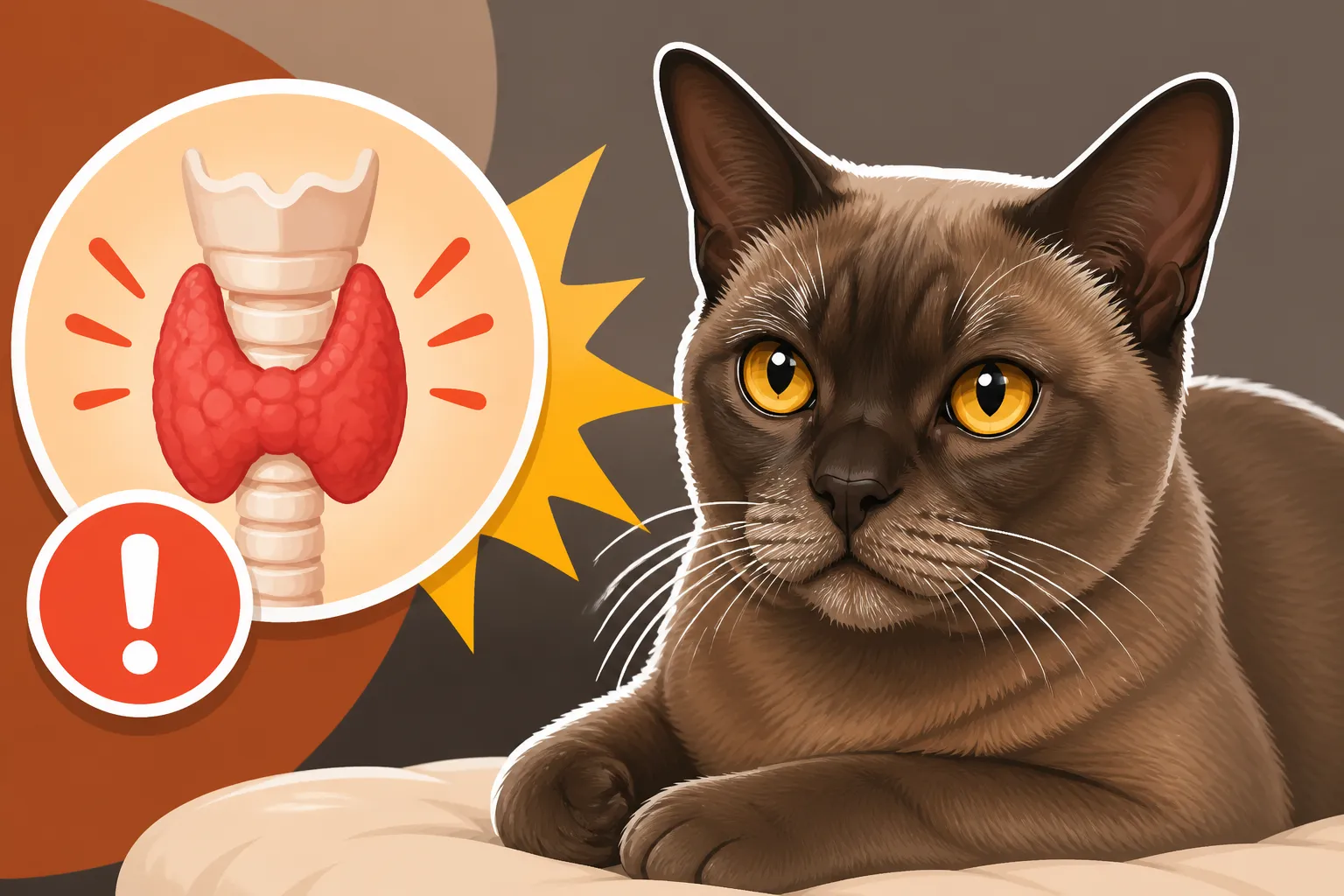
Hyperthyroidism is not just a fancy medical term; it’s a very real and often debilitating disease that affects many senior cats, and unfortunately, our delightful Burmese friends are no exception. It's a condition where the thyroid gland, a small but mighty organ located in the neck, goes into overdrive, producing an excess of thyroid hormones. These hormones are crucial for regulating a cat's metabolism, so when there's too much of them, it's like putting your cat's internal engine into a constant state of hyperdrive.
The Thyroid's Role and What Goes Wrong
Think of the thyroid gland as the body's internal thermostat and accelerator pedal. It produces two main hormones, T3 and T4, which control metabolic rate, influencing everything from heart rate and body temperature to how quickly calories are burned. In a healthy cat, the thyroid maintains a delicate balance, ensuring these hormones are produced in just the right amounts.
With hyperthyroidism, this balance is thrown off. The most common cause, accounting for over 95% of cases, is a benign (non-cancerous) tumor or enlargement of one or both thyroid glands. Less commonly, it can be due to a malignant thyroid tumor. Regardless of the cause, the enlarged gland simply doesn't know when to stop, constantly pumping out more hormones than the body needs. This hormonal surge forces the body's systems to work at an accelerated pace, leading to a cascade of health problems that can be quite distressing to witness.
Systemic Impact: More Than Just Weight Loss
When a Burmese cat's metabolism is running too high, every single organ system feels the strain. Initially, you might just notice your cat losing weight despite eating ravenously, or perhaps becoming more vocal and active. But the effects run much deeper. The heart has to work harder, often leading to a rapid heart rate and thickening of the heart muscle, a condition known as hypertrophic cardiomyopathy. This can eventually lead to heart failure if left untreated.
The digestive system is also affected, leading to increased hunger, vomiting, and diarrhea. The kidneys, already potentially vulnerable as part of the normal aging process (as discussed in How Kidney Disease Arrives in an Old Burmese), can also suffer from the increased blood flow and metabolic demands, which can either mask or exacerbate underlying kidney disease. Even the brain and nervous system are impacted, contributing to behavioral changes like restlessness and anxiety. It’s a full-body assault, and without intervention, it can severely compromise your beloved cat's well-being.
Spotting the Subtle Signs in Your Senior Companion
Recognizing hyperthyroidism in your older Burmese can be tricky because many of the early signs are often dismissed as "just old age" or behavioral quirks. Our Burmese cats are masters at masking illness, often hiding symptoms behind their naturally affectionate and engaging personalities. This means that as an owner, you need to be extra vigilant and pay close attention to even the slightest shifts in their routine or demeanor.
Behavioral Shifts and Increased Activity
One of the most common early indicators of hyperthyroidism is a noticeable change in your Burmese's behavior. You might find them suddenly more restless, almost as if they have boundless energy, even if they are well past their kitten years. This can manifest as increased vocalization – that distinctive Burmese rasp might become more frequent and insistent. They might wander more at night, keeping you awake, or demand constant attention and play, which, while endearing, can be a stark contrast to their usual senior calmness.
Some owners report their formerly placid cat becoming unusually irritable or anxious. They might jump at loud noises more easily or seem disoriented at times. While a Burmese is still playing at fifteen, an unusual surge in activity or a sudden change in personality should always raise a red flag. These shifts are often a direct result of the overactive metabolism and the strain it puts on their nervous system, making it harder for them to relax or settle.
Physical Indicators and Digestive Changes
Beyond behavioral shifts, there are several physical signs to watch for. Perhaps the most well-known is weight loss, often despite an insatiable appetite. Your Burmese might be eating you out of house and home, yet still shedding pounds. Their coat, which is usually a luxurious, close-lying satin, might become dull, greasy, or unkempt, a sign that they're no longer grooming themselves effectively due to feeling unwell.
Other physical signs include increased thirst and urination. If you notice your Burmese emptying the water bowl more frequently or needing the litter box more often, that's a significant symptom that warrants immediate veterinary attention. Vomiting and diarrhea can also occur due to the accelerated digestive process. In advanced cases, you might even feel an enlarged thyroid gland in their neck, though this is best left to a vet to confirm. Remember, Burmese are famously muscular, and a decline in muscle mass might be harder to spot, but a weekly check of their weight at home, perhaps recorded in a notebook, can be incredibly telling.
The Burmese Paradox: Affection Masking Illness
What makes hyperthyroidism particularly challenging to detect in a Burmese is their incredibly affectionate and people-oriented nature. These are cats that live for human interaction, often riding on your shoulder or demanding constant closeness. This inherent "velcro cat" quality means they will often seek comfort and attention even when feeling unwell, making it difficult to discern genuine sickness from their usual loving overtures.
A Burmese might still jump on your lap, purr loudly, and rub against you, all while their body is struggling internally. They might push their face into your palm seeking reassurance, drawing your focus away from the subtle physical changes happening to them. This is why paying attention to quantitative changes – like weight, water intake, or litter box frequency – is so vital. Your Burmese's desire for connection can ironically mask how truly ill they feel, emphasizing why a withdrawn Burmese should see a vet that day. Don't let their enduring affection fool you into thinking everything is okay; trust your instincts if something feels off.
Why Older Burmese Cats Face a Higher Risk
It's a disheartening truth that Burmese cats, despite their otherwise robust health and impressive lifespan, seem to carry a particular susceptibility to certain conditions, and hyperthyroidism is one of them. While any older cat can develop hyperthyroidism, there appear to be specific factors that make our beloved Burmese more prone to this metabolic imbalance as they enter their senior years.
Genetic Predisposition and Breed-Specific Factors
The exact genetic links for feline hyperthyroidism are still being researched, but there is growing evidence to suggest a breed predisposition. Burmese cats, along with breeds like the Siamese and Himalayan, are often cited as having a higher incidence. This points towards a potential genetic component that makes the thyroid glands in these specific breeds more likely to undergo the benign changes that lead to overactivity.
It's not a direct 'hyperthyroidism gene' in the way some other Burmese diseases have a clear DNA test, but rather a complex interplay of genetic factors that influence thyroid structure, function, and susceptibility to tumor growth over time. While breeders meticulously test for conditions like What a Burmese Breeder Must Test Before Any Mating, hyperthyroidism typically manifests in later life, making it harder to screen for in breeding lines. This inherent susceptibility means that if you own an older Burmese, a regular check of their thyroid function should become a standard part of their annual veterinary care, especially once they are considered senior, around the age of seven or eight.
Environmental Triggers and Dietary Considerations
Beyond genetics, environmental and dietary factors are increasingly being investigated as potential contributors to hyperthyroidism in cats. Some studies have explored the role of certain flame retardants (polybrominated diphenyl ethers or PBDEs) found in household dust, which can mimic thyroid hormones. Cats, being fastidiously clean groomers, ingest a lot of dust from their environment, potentially exposing them to these endocrine disruptors.
Diet also plays a role. While no definitive link has been proven for specific commercial foods causing hyperthyroidism, concerns have been raised about high iodine levels in some diets, as iodine is essential for thyroid hormone production. If there's already a genetic predisposition, an excess of iodine could theoretically fuel an overactive gland. Therefore, choosing a high-quality, balanced diet without excessive additives might be beneficial. However, it's crucial to consult your veterinarian before making significant dietary changes, especially for a senior cat. Remember that feeding a Burmese is a medical decision, not just a preference, particularly as they age.
The Aging Process and Organ Vulnerability
Ultimately, the most significant risk factor for hyperthyroidism in Burmese cats, as with all cat breeds, is age. As cats get older, their bodies simply become more prone to various degenerative and neoplastic (tumor-related) changes. The benign thyroid adenoma, which is the most common cause of hyperthyroidism, is essentially a tumor that develops as part of the aging process.
Our Burmese cats, known for their impressive lifespans, are simply around long enough for these age-related changes to occur. Just as older humans are more susceptible to heart disease or diabetes, older cats face a heightened risk of conditions like hyperthyroidism. The longer a cat lives, the more opportunities there are for cells to mutate and grow abnormally. This isn't to say it's inevitable, but it does mean that any Burmese over the age of seven should be routinely screened for this condition, making it a critical component of caring for a Burmese past twelve. This proactive approach can make all the difference in catching the disease early and managing it effectively.
Diagnosis, Treatment, and Lifelong Management
Catching hyperthyroidism early in your Burmese can significantly improve their prognosis and quality of life. Once you've noticed suspicious signs and consulted your vet, a clear diagnostic pathway and various treatment options are available to help your feline friend.
Navigating the Diagnostic Process
Diagnosing hyperthyroidism is relatively straightforward. Your veterinarian will typically start with a thorough physical examination, feeling your cat's neck for an enlarged thyroid gland and listening to their heart for any abnormalities, like a heart murmur or increased heart rate. They’ll also assess your cat's overall body condition, noting any muscle loss despite a good appetite.
The definitive diagnosis usually comes from a blood test. This involves checking the level of thyroid hormones, specifically total T4. A consistently elevated T4 level in a cat showing clinical signs is highly indicative of hyperthyroidism. Sometimes, especially in early or mild cases, the T4 level might be borderline or fluctuate. In such instances, your vet might recommend additional tests like a free T4 test (which measures the unbound, active hormone) or a T3 suppression test to confirm the diagnosis. They will also likely run a full blood panel and urinalysis to check for other concurrent issues, such as kidney disease, which often co-exists with hyperthyroidism and can complicate treatment.
Exploring Treatment Options for Hyperthyroid Burmese
Once diagnosed, there are several effective treatment options available, and the best choice for your Burmese will depend on their overall health, age, temperament, and your personal circumstances.
Here's a breakdown of the main approaches:
| Treatment Option | How It Works | Pros | Cons |
|---|---|---|---|
| Oral Medication | Antithyroid drugs (e.g., methimazole) block the production of thyroid hormones. | Non-invasive, relatively inexpensive initially, reversible if side effects occur. | Requires daily pilling (often twice a day), potential side effects, lifelong treatment, close monitoring needed. |
| Radioactive Iodine (I-131) | A single injection destroys abnormal thyroid tissue while sparing healthy tissue. | Often curative, one-time treatment, avoids daily medication. | Requires specialized facility, cat must stay for several days/weeks, higher initial cost, not suitable for all cats. |
| Surgical Removal (Thyroidectomy) | The overactive thyroid gland(s) are surgically removed. | Potentially curative, can be very effective if performed by experienced surgeon. | Invasive, anesthetic risks, potential damage to parathyroid glands (leading to calcium imbalance), possibility of recurrence. |
| Iodine-Restricted Diet | Special prescription food limits dietary iodine, thus limiting hormone production. | Non-invasive, no medication needed, ideal for cats who won't take pills. | Only effective if cat eats only this diet, requires strict adherence, may not be suitable for multi-cat households or very severe cases. |
Many vets consider radioactive iodine therapy (I-131) to be the gold standard due to its curative potential and minimal side effects, but it does require a specialized facility and a temporary stay away from home. Oral medication is often the first line of defense, especially for older cats where surgery might be too risky or as a way to stabilize them before I-131. Whatever path you choose, remember that consistent follow-up appointments and blood tests are non-negotiable to ensure the treatment is effective and your Burmese is responding well. Investing in pet insurance like Healthy Paws early in your Burmese's life can also help offset the costs associated with these treatments, as conditions like hyperthyroidism can be expensive to manage over time.
Living with a Hyperthyroid Burmese: Ongoing Care
Managing a hyperthyroid Burmese is a partnership between you, your cat, and your veterinarian. If your cat is on medication, it will be a lifelong commitment to administering pills, often twice a day, and adhering to a strict schedule. Regular blood tests, usually every 1-3 months, will be necessary to monitor T4 levels and kidney function, as treatment can sometimes unmask or worsen kidney disease. This is a crucial part of ongoing care, and pet insurance from providers like Healthy Paws can be a real lifeline for these frequent vet visits and diagnostic tests.
If you choose radioactive iodine or surgery, while potentially curative, your cat will still need regular check-ups to ensure the condition hasn't recurred and to monitor for other age-related issues. Dietary management, if chosen, requires absolute adherence; even a small amount of non-prescription food can negate its effects.
Beyond the medical aspects, providing a comfortable, stress-free environment for your senior Burmese is paramount. Ensure they have warm, cozy sleeping spots, as a short-coated Burmese can feel the cold more acutely. Keep an eye on their appetite and water intake, and continue to provide plenty of gentle affection and mental enrichment. Understanding what an old Burmese still wants to play and adapting their games can also help maintain their quality of life. With diligent care and a proactive approach, a Burmese with hyperthyroidism can still enjoy many happy, comfortable years by your side. Remember, you're not alone in this journey, and your vet is your best resource for tailored advice and support.
Disclaimer
This article is for general informational purposes only and does not constitute professional advice. Laws, prices and regulations vary by location and change over time. Consult a qualified professional for guidance on your specific situation.