How Long a Burmese Lives
It’s a heartbreaking reality that our beloved feline companions aren't with us for as long as we’d like, and for Burmese cat owners, understanding their unique lifespan and health considerations is paramount. These affectionate, intelligent companions bring so much joy, but their specific genetic predispositions mean that knowing what to expect, and how to best care for them, can significantly impact the quality and length of their lives. This comprehensive guide is here to shed light on how long a Burmese lives, what factors truly make a difference, and how you can support your gorgeous cat every step of the way.
Understanding the Typical Burmese Lifespan
When you welcome a Burmese into your home, you’re not just getting a cat; you’re gaining a loyal, interactive family member who often defies typical feline stereotypes. Owners frequently wonder, "How Many Years a Well Bred Burmese Lives," and for good reason—there's a range of expectations based on genetics and care. While no cat lives forever, Burmese cats generally enjoy a good, long life compared to many other breeds, often stretching well into their teens.
Average Longevity for the Breed
The average lifespan for a Burmese cat typically falls between 10 to 17 years. This is a pretty solid innings in the feline world, especially when you consider that many domestic short-haired cats live around 12-15 years. However, it's not uncommon to hear stories of well-cared-for Burmese cats reaching 18, 19, or even 20 years old. These anecdotal tales aren't just wishful thinking; they speak to the breed's inherent hardiness when given the right environment and preventative care.
It's important to remember that averages are just that—averages. Your individual cat's journey can be much shorter or much longer. The breed's robust nature, combined with a strong genetic foundation from responsible breeders, often contributes to these impressive lifespans. It’s a testament to their inherent vitality that many Burmese remain active and playful well into what would be considered old age for other breeds, constantly seeking out their human companions for a cuddle or a game.
Factors That Can Extend or Shorten Years
Several crucial factors play a role in determining whether your Burmese will hit the higher end of that lifespan spectrum or, sadly, fall short. Genetics, as we’ll discuss, are a huge piece of the puzzle, but lifestyle choices you make as an owner are equally, if not more, impactful. For instance, whether a European Burmese Outlives an American One is a question sometimes debated, with some lines appearing to have slightly different predispositions, but overall, care remains paramount.
A balanced, species-appropriate diet, meticulous weight management, regular veterinary check-ups, and a safe, stimulating home environment are the pillars of longevity. Conversely, allowing your Burmese to become overweight, neglecting dental care, or skipping routine vet visits can drastically reduce their chances of a long, healthy life. Stress, lack of mental enrichment, and exposure to outdoor dangers can also contribute to a shortened lifespan. It really comes down to a holistic approach, where every choice you make as an owner ripples through their health and well-being. This is also why understanding "Why Burmese Lifespan Figures Are Unusually Good" is about more than just good genes; it's about good stewardship.
Genetic Health Concerns and Their Impact on Lifespan
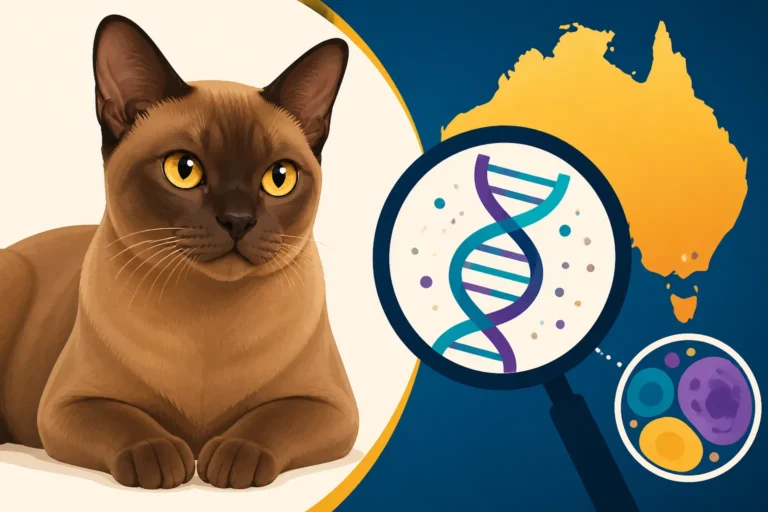
While the Burmese is generally a robust breed, like all purebreds, they do carry a predisposition to certain genetic conditions. Being aware of these and taking proactive steps can make a monumental difference in their health and longevity. It's not about being alarmist, but about being informed and empowered as an owner. Knowing Which Diseases the Burmese Actually Carries allows you to work closely with your vet and breeder.
The Shadow of Diabetes in Burmese Cats
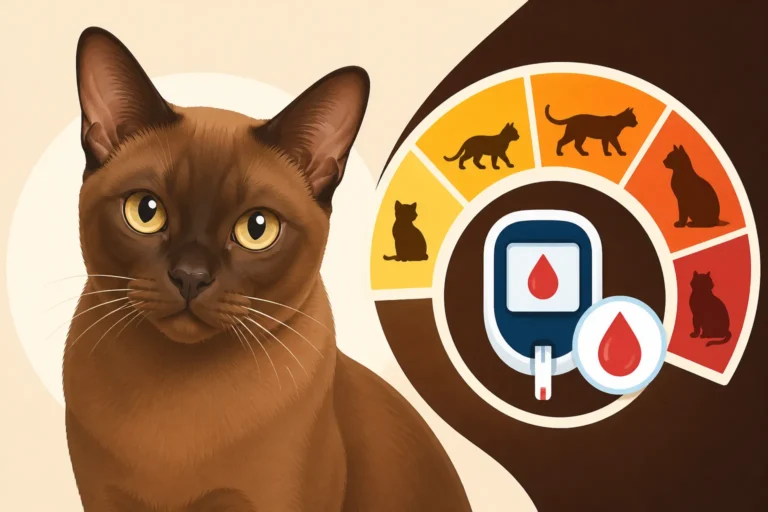
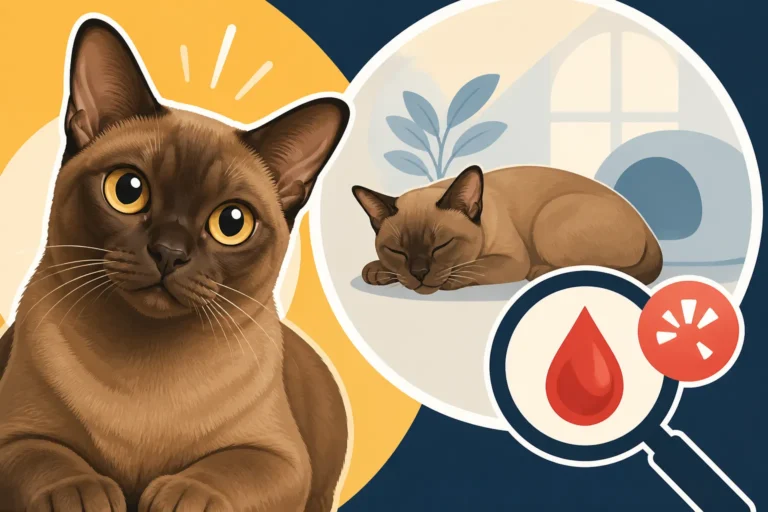
One of the most significant health concerns for Burmese cats is their elevated risk of developing diabetes mellitus. It's a truth that can be hard to swallow, but research has consistently shown that "Why a Burmese Is Four Times More Likely to Become Diabetic" is rooted in their genetics. This means that while lifestyle factors like diet and weight play a huge role, there's an underlying susceptibility that owners need to be acutely aware of from day one.
Burmese diabetes often manifests later in life, typically in middle to senior years, but it can strike earlier, especially in overweight or sedentary cats. Uncontrolled diabetes can lead to severe complications, including nerve damage, kidney issues, and overall systemic decline, significantly impacting their quality of life and ultimately shortening their lifespan. The good news is that with early diagnosis and diligent management – often involving insulin injections and dietary changes – many diabetic Burmese can live long, fulfilling lives. It simply requires a heightened level of commitment and vigilance from their human companions.
Hypokalemia and Other Inherited Conditions
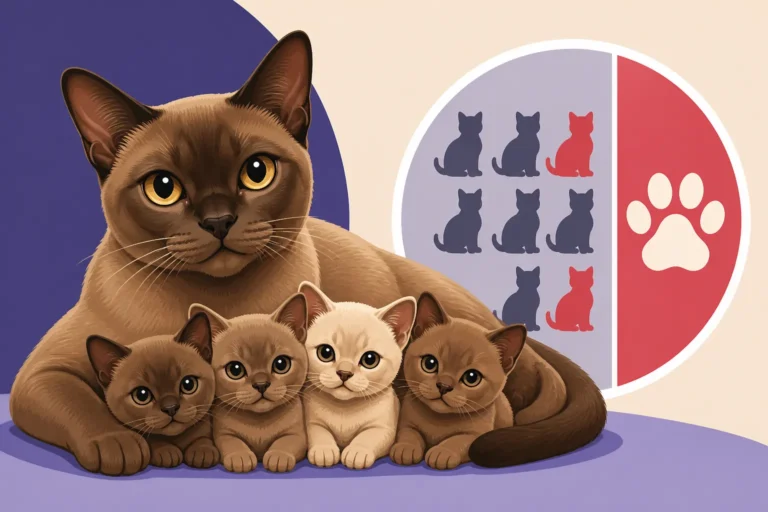
Beyond diabetes, another inherited condition that can impact a Burmese cat's health, particularly in their younger years, is hypokalemia. This is a periodic muscle weakness caused by low potassium levels. "Hypokalemia Is the Burmese Disease With a DNA Test," which is fantastic news for responsible breeders and prospective owners, as it allows for screening to prevent affected kittens. While it can be frightening to witness an episode where your cat can't lift its head or walk properly, with appropriate veterinary intervention, often involving potassium supplementation, most cats recover well. However, severe or untreated episodes can lead to serious complications.
Other inherited conditions, though less common, can include certain types of congenital heart disease (HCM), although the Burmese is not as notoriously affected as some other breeds. There have also been instances of head defects (a lethal recessive condition) and flat-chested kitten syndrome, though dedicated breeders work tirelessly to screen for and eliminate these from their lines. It highlights the absolute importance of choosing a reputable breeder who conducts thorough health screenings and DNA testing for their breeding cats.
Why Genetic Testing Matters
Understanding these genetic predispositions isn't meant to instill fear, but to emphasize the power of prevention and early detection. This is where genetic testing becomes an invaluable tool. For conditions like hypokalemia, a simple DNA test can identify carriers and affected cats, allowing breeders to make informed decisions and avoid passing on the gene. "What a Burmese Breeder Must Test Before Any Mating" typically includes a panel that screens for these known inherited issues.
As a prospective owner, don't hesitate to ask your breeder about the health testing they conduct on their breeding stock. A responsible breeder will be transparent, provide certificates, and be able to discuss the health history of their lines. This due diligence on your part can significantly reduce the risk of bringing home a kitten predisposed to severe, life-limiting genetic conditions. While genetic testing can't predict every illness, it eliminates many of the known risks, giving your Burmese the best possible start and a strong foundation for a long, healthy life.
The Crucial Role of Diet and Weight Management
Ask any Burmese owner, and they'll likely tell you their cat is a champion eater. These affectionate felines often have an insatiable appetite, which, while endearing, can be a double-edged sword when it comes to their health. Given their genetic predisposition to diabetes, what you put in their bowl is not just a meal; it's a medical decision.
Preventing Diabetes Through Smart Nutrition
For a Burmese, diet is arguably the single most powerful tool an owner has in managing their health, especially concerning diabetes risk. These cats thrive on a diet that is high in protein, moderate in fat, and, critically, very low in carbohydrates. Commercial dry kibble, unfortunately, is often laden with carbohydrates that can spike blood sugar levels, putting undue strain on the pancreas over time. This is "Why Portion Control Is Medical Care in a Burmese," not just a way to keep them svelte.
Transitioning to a high-quality wet food diet, or even a balanced raw diet, that meets these nutritional criteria is often recommended. Look for foods that list meat as the first ingredient and avoid those with excessive grains, fruits, or vegetables. Regularly checking the carbohydrate percentage (which isn't always obvious on labels) is crucial. Splitting their daily measured ration into two or three smaller meals can also help stabilize blood sugar throughout the day, preventing those dramatic peaks and troughs that contribute to insulin resistance. Making these conscious dietary choices from a young age can significantly reduce the likelihood of your Burmese developing diabetes later in life.
The Dangers of Obesity for Burmese Health
Beyond the direct link to diabetes, obesity in any cat, but especially a Burmese, is a gateway to a host of other health problems that can shorten their lifespan. Overweight cats are more prone to joint issues, heart disease, liver problems (like hepatic lipidosis if they stop eating suddenly), and even certain types of cancer. It simply puts an immense strain on their entire system.
Because Burmese cats are naturally muscular and compact, they can often carry extra weight without looking "fat" in the traditional sense, making it harder for owners to spot the problem. This is why learning "How to Weigh a Burmese Accurately at Home" and monitoring their body condition score regularly is so vital. You should be able to easily feel their ribs without pressing hard, and they should have a discernible waist when viewed from above. If your Burmese is starting to look a bit rounder, or you can’t easily feel their ribs, it’s time to consult your vet about a safe, gradual weight loss plan. It’s a loving act to say "no" to that extra treat, as you're truly safeguarding their health and ensuring they remain with you for as long as possible.
Proactive Veterinary Care and Daily Routines
Beyond genetics and diet, consistent, thoughtful care on a daily basis and through regular veterinary visits forms the bedrock of a long and healthy life for your Burmese. These aren’t just chores; they’re essential expressions of your commitment to their well-being.
Regular Check-ups and Preventative Screenings
Your Burmese cat, even if they seem perfectly healthy, needs regular veterinary check-ups. For kittens, this means a series of visits for vaccinations and initial health screenings. For healthy adults, an annual check-up is typically sufficient, but as they age, biannual visits might be recommended. These appointments aren't just for shots; they're an opportunity for your vet to perform a thorough physical examination, check for any subtle changes, and discuss preventative care.
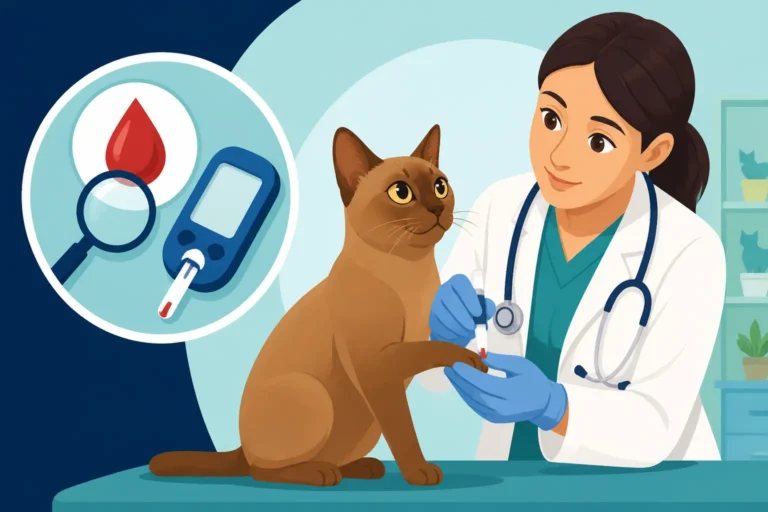
During these visits, your vet can screen for early signs of common Burmese ailments. For instance, they might recommend routine bloodwork, including glucose checks, as your Burmese approaches middle age, given their diabetes risk. Early detection of issues like kidney disease, thyroid problems, or dental disease can lead to interventions that significantly improve outcomes and extend their healthy years. Don't underestimate the power of these routine visits; "Why a Burmese Hides Illness Behind Its Affection" is a common trait, and your vet's trained eye might spot something you missed. Also, discussions about appropriate flea, tick, and worming prevention are crucial, especially if your cat has any outdoor access, even supervised.
Maintaining Oral Health
One often-overlooked aspect of feline health that has a profound impact on overall well-being and lifespan is dental care. Burmese cats, unfortunately, are often prone to gum disease and tooth resorption, which can start surprisingly early in their lives. Untreated dental disease isn't just about bad breath; it can lead to pain, difficulty eating, and bacteria from infected gums can enter the bloodstream, affecting vital organs like the heart, kidneys, and liver.
Ideally, you should aim to brush your Burmese’s teeth a few times a week, if not daily, starting from kittenhood to get them accustomed to it. This takes patience and positive reinforcement, but it can be incredibly effective. Even if daily brushing isn't feasible, incorporating dental treats, water additives, or specialized dental diets can help. However, regular professional dental cleanings under anesthesia, as recommended by your vet, are often necessary. "How Often a Burmese Needs a Dental" will depend on their individual oral health, but many will require at least one or two cleanings in their lifetime, and some more frequently as they age. Don’t let fear of anesthesia deter you; a healthy mouth is crucial for a healthy cat.
Creating a Stimulating and Secure Environment
A long lifespan isn't just about avoiding illness; it's about thriving. Burmese cats are incredibly intelligent, social, and active creatures, and a stimulating environment is key to their mental and physical well-being. A bored or lonely Burmese can develop behavioral issues, stress, and even become destructive. Provide plenty of vertical space with cat trees and shelves, offer a variety of interactive toys, and dedicate time each day for play sessions. Puzzle feeders are also excellent for engaging their minds and slowing down their eating.
Because of their trusting and outgoing nature, Burmese cats are generally best kept as indoor-only pets unless they have access to a secure "catio" or are leash-trained and closely supervised outdoors. Their lack of fear and tendency to greet strangers makes them vulnerable to traffic accidents, theft, or altercations with other animals if left to roam freely. A safe, enriching home environment, coupled with plenty of human interaction – perhaps even a compatible feline companion – will contribute enormously to their happiness and longevity. When planning for their health, consider exploring options like Healthy Paws pet insurance, which can help cover unexpected accidents or illnesses, allowing you to focus on providing the best care without financial stress.
Caring for Your Senior Burmese Cat
Just like us, cats experience changes as they age, and our beloved Burmese are no exception. While they often retain their kittenish charm and playful spirit well into their golden years, understanding and adapting to their evolving needs is crucial for ensuring their continued comfort and health. This stage of life often involves a shift from proactive prevention to supportive care.
Recognizing the Signs of Aging
For a Burmese, "When a Burmese Counts as Senior" typically starts around 10-12 years old, although some won't show significant signs until much later. Initially, these changes can be subtle. You might notice they sleep more, their play sessions become shorter, or they might not jump quite as high as they used to. Their once glossy, satin coat might lose some of its luster, or their eyes might start to cloud slightly.
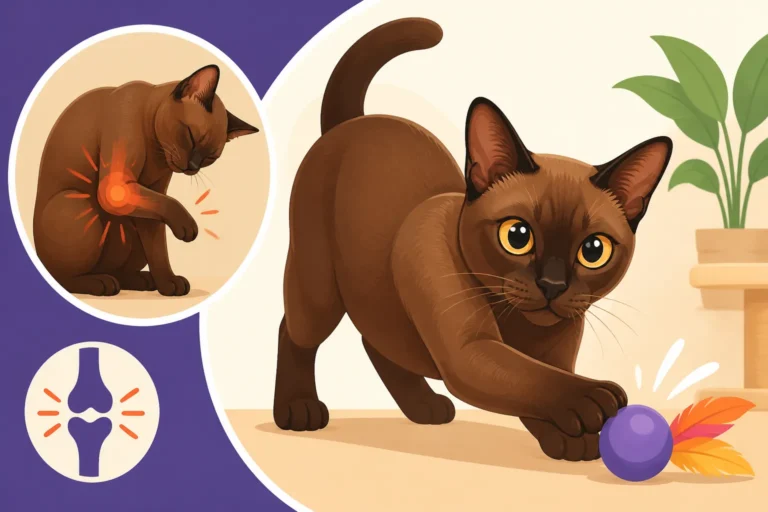
More concerning signs include changes in appetite or water intake, weight loss or gain, increased vocalization, or reluctance to use the litter box. Pay close attention to subtle shifts in behavior. An older Burmese might become a little more withdrawn, or conversely, more clingy. Any significant change warrants a vet visit, as these could be early indicators of underlying health issues like kidney disease, hyperthyroidism, arthritis, or even cognitive dysfunction. Early intervention for these conditions can significantly improve their quality of life in their later years.
Adjusting Care for Golden Years
"Caring for a Burmese Past Twelve" often means making a few adjustments to their routine and environment to keep them comfortable. As arthritis becomes more common, provide easy access to their favorite sleeping spots, food, and litter boxes. Ramps or steps can help them reach elevated perches, and lower-sided litter boxes can ease discomfort. Heated beds can be a godsend for aging joints, especially for a short-coated breed like the Burmese who feels the cold more acutely.
Dietary needs can also change. Some senior Burmese might need a diet tailored for kidney health, while others might benefit from higher protein to maintain muscle mass. Their sense of smell and taste can diminish, so warming up their wet food or adding a touch of low-sodium broth might encourage them to eat. Regular vet check-ups, potentially twice a year, become even more vital to monitor organ function (especially kidneys and thyroid), manage pain, and catch new conditions early. When facing the potential for increased vet visits and specialized care in their senior years, having comprehensive pet insurance like that offered by Healthy Paws can be a tremendous relief, ensuring you can always make decisions based on your cat's best interest, not your wallet.
Maintaining Quality of Life
The goal in the senior years is always to maintain the highest possible quality of life. This means not just managing physical ailments but also ensuring their emotional well-being. Continue to engage with them through gentle play, petting, and quiet companionship. Even if they're not as energetic, an old Burmese still wants a lap and cherishes interaction. Keep their environment consistent and predictable, as changes can be more stressful for older cats.
Pain management is a crucial aspect of senior care. Many older cats suffer from osteoarthritis, and while they might not cry out, subtle changes in movement or demeanor can indicate discomfort. Your vet can prescribe safe pain relief options that will significantly improve their comfort and mobility. The decision to prioritize quality of life above all else is perhaps the most profound aspect of senior pet ownership. It’s about ensuring their remaining time is filled with comfort, love, and dignity, making every precious moment count. Remember to factor in these potential needs when considering insurance; policies from providers like Healthy Paws can help with diagnostic tests, medications, and ongoing treatments for age-related conditions.
Disclaimer
This article is intended for informational purposes only and does not constitute veterinary advice. Always consult with a qualified veterinarian for any health concerns or before making any decisions about your pet's medical care.