How Many Burmese Litters Carry the Defect
The heartbreaking reality of certain genetic conditions can cast a long shadow over the joy of bringing a new kitten into your home. When it comes to the Burmese, a specific concern that many potential owners and dedicated breeders grapple with is Burmese Head Defect, also known as Congenital Craniofacial Anomaly. This guide aims to shed light on how this devastating recessive condition impacts Burmese litters, exploring the genetics behind it, the role of carrier cats, and the vital importance of responsible breeding practices to minimize its occurrence.
Understanding Burmese Head Defect: A Lethal Recessive Condition
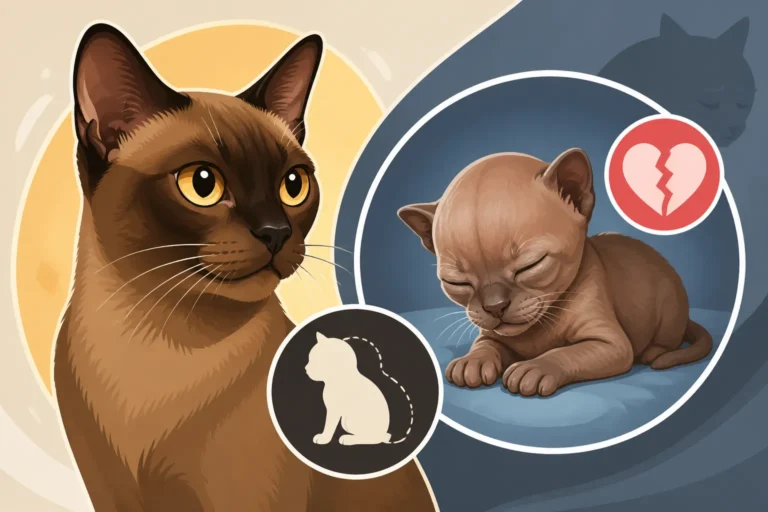
Burmese Head Defect is a serious genetic disorder that, sadly, is lethal to affected kittens. It's not a visible defect at birth in all cases, but the underlying issues are profound and often incompatible with life. The condition specifically impacts the development of the skull and facial bones, leading to severe malformations that prevent normal function and survival.
The Devastating Impact on Affected Kittens
Imagine the distress of a breeder or owner discovering a kitten born with severe craniofacial abnormalities. Kittens affected by Burmese Head Defect can exhibit a range of issues, from severely malformed craniums and facial bones to cleft palates and other developmental anomalies. These kittens often struggle to nurse, breathe, or simply exist. The severity of these defects means that such kittens usually do not survive, often being stillborn or passing away within days of birth. This is why understanding Why Burmese Head Defect Kittens Do Not Survive is so crucial for anyone involved with the breed. The outcome is universally tragic, causing immense emotional pain for those who witness it.
The Recessive Nature of the Gene
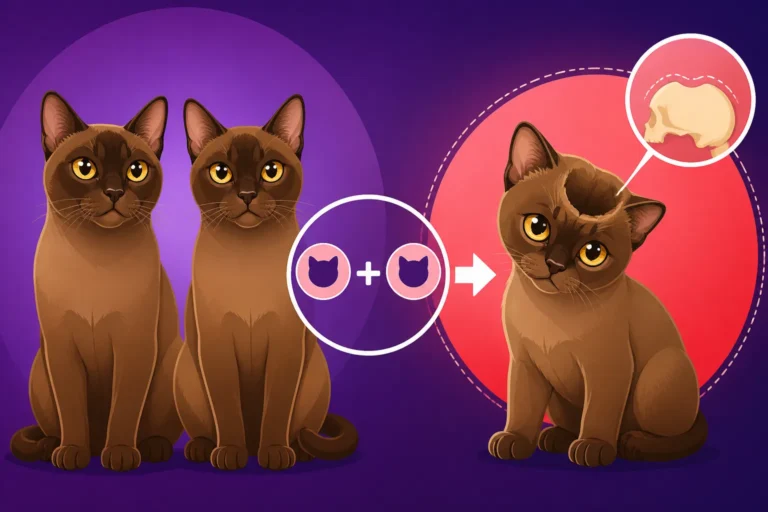
This particular defect is inherited in an autosomal recessive manner. What does that actually mean for our beloved Burmese cats? Simply put, for a kitten to be affected by Burmese Head Defect, it needs to inherit two copies of the faulty gene – one from its mother and one from its father. Cats that inherit only one copy of the gene are called "carriers." These carriers appear completely healthy and normal themselves, showing no outward signs of the condition, which makes them silent vectors if not properly identified through genetic testing. The journey to understand this inheritance pattern and identify the specific gene involved has been a testament to veterinary genetic research, revealing How Burmese Head Defect Was Traced to a Recessive allele.
The Silent Carriers: Why Genetic Testing is Crucial
The existence of healthy carriers is both the challenge and the key to managing Burmese Head Defect within the breed. Because a carrier cat shows no symptoms, an unsuspecting breeder could inadvertently mate two carriers, leading to devastating consequences for their kittens. This highlights the indispensable role of genetic testing in responsible breeding programs.
Identifying Carrier Cats Through DNA Testing
Thankfully, scientific advancements have provided breeders with a powerful tool: a specific DNA test to identify carriers of the Burmese Head Defect gene. This means a simple cheek swab or blood sample can reveal whether a cat carries the recessive allele. This test is readily available, allowing breeders to make informed decisions before any mating takes place. Knowing Whether a Burmese Head Defect Test Exists empowers them to prevent the birth of affected kittens entirely. The results are clear: a cat will either be "clear" (no copies of the gene), a "carrier" (one copy), or "affected" (two copies, though affected kittens rarely survive to be tested).
Prevalence of the Carrier Gene in the Population
The prevalence of carriers for Burmese Head Defect can vary depending on the specific bloodlines and geographical regions, but historically, it has been present in various Burmese populations. While exact global figures for carrier percentages are fluid and constantly shifting due to diligent breeding efforts, the potential for carrier cats to exist in any breeding program remains. Without widespread, consistent testing, these carriers can continue to pass on the gene unknowingly. This is why transparency from breeders about their genetic testing results is so important.
A significant investment in genetic testing, alongside appropriate veterinary care, is a commitment that responsible breeders readily undertake. The cost of a full genetic panel is often overlooked by new owners, but it's an upfront expense that saves heartache later. Considering What a Full Burmese Genetic Panel Costs is an important part of understanding the effort involved in producing healthy kittens.
From Carriers to Affected Litters: The Numbers Game
The question of "How Many Burmese Litters Carry the Defect" is complex, as it hinges entirely on breeding practices. In an ideal world, with universal genetic testing and responsible mating decisions, the number of litters containing affected kittens should be zero. However, the reality involves probabilities when carrier cats are involved in breeding.
The Probability of Affected Kittens
Let's break down the genetics with a simple Punnett square. We'll denote the normal gene as 'N' and the defective gene as 'n'.
| N (from Carrier Parent 1) | n (from Carrier Parent 1) | |
|---|---|---|
| N (from Carrier Parent 2) | NN (Clear) | Nn (Carrier) |
| n (from Carrier Parent 2) | Nn (Carrier) | nn (Affected) |
This table illustrates the outcome of a mating between two carrier cats (Nn x Nn):
- 25% of kittens (NN) will be genetically clear, meaning they do not have the defective gene and cannot pass it on.
- 50% of kittens (Nn) will be carriers, just like their parents. They appear healthy but carry one copy of the defective gene.
- 25% of kittens (nn) will be affected by Burmese Head Defect. These are the kittens that will suffer from the severe malformations.
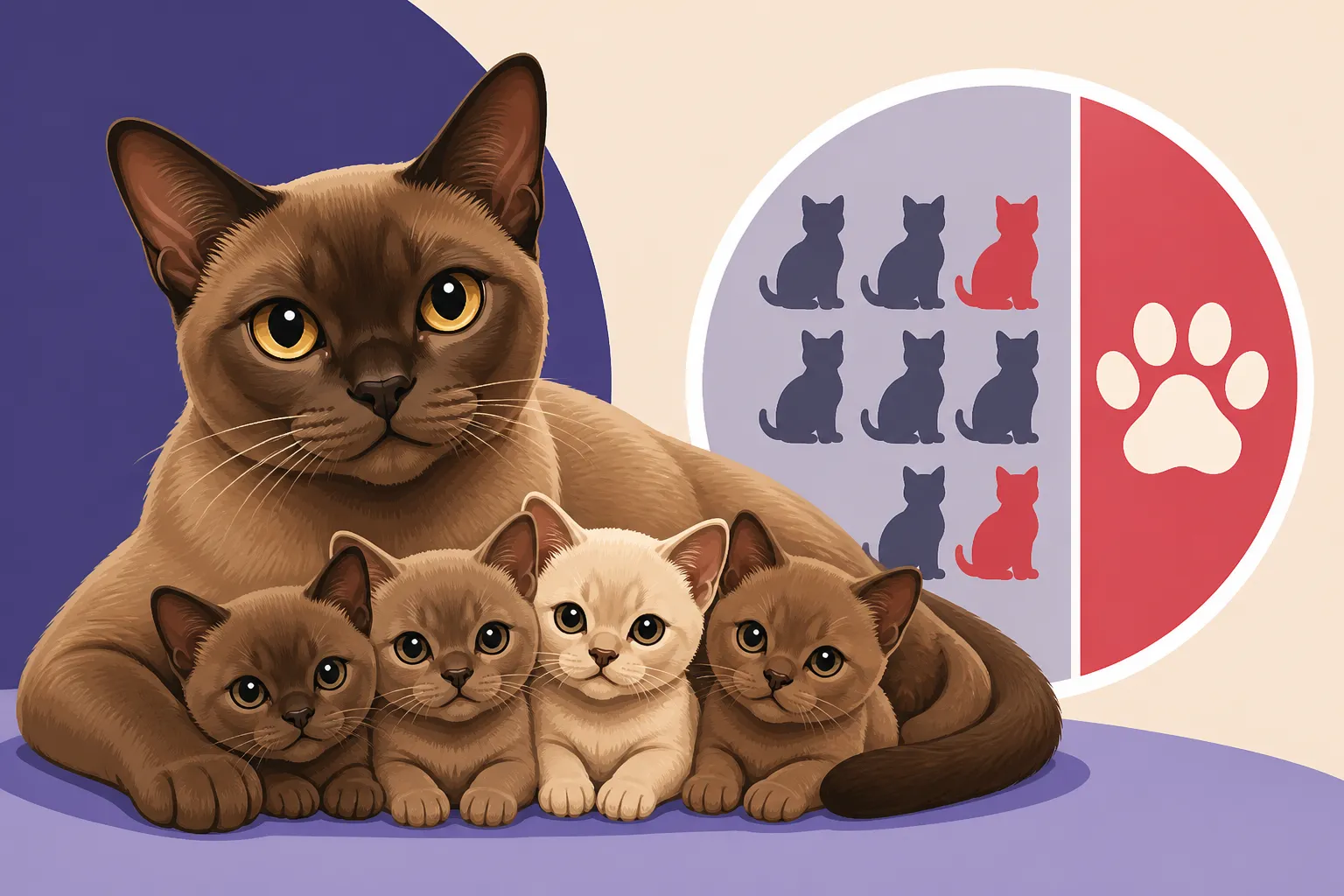
So, if two carriers are mated, every litter from that pairing has a 25% chance for each kitten to be affected. This means, on average, one in every four kittens in such a litter will tragically manifest the defect. Therefore, any litter born from two carrier parents "carries the defect" in the sense that it has a high probability of containing affected individuals. This is the precise reason Why Two Copies Are Needed for Burmese Head Defect to manifest.
The Impact of Responsible Breeding
The good news is that these tragic outcomes are entirely preventable. Responsible breeders who understand What a Burmese Breeder Must Test Before Any Mating meticulously test their breeding cats for the Burmese Head Defect gene. Once a cat's status is known, breeders can plan matings to ensure no affected kittens are produced.
Here's how ethical breeding practices eliminate affected litters:
- Clear x Clear: All kittens will be clear (NN). No carriers, no affected kittens.
- Clear x Carrier: Approximately 50% of kittens will be clear (NN) and 50% will be carriers (Nn). No affected kittens (nn) will be born. This is an acceptable breeding practice as it allows valuable genetics to be preserved while systematically reducing the number of carriers in future generations by only breeding the clear offspring.
- Carrier x Carrier: As shown above, 25% of kittens will be affected (nn). Responsible breeders never make this pairing.
Therefore, the number of Burmese litters that actually contain affected kittens should be extremely low, or ideally nonexistent, if all breeders consistently test and adhere to these guidelines. Any litter found to contain an affected kitten is a clear indication that at least one, and most likely both, parents were untested carriers. The financial and emotional toll of managing genetic diseases is also a factor, making proper screening invaluable – it's why an organization like Healthy Paws focuses on pet health from a preventive standpoint.
Safeguarding Future Generations: The Breeder's Role
Ultimately, the health and future of the Burmese breed lie in the hands of its dedicated breeders. Their commitment to genetic testing and transparent practices directly impacts how many litters "carry the defect" in any meaningful, detrimental way.
How Breeders Prevent Defective Litters
Responsible breeders go above and beyond to ensure the health of their lines. They use the available DNA test to determine the genetic status of every cat in their breeding program. By strictly avoiding carrier-to-carrier matings, they completely eliminate the risk of producing kittens affected by Burmese Head Defect. This proactive approach is fundamental to How a Burmese Breeder Avoids the Head Defect. They understand that the momentary cost of a genetic test is incomparable to the lifetime of potential health issues or the heartbreak of an affected kitten. These breeders often provide documentation of parental testing to prospective buyers, offering peace of mind.
The Importance of Pedigree and Transparency
Prospective kitten owners should always inquire about the genetic health testing of the parents, specifically asking about Burmese Head Defect status. Reputable breeders are transparent about their health clearances and will gladly share results. They understand the importance of openly declaring Which Diseases a Burmese Breeder Must Declare to ensure the integrity of their lines and the well-being of the kittens. Pedigree research can also offer insights into a cat's ancestral health, though direct genetic testing of the parents is the most reliable method.
Even with the best intentions, unexpected issues can arise, making robust pet insurance a valuable consideration. While specific pre-existing conditions like congenital defects might have limitations, a comprehensive policy from providers like Healthy Paws can offer broader coverage for other health challenges that may emerge throughout a cat's life.
The Goal: A Future Free of Affected Litters
The overarching goal for the Burmese breed is to significantly reduce, and ideally eradicate, the occurrence of Burmese Head Defect in litters. Through widespread genetic testing, responsible breeding decisions that prioritize health over all else, and ongoing education within the breeding community, this goal is entirely achievable. Every clear breeding pair means one less litter with the potential for affected kittens. Understanding What a Burmese Head Defect Kitten Looks Like reinforces the severe nature of this condition and the necessity of prevention. By continuing to test and make informed choices, breeders ensure that the delightful and affectionate Burmese cats we cherish continue to thrive for generations, free from this devastating genetic burden. The careful practices of breeders ensure the long-term health of the breed, helping to maintain their reputation as cherished companions.
Disclaimer
Please note that this article provides general information about Burmese Head Defect. For specific advice regarding your cat's health or breeding practices, always consult with a qualified veterinarian or a reputable Burmese breed expert. Genetic testing results should always be interpreted by professionals.