Which Diseases a Burmese Breeder Must Declare
It’s a truly frustrating experience, isn't it, when you’re looking for a new kitten, full of excitement, and suddenly realize you’re wading through a swamp of information – or worse, lack of information – about their health? You want to bring home a healthy, happy Burmese, but how do you know what questions to ask and what information a responsible breeder should be providing? This guide is here to shed light on precisely which diseases and health considerations a reputable Burmese breeder must declare, helping you feel confident and informed in your search.
Non-Negotiable Genetic Conditions Breeders Must Test For
When you're bringing a purebred cat like a Burmese into your home, you're not just getting a fluffy companion; you're often inheriting a genetic legacy, for better or worse. Reputable breeders understand this deeply and take proactive steps to ensure the health of their lines. This means openly declaring the status of their breeding cats regarding specific genetic diseases that are known to affect the Burmese. These aren't just "nice-to-haves" for a breeder; they are absolute essentials.
Hypokalemia: The WNK4 Mutation
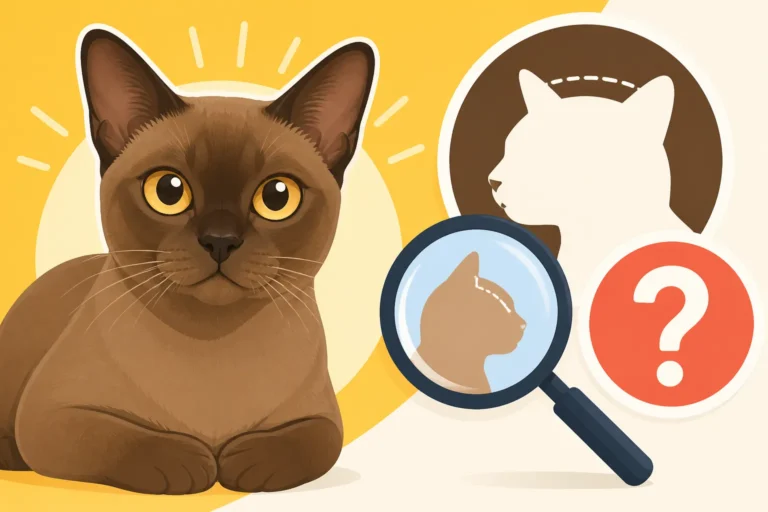
One of the most significant genetic conditions that a Burmese breeder must declare is Hypokalemia, sometimes called Familial Episodic Hypokalemic Polymyopathy. This isn't just a minor issue; it's a serious inherited disorder that can cause severe muscle weakness, particularly in young kittens and adolescent cats. Imagine your vibrant, playful kitten suddenly struggling to lift its head, developing a strange, stiff gait, or even collapsing – that's what a hypokalemic episode can look like. It's truly heartbreaking to witness. The hallmark sign, often dubbed the "Meerkat Neck That Tells You a Burmese Has Hypokalemia", is a kitten unable to hold its head up, looking around like a meerkat on alert.
This condition is caused by a specific gene mutation, known as the WNK4 mutation. It's inherited in an autosomal recessive pattern, which means a kitten needs to inherit a copy of the mutated gene from both parents to be affected. Cats with only one copy of the mutation are "carriers" – they don't show symptoms themselves but can pass the gene on. This is precisely why genetic testing of all breeding cats is absolutely critical. A responsible breeder will have performed a DNA test on both the mother and father of any litter to confirm their status (clear, carrier, or affected, though affected cats should never be bred). They should be able to show you certificates proving that both parents are clear of the WNK4 mutation, or, if a parent is a carrier, that it has only been bred to a cat that is genetically clear. This adherence to testing prevents the heartbreaking scenario of unknowingly producing affected kittens. Ignoring this fundamental step puts kittens at severe risk, and it’s why a breeder should be fully transparent about these results. You should always ask to see the official documentation for How the Burmese Hypokalemia Test Is Read.
GM2 Gangliosidosis: A Lethal Neurological Disorder
Another devastating genetic condition that a Burmese breeder must declare, and ideally screen for, is GM2 Gangliosidosis. This is an incredibly severe neurological disorder that sadly leads to progressive degeneration of the nervous system. Affected kittens typically appear normal at birth, but by three to five months of age, they start to show signs like tremors, balance issues (ataxia), weakness, and a loss of coordination. It's truly agonizing to watch a once-normal kitten progressively lose its ability to move, eat, and even recognize its surroundings. The disease is relentless, and there is no cure, leading to euthanasia typically by the age of 8-10 months.
Like Hypokalemia, GM2 Gangliosidosis is inherited in an autosomal recessive manner. This means if both parents are carriers, there's a 25% chance in each litter that a kitten will inherit two copies of the mutated gene and develop the disease. A responsible breeder, therefore, absolutely needs to know the genetic status of their breeding cats. They should be testing for this mutation to ensure they don't breed two carriers together. The declaration here is not just about the parents' status, but about the breeder's commitment to eradicating such a severe disease from their lines. If a breeder has a carrier cat, they should only breed it with a genetically clear cat, ensuring no kittens will ever be affected, though some may still be carriers. Understanding What GM2 Gangliosidosis Does to a Burmese Kitten can help you appreciate the gravity of this declaration.
Important Inherited Health Risks to Disclose
Beyond the non-negotiable genetic tests, there are other inherited health predispositions and conditions that, while perhaps not requiring a definitive DNA certificate for every cat, a truly ethical and transparent Burmese breeder will discuss openly. These are part of the broader health picture of the breed and demonstrate a breeder's long-term commitment to improving breed health.
The High Risk of Diabetes Mellitus
It's a stark reality that Burmese cats, particularly those of Australian and European lines, have a significantly higher risk of developing Type 2 Diabetes Mellitus than other breeds. In fact, research suggests that Why a Burmese Is Four Times More Likely to Become Diabetic compared to other cat breeds. This isn't a condition that kittens are born with, but rather one they can develop later in life, often influenced by genetics, diet, and lifestyle (especially weight). While there isn't a single genetic test that definitively predicts diabetes risk in the same way as for Hypokalemia or GM2, a breeder's declaration about the incidence of diabetes in their lines is incredibly valuable.
A responsible breeder should be able to discuss the general health history of their breeding cats' ancestors, including any cases of diabetes. They might not have a formal "certificate," but they should be transparent about whether diabetes has appeared in the grandparents, great-grandparents, or siblings of their breeding cats. This helps you understand the inherent predisposition your kitten might have. They should also be educating you on preventative measures, especially concerning diet and weight management, which are crucial for minimizing this risk. Knowing this information upfront allows you to make informed decisions about your kitten's care and diet from day one, potentially delaying or even preventing the onset of diabetes. For instance, if you notice your Burmese drinking significantly more water, it's a red flag that warrants immediate veterinary attention and diagnostic testing, as detailed in How a Vet Confirms Diabetes in a Burmese.
Flat Chested Kitten Syndrome FCKS
Flat Chested Kitten Syndrome (FCKS) is a condition that affects kittens from birth or shortly thereafter, where the rib cage flattens, sometimes severely. The severity can vary greatly; some kittens experience only mild flattening and recover fully, while others have severe compression of their lungs and heart, leading to respiratory distress and, sadly, often death. It’s a terrifying thing to witness in a tiny kitten, struggling to breathe.
While the exact genetic mechanism of FCKS is not fully understood, there is evidence to suggest a hereditary component in some lines. An ethical breeder should be completely transparent if FCKS has ever occurred in their litters or in the lines they are using. This isn't necessarily a "deal-breaker" in the same way as a lethal genetic disease might be, especially if the breeder has taken steps to understand the incidence and has not repeated pairings that produced severely affected kittens. However, the declaration allows you to be aware and to ask informed questions about previous litters, the breeder's management strategies, and what to look for if you were to encounter it. It shows a commitment to honesty and continuous improvement of their breeding program. For instance, understanding What Flat Chested Kitten Syndrome Does to a Burmese and Whether a Flat Chested Burmese Kitten Recovers can help you gauge the severity and implications.
Due Diligence Beyond Declarations
Even with the most honest and transparent breeder, your journey to bringing home a healthy Burmese kitten doesn't end with their declarations. You, as the prospective owner, have a vital role to play in due diligence. This means asking probing questions, understanding contractual agreements, and being prepared for the long-term commitment of owning a beloved Burmese.
Verifying Health Guarantees and Contracts
A reputable Burmese breeder will always provide a written contract and a health guarantee with your kitten. This isn't just a formality; it's a crucial document that outlines the responsibilities of both the breeder and the buyer. The health guarantee should explicitly state what conditions are covered, for how long, and what recourse you have if your kitten develops a covered illness within that timeframe. For genetic diseases like Hypokalemia and GM2 Gangliosidosis, the guarantee should ideally cover a significant period, often the first year or two of life, reflecting the onset times of these conditions. Always ask What a Burmese Breeder Must Test Before Any Mating and confirm those tests are reflected in the guarantee.
It's critical to read this document very carefully. Don't be afraid to ask for clarification on any clauses that seem vague or ambiguous. For example, does it cover veterinary costs, or merely require the return of the cat for a replacement? What are the conditions for a claim? Understanding the nuances of your contract can prevent major headaches and heartache down the road. While a health guarantee is excellent, it's also wise to consider independent pet insurance from providers like Healthy Paws. Pet insurance can provide a safety net for unexpected illnesses or accidents that might fall outside a breeder's guarantee, or for conditions that develop much later in life, like diabetes. Thinking about this comprehensive protection early on ensures you're prepared for any eventuality.
Essential Questions for Any Reputable Burmese Breeder
Beyond the specific health declarations, there's a wealth of information a good breeder will happily share, and you should be proactive in asking. Think of it as an interview both ways – you're interviewing them as much as they are interviewing you to ensure a good home for their kittens.
- Proof of Genetic Testing: Don't just take their word for it. Ask to see actual copies of the genetic test results for both parents (and potentially grandparents) for Hypokalemia, GM2 Gangliosidosis, and any other relevant breed-specific tests. These results should come from a recognized veterinary genetic testing laboratory.
- Veterinary Records: Ask about the kitten's vet checks, vaccinations, and deworming schedule. A healthy kitten will have had several vet visits before coming home to you.
- Cattery Environment: Inquire about the living conditions of the cats. Are they raised in a clean, stimulating home environment? Do the kittens interact with the family? This plays a huge role in their socialization and overall well-being.
- Socialization Practices: A well-socialized Burmese kitten is a confident and loving companion. Ask how the kittens are handled, exposed to household noises, and introduced to different people.
- Diet: What are the kittens currently eating? A responsible breeder will start you off with clear dietary guidelines, ideally emphasizing a low-carbohydrate, high-protein wet food diet to help mitigate the risk of diabetes later in life.
- Return Policy/Support: What is their policy if, for unforeseen circumstances, you are unable to keep the cat? A good breeder will always want their cats returned to them, no questions asked, ensuring they never end up in shelters. They should also be a lifelong resource for advice and support.
- Breed Specific Issues: Ask if there are any other conditions that have appeared in their specific lines, even if rare. A truly honest breeder will discuss Which Diseases the Burmese Actually Carries generally and specifically within their cattery.
Even if you're considering a rescue Burmese, it's worth asking for any available health history, and proactively discussing with your vet about screening for common Burmese issues. For example, Why a Rescue Burmese Should Still Be Tested for genetic conditions or common predispositions. This proactive approach ensures you're ready for whatever joys and challenges your new feline friend may bring.
Common Burmese Health Conditions: At a Glance
To help consolidate the critical information, here's a table summarizing the key diseases a Burmese breeder must declare or openly discuss:
| Condition | Type of Issue | Inheritance Pattern | Breeder's Responsibility | Why it Matters |
|---|---|---|---|---|
| Hypokalemia | Genetic, Neuromuscular | Autosomal Recessive | DNA test all breeding cats (clear, carrier, affected). Only breed clear to clear, or clear to carrier. Never breed carrier to carrier. | Prevents severe, episodic muscle weakness, "meerkat neck," and potential collapse. Ensures no affected kittens are born. |
| GM2 Gangliosidosis | Genetic, Neurological | Autosomal Recessive | DNA test all breeding cats. Never breed carrier to carrier. | Prevents fatal neurodegeneration in kittens (3-10 months of age), causing tremors, ataxia, and eventual euthanasia. |
| Diabetes Mellitus | Inherited Predisposition | Polygenic (complex) | Openly discuss diabetes incidence in their lines. Educate buyers on preventative diet/weight management. | Burmese are highly predisposed. Early awareness allows for preventative care (diet, weight control) to reduce the risk of this serious, lifelong condition. |
| Flat Chested Kitten Syndrome (FCKS) | Congenital, Developmental | Potentially Hereditary | Transparency if FCKS has occurred in past litters/lines. Willingness to discuss severity and outcomes. | Affects rib cage development, impacting breathing. Can range from mild (recovery) to severe (fatal). Transparency helps buyers understand potential risks. |
Disclaimer
The information provided in this article is for general informational purposes only and does not constitute veterinary advice. Always consult with a qualified veterinarian for any health concerns or before making any decisions related to your pet's health or treatment.