Why Burmese Lifespan Figures Are Unusually Good
It's heartbreaking to think about how short our beloved pets' lives often feel, especially when you bring a tiny kitten home and know you have limited time with them. Many cat breeds come with a laundry list of potential health issues that can unfortunately cut their lives tragically short. But if you've done your research on Burmese cats, you might have noticed something rather remarkable: their lifespan figures are unusually good, often stretching well into their late teens and sometimes even beyond. This guide will explore the unique combination of genetics, dedicated care, and lifestyle factors that contribute to the Burmese's impressive longevity, giving you a realistic picture of what to expect and how to foster a long, healthy life for your own cherished companion.
The Burmese Genetic Advantage
When you look at the Burmese cat, it's easy to be charmed by their sleek coats, expressive eyes, and incredibly affectionate nature. But beneath that captivating exterior lies a genetic heritage that, in many ways, sets them up for a remarkably long life compared to many other purebred cats. It’s not just luck; it’s a story rooted in careful development and ongoing breeder dedication.
A Relatively Small Gene Pool, Carefully Managed
The modern Burmese cat breed has a fascinating origin story, tracing back to a single cat named Wong Mau, brought to the United States in the 1930s. Dr. Joseph Thompson, the breeder who acquired Wong Mau, embarked on a meticulous breeding program that was, by necessity, quite controlled. This meant that the gene pool, while initially small, was also carefully documented and managed from the very beginning. This wasn't a situation where countless unknown cats were suddenly thrown into a breeding program; it was a deliberate, scientific endeavor.
This foundational work has carried forward through generations of responsible breeders. Instead of widespread, uncontrolled breeding that can inadvertently introduce and amplify genetic weaknesses, many Burmese breeders have maintained a strong focus on health. They understand the importance of genetic diversity within their lines and proactively work to maintain it, albeit within the confines of the breed's origins. When you delve into the history, you truly appreciate the foresight that went into creating this unique breed, helping to set a precedent for health-conscious breeding that continues today. The early detailed observations and selective breeding played a huge role in establishing a generally robust health profile for the breed. If you want to know more about the breed's origins, take a look at our article, The Burmese Began With One Cat Called Wong Mau, which details the fascinating beginnings of this special cat.
Fewer Inherited Predispositions Than Many Breeds
It’s true that Burmese cats, like all purebred animals, do have certain inherited health predispositions. The most commonly discussed are diabetes mellitus and hypokalemia. However, when you compare the Burmese to some other breeds that might struggle with a wide array of cardiac, renal, or musculoskeletal issues, the Burmese's list of significant inherited health concerns is often more concentrated and, crucially, more manageable.
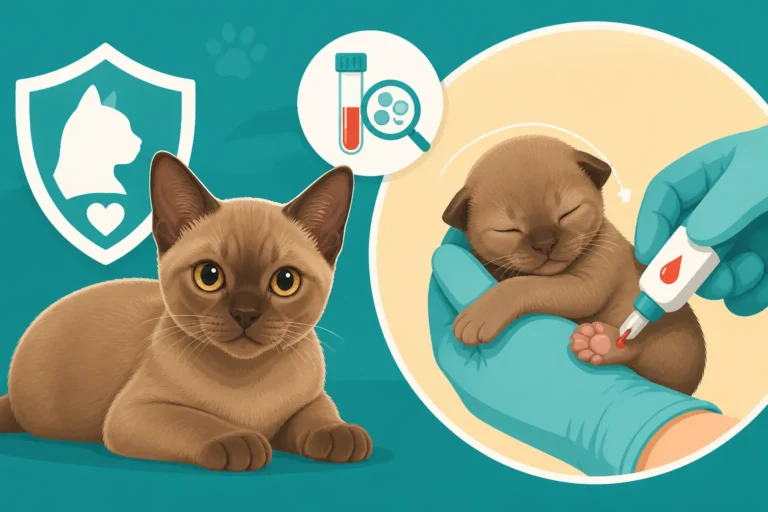
For instance, while diabetes is a real concern and one that owners absolutely need to be vigilant about, there are well-understood dietary and management strategies that can mitigate its risk. Furthermore, for conditions like hypokalemia, genetic tests exist. This is a game-changer! Breeders can test their breeding stock for the hypokalemia mutation, ensuring that they don't produce kittens affected by this debilitating condition. This proactive genetic screening allows breeders to actively select for healthier cats, systematically reducing the prevalence of these issues in the breed over time. It’s this ability to identify and manage genetic risks through testing that contributes significantly to the breed's overall health and, consequently, their impressive lifespan. Our article, Hypokalemia Is the Burmese Disease With a DNA Test, explains this crucial screening process in detail. Understanding Which Diseases the Burmese Actually Carries can help you prepare for specific health considerations.
The Impact of Dedicated Breeding Programs
A significant factor in the Burmese's good health figures is the unwavering commitment of ethical breeders. These aren't individuals who are simply trying to produce pretty kittens; they are custodians of the breed, dedicated to preserving its health, temperament, and longevity. This means going far beyond basic care.
Reputable breeders invest heavily in health testing, not just for the common Burmese-specific issues like hypokalemia, but often comprehensive DNA panels and regular veterinary check-ups for all their breeding animals. They meticulously track health histories, study pedigrees, and make informed decisions about pairings to minimize the risk of passing on genetic conditions. They also focus on raising kittens in stimulating, loving environments, ensuring they are well-socialized and robust before going to their forever homes. This dedication means that a well-bred Burmese kitten starts its life with the best possible genetic foundation and early care, setting it up for a long, healthy future. This commitment to health testing is paramount, and you can learn more about it in What a Burmese Breeder Must Test Before Any Mating.
Lifestyle Factors Contributing to Longevity
Beyond their genetic makeup, the way Burmese cats integrate into our homes and lives plays a huge role in their impressive longevity. Their unique personality traits naturally lead to lifestyle choices that protect them from many of the dangers faced by other cats.
The Indoor Lifestyle and Reduced Risks
One of the biggest advantages a Burmese cat has in terms of lifespan is their propensity to be indoor-only companions. These cats are incredibly trusting, affectionate, and people-oriented. They crave human interaction and thrive on being part of the family, making them less inclined to wander far from home or even to desire much outdoor exploration. This "velcro cat" tendency means most Burmese owners understandably choose to keep their pets strictly indoors.
This indoor lifestyle offers a protective bubble against a multitude of hazards that drastically shorten the lives of outdoor cats. We're talking about avoiding traffic accidents, altercations with other animals (wildlife or unneutered strays), exposure to infectious diseases, poisoning from chemicals or toxic plants, and parasitic infestations. While any cat benefits from being indoors, it's particularly vital for a breed as trusting and companion-focused as the Burmese, who wouldn't naturally possess the street smarts to navigate outdoor dangers. Our article Why a Trusting Burmese Would Follow a Stranger highlights just how vulnerable their trusting nature can make them in an outdoor environment. You'll also find it insightful to read Why a Burmese Cannot Be Left Alone All Day to understand their profound need for companionship, which further reinforces the indoor-only habit.
Deep Human-Cat Bonds Lead to Vigilant Care
If you've ever owned a Burmese, you know they aren't just pets; they're family members who are constantly vying for your attention, nestled on your lap, or riding on your shoulder. This intense bond, earning them the nickname "velcro cats," means their owners are incredibly attuned to their every mood and behavior. Because they are so close to us, any subtle change in their routine – a slight dip in appetite, a less enthusiastic greeting, a change in litter box habits, or a shift in their famously insistent vocalizations – is usually noticed almost immediately.
This vigilance is a critical factor in their longevity. Health issues, whether minor or serious, are often detected much earlier in a Burmese than in a more independent or aloof cat. Early detection allows for prompt veterinary intervention, often before a condition becomes advanced or life-threatening. Combined with their generally docile and accepting nature during vet examinations, which our article The Burmese Is the Velcro Cat of the Cat Fancy explores, this means they often receive timely and effective treatment. While it's true that Why a Burmese Hides Illness Behind Its Affection can make it tricky, their constant presence still offers more opportunities for observation.
The Importance of Mental and Physical Enrichment
Burmese cats aren't known for being couch potatoes. Even into their senior years, they often retain a kitten-like playfulness and curiosity. This inherent vitality, coupled with the devoted attention they receive from their owners, translates into a life rich with mental and physical enrichment. Owners of Burmese cats are often found engaging in active play sessions with wand toys, teaching tricks, or providing puzzle feeders to stimulate their intelligent minds.
This consistent engagement is more than just fun; it's a contributor to long-term health. Regular physical activity helps maintain a healthy weight, strengthens muscles and joints, and promotes cardiovascular health. Mental stimulation keeps their brains sharp, potentially delaying cognitive decline often seen in older animals. A happy, engaged cat is generally a healthier cat. The breed's enduring playfulness, even as they age, is beautifully illustrated in our piece, A Burmese Is Still Playing at Fifteen. A Burmese that continues to play and interact stays active, and an active cat tends to live longer.
Proactive Health Management and Nutrition
While genetics and lifestyle contribute significantly, the impressive lifespan of many Burmese cats is also a testament to proactive health management, especially concerning their unique dietary needs and the importance of consistent veterinary care.
The Critical Role of Diet in Preventing Diabetes
Here's the honest truth: Burmese cats have a higher genetic predisposition to developing diabetes mellitus compared to other breeds. This is a well-documented fact, and it can be a source of worry for prospective and current owners. However, and this is crucial, this predisposition doesn't mean diabetes is inevitable. It means that diet becomes not just a preference, but a vital medical decision for a Burmese owner.
The cornerstone of preventing and managing diabetes in Burmese cats is a strict low-carbohydrate, high-protein wet food diet. Free-feeding dry kibble, which is often high in carbohydrates, is a recipe for disaster for this breed. Instead, owners need to meticulously weigh and portion meals, typically twice a day, to control calorie intake and minimize blood sugar spikes. This proactive approach to nutrition directly addresses their primary health vulnerability, often preventing the onset of diabetes or, if it does develop, making it much more manageable. Many owners find that investing in high-quality, vet-recommended low-carb wet foods is a small price to pay for the significant health benefits and extended lifespan it can provide. Our detailed article, Why a Burmese Is Four Times More Likely to Become Diabetic, delves into the specific risks, and Why Portion Control Is Medical Care in a Burmese emphasizes just how important careful feeding is. When a Burmese does develop diabetes, the cost of ongoing care can be substantial, making pet insurance, like a policy from Healthy Paws, a valuable consideration for future unexpected health needs, although they typically won't cover pre-existing conditions.
Regular Veterinary Check-ups and Early Intervention
For a cat breed with a known predisposition to certain conditions, regular, informed veterinary check-ups are non-negotiable. These aren't just quick vaccine appointments; they are opportunities for a thorough health assessment. For a Burmese, this often includes specific monitoring protocols.
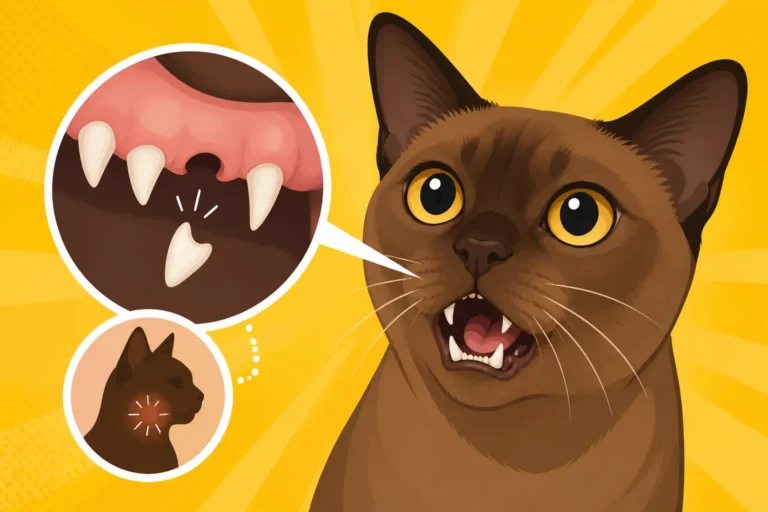
From around seven years of age, or even earlier for at-risk individuals, veterinarians will often recommend routine glucose checks to catch any early signs of diabetes. Dental health is another critical area; Burmese cats can be prone to gum disease and tooth resorption, so regular cleanings and at-home brushing are essential to prevent pain and secondary infections that can impact overall health. Weight management is also key, as even a small amount of extra weight can significantly increase diabetes risk. By establishing a strong partnership with your vet and adhering to a schedule of preventative care, you're building a defense against potential health issues, allowing for early intervention that can literally add years to your cat's life. Consider our articles How Often a Healthy Adult Burmese Needs Checking and Why a Burmese's Glucose Should Be Checked From Seven for more specific advice on vet visits. This consistent veterinary oversight, often supported by pet insurance providers like Healthy Paws for unforeseen illnesses, helps ensure your Burmese receives top-tier medical attention throughout their life.
The Benefits of a Stable Home Environment
Burmese cats truly thrive on routine and stability. They are incredibly sensitive to their surroundings and the emotional atmosphere of their home. A stable, loving, and predictable environment significantly reduces stress for these social cats, and reduced stress has a direct, positive impact on overall physical health and immune system function.
This stability includes consistent feeding times, regular play sessions, and plenty of affection. Many Burmese owners find that their cats do best with a feline companion, often another Burmese, to provide constant company, especially if the human family is out during the day. This companionship helps prevent separation anxiety, which can manifest as destructive behavior or even stress-related health issues. Ensuring they have warm, comfortable places to sleep also contributes to their well-being, especially given their short coats. All these elements combined create a low-stress, nurturing environment where a Burmese can flourish and live a long, happy life. Knowing that you're supported in maintaining this environment, even through potential health challenges, can be reassuring, and that's where pet insurance, such as Healthy Paws, can be a great asset.
Here's a quick look at how the Burmese stacks up against the average housecat in terms of lifespan-contributing factors:
| Factor / Breed Characteristic | General Domestic Cat (Indoor) | Burmese Cat (Well-Cared For) | Impact on Lifespan |
|---|---|---|---|
| Average Lifespan | 12-15 years | 16-18+ years | Significantly longer |
| Genetic Predisposition | Varies widely | Diabetes, Hypokalemia | Known risks, but manageable with screening and diet |
| Temperament | Independent/Varied | Highly affectionate, 'Velcro' | Promotes early detection of illness |
| Indoor Lifestyle | Common | Highly recommended/typical | Reduces outdoor risks (accidents, disease) |
| Dietary Management | Often free-fed kibble | Low-carb wet food, portion control | Crucial for diabetes prevention/management |
| Vet Care Vigilance | Standard yearly checkups | Vigilant, early intervention | Detects issues before they become severe |
A Lifelong Companion
When all these factors come together – a well-managed genetic background, a protected indoor lifestyle, vigilant and loving human companionship, and a proactive approach to nutrition and veterinary care – the result is a cat breed that consistently boasts unusually good lifespan figures. It’s not uncommon to hear stories of Burmese cats reaching 18, 20, or even 22 years of age, truly becoming lifelong companions and deeply cherished family members.
While the higher risk of conditions like diabetes means Burmese owners must be particularly diligent, the reward is often a cat who stays active, playful, and affectionate for many, many years. They don't just live a long time; they live a good long time, remaining engaged and connected to their human families. So, if you're looking for a cat that will be with you through thick and thin, for what feels like an unusually long and wonderful journey, the Burmese stands out as a breed truly dedicated to growing old gracefully by your side. You can explore this further in How Long a Burmese Lives and The Sixteen to Eighteen Years a Well Bred Burmese Gets.
Disclaimer
Please remember that while this article provides general information and insights into Burmese cat care and health, it is not a substitute for professional veterinary advice. Always consult with a qualified veterinarian for any health concerns or before making any decisions about your pet's diet, treatment, or care. Every cat is an individual, and a vet can provide tailored advice based on your cat's specific needs and medical history.