Why Two Copies Are Needed for Burmese Head Defect
The joy of bringing a new Burmese kitten into your home is immeasurable, but few things are more heartbreaking than discovering a severe congenital defect. One such devastating condition is Burmese Head Defect, also known as craniofacial defect, which can lead to severe deformities and an incredibly short lifespan for affected kittens. This guide aims to shed light on the intricate genetics behind this condition, explaining precisely why two copies of a specific gene are required for this devastating defect to manifest, and what it means for breeders and owners alike.
Understanding Recessive Genetic Inheritance
When we talk about genetic conditions in cats, or any living creature for that matter, understanding the basics of inheritance is absolutely crucial. Many traits, good and bad, are passed down from parents to offspring through genes. Think of genes as tiny instruction manuals within every cell, dictating everything from coat color to susceptibility to certain diseases.
Dominant Versus Recessive Genes
Genes often come in pairs, with one copy inherited from the mother and one from the father. These copies are called alleles. Some alleles are "dominant," meaning that if a cat inherits even one copy of that particular allele, the trait it codes for will be expressed. Others are "recessive," which means a cat needs to inherit two copies of that specific allele – one from each parent – for the trait to show up. If a cat only gets one recessive allele and one dominant allele, the dominant one usually "wins out," and the cat will appear healthy, though it carries the hidden recessive gene. This is what we call being a "carrier."
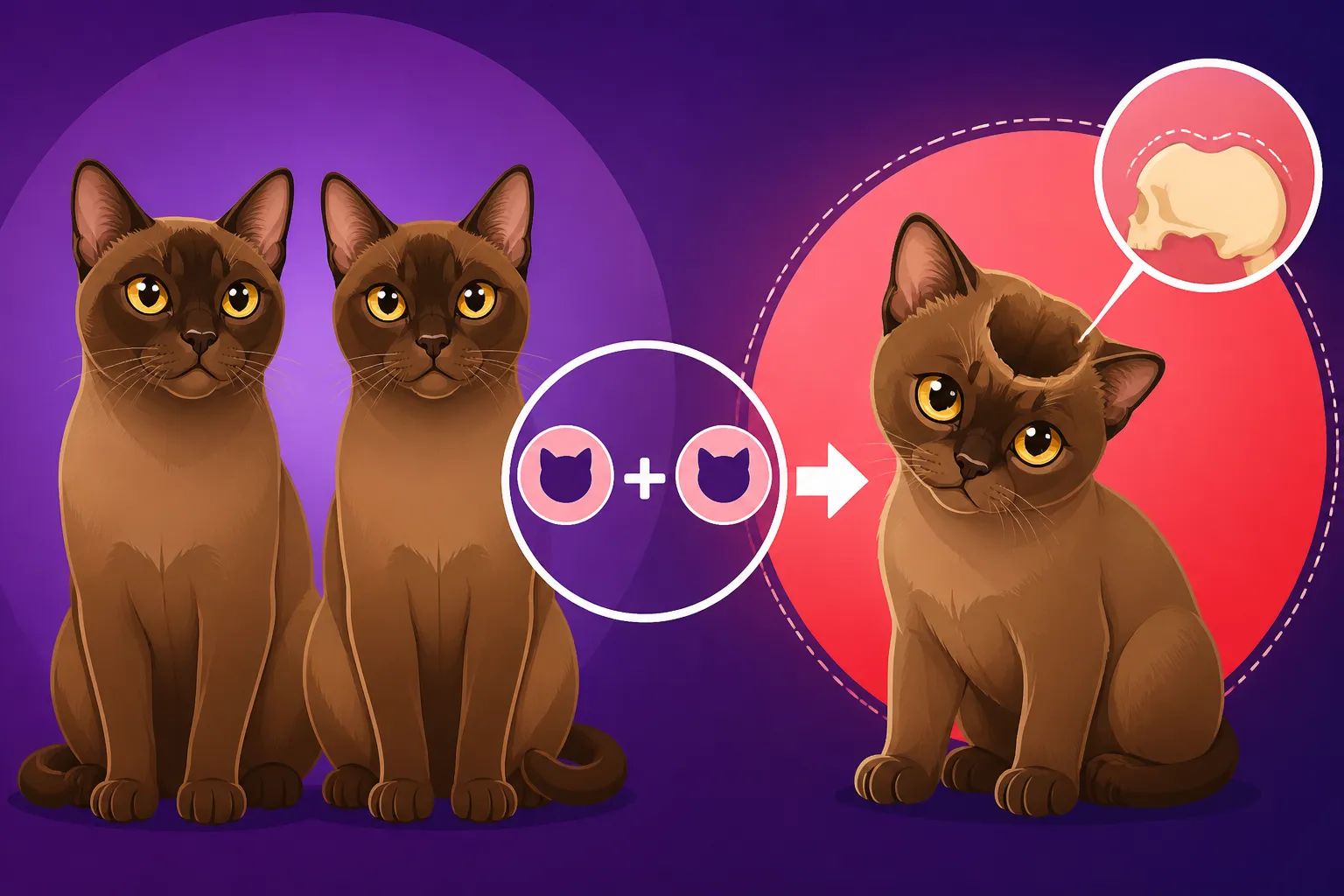
For a recessive genetic condition like Burmese Head Defect, a kitten must inherit that particular faulty recessive gene from both its mother and its father. If it only gets one faulty copy and one normal, healthy copy, it will be a carrier, just like its parents, but it won't actually develop the condition itself. This concept is fundamental to understanding how devastating conditions can appear seemingly out of nowhere in a litter from two healthy-looking parents.
How Genes Are Passed Down
Imagine two parent cats. Each parent carries two copies of every gene. For a recessive condition, let's say 'N' represents the normal, healthy gene, and 'n' represents the faulty, recessive gene.
- A cat with 'NN' is completely clear – no faulty genes, no risk of passing it on.
- A cat with 'Nn' is a carrier – it has one faulty gene but appears healthy. It can pass the 'n' gene to its offspring.
- A cat with 'nn' is affected – it has two faulty genes and will develop the condition.
When two cats breed, each parent passes on one of its two gene copies to each kitten. The combination of these two inherited copies determines the kitten's genetic makeup for that particular trait. This is where the probability comes in, and why careful breeding is so vital.
The Specifics of Burmese Head Defect Genetics
Burmese Head Defect, often referred to as craniofacial defect, is a profound example of a recessive inherited condition within the Burmese breed. This means that a kitten will only be affected if it inherits the specific faulty gene from both its mother and its father.
Understanding the Recessive Nature
When a Burmese kitten is born with craniofacial defect, it's a clear indication that both of its parents, despite appearing healthy themselves, were carriers of the gene. Each parent contributed one copy of the recessive gene, leading to the unfortunate combination of two faulty genes in the kitten. This is precisely why the condition is labeled as recessive – it needs those "two copies" to express itself. If only one parent was a carrier and the other was clear, no kittens in that litter would develop the head defect, though some might inherit one faulty gene and become carriers themselves.
It’s a truly heartbreaking situation because a breeder can have two magnificent, robust, and outwardly healthy Burmese cats, completely unaware they are both silently carrying this devastating gene. The fact that the parents are seemingly fine makes it all the more shocking when a kitten with the defect appears. This is a cruel trick of genetics, where the health of the parents doesn't always guarantee the health of the offspring when recessive genes are at play. You can read more about how this specific defect impacts kittens in our article, What Burmese Head Defect Does to a Kitten.
Impact on Affected Kittens
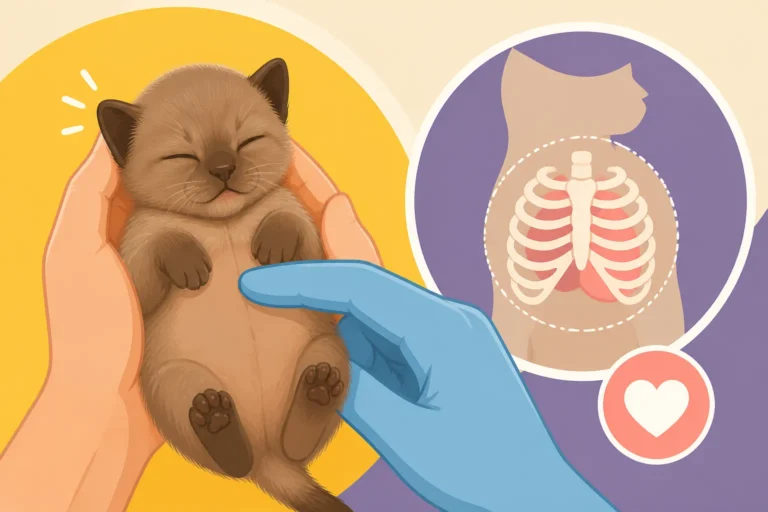
Kittens born with Burmese Head Defect typically display severe craniofacial abnormalities. This can include a drastically shortened upper jaw, a flat face, and other significant malformations of the skull and facial bones. These physical deformities are not merely cosmetic; they severely impact the kitten's ability to survive. Affected kittens often struggle immensely with basic life functions like nursing and breathing. Their quality of life is severely compromised from birth, and tragically, most do not survive for more than a few days or weeks. For more on this, consider reading Why Burmese Head Defect Kittens Do Not Survive. It's a devastating outcome that no breeder or owner ever wants to face.
The table below illustrates the genetic probabilities when breeding cats carrying a recessive gene like the one for Burmese Head Defect:
| Parent 1 (Genotype) | Parent 2 (Genotype) | Offspring Possibilities (Probabilities) | Outcome |
|---|---|---|---|
| NN (Clear) | NN (Clear) | 100% NN | All kittens clear, none carry the gene. |
| NN (Clear) | Nn (Carrier) | 50% NN, 50% Nn | 50% clear, 50% carriers. None affected. |
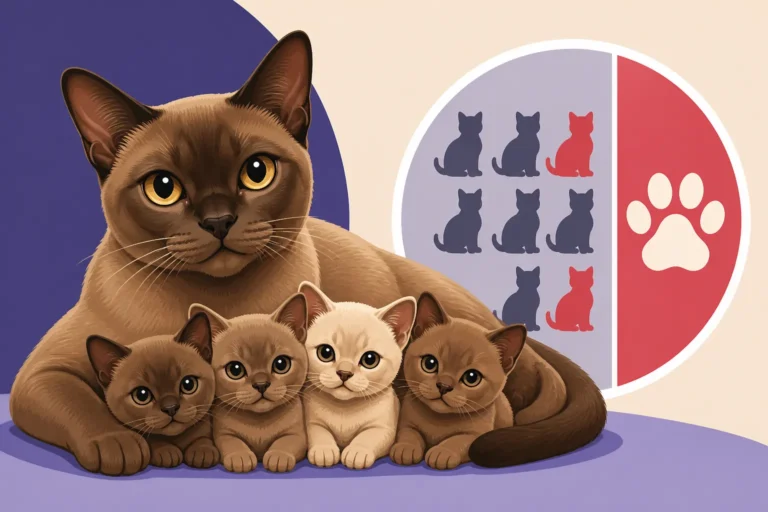
| Nn (Carrier) | Nn (Carrier) | 25% NN, 50% Nn, 25% nn | 25% clear, 50% carriers, 25% affected. This is the risk scenario. |
| NN (Clear) | nn (Affected) | 100% Nn | All kittens carriers. (Breeding an affected cat is highly unethical, but shown for genetic principle). |
| Nn (Carrier) | nn (Affected) | 50% Nn, 50% nn | 50% carriers, 50% affected. (Again, unethical to breed an affected cat). |
| nn (Affected) | nn (Affected) | 100% nn | All kittens affected. (Completely unethical). |
This table clearly highlights the critical importance of knowing the carrier status of breeding cats, especially when it comes to recessive conditions. The "Parent 1 (Carrier) x Parent 2 (Carrier)" scenario is the one that results in affected kittens, directly illustrating why two copies are needed.
The Role of Responsible Breeding and Genetic Testing
Given the devastating nature of Burmese Head Defect, responsible breeding practices are not just important; they are absolutely paramount. Preventing the birth of affected kittens is every ethical breeder's highest priority. This involves meticulous record-keeping, careful selection of breeding pairs, and, where possible, genetic testing.
Screening for Genetic Conditions
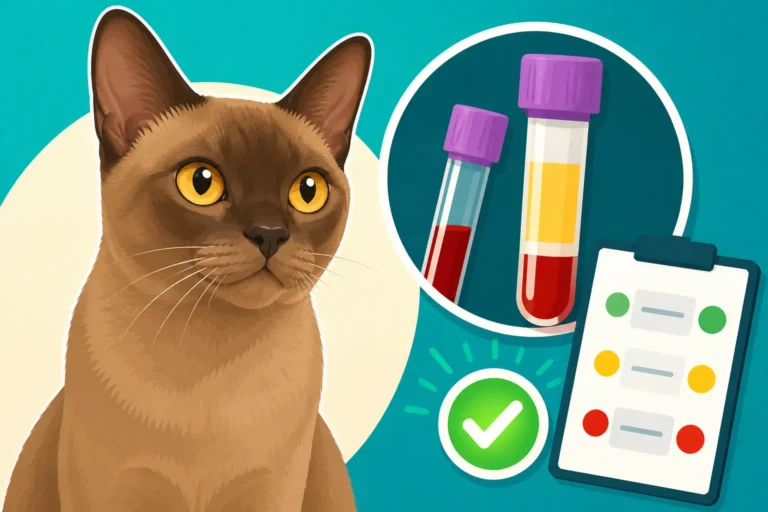
Currently, there is no specific DNA test available for Burmese Head Defect (craniofacial defect) itself. This means breeders cannot simply swab a cat and get a "clear" or "carrier" result for this particular condition, unlike some other well-known genetic diseases. This lack of a direct test makes managing the defect particularly challenging and places an even greater emphasis on careful breeding choices.
However, reputable breeders still work diligently to minimize the risk. They do this by:
- Rigorous Pedigree Research: Understanding a cat's ancestry is crucial. Breeders carefully study the pedigrees of potential breeding animals, looking for any instances of the defect appearing in past generations. If the condition has occurred in a particular line, breeders will make responsible decisions to avoid continuing that lineage or breeding cats from that line to other potential carriers.
- Careful Observation: Any kitten born with deformities is a red flag. If a breeder experiences a litter with Burmese Head Defect, they will immediately identify the parents as carriers and remove them from future breeding programs. This proactive approach, while heartbreaking in the moment, is vital for the long-term health of the breed.
- Avoiding Line Breeding to Excess: While some degree of line breeding can be used to solidify desirable traits, excessive or unmanaged line breeding increases the risk of bringing two copies of a hidden recessive gene together. Responsible breeders employ strategies to maintain genetic diversity and minimize the chances of inadvertently pairing two carriers.
While a specific test for Burmese Head Defect might not exist, a comprehensive Which Tests Belong on a Burmese DNA Panel is still vital for other conditions. For instance, testing for Hypokalemia (also a recessive trait common in Burmese) is routine. For the craniofacial defect, the process is less about a lab test and more about careful management based on observation and pedigree.
Why Two Carriers Must Never Be Bred
This is the golden rule for any known recessive condition, and it applies in principle even without a direct DNA test for Burmese Head Defect. If two cats are known or suspected carriers of a recessive gene, breeding them together poses a significant and unacceptable risk of producing affected offspring. As the table above clearly shows, when two carriers are mated, there is a 25% chance with every single kitten that it will inherit two copies of the faulty gene and be affected. This means a quarter of a litter, on average, could be born with this severe defect.
Ethical breeders understand this profound responsibility. They will never knowingly breed two carriers together for any recessive condition, and they will take all necessary precautions to avoid such a pairing, especially for conditions as severe as Burmese Head Defect. This often means removing carrier cats from the breeding pool, or, if a particular line is highly valued for other traits, only breeding a carrier to a cat that is definitively clear of that specific gene. However, for a lethal defect like this, the general consensus is to avoid breeding carriers if the condition is confirmed to be in their lineage. You can learn more about this crucial practice in Why Two Burmese Carriers Must Never Be Bred. This decision, while tough for a breeder who loves their cats, is made out of deep commitment to the welfare of the breed.
Living with a Genetically Prone Breed
Owning a Burmese is a truly special experience; their affectionate, dog-like personalities make them wonderful companions. However, being informed about the breed's specific health predispositions, including the challenges of conditions like Burmese Head Defect, is part of being a responsible owner.
The Emotional and Financial Impact
For breeders, discovering Burmese Head Defect in a litter is an emotional blow. Beyond the heartbreak for the kittens, it forces difficult decisions about the breeding lines and can incur significant veterinary costs. Even if you're an owner buying a kitten, understanding these risks is important. While reputable breeders do their utmost to prevent such outcomes, no breeding program can guarantee 100% immunity from all genetic issues, especially when direct tests aren't available for every condition.
Should a kitten be born with such a defect, the costs associated with initial veterinary assessment, supportive care, and ultimately, compassionate euthanasia, can be substantial. It's a somber reality that prospective owners should be aware of, not to deter them from the breed, but to foster preparedness and support for ethical breeders. Knowing What an Untested Burmese Most Often Dies Of highlights the importance of choosing a kitten from a breeder who is open and transparent about health screenings and genetic history.
Supporting Responsible Breeding Practices
As a prospective Burmese owner, your choices directly support responsible breeding. Here's how you can help:
- Ask Detailed Questions: Don't be afraid to ask your breeder about their breeding philosophy, how they manage genetic risks, and what steps they take to ensure the health of their lines. While there isn't a test for Burmese Head Defect, a good breeder will be transparent about any history of the condition in their lines and what they do to mitigate risks. They should be able to tell you about the Which Diseases a Burmese Breeder Must Declare.
- Choose a Reputable Breeder: Seek out breeders who are actively involved in breed clubs, prioritize health, and are transparent about their cats' pedigrees and any health concerns. A breeder who is evasive or dismissive about genetic health issues should be a red flag.
- Consider Pet Insurance: While genetic conditions can sometimes be excluded if they manifest early or are considered "pre-existing," comprehensive pet insurance, such as through providers like Healthy Paws, can be invaluable for unexpected veterinary costs, particularly as Burmese are also prone to other conditions like diabetes later in life. It's always wise to investigate what your policy covers before you need it.
- Be Prepared for the Unexpected: Even with the most diligent breeding, nature can sometimes surprise us. Having a financial buffer for potential veterinary emergencies is always a good idea when you welcome any pet into your home.
The journey of caring for a Burmese cat is incredibly rewarding. By understanding the genetic complexities, including Why Two Copies Are Needed for Burmese Head Defect, and supporting breeders who champion health and transparency, you contribute to the overall well-being and future of this magnificent breed.
Disclaimer
The information provided in this article is for educational purposes only and should not be considered a substitute for professional veterinary advice. Always consult with a qualified veterinarian for any health concerns or before making any decisions related to your pet's health or medical care.