What an Untested Burmese Most Often Dies Of
It's an utterly heartbreaking thought, isn't it? Imagining the loss of your precious Burmese, especially when you might wonder if there was something you could have done differently. Many potential Burmese owners, and even those who've welcomed one into their homes without extensive research, face the very real and devastating risk of losing their beloved companion to entirely preventable or manageable conditions. This guide is here to shed light on the most common, yet often overlooked, health issues that tragically claim the lives of Burmese cats who haven't had the benefit of thorough genetic screening and consistent, informed veterinary care, helping you understand the risks and how to protect your cherished companion.
The Silent Threat: Undiagnosed Diabetes
One of the most insidious threats to an untested Burmese is undiagnosed diabetes. This isn't just a concern; it's a stark reality for the breed. If your Burmese hasn't had the benefit of a breeder who understood genetic predispositions, or if regular veterinary checks haven't focused on early detection, diabetes can progress silently, causing immense damage before any outward signs become impossible to ignore. It’s a disease that doesn't announce itself with a fanfare, but rather creeps up, often mistaking initial symptoms for general aging or a change in routine.
Why Burmese are Genetically Predisposed
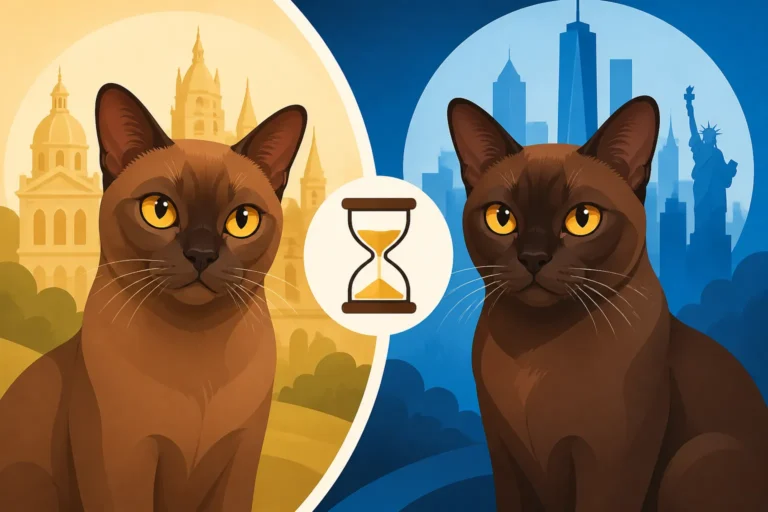
The sad truth is that Burmese cats, particularly certain lines, carry a genetic predisposition that makes them significantly more susceptible to diabetes mellitus than almost any other cat breed. We're talking about a breed that is often Why a Burmese Is Four Times More Likely to Become Diabetic, a statistic that should give any owner pause. This isn't about blaming the cat; it's about understanding their unique biological blueprint. Research has identified specific genetic markers that play a role in this increased risk, particularly in the Australian and European lines, although American Burmese are far from immune. This inherent vulnerability means that what might be a minor dietary indiscretion for another cat breed could be a tipping point for a Burmese. Without genetic testing to identify carriers or individuals at higher risk, and without an informed approach to diet from kittenhood, you are essentially flying blind, leaving your beloved pet exposed to a significant health gamble.
How Undetected Diabetes Progresses
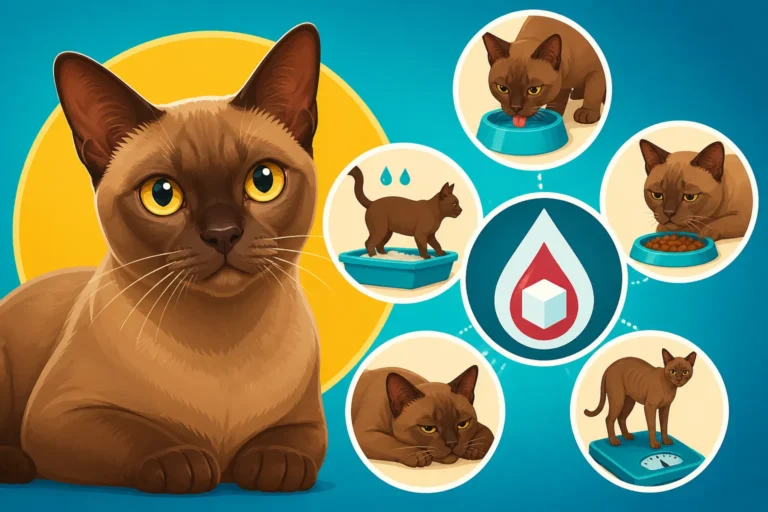
When diabetes goes undetected in a Burmese, it’s a slow, debilitating process for their internal systems. Initially, you might notice subtle changes: a slight increase in thirst, perhaps a bit more urine in the litter box. These signs are often dismissed as normal variations, especially if your cat is playful and otherwise seems healthy. However, as the body struggles to process glucose, cells become starved for energy despite high blood sugar levels. This leads to the body breaking down fat and muscle for energy, resulting in unexplained weight loss even if your cat seems to be eating normally, or even more. This period of subtle deterioration can last for months, if not longer, slowly chipping away at their vitality. The cat's body tries its best to compensate, but without external intervention, the metabolic imbalance continues to worsen, creating a domino effect of internal stress and organ damage.
The Tragic End Result Without Intervention
Without timely diagnosis and intervention, undiagnosed diabetes in a Burmese will eventually lead to severe, life-threatening complications. The prolonged high blood sugar levels damage various organs, including the kidneys, eyes, and nerves. A common and critical outcome is diabetic ketoacidosis (DKA), a metabolic emergency where the body produces high levels of blood acids (ketones). When a Burmese goes into DKA, they become severely ill, often exhibiting vomiting, lethargy, loss of appetite, and a distinctive sweet or fruity smell to their breath. This acute crisis can rapidly lead to collapse, coma, and ultimately, death. It's a painful and terrifying way for a cherished pet to go, a fate that is often avoidable with awareness and proper care. Many owners only realize the gravity of the situation when their cat is already in critical condition, facing an uphill battle for survival, often involving intensive and costly emergency veterinary care.
The Hidden Weakness: Unchecked Hypokalemia
Another significant and often devastating cause of early death in an untested Burmese is hypokalemia. This is a condition where the potassium levels in the blood become dangerously low, and it's something many new Burmese owners simply aren't aware of. Unlike diabetes which can be managed for years, hypokalemia can present as sudden, acute crises that are incredibly frightening to witness and require immediate veterinary attention. Without a clear understanding of this genetic predisposition and the necessary testing, a Burmese owner is left vulnerable to its unexpected and potentially fatal attacks.
What Hypokalemia Means for a Burmese
Hypokalemia in Burmese cats is not just a random electrolyte imbalance; it's a genetically linked disease, often referred to as Hypokalemia Is the Burmese Disease With a DNA Test. This inherited condition causes episodes of muscle weakness, which can range from mild stiffness to complete inability to lift their head or stand. Imagine your normally vibrant, energetic Burmese suddenly struggling to even hold their head up – it's a truly terrifying sight. The underlying issue is a defect in how their bodies regulate potassium, a vital mineral for proper muscle and nerve function. During an episode, the muscles, particularly those of the neck and limbs, become profoundly weak. These episodes can be triggered by stress, excitement, or even strenuous exercise. For an owner unaware of this genetic predisposition, such an event can be mistaken for an injury or an entirely different neurological issue, delaying the correct life-saving treatment.
Missed Symptoms in an Untested Cat
In an untested Burmese, the initial symptoms of hypokalemia can be easily missed or misinterpreted, leading to a tragic delay in treatment. Early signs might be subtle: a slight stiffness in their gait after vigorous play, a tendency to hold their head a little lower than usual, or perhaps a reluctance to jump onto high places that they once frequented. Some owners might notice their cat developing The Meerkat Neck That Tells You a Burmese Has Hypokalemia during an episode, a distinct presentation where they can't lift their head properly. If a cat hasn't been genetically tested, these signs aren't immediately flagged as a potential hypokalemic crisis. Instead, they might be attributed to aging, a minor sprain, or simply a "lazy" day. This lack of awareness means that by the time severe symptoms manifest, the cat's potassium levels could be critically low, making recovery more challenging and increasing the risk of fatal complications without rapid intervention.
Acute Crisis and Fatal Outcomes
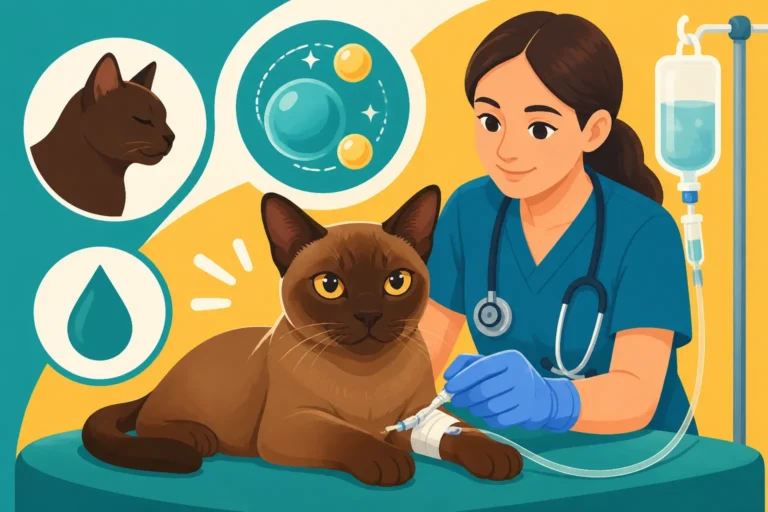
The progression from subtle signs to acute crisis in hypokalemia can be swift and devastating. When potassium levels drop too low, the muscle weakness becomes profound. The cat may collapse, be unable to move, or experience severe respiratory distress if the muscles involved in breathing are affected. In these acute, severe episodes, if not treated immediately with intravenous potassium supplementation, the condition can be fatal. The heart is a muscle, and severe hypokalemia can lead to cardiac arrhythmias, which can cause sudden death. The shock and fear of witnessing your cat suddenly unable to move or breathe properly, without knowing the cause, is unimaginable. This is why testing is so critical; an owner of a known hypokalemic cat knows to recognize the signs and seek emergency veterinary care, potentially averting a tragic loss. Without that knowledge, precious time is lost, and the outcome can be dire.
Other Common, Preventable Demises
While diabetes and hypokalemia are high on the list for untested Burmese, they are far from the only risks. Many other health issues, often manageable with proactive care and screening, can sadly lead to premature death when left unchecked. It's a cruel reality that the loving, trusting nature of a Burmese can sometimes mask their suffering, making regular scrutiny even more vital.
Heart Disease and Dental Issues
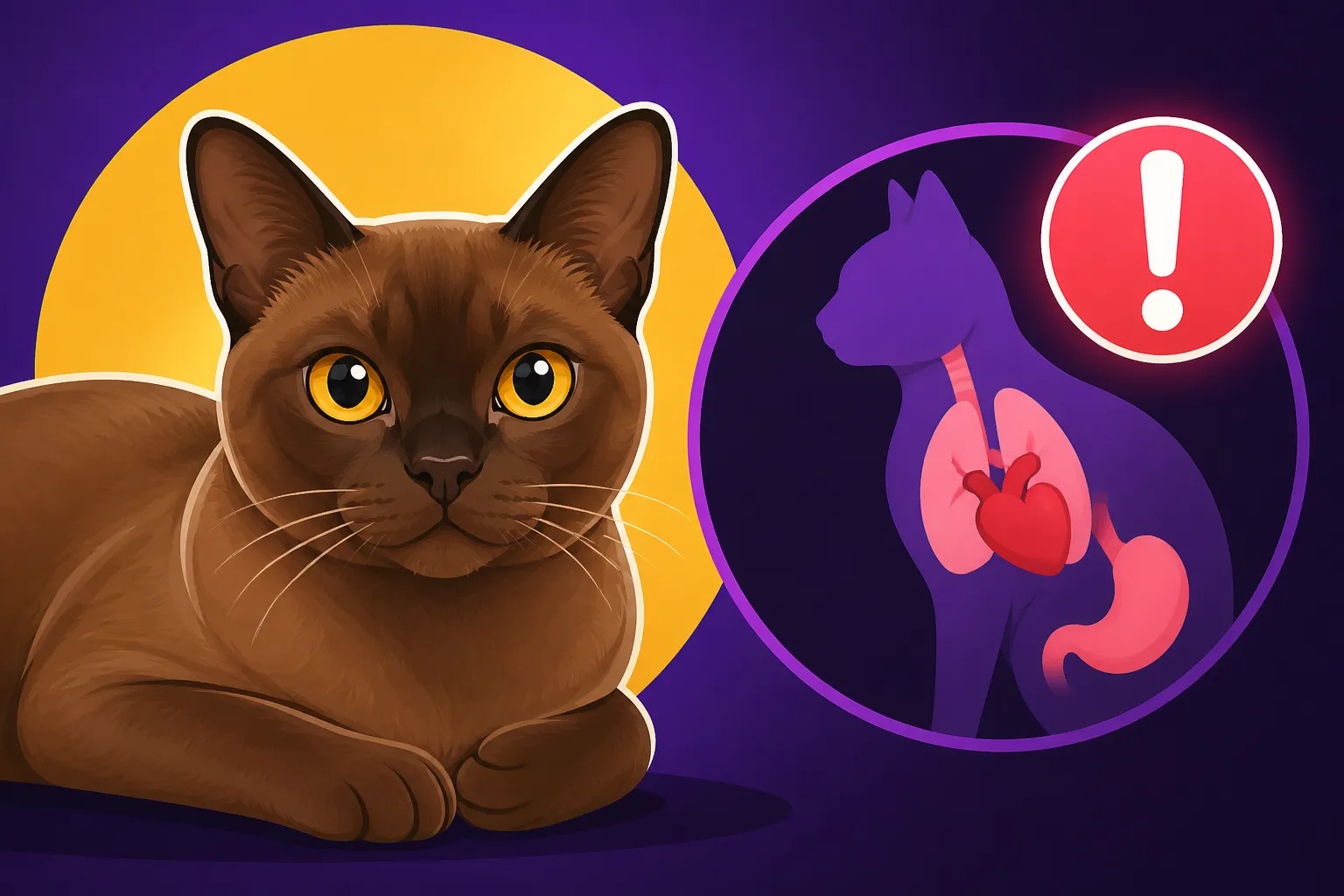
Beyond the well-known genetic predispositions, heart disease, particularly hypertrophic cardiomyopathy (HCM), is a concern in many cat breeds, including the Burmese. While not as uniquely prevalent as diabetes or hypokalemia, it's still a condition that, if undiagnosed, can lead to sudden cardiac death or severe congestive heart failure. An untested Burmese might not receive the routine cardiac screening that could catch early signs of HCM, allowing the disease to progress silently until it's too late. Similarly, dental disease, while seemingly less dramatic, is a chronic health issue that can severely impact a Burmese's quality of life and even shorten their lifespan. Burmese are known to be particularly prone to Why a Burmese's Gums Recede Early. Untreated infections from severe dental disease can spread throughout the body, affecting vital organs like the heart and kidneys, leading to systemic illness and, in extreme cases, fatal complications. Many owners simply don't realize the severity of dental problems until their cat is in severe pain or has lost multiple teeth, at which point the damage is extensive.
The Dangers of Unseen Genetic Defects
Some genetic defects are more immediately catastrophic. Burmese Head Defect Is Lethal and Recessive, for instance, is a devastating inherited condition that affects Burmese kittens, causing severe deformities of the skull and brain that are incompatible with life. While such kittens are usually identified soon after birth and don't survive long, the risk comes from breeding untested carriers. If a breeder hasn't performed the necessary genetic testing, they could unknowingly breed two carriers, producing affected kittens who suffer immensely before passing away. Another, albeit rarer, severe genetic disease is GM2 Gangliosidosis, a neurological disorder that causes progressive neurological deterioration and early death in affected kittens. These conditions highlight the moral imperative for responsible breeding and thorough genetic screening. Without these tests, breeders risk perpetuating suffering, and unsuspecting owners might encounter immense heartbreak, witnessing a kitten's brief, painful life, all due to an unseen genetic lottery gone wrong.
The Broader Impact of Neglecting Regular Vet Checks
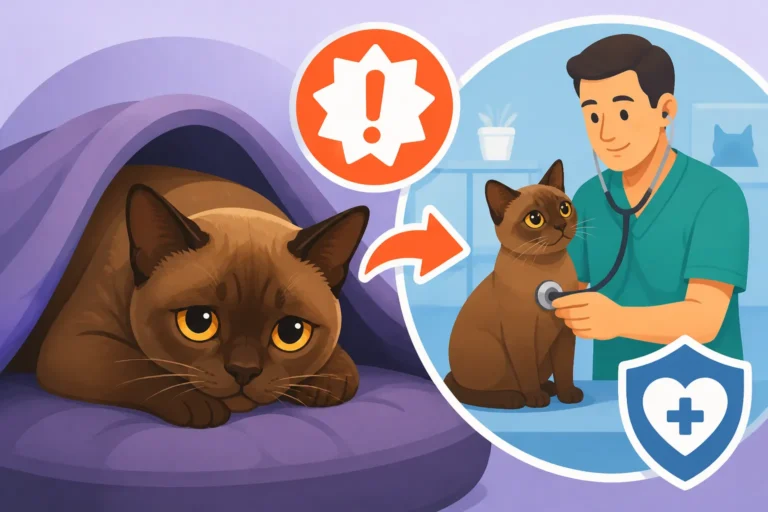
It’s easy to think that if your cat seems fine, they don’t need to go to the vet often. But for a Burmese, especially an untested one, neglecting regular veterinary check-ups can be a fatal oversight. Cats are masters at hiding illness, a survival instinct that makes early detection incredibly challenging for even the most observant owner. A routine annual or semi-annual check-up allows a vet to identify subtle changes in weight, hydration, heart sounds, or dental health that you might miss. It's also an opportunity for critical bloodwork, including glucose screenings, especially as your Burmese enters its senior years. Conditions like early kidney disease, hyperthyroidism, or even the initial stages of diabetes (before it becomes obvious) can be caught and managed effectively if detected early. Without these regular touchpoints, a Burmese could be suffering silently, with a treatable condition escalating into a life-threatening emergency. A healthy partnership with your vet, complemented by a robust pet insurance plan like those offered by Healthy Paws, can make all the difference in covering the costs of proactive care and early intervention.
Protecting Your Burmese: The Power of Testing and Proactive Care
The good news amidst these potential heartbreaks is that many of these risks are largely preventable or manageable with informed decisions and consistent care. Protecting your Burmese means being proactive, understanding their unique needs, and leveraging the advancements in veterinary medicine and genetic science available today. It’s about building a foundation of health from the moment you consider bringing a Burmese into your life.
Essential Genetic Screening for Burmese
The absolute cornerstone of protecting your Burmese is thorough genetic screening. Before even considering a kitten, ensure that the parents have been tested for breed-specific genetic diseases. This is why it's so important to find a responsible breeder who can provide transparent documentation. You need to know What a Burmese Breeder Must Test Before Any Mating. Specifically, look for clear results for Hypokalemia (the WNK4 mutation) and an understanding of the diabetes predisposition within their lines. While a DNA test for diabetes isn't as clear-cut as for hypokalemia, understanding the lineage's history is vital. A full Which Tests Belong on a Burmese DNA Panel will give you peace of mind and provide invaluable information about your kitten's potential genetic risks. Never hesitate to ask for these records; a reputable breeder will be proud to share them. Knowing this information upfront allows you to make informed decisions about your cat's diet, lifestyle, and preventive care, potentially adding years to their life and sparing both of you immense suffering.
The Importance of Regular Veterinary Visits
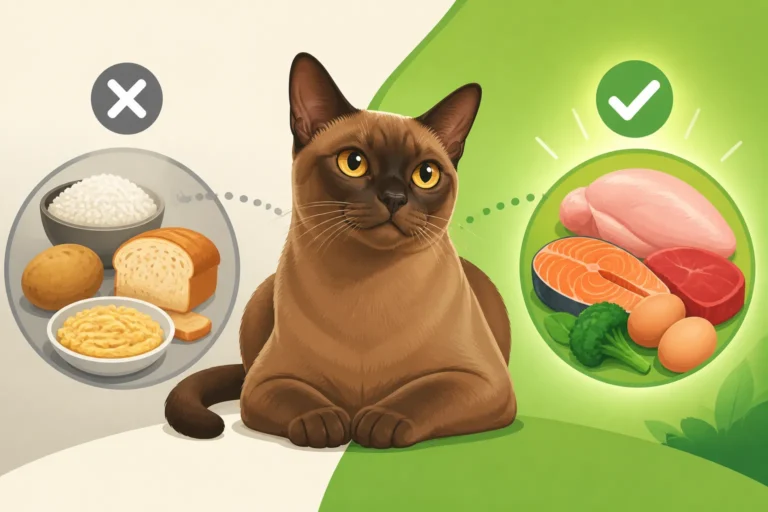
Even with the best genetic screening, regular veterinary visits are non-negotiable for a Burmese. These aren't just for vaccinations; they're vital for ongoing health monitoring and early detection. Your vet is your most important partner in ensuring your Burmese lives a long, healthy life. During these visits, discussing your cat's specific breed predispositions is key. From a young age, establish a routine that includes regular glucose checks, especially as your Burmese approaches middle age, given their diabetes risk. Your vet can monitor weight, assess dental health, and catch subtle changes in organ function through blood and urine tests. They can also advise on a diet tailored to the breed’s needs, emphasizing Why Portion Control Is Medical Care in a Burmese and low-carbohydrate options to mitigate diabetes risk. Think of these visits as preventive maintenance for a very special, highly tuned companion. A proactive approach with your veterinarian is crucial for extending The Sixteen to Eighteen Years a Well Bred Burmese Gets.
A Lifetime of Vigilance and Love
Owning a Burmese is a commitment to a unique and deeply loving companion, and that commitment extends to a lifetime of vigilance for their health. This means being attuned to their habits and seeking veterinary advice at the first hint of a change. If your Burmese starts drinking more water, showing increased appetite, or unexplained weight loss, these are all signs that What Diabetes Looks Like in a Burmese and necessitate an immediate vet visit. If you notice muscle weakness or a reluctance to move, especially in the neck, it could be a sign of a hypokalemic episode, and you need to know How a Vet Treats a Burmese Hypokalemic Episode. Beyond medical conditions, ensuring they have a secure environment, proper nutrition, and plenty of mental and physical stimulation contributes to their overall well-being. A loving home where an owner understands and anticipates the breed's specific needs, supported by regular vet care and, where appropriate, a robust pet insurance plan like Healthy Paws, is the best defense against the preventable tragedies that can befall an untested or unmonitored Burmese.
| Health Issue | Common in Untested Burmese? | Why it's a Risk | How Proactive Care Helps |
|---|---|---|---|
| Diabetes Mellitus | Very High | Genetic predisposition, easily missed early symptoms. | Genetic awareness, low-carb diet, regular glucose checks. |
| Hypokalemia | High | Genetic mutation, sudden acute episodes, often mistaken for injury. | DNA testing, potassium supplementation during episodes. |
| Heart Disease (HCM) | Moderate | Can be silent, leads to sudden death or heart failure. | Regular vet checks, cardiac screening, early medication. |
| Dental Disease | High | Predisposition to gum recession, leads to systemic infection. | Regular dental cleanings, at-home brushing, monitoring. |
| Genetic Defects | Low (but devastating) | Lethal defects like Head Defect or GM2 Gangliosidosis. | Strict genetic screening of breeding cats. |
| General Illnesses | General | Cats hide illness well, delays diagnosis. | Regular vet check-ups, prompt attention to subtle changes. |
Disclaimer
This article is for general informational purposes only and does not constitute professional advice. Laws, prices and regulations vary by location and change over time. Consult a qualified professional for guidance on your specific situation.