How a Vet Treats a Burmese Hypokalemic Episode
It's absolutely terrifying when your energetic, loving Burmese suddenly transforms into a listless, weak shadow of themselves. The sudden onset of muscle weakness, the inability to hold their head up, or just a general sense of profound malaise can send any cat parent into a panic. This guide is here to walk you through exactly what happens when your beloved Burmese experiences a hypokalemic episode and how dedicated veterinarians swiftly diagnose and treat this alarming condition, offering you clear insights and much-needed peace of mind.
Recognizing the Signs of a Hypokalemic Episode in Your Burmese
One of the most distressing aspects of a hypokalemic episode is how quickly and dramatically symptoms can manifest in your previously robust Burmese. They're usually such vibrant, active cats, so any sudden change is immediately alarming. Understanding what to look for can help you act quickly when every moment counts.
The Sudden Onset of Weakness and Muscle Tremors
Imagine your Burmese, who moments ago was chasing a toy with boundless energy, suddenly struggling to lift their head. This is often the hallmark sign, famously dubbed the "meerkat neck" due to the way affected cats often sit with their head drooping forward or supported, unable to fully extend it. It’s a heartbreaking sight, watching their strong neck muscles give way. Beyond the neck, you might observe generalized muscle weakness affecting their limbs, making it difficult for them to stand, walk, or even maintain their balance. Some cats might even exhibit fine tremors in their muscles, a subtle but significant indicator of distress within their system.
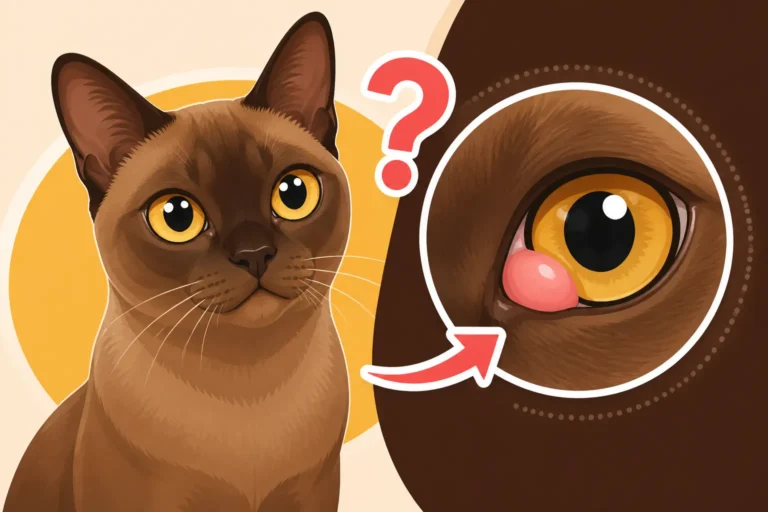
This weakness isn't just about movement; it’s a profound loss of muscle function that can look incredibly dramatic. Owners often describe their cat becoming "floppy" or "collapsing." What makes it particularly tricky is that in its early stages, it might be mistaken for an injury or general malaise. You might think they've just pulled a muscle or are feeling unwell, but the rapid progression and specific nature of the weakness, especially in the neck, are key indicators. The affectionate nature of Burmese cats means they often lean into you, and in a hypokalemic episode, this leaning might be less about seeking comfort and more about struggling to support themselves. Knowing that Why a Hypokalemic Burmese Cannot Hold Its Head Up is a direct symptom helps immensely.
Behavioral Changes and Lethargy
Beyond the physical weakness, a Burmese undergoing a hypokalemic episode will typically display significant behavioral changes. These are cats renowned for their playful, dog-like personalities and their constant desire to be near their human companions. So, when your typically outgoing Burmese becomes withdrawn, unusually quiet, and profoundly lethargic, it's a huge red flag. They might stop interacting, refuse food or water, and seek out isolated spots, which is very uncharacteristic for such a sociable breed.
This lethargy isn't just a sign of being tired; it’s a systemic slowdown caused by the critical lack of potassium, an electrolyte essential for proper nerve and muscle function, including the heart. The internal mechanisms that drive their lively curiosity and constant motion are simply not functioning correctly. You might find them unresponsive to their favorite toys or treats, a clear departure from their normal, often food-motivated behavior. This shift in personality, combined with obvious physical weakness, necessitates immediate veterinary attention.
The Immediate Veterinary Assessment and Diagnosis
When you arrive at the vet with a suspected hypokalemic Burmese, the team will spring into action. Time is of the essence, and their priority will be stabilizing your cat and confirming the diagnosis to initiate targeted treatment.
Emergency Stabilization and Initial Examination
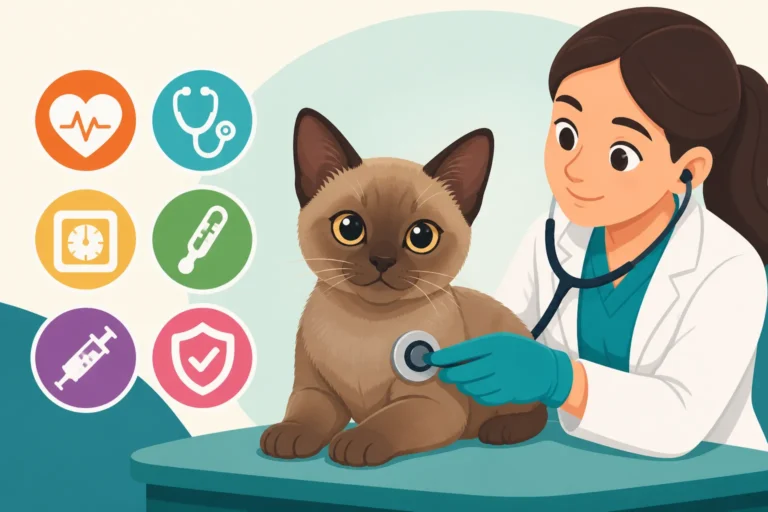
The moment you walk through the clinic doors, the veterinary team will likely whisk your Burmese to the treatment area. They'll start by assessing your cat's immediate vital signs: heart rate, respiratory rate, and temperature. They'll also check mucous membrane color and capillary refill time, which give quick insights into circulation. Simultaneously, they’ll want to gather a comprehensive history from you. Be prepared to share details about when the symptoms started, how they progressed, any recent changes in diet or routine, and if your Burmese has a history of similar episodes or a known genetic predisposition to hypokalemia. This information is crucial for the vet to piece together the clinical picture.
In some cases, if your cat is severely compromised, the vet might immediately place them on oxygen or administer IV fluids as a supportive measure even before definitive blood results are back. This initial stabilization focuses on ensuring your Burmese is as comfortable and safe as possible while they work to identify the root cause. It's a high-stress situation for both you and your cat, but rest assured, the vet team is trained to handle these emergencies with swift, decisive action. They know that in cases like this, every minute truly counts for your precious companion.
Bloodwork and Potassium Level Confirmation
The cornerstone of diagnosing hypokalemia is a blood test. The veterinary team will quickly draw blood to measure electrolyte levels, with a particular focus on potassium. Normal potassium levels in cats typically range from 3.5 to 5.8 mEq/L (milliequivalents per liter). In a cat experiencing a hypokalemic crisis, these levels will be significantly lower, often dropping below 3.0 mEq/L, and in severe cases, even lower than 2.5 mEq/L. These critically low levels directly correlate with the profound muscle weakness you're observing.
The blood test results provide an undeniable confirmation of the diagnosis and guide the immediate treatment plan. While waiting for lab results, which can sometimes be done in-house within minutes for critical cases, the vet will continue to monitor your cat closely. It's important to remember that What the WNK4 Mutation Does in a Burmese is the genetic culprit behind many cases of familial hypokalemia in Burmese cats, so if your cat is confirmed to have low potassium, it's wise to discuss genetic testing with your vet later on. This not only helps with long-term management but can also inform breeders if your cat came from a line that hasn't been fully screened.
Ruling Out Other Neurological or Muscular Conditions
Even with strong indicators pointing towards hypokalemia, a thorough vet will always consider and, if necessary, rule out other conditions that can present with similar symptoms. This is a vital step because while the symptoms might look alike, the underlying causes and treatments can be vastly different. For instance, spinal cord injuries, certain types of poisoning, botulism, myasthenia gravis, or even severe kidney disease can cause generalized weakness or paralysis.
The vet may perform a neurological exam, check reflexes, and palpate muscles to assess for pain or abnormalities. They might also recommend imaging, such as X-rays, if there's any suspicion of trauma or structural issues, although this is less common with classic hypokalemia presentations. This comprehensive approach ensures that your Burmese receives the most accurate diagnosis and, therefore, the most effective treatment. It might feel like a lot of tests when you just want them to get better, but it's a testament to your vet's commitment to your cat's complete well-being.
Treating Acute Hypokalemia: Replenishing Potassium
Once hypokalemia is confirmed, the immediate goal is to safely and effectively replenish your Burmese's potassium levels. This critical phase of treatment is usually done in a veterinary hospital setting where constant monitoring is possible.
Intravenous Potassium Supplementation
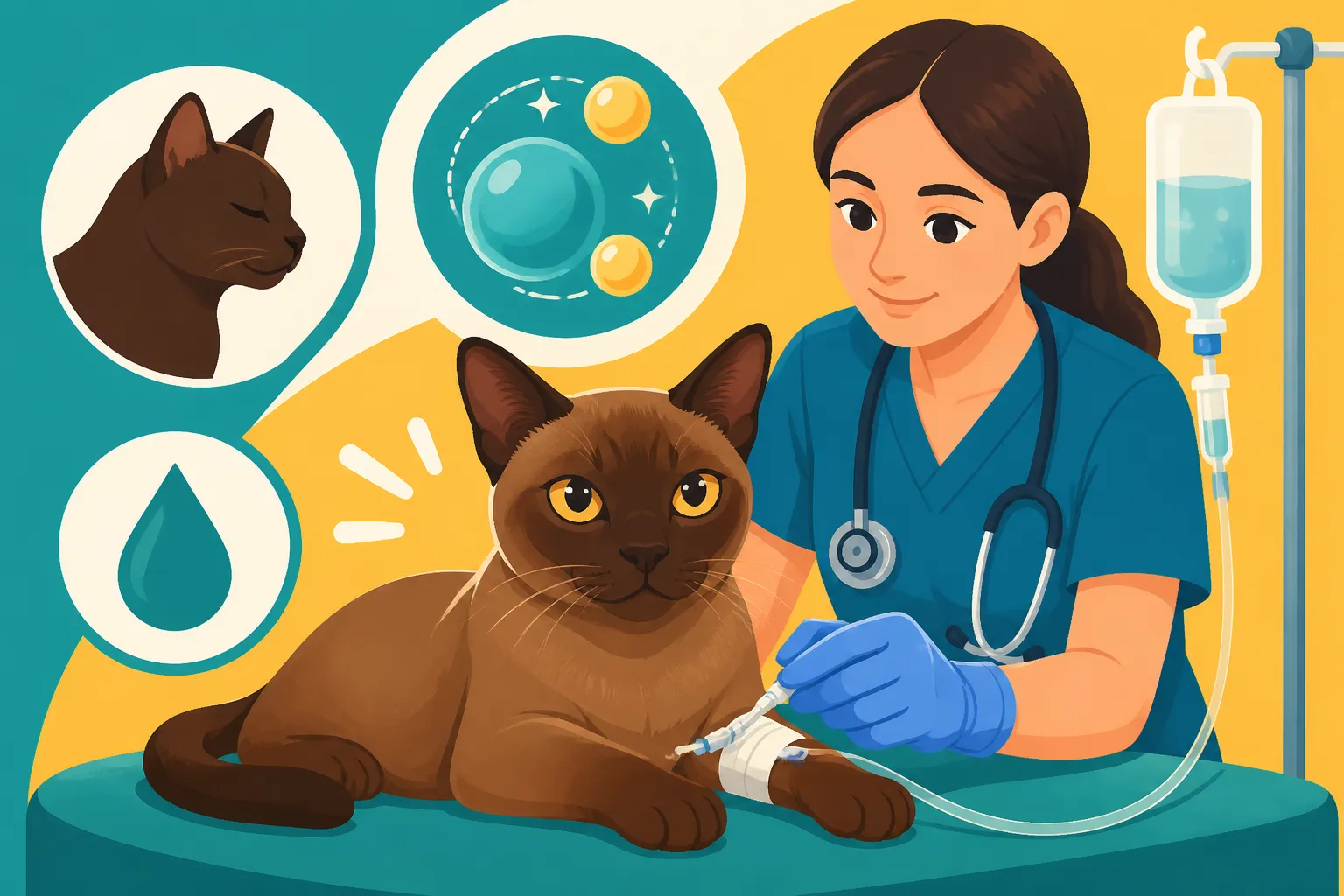
For an acute hypokalemic episode, where potassium levels are dangerously low and your cat is severely symptomatic, intravenous (IV) potassium supplementation is the most effective and fastest way to correct the imbalance. The vet will administer potassium chloride, usually mixed into a slow, continuous IV fluid drip. This method allows for controlled delivery, preventing the risks associated with rapid potassium administration, which can be dangerous for the heart. The dosage is carefully calculated based on your cat's weight, the severity of their hypokalemia, and their ongoing blood test results.
The process is meticulously slow and controlled because administering potassium too quickly can lead to hyperkalemia (too much potassium), which can cause serious cardiac arrhythmias and even sudden death. Your cat will be closely monitored, often with an electrocardiogram (ECG) to track heart rhythm, and repeated blood tests will be taken to ensure potassium levels are gradually rising within a safe range. It's a delicate balance, and the veterinary staff will be vigilant throughout this crucial treatment phase, ensuring your Burmese is on the safest path to recovery.
Monitoring and Adjusting Treatment
During IV potassium supplementation, continuous monitoring is paramount. Veterinary technicians will regularly check your Burmese’s vital signs, hydration status, and overall demeanor. More importantly, frequent rechecks of blood potassium levels are essential. These rechecks dictate how the treatment is adjusted; if levels are rising too slowly, the potassium infusion rate might be slightly increased, or if they're rising too quickly, it might be slowed down. This titration process is a testament to the intricate care required to manage this condition safely.
Witnessing your cat slowly regain strength, perhaps lifting their head a little higher or showing a flicker of their usual personality, is incredibly relieving. However, vigilance remains key. Even after initial improvement, a careful transition from IV to oral potassium supplementation is planned to maintain stable levels and prevent recurrence. The goal is not just to fix the immediate crisis but to establish a stable potassium balance for the long term. Many Burmese cats, with proper management, can go on to live perfectly normal, happy lives, which is a comforting thought when you’re in the thick of an emergency. Remember that What Potassium Supplementation Does for a Burmese is truly life-saving in these situations.
Long-Term Management and Preventing Future Episodes
Once your Burmese has been stabilized and is recovering from an acute hypokalemic episode, the focus shifts to long-term management to prevent future occurrences. This involves a combination of home care, careful monitoring, and a deep understanding of the condition.
Oral Potassium Supplementation for Home Care
After the initial crisis is resolved, your veterinarian will likely prescribe an oral potassium supplement for your Burmese to take at home. This is a crucial step to maintain healthy potassium levels and prevent another episode. These supplements often come in powder form, which can be mixed with wet food, or sometimes as a gel or liquid. The dosage will be precisely determined by your vet, usually based on your cat’s weight and their specific needs as identified through regular blood tests.
Administering medication to a cat can be a challenge, even for the most cooperative Burmese. Consistency is key, so finding a method that works for both of you is essential. Some cats readily accept the powder mixed into their favorite wet food, while others might require a more creative approach, perhaps a tiny bit of Churu or another palatable treat to disguise the taste. It's a learning curve, but mastering this at-home care is fundamental for your cat's ongoing health. Remember to discuss any difficulties with your vet, as they might have alternative formulations or tips to make medication time less stressful.
Dietary Considerations and Monitoring
Beyond daily supplements, diet plays a supporting role in managing a hypokalemia-prone Burmese. While diet alone usually isn't enough to prevent episodes, a high-quality, balanced cat food can contribute to overall health and help maintain stable electrolyte levels. Your vet might recommend specific diets that are known to be well-balanced or even prescription diets if other health issues are present. It's less about a "hypokalemia diet" and more about ensuring optimal nutrition that doesn't inadvertently exacerbate the condition.
Regular veterinary check-ups and routine blood tests are non-negotiable for a Burmese with a history of hypokalemia. These tests allow your vet to monitor potassium levels and adjust supplementation as needed, ensuring they remain in the healthy range. Your active participation in recording any subtle changes in your cat's behavior, appetite, or energy levels between visits is invaluable. This vigilant monitoring, combined with consistent supplementation, significantly increases the likelihood that Whether a Hypokalemic Burmese Lives a Normal Life can be a resounding "yes" for your beloved pet.
Understanding the Genetic Predisposition
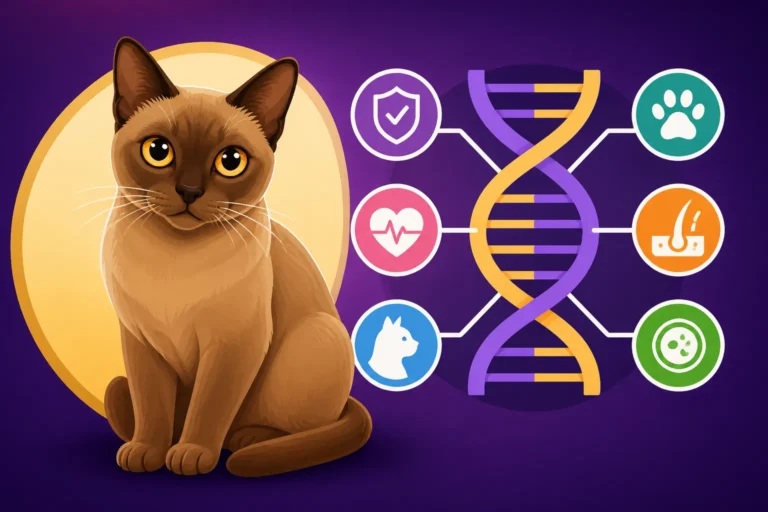
It’s important for Burmese owners, especially those dealing with hypokalemia, to understand the genetic aspect of this condition. Familial hypokalemia in Burmese cats is often linked to a specific mutation in the WNK4 gene. This means it's an inherited condition, passed down through generations. While your immediate concern is treatment, understanding this genetic link is crucial for long-term management and responsible breeding practices within the Burmese community. Hypokalemia Is the Burmese Disease With a DNA Test that is readily available.
If your Burmese has been diagnosed, your vet might recommend a DNA test to confirm the presence of the WNK4 mutation. This test can identify whether your cat is affected, a carrier, or clear. This knowledge not only helps you understand your cat's specific situation but also provides critical information if you ever consider breeding (though affected cats should not be bred). Laboratories such as those run by the University of California, Davis, or Orivet often provide these genetic tests. Knowing Which Lab Runs the Burmese Hypokalemia Test can help you pursue this important diagnostic step. For breeders, this information is essential for making informed decisions to reduce the prevalence of this condition in future generations, safeguarding the health of the breed.
Caring for a Burmese Prone to Hypokalemia at Home
Managing a Burmese prone to hypokalemia at home requires dedication, keen observation, and a structured approach. It's about creating an environment that supports their health and allows for quick action if issues arise.
Establishing a Routine and Observing for Early Signs
Burmese cats thrive on routine and predictability, and this is even more critical for those prone to hypokalemia. Establishing a consistent daily schedule for feeding, playtime, and medication administration helps keep their internal systems stable. Just as important is developing a hyper-aware sense of your cat's normal behavior. You know your Burmese best – their usual energy levels, appetite, thirst, and favorite spots. Any deviation from this baseline, no matter how subtle, could be an early warning sign.
Look for slight changes in their gait, a hint of lethargy that isn't quite full-blown collapse, a slightly less enthusiastic greeting, or a subtle reduction in their signature "velcro cat" attachment. These minor shifts, if caught early, can allow you to contact your vet before a full-blown crisis develops. Keeping a journal to log daily food intake, water consumption, and any unusual observations can be incredibly helpful. This detailed record provides concrete data to share with your vet, aiding in proactive management.
Managing Stress and Environmental Factors
Stress can be a significant trigger for hypokalemic episodes in some Burmese cats. Just like in humans, stress can impact a cat’s physiological balance, potentially exacerbating an underlying predisposition. Therefore, creating a calm, predictable, and enriching environment is paramount. Minimize sudden loud noises, avoid abrupt changes to their routine, and provide plenty of safe, comfortable spaces where your cat can retreat if they feel overwhelmed. Their innate need for companionship means they usually prefer to be near you, but ensuring quiet zones is still important.
Regular, gentle playtime can also help manage stress, providing an outlet for their energy and strengthening your bond. Interactive toys and puzzle feeders can offer mental stimulation without over-exertion. It’s about balance: keeping them engaged and happy without adding undue stress. Understanding What Triggers a Burmese Hypokalemic Episode is a crucial step in preventing future occurrences. By being mindful of their environment and emotional state, you can proactively reduce potential stressors that might contribute to an episode, ensuring their long-term well-being.
The Role of Pet Insurance in Managing Chronic Conditions
The ongoing management of a chronic condition like hypokalemia, including emergency visits, repeat blood tests, and lifelong medication, can become a significant financial burden for even the most prepared pet owner. This is where pet insurance can be a genuine lifeline. Having a comprehensive policy in place can alleviate the stress of unexpected veterinary bills, allowing you to focus entirely on your Burmese’s health and recovery without the added worry of cost.
Policies from providers like Healthy Paws, for example, can cover a large percentage of eligible vet bills for accidents and illnesses, including those related to hypokalemia. It's crucial, however, to secure pet insurance before any symptoms or diagnoses appear, as most policies consider chronic conditions like hypokalemia to be pre-existing once diagnosed, thereby excluding them from coverage. If you are considering a Burmese, especially one from a line with a known predisposition, obtaining pet insurance early on is a wise financial decision. It provides invaluable peace of mind, knowing that if an emergency arises or lifelong medications are needed, a substantial portion of the expense will be covered. This allows you to say "yes" to the best possible care, knowing that Healthy Paws can help bridge the financial gap.
Living a Full Life with a Hypokalemia-Prone Burmese
While a diagnosis of hypokalemia can feel overwhelming, it's important to remember that with diligent care and a strong partnership with your veterinarian, many Burmese cats lead incredibly rich, full lives. This journey deepens the bond you share, as you become even more attuned to their needs.
Quality of Life and Prognosis
The good news is that with proper diagnosis and consistent management, the prognosis for Burmese cats with hypokalemia is generally quite good. Many affected cats, once stabilized on oral potassium supplements, experience very few, if any, further severe episodes. They can continue to be the playful, affectionate "dog-in-a-cat's-body" companions you adore. The quality of life for a hypokalemia-prone Burmese is largely dependent on the owner’s commitment to routine medication, regular vet check-ups, and keen observation.
It takes a dedicated owner to ensure medication is given consistently and to monitor for subtle signs of recurrence. This dedication, however, is often rewarded with years of healthy companionship. Knowing that The Sixteen to Eighteen Years a Well Bred Burmese Gets are often full of joy and activity, even for those with a managed condition, offers immense encouragement. This isn't a death sentence; it's a manageable condition that requires proactive care, strengthening the unique bond between you and your cherished feline friend.
Advocating for Your Cat and Working with Your Vet
As a pet parent, you are your Burmese’s most important advocate. Building a strong, trusting relationship with your veterinarian is critical, especially when managing a chronic condition like hypokalemia. Don't hesitate to ask questions, voice concerns, and ensure you fully understand the treatment plan, including medication dosages, monitoring schedules, and potential side effects. If your vet isn't familiar with familial hypokalemia in Burmese, consider seeking a second opinion from a specialist or a vet who has experience with the breed.
Regular communication with your vet team is essential. Share your detailed observations from home, report any changes, and collaborate on strategies for effective at-home care. This partnership ensures that your Burmese receives individualized, optimized care. And again, having financial support from a robust pet insurance plan like Healthy Paws can empower you to always choose the best treatment options, rather than being limited by cost. Being an informed, proactive advocate makes all the difference in ensuring your beloved Burmese thrives despite their condition, living out their happy, affectionate life by your side. How the Burmese Hypokalemia Test Is Read is also a good topic to discuss with your vet to understand the results fully.
Disclaimer
This article is intended for informational purposes only and does not constitute medical advice. Always consult with a qualified veterinarian for any health concerns or before making any decisions about your pet's medical care.