Which Lab Runs the Burmese Hypokalemia Test
It's incredibly unsettling to know your beloved Burmese, with all their vibrant personality and affectionate nature, could be susceptible to a hidden genetic condition like Hypokalemia. This inherited disorder can cause sudden, debilitating muscle weakness, turning your usually energetic companion into a frightened, temporarily paralyzed cat. Thankfully, we have the tools today to test for this, allowing responsible breeders to make informed decisions and giving owners peace of mind. This guide will walk you through exactly which reputable laboratories offer the crucial DNA test for Burmese Hypokalemia, what the process entails, and why it's such an important step for every Burmese owner.
Understanding Burmese Hypokalemia Testing
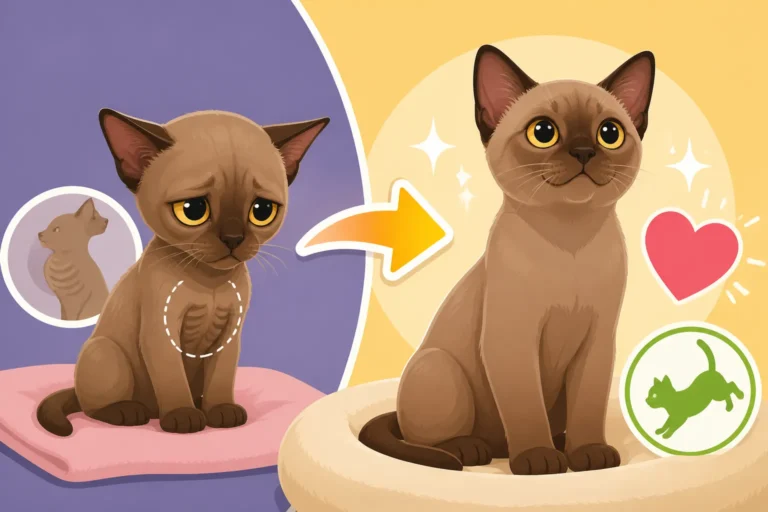
Burmese Hypokalemia, also formally known as Familial Episodic Hypokalemic Polymyopathy (FEHP), is a genetic condition that causes episodes of dangerously low potassium levels in the blood, leading to muscle weakness, tremors, and even paralysis. It’s not just a passing ailment; it's something deeply embedded in the breed's genetic makeup, and understanding it is the first step towards prevention and management. Many owners are often caught off guard, watching their playful cat suddenly struggle to lift its head, a symptom often referred to as a "meerkat neck."
Why Testing is Crucial for Burmese Cats
For breeders, genetic testing for Hypokalemia isn't just a recommendation; it's a fundamental responsibility. Without testing, they risk unknowingly passing on this painful and potentially life-threatening condition to future generations. Imagine the heartbreak of a new kitten owner watching their tiny companion suffer an episode. Early and consistent testing ensures that mating pairs are selected carefully, aiming to eradicate the mutation from breeding lines over time. This proactive approach contributes significantly to the overall health and well-being of the breed. Furthermore, if you're looking to bring a Burmese kitten into your home, always ask the breeder about their testing protocols and for proof of parentage tests. Even if you're rescuing an adult Burmese, it's a wise decision to have them tested so you understand their genetic predisposition and can anticipate any potential health challenges. This is especially true given that a rescue Burmese should still be tested to ensure you have a complete picture of their health.
The Science Behind the Test
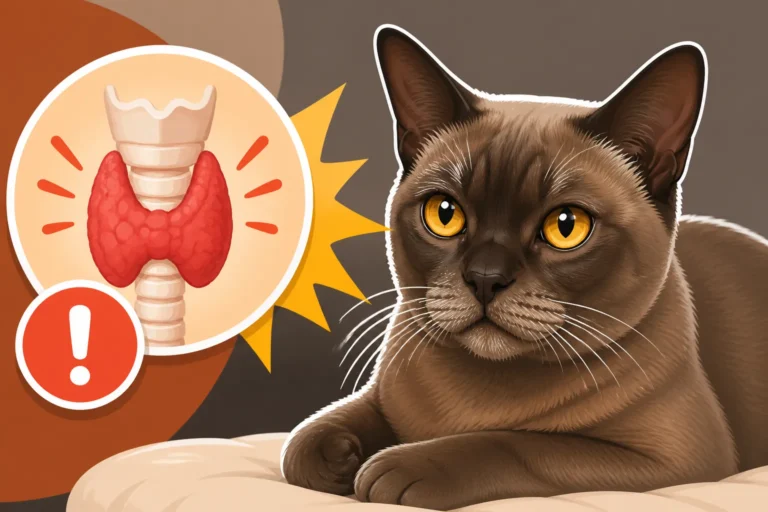
The genetic test for Burmese Hypokalemia targets a specific mutation in the WNK4 gene. This gene plays a critical role in regulating potassium levels in the body. When the mutation is present, it can disrupt this balance, leading to the characteristic episodes of hypokalemia. The test is a straightforward DNA analysis, typically performed using a simple cheek swab. The lab will analyze the genetic material to identify whether the cat carries one copy of the mutated gene (making them a "carrier") or two copies (meaning they are "affected" or "clear" if they have no copies). Knowing what the WNK4 mutation does in a Burmese allows breeders to carefully plan matings to avoid producing affected kittens, while owners can prepare for potential health needs.
Leading Laboratories for Burmese Hypokalemia DNA Testing
When it comes to genetic testing for your Burmese, choosing a reputable laboratory is paramount. You want accurate results, swift turnaround times, and clear communication. Several well-established veterinary genetics laboratories around the world offer reliable testing for Burmese Hypokalemia. It's always a good idea to check their current offerings and pricing, as these can sometimes change.
Key Global and Regional Players
Globally, some of the most recognized institutions and commercial laboratories offering genetic tests for various cat breeds, including the Burmese, are:
- UC Davis Veterinary Genetics Laboratory (VGL) in the USA: Often considered a gold standard, UC Davis offers a comprehensive range of feline genetic tests. They are highly reputable for their research and accuracy. Many breeders across North America rely on their services for tests like the Burmese Hypokalemia panel.
- Langford Vets (University of Bristol) in the UK: For those in the UK and Europe, Langford Vets is a prominent and trusted laboratory. They provide a specific DNA test for Hypokalemia in Burmese cats, aligning with European breeding standards. Their academic backing ensures scientific rigor.
- Orivet Genetic Pet Care (Australia): A leading provider of genetic testing services for pets across Australia, New Zealand, and increasingly, internationally. Orivet offers a Burmese breed-specific panel that includes the Hypokalemia test. They are known for their user-friendly process and comprehensive reports.
- Paw Print Genetics (USA): This American lab also offers a variety of feline genetic tests, and the Burmese Hypokalemia test is typically part of their panel. They provide detailed results and excellent customer service, which can be reassuring during the testing process.
Before committing, visit the websites of these labs directly. Look for their specific Burmese Hypokalemia test, details on how to order a kit, pricing, and typical turnaround times. It’s helpful to compare a few to find the one that best suits your needs, location, and budget. Remember, the cost of a full Burmese DNA panel can vary, so comparing options is wise.
What to Look For in a Reputable Lab
Choosing the right lab isn't just about finding one that offers the test. It's about ensuring peace of mind and reliable results. Here's what to consider:
- Accreditation and Reputation: Look for labs associated with veterinary universities or those with clear accreditation from relevant scientific bodies. A lab with a long-standing reputation for accuracy and reliability is always a better choice. Check for reviews from other breeders or cat owners.
- Clear Reporting and Interpretation: The results should be easy to understand, clearly stating whether your cat is clear, a carrier, or affected. A good lab will provide an explanation of what these classifications mean for your cat's health and any potential breeding decisions. Understanding how to read a Burmese Hypokalemia carrier result is crucial for responsible ownership.
- Turnaround Time: While accuracy is key, you don't want to wait months for results. Most reputable labs provide a realistic estimate for turnaround time, usually within a few weeks of receiving the sample. Be wary of labs promising impossibly fast results at unusually low prices.
- Customer Support: Should you have questions about the sampling process, shipping, or interpreting the results, responsive and knowledgeable customer support is invaluable. A good lab will be happy to assist you through the entire process.
- Specific Breed Expertise: While many labs test for a range of breeds, those with specific expertise in feline genetics, and particularly in conditions like Burmese Hypokalemia, often offer more tailored advice and deeper understanding.
The Testing Process: From Swab to Results
The thought of sending a DNA sample might sound complicated, but for Burmese Hypokalemia, the process is surprisingly simple and non-invasive. Most labs have streamlined it to make it as easy as possible for cat owners and breeders.
Collecting a Sample at Home
The vast majority of genetic tests for Burmese cats utilize a buccal (cheek) swab. This is fantastic news because it means you can often collect the sample right in the comfort of your own home, without a stressful trip to the vet just for the collection. Here's a typical process:
- Order a Kit: You'll usually order a testing kit directly from the lab's website. It typically includes sterile swabs, instructions, and a return envelope.
- Swabbing Your Cat: The instructions will guide you, but generally, you'll need to gently rub the sterile swab firmly against the inside of your cat's cheek for about 10-20 seconds. This collects epithelial cells, which contain the DNA. It's best to do this when your cat hasn't eaten for at least an hour to avoid food contamination. Why a Burmese cheek swab is enough is due to the nature of DNA; any nucleated cell will suffice.
- Drying and Packaging: After swabbing, you'll need to let the swab air dry completely (usually 5-10 minutes) to prevent mold growth during transit. Once dry, you'll place it back into its protective sleeve or envelope as per the lab's instructions.
- Identification: Make sure to clearly label the sample with your cat's name and any other requested identification to avoid mix-ups. This is crucial for accurate record-keeping, especially if you're sending multiple samples.
This simple collection method means minimal stress for your cat, which is always a bonus, particularly for a breed known for its affection and attachment to its humans.
Sending the Sample and Awaiting Results
Once you've collected and packaged the sample, the next step is to send it off to the lab.
- Shipping: Most labs provide a pre-addressed return envelope or specific shipping instructions. If not, ensure you use a reliable postal service, especially if sending internationally. Proper packaging helps protect the sample during transit.
- Confirmation and Tracking: Many labs will email you confirmation when they receive your sample. Some also offer online portals where you can track the progress of your test. This can be reassuring as you wait.
- Typical Timelines: The time it takes to get results can vary based on the lab and their current workload, but generally, you can expect to hear back within 2-4 weeks. Be patient; good science takes time!
Interpreting Your Cat's Results
When the results arrive, you'll typically see one of three classifications:
- Clear (N/N): This means your Burmese does not carry the WNK4 mutation and will not develop Hypokalemia due to this specific genetic cause, nor can they pass it on to their offspring. This is the ideal result for breeding animals.
- Carrier (N/K or N/hypo): Your cat has one copy of the WNK4 mutation. They will usually not show symptoms of Hypokalemia themselves, but they can pass the mutation to about 50% of their offspring. This means careful breeding decisions are essential for carriers.
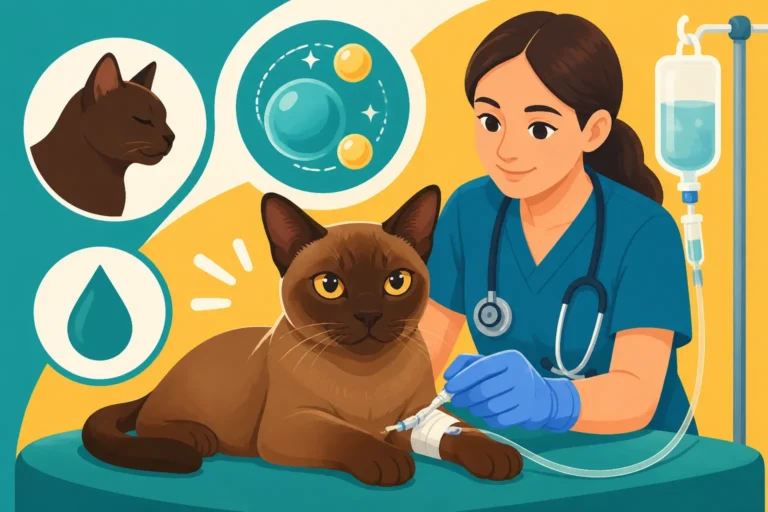
- Affected (K/K or hypo/hypo): Your cat has two copies of the WNK4 mutation, meaning they are genetically predisposed to developing Burmese Hypokalemia. They will almost certainly experience episodes of muscle weakness, potentially requiring lifelong management with potassium supplementation. This is why understanding what potassium supplementation does for a Burmese is vital for affected cats. For breeding, it's generally advised that affected cats are not bred, and if they are, only with clear mates, understanding all offspring will be carriers. However, the best practice is to avoid breeding affected cats entirely to reduce the gene pool's mutation load. This directly ties into why two Burmese carriers must never be bred, as this pairing carries a 25% risk of producing affected kittens.
A clear understanding of these results is critical for both medical care and ethical breeding practices.
Cost and Considerations for Hypokalemia Testing
Genetic testing is an investment in your cat's future and the health of the Burmese breed as a whole. While there's an upfront cost, it pales in comparison to the potential expenses and heartache associated with managing an affected cat.
Typical Costs and Value
The cost of a Burmese Hypokalemia test can range from roughly $50 to $150, depending on the lab and whether it's part of a larger panel of genetic tests. Some labs offer a discount if you test multiple cats at once or opt for a full breed panel that includes other relevant genetic markers. While this might seem like an extra expense, consider the immense value it provides:
- Peace of Mind: Knowing your cat's genetic status allows you to anticipate and prepare for potential health issues, or simply relax knowing they're clear.
- Responsible Breeding: For breeders, it's an indispensable tool for maintaining the health and integrity of their lines, preventing the spread of debilitating diseases.
- Financial Savings: Treating an affected cat can involve frequent vet visits, diagnostic tests, and ongoing medication, which can quickly add up to hundreds or even thousands of dollars over their lifetime. The initial test is a small investment to potentially avoid these larger costs.
It's a testament to responsible ownership, recognizing that a small upfront cost can prevent significant suffering and expense down the line.
Integrating Testing into Responsible Breeding and Ownership
For breeders, the Hypokalemia test should be a standard part of their pre-mating health checks. It's not enough to simply have the test available; understanding the results and making informed decisions based on them is crucial. A responsible breeder will always provide proof of testing for both parent cats to prospective buyers. If you're buying a kitten, don't hesitate to ask for these certificates.
For pet owners, even if your Burmese isn't destined for breeding, testing can still be incredibly valuable. If your cat is a carrier, or even affected, you can provide them with the best possible care, be vigilant for symptoms, and discuss preventative measures with your vet. Knowing the genetic status allows you to proactively manage their health, rather than reacting to a crisis. This knowledge also contributes to the broader understanding of the disease in the Burmese population. It's an important part of ensuring whether a hypokalemic Burmese lives a normal life.
Financial Planning for Health — and Unexpected Outcomes
While genetic testing offers incredible insight and can prevent certain issues, the reality is that any pet can face unexpected health challenges. That's where comprehensive pet insurance can play a vital role in your financial planning. Providers like Healthy Paws offer policies that can help cover the costs of accidents, illnesses, and even some emergency care. While genetic testing itself might not always be covered by insurance, understanding your cat's predispositions before symptoms appear can help you choose the right policy and ensure you're prepared for whatever comes your way. Having a safety net like pet insurance, or a dedicated savings fund, ensures that you can always prioritize your beloved Burmese's health without financial stress, whether it's for managing a known condition or responding to something unforeseen.
Disclaimer
The information provided in this article is for general informational purposes only and is not a substitute for professional veterinary advice. Always consult with a qualified veterinarian regarding your cat's health, diagnosis, and treatment. Genetic testing recommendations and laboratory services can change, so it's essential to verify current information directly with veterinary genetic laboratories and your vet.