What a Heart Murmur Means in a Burmese
It's incredibly frightening to hear your veterinarian mention the words "heart murmur" when discussing your beloved Burmese cat. Our furry family members are so good at hiding discomfort, and the idea of something silently affecting their most vital organ can send any dedicated cat parent into a spiral of worry. This guide is here to demystify what a heart murmur actually means for a Burmese, helping you understand the diagnosis, what steps come next, and how to best care for your cherished companion.
Understanding Heart Murmurs in Cats
A heart murmur isn't a disease in itself; it's an auditory sign that your vet detects during a routine physical examination. Think of it like a symptom that points to something else going on. While it can be a harbinger of serious underlying conditions, it’s also important to remember that not all murmurs are cause for alarm. Understanding the basics will help you feel more empowered when discussing your cat's health with your vet.
What Exactly Is a Heart Murmur?
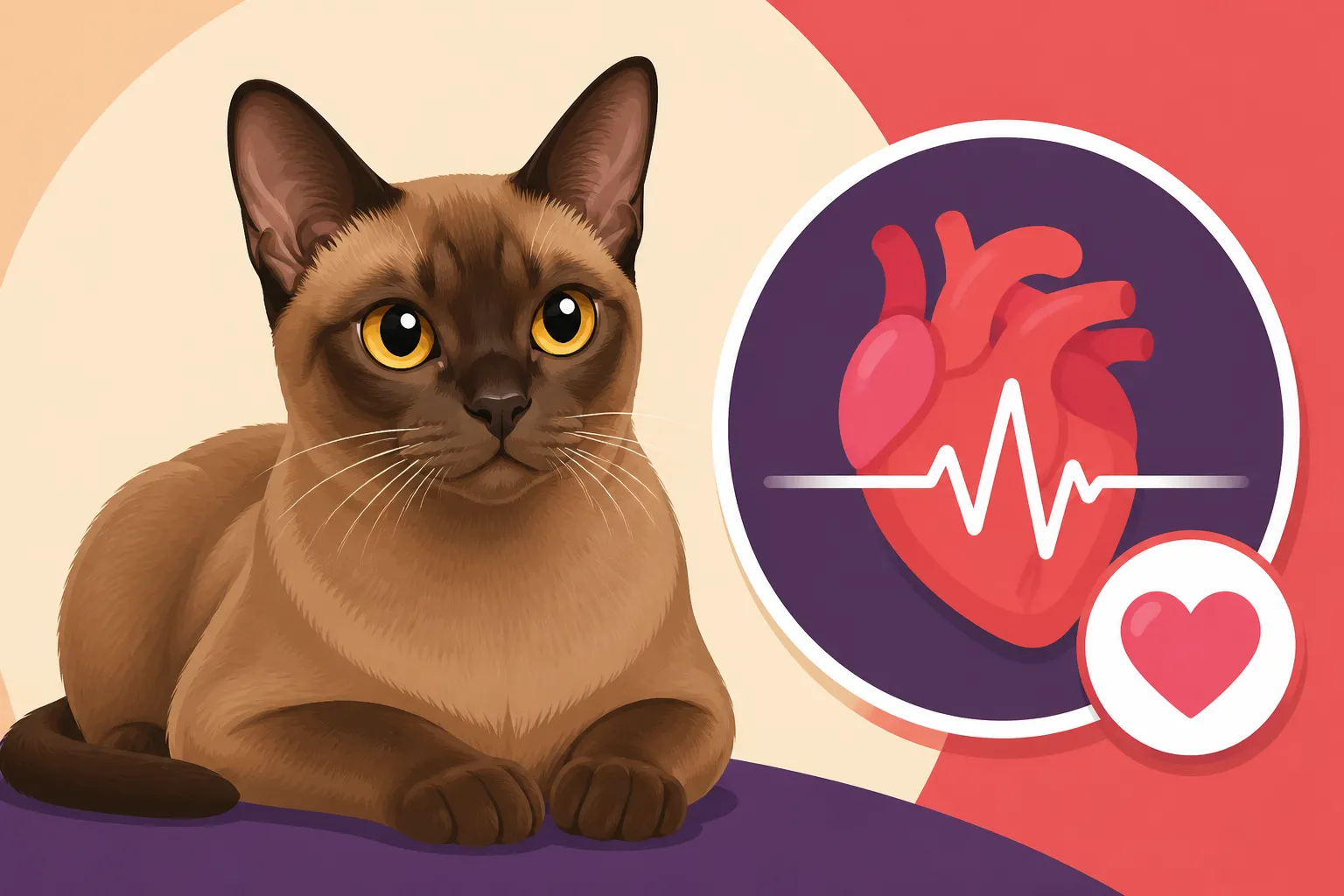
At its simplest, a heart murmur is an unusual sound made by turbulent blood flow within the heart or major blood vessels. Normally, blood flows smoothly through the heart's chambers and out to the body, producing clear, distinct "lub-dub" sounds as the valves open and close. When something disrupts this smooth flow—be it a faulty valve, a narrowed vessel, or a structural abnormality—the blood creates eddies and swirls, generating a whooshing or swishing noise that your vet can hear with a stethoscope. It’s like listening to a quiet river versus a rushing waterfall; the sound changes dramatically with turbulence.
These sounds can originate from various parts of the heart. Sometimes it's a leaky valve that isn't closing completely, allowing blood to flow backward. Other times, it might be blood trying to push through a vessel that's too narrow, or even blood flowing too quickly through an otherwise normal heart. The location, timing, and intensity of the murmur all provide clues about its potential cause, which is why your vet pays such close attention during an auscultation, which is the fancy word for listening with a stethoscope.
The Different Grades and Types of Murmurs
When your vet identifies a murmur, they'll usually try to characterize it further. This involves noting its timing in the cardiac cycle (when it occurs relative to the heartbeats), its location (where on the chest it's loudest), and its intensity or "grade." The grading system helps quantify how loud the murmur is, usually on a scale from I to VI.
- Grade I: Barely audible, very soft, often requiring a quiet room and careful listening. These are sometimes called "innocent" murmurs in kittens and may resolve.
- Grade II: Soft, but consistently audible. It's still not terribly loud but is definitely there.
- Grade III: Moderately loud, easy to hear. This is often where vets start recommending further investigation.
- Grade IV: Loud, often accompanied by a "thrill" – a vibration you can actually feel on the chest wall.
- Grade V: Very loud, with a palpable thrill, audible even with the stethoscope barely touching the chest.
- Grade VI: Extremely loud, with a palpable thrill, audible even with the stethoscope lifted slightly off the chest.
Beyond grading, murmurs are also classified by when they occur:
- Systolic Murmurs: These are the most common in cats and happen when the heart muscle contracts (systole). They can be associated with various conditions, from benign flow murmurs to serious issues like hypertrophic cardiomyopathy (HCM) or aortic stenosis.
- Diastolic Murmurs: Occur when the heart relaxes and refills with blood (diastole). These are much less common and often indicate a more severe underlying problem with heart valve insufficiency or stenosis.
- Continuous Murmurs: These are heard throughout both systole and diastole and are rare, often indicating a persistent ductus arteriosus (a congenital defect).
A higher grade typically correlates with a more significant issue, but this isn't always a hard and fast rule. A Grade III murmur could be more concerning in one cat than a Grade IV in another, depending on the underlying cause and other clinical signs. This is why further diagnostics are so important.
Benign vs. Pathological Murmurs
This is perhaps the biggest question on every cat parent's mind: is it serious or not? Heart murmurs fall into two main categories: benign (or physiological) and pathological.
Benign murmurs, sometimes called "innocent murmurs" or "flow murmurs," are typically soft (Grade I or II systolic murmurs) and don't indicate any underlying heart disease. These are more common in young, rapidly growing kittens, or in adult cats when their heart rate is elevated due to stress, excitement, or fever. For instance, if your Burmese is particularly anxious during a vet visit, the increased heart rate could temporarily create a flow murmur. If your kitten gets a Why a Burmese Kitten Needs an Early Vet Check and a murmur is detected, it's not always a cause for panic, as many resolve by 4-6 months of age. These murmurs usually disappear once the underlying transient cause resolves, or as a kitten matures. While they still warrant monitoring, they generally don't require aggressive treatment.
Pathological murmurs, on the other hand, signal an actual structural or functional problem with the heart. These are the ones that lead to genuine concern. They can be caused by congenital defects (present from birth), acquired conditions like hypertrophic cardiomyopathy (HCM), valve disease, or even conditions outside the heart like severe anemia or hyperthyroidism that put strain on the cardiovascular system. A pathological murmur means that the turbulence is due to something physically wrong, and it often requires further investigation and potentially long-term management. Early detection and understanding which category your cat's murmur falls into is crucial for appropriate care.
Specific Concerns for Burmese Cats
While any cat can develop a heart murmur, certain breeds have predispositions to specific health issues. The Burmese cat, with its unique genetics and lineage, does have a few considerations that owners should be aware of when it comes to cardiovascular health. It's important to remember that these are predispositions, not guarantees, but they highlight the importance of proactive care.
Why the Burmese Might Be Prone to Heart Conditions
Burmese cats are generally known for being robust and long-lived, often reaching The Sixteen to Eighteen Years a Well Bred Burmese Gets. However, like many purebred cats, they can carry genetic predispositions to certain health issues. When it comes to heart conditions, the Burmese doesn't have the same glaring, well-documented breed-specific genetic mutation for a condition like Hypertrophic Cardiomyopathy (HCM) that some other breeds, such as Maine Coons or Ragdolls, do. This is a good thing!
However, several factors might indirectly contribute to heart-related issues in Burmese cats. Their naturally muscular, dense build, often referred to as a "brick wrapped in silk," means they can carry more weight than they appear, and obesity is a significant risk factor for heart disease in any cat. Moreover, the Burmese breed is notably predisposed to diabetes, a metabolic disease that can, over time, place significant strain on the cardiovascular system. Why a Burmese Is Four Times More Likely to Become Diabetic is a critical read for any owner, as managing this condition is paramount for overall health, including heart health. Anything that impacts the overall health and circulatory system can eventually manifest as a heart murmur or related cardiac issues.
Common Heart Conditions Associated with Murmurs in Burmese
When a heart murmur is detected in a Burmese, one of the most common underlying conditions veterinarians consider is Hypertrophic Cardiomyopathy (HCM). HCM is a disease characterized by the thickening of the muscular walls of the heart's main pumping chamber (the left ventricle). This thickening makes it harder for the heart to pump blood effectively and relax properly to fill with blood. While not as genetically proven for Burmese as for some other breeds, HCM can occur spontaneously or as an inherited trait. How Common HCM Is in the Burmese can provide further insight into the prevalence within the breed.
Other less common, but still possible, conditions that can cause a heart murmur in a Burmese include:
- Valvular Stenosis or Insufficiency: Problems with the heart valves themselves, where they either don't open wide enough (stenosis) or don't close completely (insufficiency), leading to turbulent blood flow.
- Congenital Defects: While less common, some cats can be born with structural abnormalities of the heart, such as a ventricular septal defect (a hole between the lower chambers of the heart). These are usually identified early in life.
- Systemic Hypertension: High blood pressure, often secondary to kidney disease or hyperthyroidism, can lead to increased workload on the heart and structural changes that result in a murmur.
It’s crucial to understand that a murmur is just a clue. To pinpoint the exact cause, further diagnostic tests are almost always necessary.
The Link Between Other Burmese Health Issues and Heart Murmurs
What often goes unsaid, but is incredibly important for Burmese owners, is how interconnected different health problems can be. Your Burmese's overall health picture can directly influence the likelihood or severity of a heart murmur.
As mentioned, diabetes mellitus is a significant concern for Burmese cats. Uncontrolled diabetes can lead to systemic inflammation and damage to blood vessels, which can indirectly impact heart function over time. Managing your cat's diabetes, often through a strict diet where Why Portion Control Is Medical Care in a Burmese is critical, becomes not just about blood sugar but also about protecting vital organs like the heart.
Hyperthyroidism, a condition more common in older cats, is another major factor. An overactive thyroid gland floods the body with hormones, causing the heart to work harder and faster. This sustained overwork can lead to thickening of the heart muscle and subsequent murmurs or even heart failure. If your Burmese is When a Burmese Counts as Senior (typically around 7-10 years old), your vet will likely screen for hyperthyroidism during routine check-ups. What an Old Burmese Slows Down From often includes a decline in organ function that can impact the heart.
Even conditions like severe anemia (low red blood cell count) can cause a murmur. When the blood is thinner, it flows more rapidly and turbulently through the heart, creating a detectable sound. While not a primary heart condition, it still causes a murmur and highlights the importance of a comprehensive diagnostic approach. Therefore, when your vet hears a murmur, they’re not just looking at the heart in isolation but considering your Burmese's entire health profile.
Diagnosing and Managing a Burmese with a Heart Murmur
The moment your vet detects a heart murmur, it's natural to feel a wave of anxiety. But remember, this detection is the first step toward understanding and managing the situation. Modern veterinary medicine offers excellent tools to diagnose the cause of a murmur and create an effective care plan for your beloved Burmese.
Initial Veterinary Steps and Diagnostic Tools
After hearing a murmur during a physical exam, your veterinarian will likely recommend a series of diagnostic tests. These tests are vital for distinguishing between a benign "flow murmur" and a pathological one that requires intervention. One of the first and most common recommendations might be bloodwork, including a full chemistry panel and complete blood count, to check for underlying conditions like anemia, kidney disease, or hyperthyroidism, all of which can affect heart health. Which Blood Panel a Burmese Should Have Yearly is a crucial discussion to have with your vet, especially as your cat ages.
The gold standard for diagnosing specific heart conditions, especially HCM, is an echocardiogram. This is essentially an ultrasound of the heart, performed by a veterinary cardiologist or a vet with specialized training. An echocardiogram allows the vet to visualize the heart's structure in real-time: they can see the thickness of the heart muscle, the size of the chambers, how well the valves are functioning, and the direction and speed of blood flow. It’s non-invasive and provides invaluable information about the heart's health and the precise cause of the murmur. Knowing Whether a Burmese Needs an Echo Before Breeding is also a common question for responsible breeders, highlighting its importance.
Other diagnostic tools your vet might use include:
- Chest X-rays: These can show the overall size and shape of the heart, indicating if it's enlarged, and can also reveal fluid buildup in the lungs (pulmonary edema) which is a sign of congestive heart failure.
- Electrocardiogram (ECG): An ECG measures the electrical activity of the heart, which can detect arrhythmias (irregular heartbeats) or other electrical abnormalities.
- Blood Pressure Measurement: High blood pressure can contribute to heart issues, and it's easily measured using a cuff, similar to how it's done in humans.
Treatment Options and Prognosis
The treatment for a heart murmur depends entirely on its underlying cause and the severity of any diagnosed heart disease. If it's a benign murmur or one caused by a treatable condition like hyperthyroidism or anemia, addressing that primary issue may resolve the murmur or prevent further cardiac complications. For example, treating hyperthyroidism often sees the heart murmur disappear as the heart rate returns to normal.
If your Burmese is diagnosed with a primary heart condition like HCM, the goal of treatment is to manage the disease and slow its progression, often with medication. Medications might include:
- Beta-blockers or Calcium Channel Blockers: These help relax the heart muscle, slow the heart rate, and improve the heart's ability to fill with blood.
- Diuretics: If congestive heart failure is present, diuretics help remove excess fluid from the body, particularly from the lungs, making it easier for your cat to breathe.
- ACE Inhibitors: These medications help relax blood vessels, reducing the workload on the heart.
- Anti-clotting medications: Some cats with advanced HCM are at risk of developing blood clots, so medications like Plavix might be prescribed to prevent this potentially fatal complication.
The prognosis varies widely depending on the specific condition, its severity, and how early it's diagnosed and managed. Some cats with mild HCM can live for many years with appropriate medication and regular monitoring, maintaining a good quality of life. Regular follow-up appointments, including repeat echocardiograms, will be essential to track the progression of the disease and adjust medication as needed. Early detection and consistent veterinary care are absolutely key to a better outcome.
Living with a Burmese Heart Murmur
Caring for a Burmese with a heart murmur, especially if it's due to an underlying heart condition, becomes a part of your daily routine. It's a commitment to vigilance and consistent care, but completely manageable for dedicated owners.
First and foremost, medication adherence is paramount. Missing doses or giving incorrect amounts can have serious consequences. Your vet will instruct you on how to administer medications, and many Burmese cats are incredibly tolerant of daily pills, especially when associated with positive reinforcement like a favorite treat or a cuddle.
Monitoring at home is also critical. You'll become attuned to subtle changes in your cat's behavior, appetite, and breathing. Watch for signs of worsening heart disease, such as increased respiratory rate or effort (especially while resting or sleeping), coughing, lethargy, or a decrease in appetite. Why a Burmese Hides Illness Behind Its Affection means you need to be extra observant for subtle signs. Regular weighing your cat at home can also be helpful; sudden weight gain could indicate fluid retention. How to Weigh a Burmese Accurately at Home and Why a Burmese's Weight Should Be Recorded Monthly are excellent resources for this vital practice.
Maintaining a low-stress environment is beneficial for any cat with a heart condition. Stress can elevate heart rate and blood pressure, putting extra strain on the heart. Keep routines consistent and provide a calm, secure home.
Finally, consider the financial implications. Managing a chronic heart condition can involve ongoing medication costs, regular vet visits, and periodic specialized diagnostics like echocardiograms. This is where pet insurance can be a lifesaver. Providers like Healthy Paws offer comprehensive plans that, if started before any symptoms appear, can help cover a significant portion of these expenses. Always check the policy details regarding pre-existing conditions. Having a good insurance plan from Healthy Paws can provide immense peace of mind, allowing you to focus on your cat's health without added financial stress.
Prevention and Proactive Care for Your Burmese
While not all heart conditions are preventable, especially those with a strong genetic component, there's a lot you can do as a responsible Burmese owner to promote overall heart health and catch any issues early. Proactive care is truly the best defense for your beloved companion.
The Role of Regular Vet Check-ups
This might sound obvious, but consistent veterinary care is the cornerstone of heart health prevention and early detection. Even if your Burmese seems perfectly healthy, How Often a Healthy Adult Burmese Needs Checking is a non-negotiable part of responsible pet ownership. During these annual (or bi-annual for seniors) visits, your vet will perform a thorough physical examination, which always includes listening to your cat's heart. This regular auscultation is precisely how a new murmur might be discovered.
Catching a murmur early, even if it's subtle, allows your vet to begin monitoring and recommend further diagnostics before the condition progresses significantly. Early diagnosis of conditions like HCM means treatments can be initiated sooner, potentially slowing the disease's progression and improving your cat's long-term quality of life. Remember, cats are masters at masking illness, and your vet's keen ear might pick up on something you wouldn't notice at home.
Nutritional Considerations for Heart Health
What your Burmese eats plays a significant role in its overall health, and by extension, its heart health. Maintaining a healthy body weight is critical. Obesity puts extra strain on the heart and other organ systems, increasing the risk of various health problems, including diabetes and hypertension, which can then lead to heart issues. Why a Burmese's Weight Should Be Recorded Monthly helps you stay on top of this.
For Burmese cats, specifically, managing carbohydrate intake is incredibly important due to their predisposition to diabetes. A diet rich in high-quality protein and low in carbohydrates is generally recommended. This type of diet helps maintain a healthy weight and optimal muscle mass, while also reducing the risk of developing diabetes, a condition that can indirectly impact heart function. A high-moisture, wet food diet is often preferred over dry kibble for this reason. Always discuss your Burmese's specific dietary needs with your veterinarian to ensure you're providing the best nutrition for their heart and overall well-being.
Breeder Responsibility and Genetic Screening
When acquiring a Burmese kitten, choosing a responsible breeder is one of the most proactive steps you can take for its future health. Reputable breeders are committed to the health of their lines and will actively screen their breeding cats for known genetic conditions.
While there isn't a universally recognized genetic test for HCM specific to the Burmese breed like there is for some others, ethical breeders often screen their breeding cats for heart murmurs and other cardiac abnormalities through regular veterinary check-ups and sometimes even routine echocardiograms. They should be transparent about the health history of their breeding lines, including any incidence of heart disease. Don't hesitate to ask questions about the parents' health, particularly their cardiac history, and request to see health certificates or vet records. A breeder who is open and honest about potential health concerns is a sign of someone dedicated to the breed's welfare, giving you the best chance of bringing home a healthy, happy Burmese.
Heart Murmur Grades and Potential Implications
| Murmur Grade | Description | Clinical Significance (General) | Typical Action |
|---|---|---|---|
| I (Faint) | Barely audible, very soft. | Often "innocent" (physiological), especially in kittens or stressed cats. | Monitor, recheck in 4-6 weeks or at next routine exam. |
| II (Soft) | Soft, but consistently audible. | Can be innocent, but warrants closer attention. | Monitor, recheck, consider initial diagnostics if persistent. |
| III (Moderate) | Moderately loud, easy to hear. | Often indicates underlying heart disease; rarely innocent in adults. | Recommend echocardiogram and other diagnostics. |
| IV (Loud) | Loud, with a palpable "thrill." | Almost always indicates significant heart disease. | Urgent recommendation for echocardiogram and specialist consultation. |
| V (Very Loud) | Very loud, thrill easily palpable. | Severe heart disease, audible even with stethoscope barely on chest. | Immediate echocardiogram and treatment plan with cardiologist. |
| VI (Extreme) | Extremely loud, thrill palpable. | Most severe heart disease, audible with stethoscope off chest. | Immediate echocardiogram and intensive care/treatment. |
Disclaimer
The information provided in this article is for general educational purposes only and should not be considered a substitute for professional veterinary advice. Always consult with a qualified veterinarian for any health concerns or before making any decisions related to your pet's health and treatment.