What an Old Burmese Slows Down From
The beautiful, active, and endlessly affectionate Burmese cat is known for its youthful spirit, often playing and romping well into their golden years. It can be heartbreaking, then, to witness your once-boundless companion begin to slow down. This isn't just a sign of age; it’s often an indication of underlying changes in their health or well-being that require your compassionate attention and sometimes, veterinary intervention. This guide will walk you through the common reasons why an old Burmese might start to take life at a gentler pace, helping you understand what to look for and how to ensure their comfort and quality of life.
The Inevitable March of Aging and Energy Levels
Just like us, cats experience a natural decline in energy as they age. What’s important for Burmese owners, though, is recognizing the difference between a normal, healthy slowing down and a sign that something more serious might be at play. Burmese cats are famous for their lively, puppy-like personalities, so any shift in their vigor can be particularly noticeable and concerning.
Subtle Shifts in Daily Routine
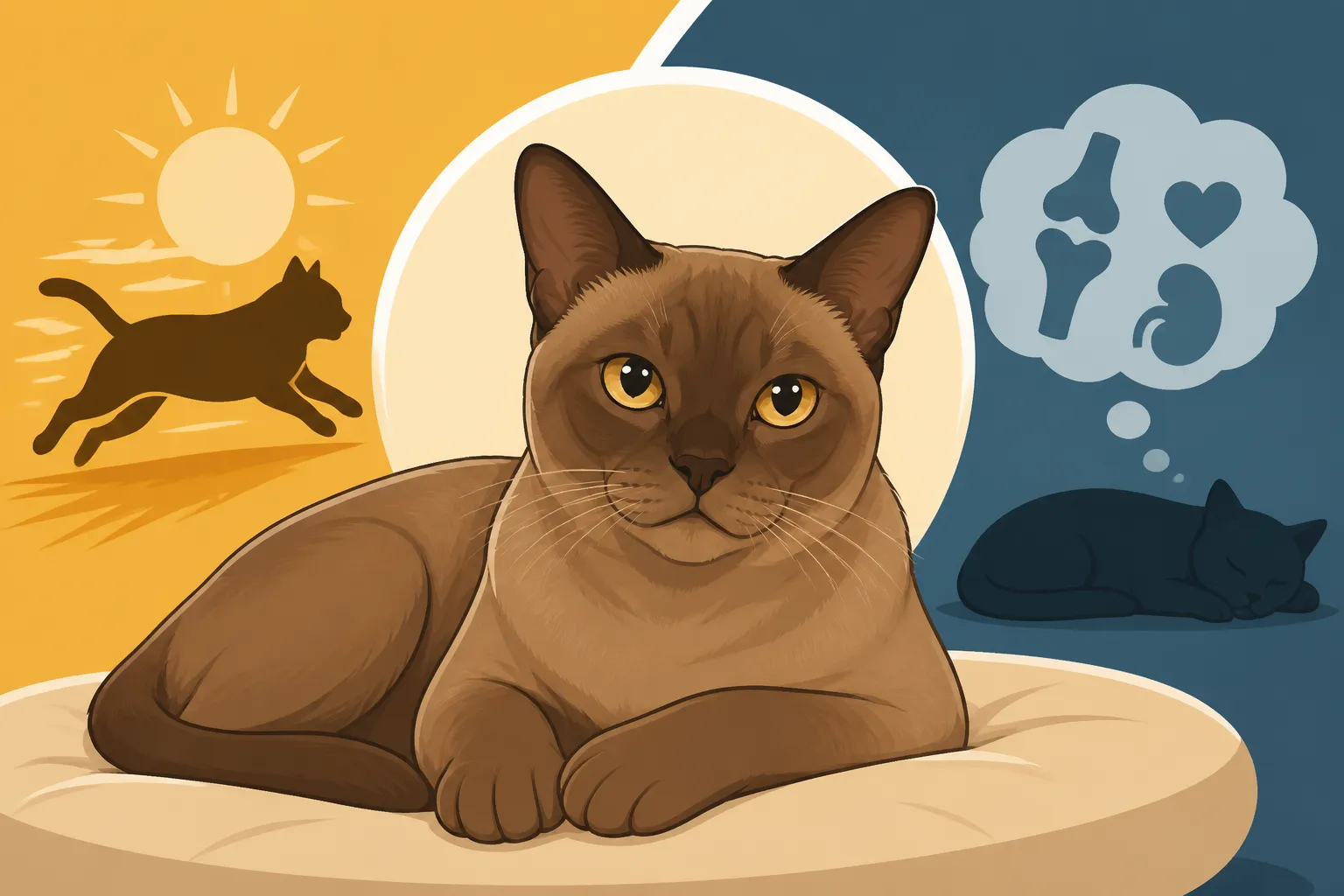
You might start to observe little changes first. Perhaps your Burmese, who once greeted you at the door with an enthusiastic dash and an immediate shoulder-climb, now takes a moment to stretch before meandering over for a head rub. Their bursts of play might become shorter, or they might prefer a gentle chase of a wand toy over an acrobatic leap. You’ll notice them indulging in longer, deeper naps, often seeking out the warmest, coziest spots in the house. This isn't necessarily a cause for alarm; it's a natural evolution of their energy expenditure. They still love to play, but their stamina just isn't what it once was.
These subtle shifts can be easy to dismiss, especially when your Burmese still retains that charming, insistent affection they're so famous for. They might still follow you from room to room, but their pace is more measured. The intense focus they once brought to every toy may now be reserved for their absolute favorites, or for moments when they feel particularly energized. It's about recognizing a change in degree rather than a complete cessation of activity. They're still your beloved "Velcro cat," but maybe the "velcro" isn't quite as sticky for as long.
Recognizing True Lethargy Versus Normal Seniority
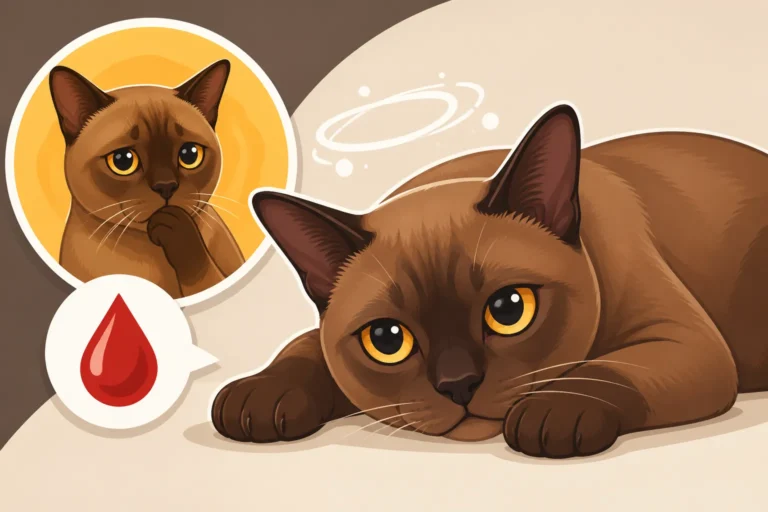
Distinguishing between healthy senior relaxation and genuine lethargy is crucial. A truly lethargic Burmese will show a marked decrease in activity, often appearing uninterested in things they usually love, even treats or affection. They might hide more, respond less to your calls, or struggle to get up and move. If your Burmese suddenly stops playing altogether, or if their sleep is almost constant and difficult to rouse them from, that's a red flag. Normal senior cats still have moments of playfulness and engagement; they just have more downtime in between.
True lethargy can be a symptom of pain, illness, or significant discomfort, and it warrants an immediate trip to the veterinarian. It's about observing your cat's overall demeanor. Are they just resting more, or do they seem genuinely unwell, withdrawn, or unwilling to interact? Keep a mental log, or even a written one, of their changes in habits. This information will be invaluable for your vet. Remember, a Burmese is incredibly good at hiding illness behind its affection, so you need to be observant. If you see a significantly withdrawn Burmese, it is best to see a vet that day.
Joint Health and Mobility Challenges
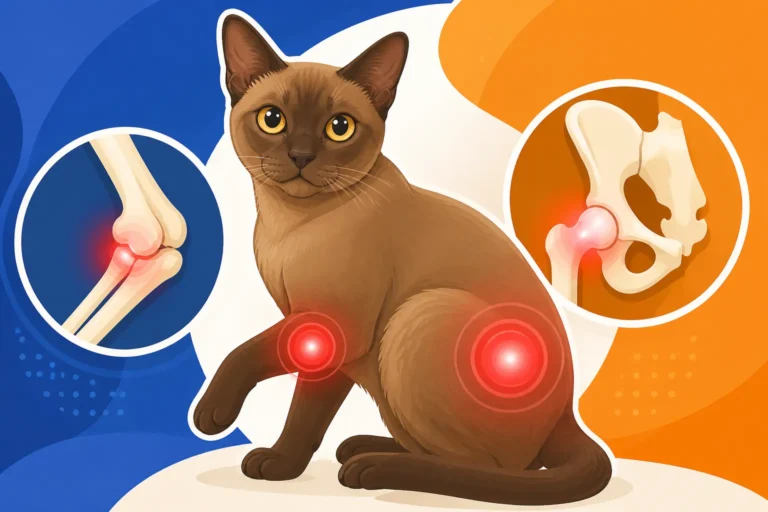
One of the most common physical reasons an older Burmese might slow down is the onset of joint issues, particularly arthritis. These conditions can make movement painful, turning once-effortless jumps and playful pounces into difficult feats.
Arthritis and Its Impact on Burmese Movement
Arthritis, or osteoarthritis, is a degenerative joint disease that affects many senior cats. It occurs when the cartilage cushioning the joints wears down, leading to bone-on-bone friction, inflammation, and pain. In a breed as active and muscular as the Burmese, the signs can sometimes be subtle, as their natural stoicism and desire to please might mask discomfort. You might notice them hesitating before jumping onto the sofa, choosing to lie on a lower surface, or taking stairs one step at a time instead of bounding up them. Their gait might appear stiffer, especially after a long nap. You might also observe them struggling with grooming certain areas, as twisting or reaching becomes painful.
It's heartbreaking to see a cat renowned for its agility and grace struggle with simple movements. The stiffness isn't just an inconvenience; it can genuinely impact their quality of life. Even when they still possess that spark of playfulness, the physical limitations imposed by arthritic joints can prevent them from fully engaging. The cold can exacerbate these issues, making them seek out warm spots even more fervently. They might resist being picked up or touched in certain areas that are painful, which can be confusing if you don't realize it's a symptom of discomfort rather than a change in their affection for you.
Managing Pain and Supporting Mobility
The good news is that veterinary medicine offers various ways to manage arthritis pain and improve mobility. Your vet might prescribe non-steroidal anti-inflammatory drugs (NSAIDs) or other pain medications to reduce inflammation and discomfort. Supplements like glucosamine and chondroitin, often found in joint-support formulas, can help support cartilage health. Environmental modifications at home can also make a huge difference. Think about adding ramps or steps to help them access favorite elevated spots, providing extra soft, orthopedic beds in easily accessible, warm areas, and ensuring litter boxes have low sides for easy entry.
Maintaining a healthy weight is also paramount. Extra pounds put additional strain on already compromised joints. This might mean adjusting their diet and continuing careful portion control, something you're likely already adept at as a Burmese owner given their propensity for being food-motivated. Regular, gentle exercise can help keep joints mobile, but always follow your vet's guidance. The goal is to keep your beloved senior comfortable and mobile for as long as possible, allowing them to continue enjoying their unique brand of affectionate companionship. Providing a warm place to sleep, like a heated bed, can significantly soothe aching joints and encourage better rest.
Metabolic and Endocrine System Changes
The endocrine system, which produces hormones, can undergo significant changes with age, leading to conditions that profoundly affect a Burmese's energy levels and overall health. Two of the most common in older cats are diabetes mellitus and hyperthyroidism.
Diabetes Mellitus in Senior Burmese
The Burmese breed has a well-documented genetic predisposition to developing diabetes mellitus, often appearing in middle to senior age. It’s devastating to learn that a Burmese is four times more likely to become diabetic compared to other breeds. When a cat has diabetes, its body either doesn't produce enough insulin or can't effectively use the insulin it does produce, leading to high blood sugar levels. Uncontrolled diabetes can cause a range of symptoms that manifest as a "slowing down." Your cat might seem lethargic, weak, and less interested in play. They'll likely drink much more water and urinate more frequently, leading to weight loss despite a good, or even increased, appetite.
These systemic effects take a toll on their overall energy. The body isn't processing glucose correctly for energy, leading to a constant state of mild starvation at a cellular level. This is why vigilance is so important, particularly with a breed known for its love of food. Early detection and management, typically involving dietary changes to a low-carbohydrate, high-protein wet food, and often insulin injections, can significantly improve a diabetic Burmese's quality of life and even lead to remission in some cases. It's a journey, but one that can restore much of their former vitality. Knowing what diabetes looks like in a Burmese can help you act quickly.
Hyperthyroidism and Its Paradoxical Effects
Hyperthyroidism is another common endocrine disorder in older cats, often affecting cats over seven years of age. Unlike diabetes, which typically leads to lethargy, hyperthyroidism can initially cause a paradoxical surge in energy, making your cat seem more active, restless, and even agitated. However, this hyperactive state is usually accompanied by significant weight loss despite an increased appetite, a duller coat, and often increased thirst and urination. As the disease progresses, or if left untreated, the strain on their body, particularly their heart, can lead to muscle wasting, weakness, and eventually, a severe slowing down due to overall debilitation.
The cat’s metabolism runs in overdrive, burning through muscle and fat reserves, making them progressively weaker. The heart works harder, and many systems begin to fail under the constant stress. So, while early signs might be increased activity, the later stages definitely present as a slowing down, listlessness, and a general decline in health. Prompt diagnosis through blood tests and treatment – which can include medication, radioactive iodine therapy, or surgery – is vital. Managing hyperthyroidism can bring your Burmese back to a more comfortable, stable state, alleviating the underlying cause of their eventual lethargy and improving their long-term prognosis.
Organ Function Decline and Systemic Illnesses
As cats age, their internal organs naturally become less efficient. This decline in function can lead to various systemic illnesses that contribute significantly to a senior Burmese slowing down.
Kidney Disease and Its Progressive Nature
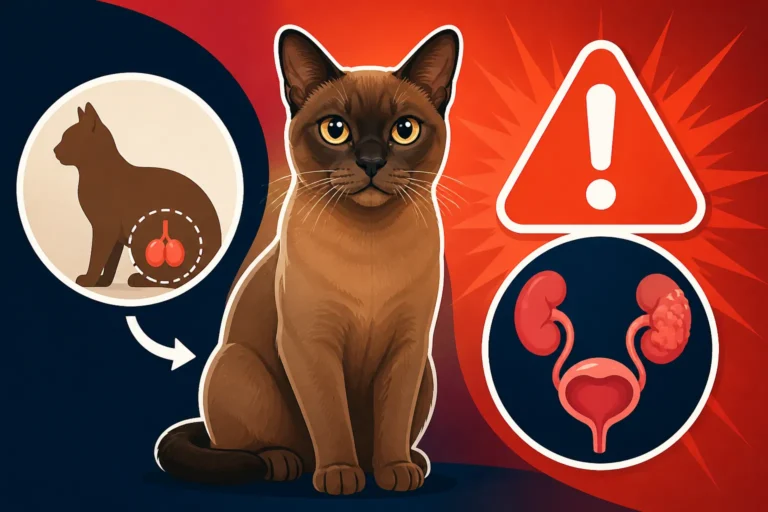
Chronic Kidney Disease (CKD) is incredibly common in older cats, including Burmese. The kidneys play a vital role in filtering waste products from the blood, maintaining hydration, and producing hormones. As kidney function declines, these waste products build up in the body, making your cat feel unwell. The early signs can be subtle: increased thirst, more frequent urination, and a slight decrease in appetite. As the disease progresses, you'll likely notice increased lethargy, weight loss, nausea, vomiting, and a dull coat. All these symptoms contribute to a noticeable slowing down of your once-active Burmese.
The constant feeling of being unwell due to toxin buildup can drastically reduce their energy and enthusiasm for life. They may sleep more, play less, and become less interested in their usual routines. Kidney disease arrives in an old Burmese gradually, which is why regular senior blood panels are so important. Early diagnosis through blood and urine tests allows for interventions such as special renal diets, fluid therapy, and medications to manage symptoms and slow the progression of the disease. While CKD is not curable, it is manageable, and with proper care, many cats can maintain a good quality of life for an extended period.
Heart Conditions and Reduced Stamina
While not as prevalent as in some other breeds like Maine Coons, Burmese cats can still develop heart conditions, most notably hypertrophic cardiomyopathy (HCM). HCM causes the muscular walls of the heart to thicken, reducing its efficiency in pumping blood. A compromised heart means less oxygenated blood reaches the muscles and organs, which directly impacts a cat’s stamina and energy levels. You might notice your senior Burmese becoming easily winded after short periods of play, breathing faster, or even developing a cough. They may be less inclined to jump or climb, preferring to stay on lower surfaces, or simply slow down dramatically during their usual activities.
A heart murmur might be detected during a routine vet check, which could be an early indicator of a heart condition. Even if a Burmese gets HCM less frequently than other breeds, it's still a possibility that contributes to their slowing down. It’s crucial to catch these issues early. Diagnostic tools like echocardiograms (heart ultrasounds) can assess heart health. While HCM often has no cure, medications can help manage the condition, improve heart function, and slow its progression, giving your cat a better quality of life and allowing them to maintain their activities for longer. Monitoring for signs of reduced stamina or difficulty breathing is key to timely intervention.
Cognitive Changes and Behavioral Shifts
Aging doesn't just affect the body; it can also impact the mind. Just like humans, cats can experience cognitive decline, and this, along with other sensory changes, can alter their behavior and contribute to a perceived slowing down.
Feline Cognitive Dysfunction Syndrome FCDS
Feline Cognitive Dysfunction Syndrome (FCDS), often referred to as cat dementia, is a neurological condition similar to Alzheimer's in humans. It affects an older cat's memory, learning, awareness, and response to stimuli. The symptoms can be varied and often make your Burmese seem to "slow down" in their mental processing and engagement. You might notice them becoming disoriented, staring blankly at walls, or getting "stuck" in corners. Their interaction patterns might change; they may seem less interested in engaging or even become more withdrawn. Altered sleep-wake cycles, where they're restless at night but sleep all day, are also common.
For a breed as intelligent and interactive as the Burmese, these cognitive changes can be particularly distressing to witness. The cat that once tracked your every move and understood your routine might now seem confused or less responsive. This mental slowing down can lead to a physical slowing down as well, as they lose the motivation or awareness to engage in their usual activities. While there's no cure for FCDS, there are ways to manage it, including certain diets rich in antioxidants and omega-3 fatty acids, supplements, and environmental enrichment to stimulate their minds. Maintaining a consistent routine can also provide comfort and reduce anxiety.
Sensory Decline and Environmental Adaptations
Beyond cognitive changes, a senior Burmese can also experience a decline in their senses, primarily vision and hearing. Reduced eyesight can make them hesitant to navigate familiar spaces, especially in low light, leading to them moving more slowly and cautiously. They might bump into furniture or become startled more easily. Similarly, hearing loss can make them less responsive to sounds they once recognized, like your voice or the rustle of a treat bag. This can make them seem aloof or less engaged, and they might sleep through sounds that used to wake them.
These sensory losses can significantly impact a cat's confidence and willingness to explore or move around with their usual alacrity. A cat that can't see or hear as well might stick to familiar paths, avoid jumping, and generally adopt a slower, more deliberate pace. To help your Burmese cope, try to keep furniture in consistent locations to minimize disorientation. Use nightlights in dimly lit areas. Approach them gently to avoid startling them, and use scent or gentle vibrations to get their attention. Their desire for warmth and physical contact often remains strong, so providing secure, easily accessible, warm sleeping spots where they feel safe is crucial.
Dental Health and Nutritional Impact
It’s easy to overlook dental health when thinking about why a cat might slow down, but chronic pain and poor nutrition stemming from dental issues can significantly impact their overall vitality. And for Burmese cats, dental problems are a particular concern.
Gum Disease and Its Systemic Effects
Burmese cats are known to be prone to gum disease, making it a critical area for owners to monitor as their cats age. Periodontal disease, which includes gingivitis and periodontitis, is incredibly common in senior cats. It involves inflammation and infection of the gums and structures supporting the teeth. The pain from severely infected teeth or receding gums can be intense, making eating very uncomfortable. A cat in chronic pain will naturally slow down, become less active, and may even appear lethargic. You might notice bad breath, drooling, or reluctance to eat hard food.
When eating becomes painful, a cat's appetite can decrease, leading to weight loss and nutritional deficiencies, which further deplete their energy reserves. Furthermore, the bacteria from severe gum disease can enter the bloodstream and affect other organs like the heart, kidneys, and liver, contributing to other systemic illnesses that make a cat feel unwell and slow them down. Regular dental check-ups, professional cleanings under anesthesia, and at-home dental care like brushing their teeth from twelve weeks can prevent or manage these issues. It's a key part of ensuring their comfort and overall health, directly impacting their ability to maintain energy and engagement. Why a Burmese's gums recede early is a concern every owner should be aware of.
Ensuring Optimal Nutrition for the Senior Burmese
Proper nutrition is paramount for a senior Burmese, especially if they are slowing down or have underlying health conditions. Their nutritional needs change as they age; they might require fewer calories to maintain a healthy weight (if not losing weight due to illness), but still need high-quality protein to maintain muscle mass. A palatable diet is essential, especially if dental issues or other illnesses affect their appetite. Good hydration is also key, and wet food can contribute significantly to their water intake.
Ensuring optimal nutrition can counteract some of the effects of aging. High-quality senior specific diets are often formulated with ingredients to support joint health, cognitive function, and kidney health. For a Burmese, who often never stops asking for food, careful portion control remains vital to prevent obesity, which exacerbates joint pain and increases diabetes risk. If your Burmese is showing signs of slowing down, a review of their diet with your veterinarian is highly recommended. They can help you select the best food for their specific needs, ensuring they get all the necessary nutrients to keep them as active and comfortable as possible. Why an old Burmese's appetite should be watched closely cannot be overstated, as subtle changes can be telling.
The Importance of Proactive Veterinary Care
While witnessing your beloved Burmese slow down can be worrying, the good news is that proactive veterinary care can often identify and manage many of the underlying causes, ensuring their golden years are as comfortable and joyful as possible.
Regular Senior Check-ups and Early Detection
As your Burmese transitions into their senior years, which typically begins around age seven, regular veterinary check-ups become even more critical. While a healthy adult Burmese needs checking once a year, senior cats benefit immensely from semi-annual (twice-yearly) visits. This increased frequency allows your veterinarian to monitor subtle changes in health, weight, and behavior that might indicate the early stages of age-related conditions. During these visits, your vet will perform a thorough physical examination, paying close attention to their teeth, joints, heart, and body condition.
Bloodwork and urinalysis are cornerstones of senior cat care. These tests can detect early signs of kidney disease, hyperthyroidism, diabetes, and other systemic issues long before outward symptoms become obvious. For instance, checking a Burmese's glucose should be done from seven years onward, given their breed predisposition to diabetes. Catching these conditions in their infancy allows for earlier intervention, which can significantly slow disease progression and improve your cat's prognosis and quality of life. Think of these visits as preventative maintenance for their internal systems, helping to keep them purring and playful for as long as possible.
Partnering with Your Vet for a Tailored Senior Plan
Your veterinarian is your most valuable partner in navigating your Burmese's senior years. Work closely with them to develop a personalized care plan tailored to your cat's specific needs, health status, and lifestyle. This might involve adjustments to their diet, recommendations for supplements to support joint or cognitive health, pain management strategies for arthritis, or specific monitoring protocols for conditions like diabetes or kidney disease. They can also advise on environmental enrichment, ways to keep an old Burmese still wanting a lap, and how to adapt your home to accommodate any sensory or mobility challenges.
Investing in a robust pet insurance plan, such as one from Healthy Paws, can also be incredibly beneficial, especially for a breed like the Burmese with known predispositions to chronic conditions like diabetes and dental issues. Healthy Paws can help alleviate the financial stress associated with the extensive diagnostics, medications, and ongoing treatments often required for senior cats. This allows you to make medical decisions based on what’s best for your beloved companion, rather than being constrained by cost. Proactive care, supported by comprehensive pet insurance, ensures you can provide the highest standard of care, helping your Burmese live out their sixteen to eighteen years, or even more, with dignity and comfort.
Remember, a "slowing down" is a signal. It's your cat asking for your help. By understanding the common causes and acting proactively with your vet, you can help your Burmese continue to enjoy their golden years, full of love and as much playful energy as their body allows.
| Common Senior Burmese Ailments | Key Signs of Slowing Down | Management Strategies |
|---|---|---|
| Arthritis | Hesitation to jump, stiffness, reduced activity, difficulty grooming | Pain relief (NSAIDs), joint supplements, environmental modifications (ramps, soft beds), weight management |
| Diabetes Mellitus | Lethargy, increased thirst/urination, weight loss despite good appetite | Low-carbohydrate diet, insulin injections, regular glucose monitoring, vet supervision |
| Hyperthyroidism | Weight loss despite increased appetite, restlessness (early), eventual weakness/lethargy | Medication, radioactive iodine therapy, surgery, special diet, vet monitoring |
| Chronic Kidney Disease | Increased thirst/urination, lethargy, reduced appetite, weight loss, nausea | Renal diet, fluid therapy, medications for symptom management, regular blood tests |
| Feline Cognitive Dysfunction | Disorientation, altered sleep/wake cycles, reduced interaction, confusion | Enriched diet, supplements, consistent routine, mental stimulation, safe environment |
| Dental Disease | Reluctance to eat, bad breath, drooling, weight loss (indirectly) | Professional dental cleanings, at-home dental care, pain management, soft food |
Disclaimer
This guide is intended for informational purposes only and should not be taken as professional veterinary advice. Always consult with a qualified veterinarian regarding any health concerns or before making any decisions about your pet's medical care. Individual needs may vary.