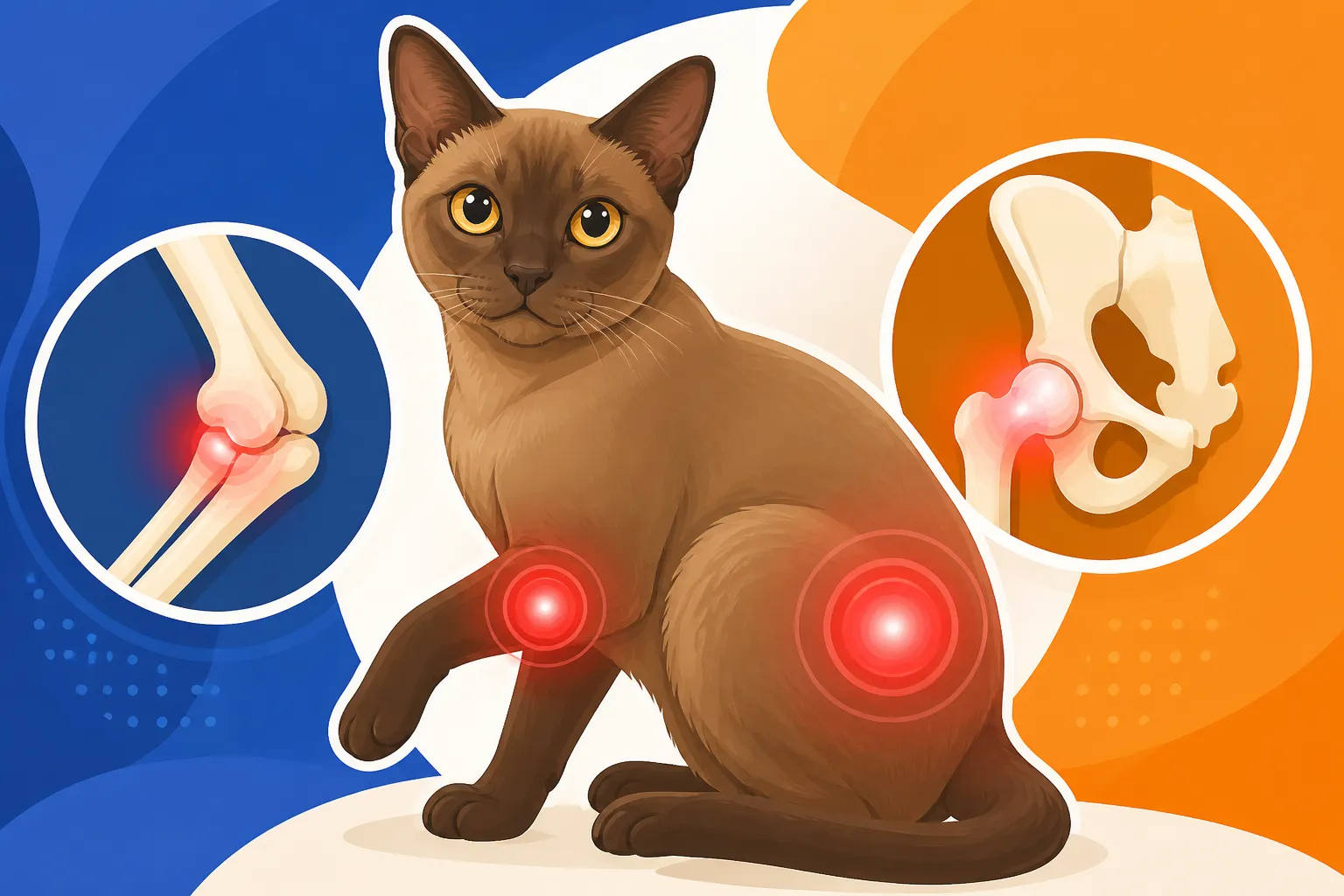
Whether a Burmese Suffers From Elbow or Hip Problems
It's incredibly frustrating when you see your beloved cat, usually so agile and full of life, start to show signs of discomfort or stiffness. While many people associate joint problems like hip or elbow issues with larger dog breeds, cat owners often wonder if their feline companions, especially purebreds like the muscular Burmese, are susceptible too. This guide aims to shed light on whether Burmese cats commonly suffer from elbow or hip problems, what to watch for, and how to proactively support their long-term joint health.
Understanding Joint Health Challenges in Cats
Joint health is a crucial component of a cat's overall well-being, directly impacting their mobility, comfort, and quality of life. When we talk about joint problems, we're generally referring to conditions that affect the smooth functioning of bones, cartilage, and ligaments within a joint. These can range from developmental abnormalities to degenerative diseases that worsen over time. The worry for any pet owner is seeing their active companion become reluctant to jump, play, or even groom themselves comfortably.
Common Feline Joint Conditions
While not as widely discussed as in dogs, cats can indeed suffer from a variety of joint conditions. Two of the most common, and perhaps the ones most people think of, are hip dysplasia and luxating patella.
Hip dysplasia, for instance, is a genetic condition where the ball and socket joint of the hip doesn't form properly. Instead of a smooth, snug fit, the joint is loose, which can lead to friction, pain, and eventually degenerative arthritis. Cats with hip dysplasia might exhibit a reluctance to jump, a bunny-hopping gait, or pain when their hips are touched. It's often seen in larger, heavier cat breeds, but any cat can potentially be affected. The severity can vary greatly, from mild cases that cause little discomfort to debilitating conditions requiring significant management. Imagine the frustration of a cat that wants to chase a toy but finds every leap agonizing; it truly impacts their core feline joy.
Luxating patella, on the other hand, involves the kneecap (patella) slipping out of its normal groove. This can happen temporarily or become a chronic issue, causing intermittent lameness or a sudden skip in their step. It's often genetic and can be present from birth, though signs might not appear until later in life. While some cats learn to live with it, others experience significant pain and discomfort, leading to avoidance of stairs or high jumps. For an animal whose world involves so much vertical exploration, this can be a real quality-of-life crusher. Other issues, such as osteoarthritis, can develop in any joint over time due to wear and tear, injury, or secondary to these developmental conditions.
How Genetics and Lifestyle Impact Joint Health
The development of joint problems in cats is rarely due to a single factor. More often, it's a complex interplay between genetics and environmental influences. Genetic predisposition is, of course, a huge one. Specific breeds are known to carry genes that increase their risk for certain conditions. For example, some purebred lines have a higher incidence of hip or elbow dysplasia due to selective breeding that, unfortunately, sometimes overlooked health traits in favor of appearance. This is why conscientious breeders are so vital, actively screening their breeding stock to reduce the prevalence of these hereditary conditions.
Beyond genetics, lifestyle factors play a significant role. Obesity, in particular, puts immense strain on a cat's joints, accelerating wear and tear and exacerbating any underlying conditions. A cat carrying extra weight will experience more pressure on their hips, knees, and elbows with every jump, run, and even just standing still. Poor nutrition, especially during growth, can also impact bone and joint development. Over-exercising a kitten or allowing them to jump excessively from high places at a young age before their growth plates have fully closed might also contribute to future issues. Environmental hazards, like slippery floors or repeated hard landings, can cause injuries that lead to long-term joint problems. It's a tricky balance to ensure enough activity without risking undue stress on their developing bodies.
Burmese Cats and Specific Joint Conditions
Now, let's talk about our beloved Burmese cats. When considering their breed-specific health, it’s natural to wonder about conditions like hip and elbow problems, especially given their incredibly muscular build. Burmese are known for being "bricks wrapped in silk" – dense, heavy, and powerful cats despite their medium size. This robust physique might lead one to believe they'd be prone to joint issues, but thankfully, this isn't necessarily the case.
Is Hip Dysplasia a Concern for Burmese Cats?
Compared to some larger purebred cat breeds, the Burmese is generally not considered to be at a significantly elevated risk for hip dysplasia. While no breed is entirely immune to any condition, hip dysplasia is not a hallmark health concern within the Burmese breed standard or a commonly reported issue by reputable breeders. In fact, most breeders focus on other well-known genetic predispositions when screening their lines, such as hypokalemia or diabetes risk.
This isn't to say it never occurs. Any cat, regardless of breed, can theoretically develop hip dysplasia, particularly if there's a congenital anomaly or severe trauma. However, unlike some other breeds where hip scoring is a standard practice for breeding cats, it’s not typically a primary concern or mandatory screening for Burmese breeders. This means that if you're acquiring a kitten, you're less likely to find specific hip x-ray certifications for the parent cats, not because breeders are negligent, but because it's simply not a prevalent issue that demands routine screening within the breed. Your vet would likely only investigate hip dysplasia if your Burmese started showing distinct clinical signs of hip pain or lameness, rather than as a routine preventative measure.
What About Elbow Dysplasia or Patellar Luxation in Burmese?
Similarly, elbow dysplasia is exceptionally rare in Burmese cats. This condition, which involves abnormal development of the elbow joint, is much more common in certain dog breeds and is not typically seen as a significant health concern for felines, least of all the Burmese. You'll find very little, if any, specific breed literature pointing to the Burmese as being predisposed to elbow problems.
Patellar luxation, while more common in cats than elbow dysplasia, is also generally not a defining characteristic of Burmese health. It's seen more frequently in smaller, fine-boned breeds or those with specific limb conformations. The sturdy, well-muscled build of the Burmese actually tends to make them less prone to such issues. Their powerful legs and compact body structure contribute to a stable skeletal system. Again, if a Burmese were to develop patellar luxation, it would likely be an isolated case due to individual genetic variations, trauma, or perhaps a unique conformation not typical of the breed standard, rather than a widespread breed-specific problem. It’s important to remember that general cat health and aging can lead to problems, but the Burmese themselves are not particularly singled out for these conditions.
Recognizing Signs of Joint Discomfort in Your Burmese
Even though Burmese cats aren't typically predisposed to elbow or hip problems, it’s still incredibly important for owners to be vigilant. Cats are masters at hiding pain, a remnant of their wild ancestors who wouldn't show weakness to predators. This means subtle changes might be the only clue that something is amiss with your otherwise affectionate and attention-seeking companion. If your Burmese suddenly stops doing things they used to love, it’s a big red flag.
Subtle Behavioral Changes to Watch For
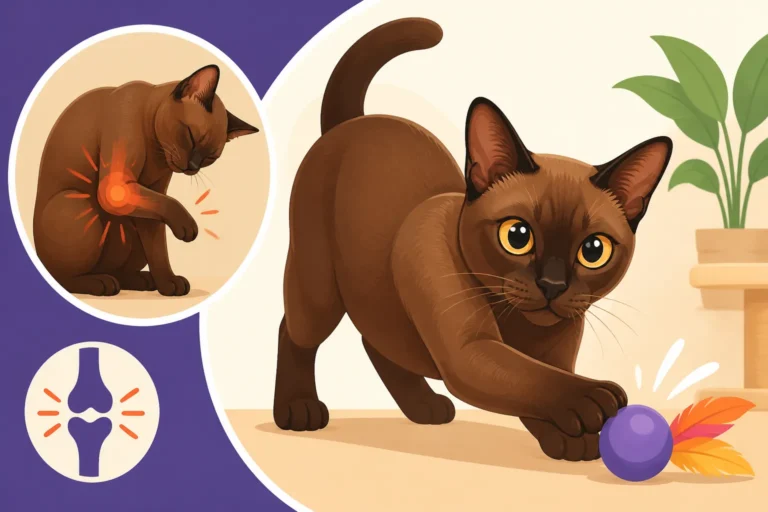
The Burmese are known for their incredibly playful and interactive nature, often remaining kittenish well into old age. This makes behavioral changes particularly noticeable. If your Burmese is usually right on your shoulder, constantly interacting, and then starts to withdraw, it’s worth paying attention. A cat that normally loves to play will suddenly become less enthusiastic about chasing a wand toy or retrieving a crumpled paper ball. They might still show interest but stop short of the full pounce or jump, perhaps opting for a more sedate interaction. This isn't just a sign of them slowing down with age; it could be pain.
You might also notice changes in their grooming habits. Cats with painful joints can find it difficult to twist and stretch to groom certain areas, leading to a duller, unkempt coat, especially around their back or hindquarters. Conversely, some cats over-groom or lick excessively at a painful joint. Their sleeping patterns could shift, perhaps choosing easier-to-access, lower sleeping spots instead of their usual high perch on the cat tree or on top of a wardrobe. A Burmese is also famous for wanting to sleep under the covers or snuggled tightly against you for warmth; if they're suddenly avoiding jumping onto the bed, it could be a sign of discomfort. Sometimes, the change is as simple as a slight hesitation before jumping or a less graceful landing than usual. These small, often overlooked, cues are your cat’s way of communicating distress without making a fuss. Remember, a Burmese hides illness behind its affection, so look beyond the purrs.
Physical Symptoms and When to Seek Vet Care
While behavioral changes are often the first indicators, there are also more concrete physical symptoms to look out for. Observe your Burmese’s gait. Do they walk with a noticeable limp or stiffness, especially after resting? Do they seem reluctant to put weight on a particular leg? You might notice a subtle "bunny hop" when they run, where both back legs move together. When they stand, observe if they shift their weight or favor one side. You might also notice muscle atrophy, where a painful limb loses muscle mass over time, appearing thinner compared to the other.
Gently palpating their joints can sometimes reveal warmth, swelling, or even pain if they vocalize or pull away. However, it's crucial to be gentle and observe their reactions rather than trying to diagnose yourself. Any significant change in their normal movement, willingness to jump, or even their overall demeanor warrants a trip to the veterinarian. Early diagnosis and intervention are key to managing joint conditions effectively and improving your cat's quality of life. Don't wait until the symptoms are severe; a vet can often detect subtle issues through a physical examination and may recommend further diagnostics like X-rays if a joint problem is suspected. If you have pet insurance like Healthy Paws, having your vet investigate these early signs can also help ensure coverage for any future treatments related to a diagnosed condition.
Here's a quick reference table for subtle signs:
| Symptom Category | Normal Burmese Behavior | Potential Joint Discomfort Sign |
|---|---|---|
| Mobility | Agile, jumps easily, climbs, runs fast | Hesitation before jumping, struggles with stairs, limping, stiffness after rest, bunny-hopping gait |
| Activity Level | Extremely playful, high energy, chases toys | Less interested in play, shorter play sessions, avoids high jumps or pounces, prefers sitting/lying |
| Grooming | Meticulous, smooth, shiny coat | Unkempt areas, matted fur, excessive licking at a joint, difficulty reaching certain spots |
| Posture/Stance | Balanced, fluid movements, confident stride | Shifts weight, favors a limb, hunched posture, difficulty getting up/down |
| Interaction | Velcro cat, seeks attention, lap cat, follows you | Withdraws, hides more, less tolerant of petting in certain areas, avoids being picked up |
| Vocalization | Rasping rumble, conversational, purrs loudly | Increased purring (can be a sign of pain), growling or hissing when touched in certain areas |
| Sleeping Habits | Sleeps anywhere warm, under covers, high perches | Avoids high sleeping spots, restless sleep, changes preferred sleeping position |
Proactive Care for Your Burmese's Joint Health
While Burmese cats may not be predisposed to hip or elbow dysplasia, that doesn't mean we can ignore their joint health entirely. Like all cats, they benefit immensely from proactive care that supports their entire musculoskeletal system, especially as they age. Think of it as investing in their future mobility and comfort.
Maintaining a Healthy Weight and Diet
This cannot be stressed enough: maintaining a healthy weight is perhaps the single most important factor in preserving your Burmese's joint health, and indeed, their overall well-being. Burmese are notoriously muscular and can carry weight deceptively. Why a Burmese is heavier than it looks is a common revelation for new owners. An overweight cat puts undue stress on all its joints, accelerating the wear and tear process and exacerbating any minor underlying issues. It also increases their risk for other serious conditions like diabetes. Why portion control is medical care in a Burmese directly ties into this, as their insatiable appetites can lead to quick weight gain.
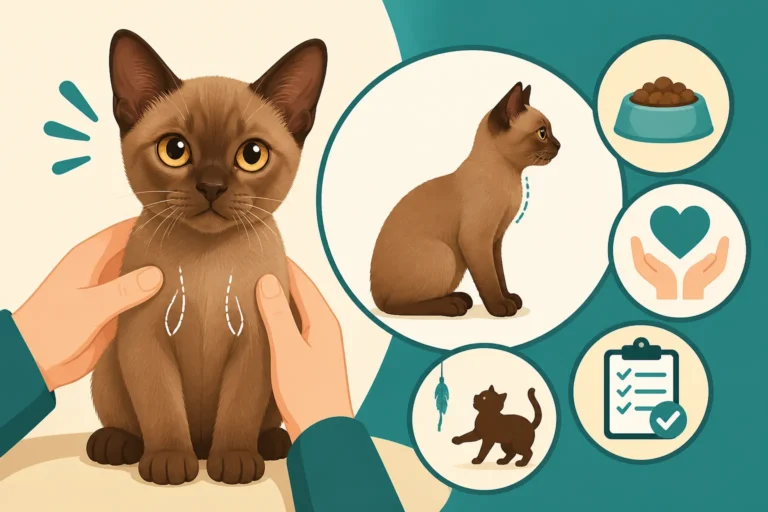
To combat this, a carefully controlled, low-carbohydrate diet is essential. Focus on high-quality wet food that meets their protein needs without excess calories. Regularly weigh your Burmese at home – monthly is ideal – to ensure they stay within a healthy range. What an adult Burmese should weigh provides a good benchmark. If you notice even a slight increase, adjust their portions immediately, but slowly. Why rapid weight loss gives a Burmese fatty liver is a critical piece of information to remember; gradual changes are always safest. You want to feel their ribs easily under their satin coat without them being visible. Talk to your vet about the best diet plan for your individual cat, especially if they are already overweight or nearing their senior years. This preventative measure is far less costly and more comfortable for your cat than managing a joint problem later on.
The Importance of Regular Vet Check-ups and Early Detection
Routine veterinary care is your best ally in proactive joint health management. Even if your Burmese seems perfectly fine, yearly check-ups, or even bi-annual ones as they age, allow your vet to perform a thorough physical examination, including palpating their joints and assessing their gait. They can spot subtle stiffness or changes in range of motion that you might miss at home. How often a healthy adult Burmese needs checking will depend on their age and overall health, but don't skip those appointments.
As your Burmese gets older, perhaps around the age of twelve, these check-ups become even more crucial. What an old Burmese slows down from often includes the subtle onset of arthritis in various joints, even if it’s not hip or elbow dysplasia. Your vet can recommend supplements, such as glucosamine and chondroitin, or even omega-3 fatty acids, which can support cartilage health and reduce inflammation. For those with insurance like Healthy Paws, early detection of any health issue means you can start treatment sooner, potentially leading to better outcomes and coverage for ongoing care. If your vet notes that How arthritis shows in a Burmese that still plays, they can suggest appropriate management strategies, including pain relief an old Burmese can take. Don't underestimate the value of these regular visits; they are key to catching potential issues before they significantly impact your cat's comfort and quality of life. Caring for a Burmese past twelve requires extra vigilance and a good partnership with your vet.
Disclaimer
This article is for general informational purposes only and does not constitute professional advice. Laws, prices and regulations vary by location and change over time. Consult a qualified professional for guidance on your specific situation.