Whether a Burmese Gets Cherry Eye
There's nothing quite as alarming as seeing something unusual pop up in your beloved Burmese's eye, and it's natural to immediately worry about serious conditions. Many cat owners, especially those who have also had dogs, might be familiar with the term "cherry eye" and wonder if this specific issue can affect their feline companions. This comprehensive guide will delve into what cherry eye is, how it presents in cats (if at all), and whether the Burmese cat breed faces any particular risk, helping you understand this condition and put your mind at ease.
Understanding Cherry Eye and Its Rarity in Cats
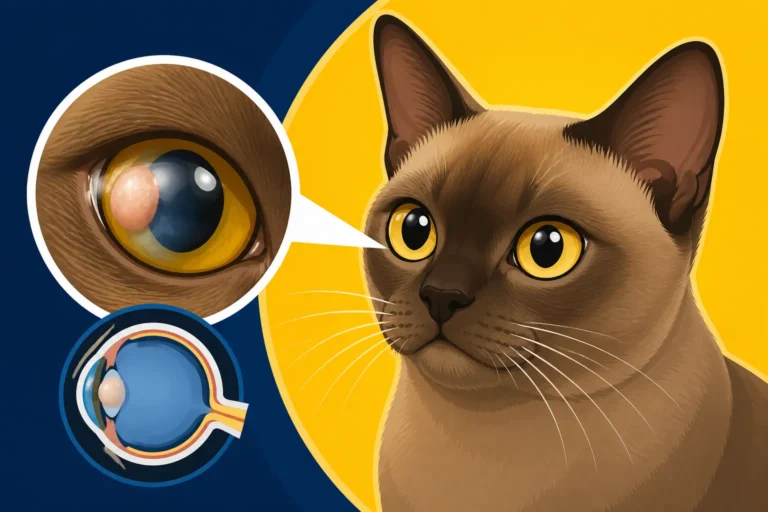
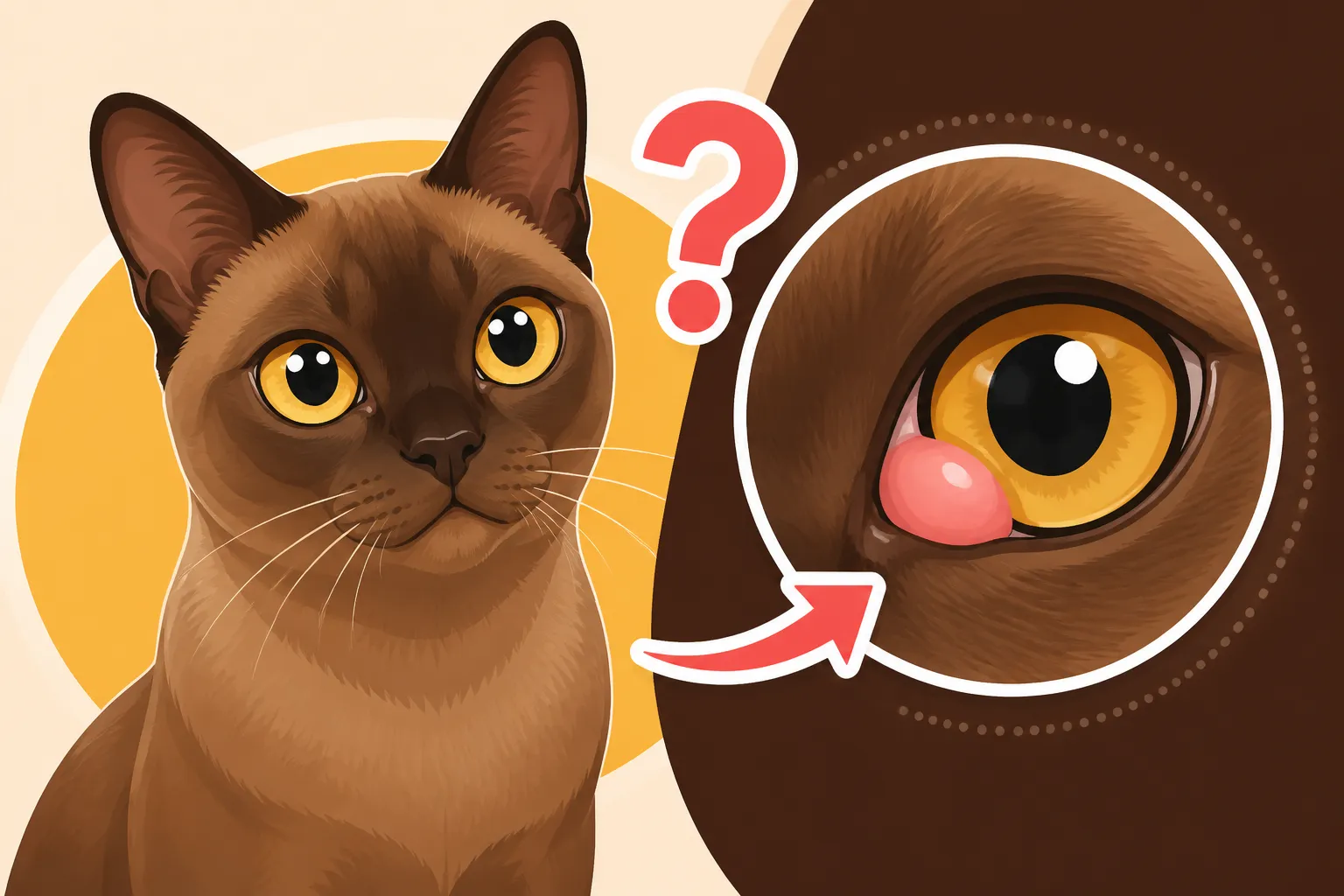
Cherry eye, officially known as a prolapse of the nictitating membrane (or third eyelid) gland, is a condition where the tear-producing gland located at the base of the third eyelid pops out of its normal position. Instead of being tucked away, it becomes visible as a red, swollen mass in the inner corner of the eye, resembling a small cherry. It can look quite startling and uncomfortable for any pet owner to witness.
While this condition is distressingly common in certain dog breeds, like Bulldogs, Beagles, and Cocker Spaniels, it is exceptionally rare in cats. This isn't just a slight difference; it's a significant disparity that many cat owners are relieved to learn. When a cat does present with something that looks like cherry eye, veterinarians often investigate deeper for underlying causes rather than assuming it's a primary prolapse like in dogs. This highlights a fundamental difference in feline and canine ocular anatomy and predispositions.
The structure of a cat's third eyelid, or nictitating membrane, is somewhat different from a dog's, making it less prone to this type of spontaneous prolapse. In cats, if the third eyelid gland is visible, it's usually a secondary symptom of another problem, rather than the gland itself simply failing to stay put due to weakened connective tissue. This means if you see anything resembling cherry eye in your Burmese, it's a strong indicator that something else is going on, and it's not likely to be the "classic" cherry eye that dog owners are familiar with.
Is the Burmese Cat Predisposed to Cherry Eye
The good news for Burmese cat owners is that the breed is generally not predisposed to cherry eye. In fact, cats of any breed very rarely develop this condition as a primary issue. When ocular problems do arise in Burmese cats, they tend to involve other areas of eye health. For instance, some Burmese lines might exhibit a slightly rounder, more compact head shape compared to their ancestors, which can sometimes lead to mild issues with tear drainage, resulting in Why a Burmese's Eyes Water and Crust or tear staining. However, this is quite distinct from a cherry eye prolapse.
Unlike breeds known for genetic predispositions to specific eye conditions, the Burmese doesn't carry a known genetic marker for cherry eye. Breeders focus their health testing on concerns like Which Diseases the Burmese Actually Carries, such as Hypokalemia and diabetes, rather than cherry eye. This absence from breed-specific health registries and common concerns is further testament to its rarity in the breed. If a Burmese cat were to display a "cherry eye" appearance, it would likely be an indicator of an underlying issue causing the third eyelid to become inflamed, swollen, or to protrude, rather than the gland itself spontaneously prolapsing due to inherent weakness.
For example, trauma to the eye area, severe allergic reactions, certain viral infections (like Feline Herpesvirus), or even a mass or tumor behind the third eyelid could cause it to bulge or become prominent, mimicking the look of cherry eye. Therefore, if you observe such a symptom in your Burmese, it's crucial to seek veterinary attention promptly, not necessarily because of the "cherry eye" itself, but because it’s a red flag for a different, potentially more serious, underlying ocular condition. Remember, even though Burmese are affectionate and often Why a Burmese Hides Illness Behind Its Affection, unusual symptoms like this should never be ignored.
Recognising Symptoms and Getting a Diagnosis
If your Burmese cat does present with an abnormal protrusion in the corner of its eye, what should you look for, and what can you expect at the vet? The primary sign would be a red, swollen mass appearing in the inner corner of one or both eyes. This mass might look like a small, fleshy bump that wasn't there before. It could be accompanied by other signs of discomfort, such as pawing at the eye, excessive blinking, increased Why a Burmese's Eyes Weep in the Corners, or a reluctance to open the eye fully. Sometimes, the conjunctiva (the pink tissue lining the eyelids) might also appear red and inflamed.
When you take your Burmese to the veterinarian, they will perform a thorough ophthalmic examination. This involves carefully inspecting the eye and surrounding structures, checking for signs of injury, foreign bodies, or other abnormalities. They might use an ophthalmoscope to look deeper into the eye and apply fluorescein stain to check for corneal ulcers. Since primary cherry eye is so uncommon in cats, your vet will be looking for underlying causes that could be causing the third eyelid to protrude. This could include infections, inflammation, allergic reactions, or even growths.
A differential diagnosis might involve ruling out conditions like conjunctivitis (inflammation of the conjunctiva), a foreign object lodged under the third eyelid, or even a corneal dermoid, which is another rare congenital eye issue that, unlike cherry eye, does have specific breed incidences. Your vet may take samples for laboratory testing, such as swabs for viral cultures or cytology to examine cells for signs of infection or abnormal growth. Getting a definitive diagnosis is key, as the treatment will depend entirely on the root cause of the third eyelid protrusion, rather than just treating a "cherry eye" as an isolated event. This is where pet insurance, like a policy from Healthy Paws, can really make a difference, covering diagnostics and treatment for unexpected conditions.
Treatment Approaches for Feline Third Eyelid Protrusion
Because actual cherry eye (spontaneous prolapse of the third eyelid gland) is so rare in cats, the treatment approach is usually centered on addressing the underlying cause of the third eyelid protrusion rather than simply repositioning the gland. If, for instance, the vet discovers a severe allergic reaction, treatment might involve anti-inflammatory medications and identifying and removing the allergen. If a bacterial infection is at play, a course of antibiotics, often in eye drop or ointment form, would be prescribed. For viral infections, antiviral medications might be necessary.
In cases where a foreign object has caused irritation or trauma, the vet will carefully remove it and treat any resulting damage to the eye. If there's an inflammatory mass or a tumor, surgical removal or other specialized treatments might be required. This is why thorough diagnostic testing is so critical – you wouldn't want to attempt a surgical repositioning for what appears to be cherry eye, only to find out later it was a tumor that needed complete excision. Understanding How Often a Healthy Adult Burmese Needs Checking can also ensure that any subtle changes in eye health are caught early, often leading to simpler and less invasive treatments.
If, against all odds, a true primary prolapse of the third eyelid gland is diagnosed in a cat, the treatment would involve surgical repositioning of the gland, similar to how it's done in dogs. This procedure aims to tuck the gland back into its normal pocket and secure it to prevent recurrence, while also preserving its tear-producing function. However, such a scenario is incredibly infrequent. The good news is that with prompt and accurate diagnosis, most underlying causes of third eyelid protrusion in Burmese cats can be effectively managed, ensuring your cat's long-term eye health and comfort. Having a robust pet insurance plan, like one from Healthy Paws, can help alleviate the financial stress associated with unexpected veterinary procedures and specialized care.
Prevention and Ongoing Eye Health for Your Burmese
Since cherry eye is not a common or breed-specific concern for Burmese cats, direct prevention for this particular condition isn't typically necessary. However, maintaining excellent general eye health is paramount for any cat. This includes regular veterinary check-ups, where your vet will always take a good look at your cat's eyes. During these visits, they can spot early signs of infection, inflammation, or other issues that could lead to secondary third eyelid protrusion. Don't forget, How to Clean a Burmese's Eye Corners Safely is a simple routine that can prevent minor irritations from escalating.
Beyond vet visits, keen observation at home is your best tool. Watch for any changes in your Burmese's eyes: unusual discharge, redness, swelling, excessive tearing, or any signs of discomfort like squinting or pawing. Even slight behavioral changes, such as your cat becoming a bit more withdrawn or less playful, could be subtle indicators of discomfort, including eye pain. For example, if your Burmese suddenly stops its usual shoulder rides or becomes less demanding for lap time, it might be Why a Burmese That Stops Following You Is Unwell. Any persistent eye issue warrants a trip to the vet.
Consider the environment your Burmese lives in. Keeping their living space clean and free of excessive dust or irritants can reduce the risk of eye inflammation. If you have multiple pets, ensuring they interact safely can prevent eye injuries from playful roughhousing. While pet insurance companies like Healthy Paws might have waiting periods for certain conditions, having a policy in place from kittenhood can provide peace of mind for any unexpected health challenge throughout your Burmese's life. Focusing on overall wellness, a balanced diet, and a loving, clean home environment are the best ways to keep your Burmese's beautiful eyes bright and healthy for many years.
| Condition | Common in Cats | Typical Cause | Appearance of Third Eyelid | Burmese Predisposition |
|---|---|---|---|---|
| Cherry Eye (Primary) | Extremely Rare | Weakened connective tissue holding gland in place | Red, swollen mass in inner corner of eye | No |
| Conjunctivitis | Common | Viral, bacterial, allergic, irritant | Red, swollen, often discharge, may protrude | No (general) |
| Foreign Body | Possible | Debris (dust, grass seeds) lodged under eyelid | Irritated, possibly protruding, rubbing | No (environmental) |
| Trauma | Possible | Injury to eye area | Swollen, red, potentially damaged, protruding | No (accidental) |
| Tumor/Mass | Rare | Abnormal growth behind the third eyelid | Protruding, firm, may grow over time | No (general) |
| Feline Herpesvirus (FHV-1) | Common | Viral infection | Red, swollen, discharge, sometimes protruding | No (general) |
Disclaimer
The information provided in this article is for general informational purposes only and does not constitute veterinary advice. Always consult with a qualified veterinarian for any health concerns or before making any decisions related to your pet's health and treatment.