Why a Burmese’s Eyes Water and Crust
It’s truly disheartening to see your beloved Burmese cat with watery, crusty eyes. As a breed known for their bright, expressive golden gaze, any change in their eye health can be a real worry for devoted owners. This isn't just a cosmetic issue; it can signal anything from a minor irritation to a more serious underlying health problem that needs attention. This comprehensive guide will walk you through the various reasons why your Burmese might be experiencing watery eyes and crusting, how to differentiate between common causes, and, most importantly, when it's time to call the vet and how to provide gentle care at home.
Understanding the Burmese Eye Structure
When we talk about a Burmese cat's eyes, we're discussing one of their most captivating features. Their round, luminous, golden eyes are a hallmark of the breed, giving them that famously sweet and intelligent expression. But this very structure can sometimes play a role in why their eyes might water or develop crust.
The Distinctive Burmese Eye Shape
The Burmese cat, particularly the American type, often has a head shape that is subtly rounded with a full, well-developed muzzle. Their eyes are large, round, and set well apart, giving them that characteristic open and alert look. While beautiful, this structure isn't entirely flat like some extreme brachycephalic (short-nosed) breeds, but it can still influence tear drainage. The tear ducts, which are responsible for draining tears away from the eye and into the nasal cavity, might be slightly more prone to kinking or narrowing due to the facial conformation. This means that tears, instead of draining efficiently, might well up and spill over, leading to constant dampness around the eyes.
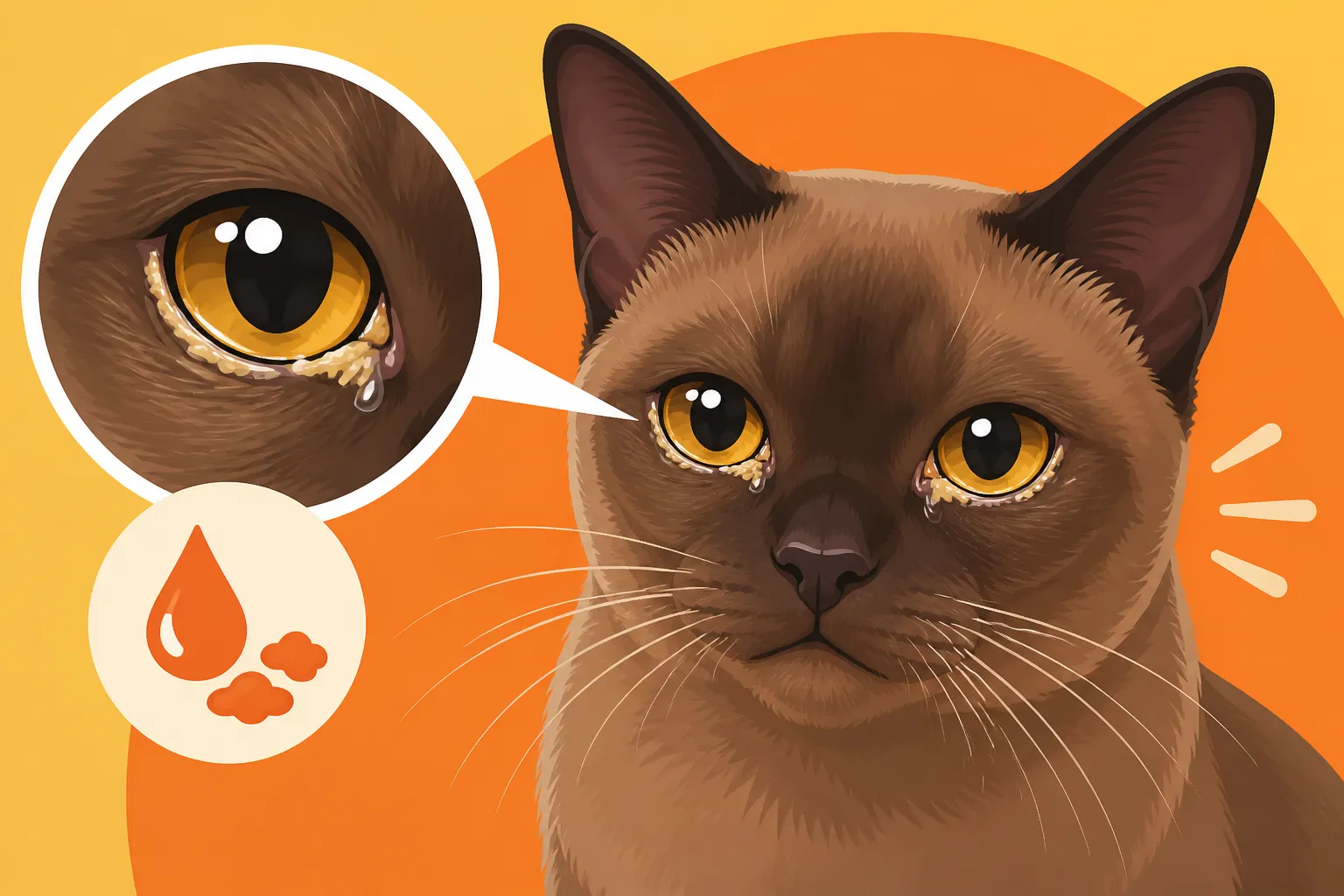
This tendency for tears to overflow can create a moist environment on the fur around the eye, which then collects dust, debris, and even dried tear proteins, leading to the familiar crusting you might observe. Think of it like a tiny, continuous waterfall that never quite makes it to the drain, leaving puddles that eventually dry and leave residue. It's a natural consequence of their facial anatomy and not necessarily a sign of pain or serious illness, though it warrants monitoring to ensure it doesn't escalate.
Normal Tear Production vs. Excessive Tearing (Epiphora)
In a healthy Burmese, tear production is a quiet, continuous process. The tears are clear, serving vital functions like lubricating the eye, flushing away minor irritants, and delivering nutrients to the cornea. You might occasionally see a tiny, clear discharge in the corner of their eye, especially after a nap, which is perfectly normal and easily wiped away. It's simply the eye's self-cleaning mechanism at work.
However, when you start noticing a persistent wetness around the eyes, dark stains on the fur, or a build-up of sticky, dried discharge, you’re likely observing epiphora, which is the medical term for excessive tearing. This isn't just more tears; it’s tears that aren't draining correctly or are being produced in super-abundance. While normal tears are clear, excessive tearing can lead to secondary issues. The constant moisture can irritate the skin, cause bacterial or yeast growth in the damp fur, and as those tears evaporate, they leave behind proteins and salts that dry into crusty deposits. The color of this crust can vary – clear, reddish-brown (from tear pigments), or even yellowish if there's an infection brewing. Distinguishing between normal and excessive tearing is your first step in understanding what's going on with your furry friend.
Common Causes of Watery and Crusty Eyes
Beyond their charming facial structure, a Burmese can develop watery and crusty eyes for a variety of reasons, many of which are common to all cat breeds. Pinpointing the exact cause often requires a bit of detective work and sometimes, professional veterinary help.
Environmental Irritants and Allergies
Just like us, cats can react to things in their environment. Imagine living in a home where dust motes dance in every sunbeam, or where strong scents linger in the air. For a sensitive feline, these seemingly innocuous elements can become serious irritants. Things like household dust, pollen that blows in through an open window, or even chemicals from cleaning sprays can irritate your Burmese's delicate eyes, triggering increased tear production as their body tries to flush out the offending particles. It's a natural defense mechanism, but when the irritant is constant, the tearing becomes chronic.
Beyond dust and pollen, consider what you use in your home. Strong perfumes, scented candles, air fresheners, or even the residue from certain laundry detergents can be culprits. Some cats can even be allergic to specific food ingredients, which might manifest as skin or eye irritation, though true food allergies primarily affecting the eyes are less common. If you notice your Burmese's eyes watering more after you've cleaned the house or introduced a new product, try to eliminate or switch those items. Even dusty cat litter can be a major irritant; opting for a low-dust or dust-free litter can make a significant difference in preventing eye irritation and subsequent crusting. Creating a clean, scent-neutral environment is often the first, easiest step in managing mild epiphora.
Minor Injuries or Foreign Bodies
Cats are incredibly agile and curious creatures, but sometimes their adventurous spirit can lead to minor mishaps. Imagine your Burmese batting at a stray leaf that drifted indoors, or playfully wrestling with another cat. During these moments, it's surprisingly easy for a tiny foreign body – a speck of dust, a piece of cat litter, a stray hair, or even a tiny plant fragment – to get lodged in their eye. Even a minor scratch from a sharp claw during play can cause significant irritation. When something enters the eye, the body's immediate response is to produce more tears to try and wash it out. This sudden onset of tearing, often accompanied by blinking, squinting, or pawing at the eye, is a clear sign that something is amiss.
If you suspect a foreign body or minor injury, it's crucial to observe your cat closely. Does one eye seem more affected than the other? Is there a noticeable red spot or cloudiness in the eye? Never try to remove a foreign object yourself, especially if it appears embedded or if your cat is in pain. Rubbing or poking can cause more damage. This is definitely a situation that warrants a quick call to your vet. They have specialized tools to safely examine the eye and remove any irritants without causing further harm, and they can prescribe eye drops to help with pain and inflammation. Early intervention is key to preventing a minor issue from becoming a more serious corneal abrasion or infection.
Bacterial or Viral Infections
Infections are a very common reason for watery and crusty eyes in cats, and unfortunately, Burmese cats are just as susceptible as any other breed. We often see these issues crop up, especially in multi-cat households or in young kittens whose immune systems are still developing. Viral infections, particularly Feline Herpesvirus (FHV), are notorious for causing conjunctivitis (inflammation of the lining of the eye) with often clear, watery discharge, sometimes accompanied by sneezing and nasal discharge. Many cats carry FHV for life and can have flare-ups during times of stress, manifesting as eye irritation.
Bacterial infections, on the other hand, tend to produce a thicker, often yellowish or greenish discharge, and might be accompanied by redness, swelling, and increased crusting. Common bacteria like Chlamydophila felis can cause significant discomfort. Sometimes, a viral infection weakens the eye's defenses, allowing a secondary bacterial infection to take hold, resulting in a mixed presentation. If your Burmese is experiencing symptoms like lethargy, loss of appetite, or signs of an upper respiratory infection alongside their eye issues, it's very likely an infection. A visit to the vet is essential to get an accurate diagnosis and appropriate treatment, which might include antiviral medications or antibiotic eye drops or ointments. Remember, trying to self-diagnose or treat with over-the-counter human products can do more harm than good.
Breed-Specific and Anatomical Considerations
While many causes of watery eyes are universal, certain aspects of the Burmese breed's anatomy can predispose them to specific ocular problems. Understanding these can help you and your vet narrow down the possibilities.
Eyelid Abnormalities Entropion and Ectropion
While less common in Burmese than in some profoundly brachycephalic or heavily wrinkled breeds, eyelid abnormalities like entropion and ectropion can still occur and are worth understanding. Entropion is a condition where a portion of the eyelid, usually the lower one, rolls inward towards the eye. This causes the eyelashes and surrounding fur to rub against the cornea and conjunctiva, leading to constant irritation. The symptoms are typically persistent tearing, redness, squinting (due to pain), and often a thick, mucoid discharge as the eye tries to protect itself. Over time, this chronic irritation can lead to corneal ulcers and vision impairment if left untreated.
Conversely, ectropion is when the eyelid rolls outward, exposing the delicate conjunctival tissue. This makes the eye more vulnerable to environmental irritants, dust, and drying out, also leading to excessive tearing and often recurrent infections. Both conditions are often congenital, meaning cats are born with them, and can be inherited. If your Burmese shows signs of chronic eye irritation, especially if it's been present since kittenhood or seems to worsen with age, your vet will carefully examine the eyelid position. Depending on the severity, surgical correction may be recommended to alleviate discomfort and prevent long-term damage. This is not a situation for at-home remedies; a vet visit is crucial for diagnosis and treatment planning. You may want to check with your breeder about a cat’s genetic predisposition when it comes to Which Tests Belong on a Burmese DNA Panel
Nasolacrimal Duct Obstruction
The nasolacrimal ducts are tiny tubes that connect the inner corner of each eye to the nasal cavity, acting as the drainage system for tears. Think of them as miniature gutters. When these ducts become blocked or narrowed, tears can't drain properly, causing them to well up and spill over onto the face, a condition often referred to as "tear overflow." This is particularly relevant for breeds like the Burmese, especially the American type with its somewhat shorter, rounder muzzle, as their facial structure can sometimes lead to slightly narrower or kinked tear ducts from birth. While it is not as extreme as some flat-faced breeds, it can still be a factor.
The tell-tale sign of a nasolacrimal duct obstruction is persistent, clear tearing without other obvious signs of irritation or infection, such as redness or squinting. The fur around the eyes may be constantly damp and prone to reddish-brown staining, especially noticeable on lighter-colored Burmese. Diagnosis often involves a simple, painless test where a vet applies a special dye (fluorescein) to the eye. If the dye doesn't appear in the nostril within a few minutes, it indicates a blockage. Treatment might range from gentle massage to help clear minor blockages, to flushing the ducts under light sedation. In some chronic cases, especially if the obstruction is anatomical, managing the overflow with regular cleaning might be the primary approach. Understanding this potential anatomical predisposition in your Burmese can help manage expectations and guide treatment.
Recognizing When to Seek Veterinary Care
It's natural to try and manage minor issues at home, but with eye problems, waiting too long can lead to serious complications. Knowing when to elevate a watery eye to a veterinary emergency is crucial for your Burmese's health and comfort.
Signs That Warrant Immediate Veterinary Attention
While a little bit of clear tearing and mild crusting might be manageable with gentle at-home cleaning, there are definite red flags that signal it's time to call your vet without delay. If you observe any of the following symptoms in your Burmese, don't wait:
- Sudden Onset or Rapid Worsening: If the tearing and crusting appear very suddenly, especially in one eye, or if a mild issue rapidly becomes severe, it suggests an acute problem like an injury or severe infection.
- Pain or Discomfort: Any sign of pain, such as persistent squinting, holding the eye partially closed, pawing at the eye, rubbing their face, or increased vocalization when you try to examine it, means your cat is in distress. Pain often indicates a serious issue like a corneal abrasion or foreign body.
- Changes in Eye Appearance: Look for cloudiness or haziness in the cornea (the clear front surface of the eye), a visible injury, a change in eye color (other than their normal gold), a red or inflamed conjunctiva (the pink lining of the eyelids), or swelling around the eye.
- Thick, Colored Discharge: While clear tears are often irritating, yellowish, greenish, or thick, pus-like discharge almost always indicates a bacterial infection that requires prescription medication.
- Vision Impairment: If your Burmese seems to be bumping into things, hesitating to jump, or generally acting disoriented, especially in dim light, it could be a sign that their vision is compromised.
- Associated Systemic Symptoms: If eye issues are accompanied by other signs of illness like lethargy, loss of appetite, sneezing, coughing, fever, or changes in drinking/urination habits, it points towards a more widespread infection or illness, such as a severe upper respiratory infection.
Eye issues can escalate quickly, and even seemingly minor problems can lead to permanent damage or vision loss if not addressed promptly. When in doubt, it’s always better to err on the side of caution and consult your veterinarian. They can accurately diagnose the problem and ensure your beloved Burmese gets the specific treatment they need. It's often difficult for an owner to distinguish certain conditions; for instance, How a Vet Distinguishes Burmese Hypokalemia From Injury can sometimes be tricky without specific diagnostic tools.
What Your Vet Will Look For
When you bring your Burmese to the vet for eye issues, expect a thorough and systematic examination. Your vet won't just glance at the eyes; they'll often begin with a general physical to assess your cat's overall health, temperature, and listen to their heart and lungs, as eye problems can sometimes be a symptom of a broader systemic illness. Then, they'll focus on the eyes themselves.
The ocular examination will typically involve several steps. First, your vet will visually inspect the eyelids, conjunctiva, and cornea, looking for redness, swelling, discharge characteristics, or any visible foreign bodies. They might use an ophthalmoscope – a specialized tool with a light source and magnification – to get a closer look at the structures of the eye. A common diagnostic test is the fluorescein stain test, where a non-toxic orange dye is applied to the eye. This dye adheres to any areas of corneal damage (like scratches or ulcers), making them glow bright green under a special blue light, even if they're invisible to the naked eye. They might also perform a Schirmer tear test to measure tear production, though this is less common in cats than dogs.
If infection is suspected, your vet might take a sterile swab of the discharge for cytology (examining cells under a microscope) or culture (growing bacteria to identify them and test antibiotic sensitivity). For chronic or recurring issues, especially if a viral component like Feline Herpesvirus is suspected, they might recommend specific viral testing. Providing a detailed history of your cat's symptoms – when they started, if they've worsened, what type of discharge you've seen, and any other changes in behavior – will be incredibly helpful to your vet in making an accurate diagnosis. Remember, this detailed examination is critical for getting your Burmese the right treatment, ensuring their eye health and comfort. Regular checks, as discussed in How Often a Healthy Adult Burmese Needs Checking, are key for early detection.
| Condition | Key Symptoms | Typical Discharge | Urgency for Vet Visit | Potential Treatment |
|---|---|---|---|---|
| Environmental Irritation | Mild, clear tearing; occasional crusting; no pain or redness; often triggered by dust/scents. | Clear | Low (monitor & remove irritant) | Remove irritant, gentle cleaning. |
| Minor Foreign Body/Injury | Sudden onset tearing, squinting, pawing at eye, redness, discomfort in one eye. | Clear to slightly watery | High (urgent) | Foreign body removal, antibiotic eye drops, pain relief. |
| Bacterial Infection | Yellow/green, thick discharge; redness; swelling; may have other URI symptoms; crusting. | Yellow/Green, thick | High | Antibiotic eye drops/ointment, oral antibiotics. |
| Viral Infection (e.g., FHV) | Clear, watery discharge; conjunctival redness; often associated with sneezing/nasal discharge; can have flare-ups. | Clear, watery | Moderate to High | Antiviral eye drops, L-lysine supplements, supportive care. |
| Nasolacrimal Duct Obstruction | Persistent clear tearing; tear staining on fur; usually no redness or pain. | Clear | Moderate | Duct flushing, gentle massage; sometimes surgical correction in severe cases. |
| Eyelid Abnormalities | Chronic tearing; redness; squinting; visible inward (entropion) or outward (ectropion) rolling of eyelid. | Clear to mucoid | Moderate to High | Surgical correction (blepharoplasty) is often required. |
| Allergies | Seasonal or persistent clear tearing; sometimes accompanied by skin itching or sneezing. | Clear | Moderate | Antihistamines, environmental management, allergy testing in complex cases. |
At-Home Care and Prevention Tips
While some eye conditions require professional veterinary intervention, there’s a lot you can do at home to alleviate discomfort, keep your Burmese’s eyes clean, and potentially prevent future issues. Consistency is key, and always approach your cat with gentleness and patience.
Safe Cleaning Practices for Crusty Eyes
When your Burmese's eyes are watering and crusting, gentle cleaning can provide immense relief and prevent secondary skin irritation. The goal is to soften and remove the dried discharge without further irritating the eye or the delicate skin around it. Start by gathering your supplies: soft cotton pads or gauze (avoid cotton balls as fibers can get into the eye), and warm water or a veterinarian-approved ophthalmic saline solution. Never use harsh soaps, alcohol, or hydrogen peroxide around your cat's eyes. You should also avoid human eye drops unless specifically advised by your vet.
To clean, gently dampen a cotton pad with warm water or saline. Place the warm, moist pad over the crusty area for a few seconds to help soften the discharge. Then, with a fresh, clean pad, gently wipe away from the eye, starting from the inner corner and moving towards the outer corner. Use a separate clean pad for each eye, especially if you suspect an infection, to avoid spreading bacteria. Be very careful not to press on the eyeball itself or poke your cat’s eye with your fingers. If the crusting is stubborn, repeat the softening process. For general daily wiping, especially if you notice Why a Burmese's Eyes Weep in the Corners as a regular occurrence, consider making it part of your routine. If you're looking for detailed steps, this guide on How to Clean a Burmese's Eye Corners Safely offers excellent advice. Remember, some cats may resist at first, so keep sessions short, praise them, and offer a treat afterward to create a positive association.
Maintaining a Clean Environment
One of the most effective ways to prevent watery eyes caused by environmental irritants is to maintain a consistently clean living space for your Burmese. Think about what your cat encounters daily. Dust is a major culprit; regular dusting with a damp cloth and vacuuming with a HEPA filter can significantly reduce airborne particles that might land in your cat’s eyes. Consider using an air purifier, especially in rooms where your cat spends a lot of time or where dust tends to accumulate.
Beyond dust, pay attention to strong scents. Your Burmese's sense of smell is far more acute than yours, and what smells pleasant to you might be overwhelming or irritating to them. Avoid strong air fresheners, scented candles, plug-ins, and harsh chemical cleaners. Opt for unscented or pet-friendly cleaning products whenever possible. Even certain types of cat litter can be highly irritating due to dust; choosing a low-dust or dust-free litter can make a surprising difference in eye health. If you smoke, doing so away from your cat is essential, as secondhand smoke is a significant irritant and respiratory hazard. Creating a clean, calm, and low-allergen environment is a powerful proactive measure against many types of eye irritation.
Regular Health Checks and Monitoring
Proactive care is always better than reactive treatment, especially with a breed like the Burmese who, despite their affectionate nature, can be masters at Why a Burmese Hides Illness Behind Its Affection. Regular health checks, both at home and with your veterinarian, are crucial for catching potential eye issues early before they become severe. At home, make it a habit to gently examine your Burmese’s eyes daily or every few days. Look for any changes in the amount or type of discharge, redness, swelling, cloudiness, or any signs of discomfort like squinting. Notice if they're pawing at their face more often.
Consistent veterinary check-ups are equally vital. During these visits, your vet will perform a thorough physical examination, which includes a careful look at your cat’s eyes. Even if you haven't noticed any major issues, your vet might spot subtle signs of irritation or an underlying condition that could develop into a problem. Discuss any minor concerns you have, even if they seem insignificant. These routine visits are an opportunity to ask questions, address any new symptoms, and ensure your Burmese is on track for a long, healthy life. Thinking ahead about how to manage potential health costs, especially for chronic conditions, can also be helpful. Many pet owners find that investing in pet insurance, like policies offered by Healthy Paws, can provide peace of mind and help cover unexpected veterinary expenses, allowing you to prioritize your cat's health without financial stress. While no insurance covers pre-existing conditions, having a policy in place before any symptoms arise can be a lifesaver for future care needs. For instance, Whether a Burmese Policy Is Worth It Once Diabetes Is Excluded is a common question, and understanding your options for comprehensive coverage can make a big difference in the long run.
Disclaimer
The information provided in this article is for general informational purposes only and is not intended as a substitute for professional veterinary advice, diagnosis, or treatment. Always seek the advice of your veterinarian or other qualified animal health provider with any questions you may have regarding a medical condition or the health and welfare of your pet.