Whether a Burmese Policy Is Worth It Once Diabetes Is Excluded
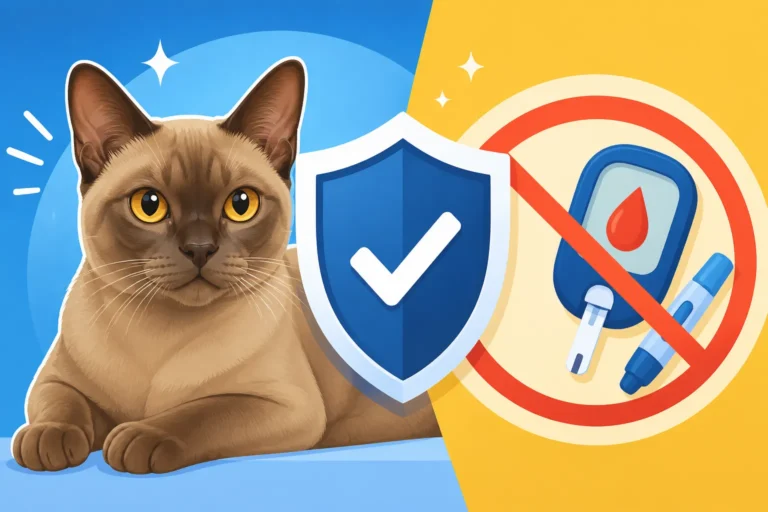
It's a tough pill to swallow when you realize your beloved Burmese, a breed so prone to diabetes, might not have that specific condition covered by pet insurance. You might find yourself wondering if it's even worth the monthly premium when the one thing you worry about most is explicitly excluded. This guide is here to help you navigate that complex decision, exploring whether pet insurance still holds value for your Burmese, even with a diabetes exclusion.
The Frustrating Reality of Burmese Diabetes and Insurance
Let's face it, owning a Burmese is a joy, but it also comes with a unique set of health considerations. The sheer prevalence of diabetes in this breed is something every owner is acutely aware of, and it’s a source of genuine worry. When you look into pet insurance, hoping for peace of mind, only to find that this major concern is often side-stepped by policy exclusions, it can feel like a punch to the gut.
Why Diabetes is Such a Big Deal for Burmese Owners
The Burmese cat breed truly stands out for its genetic predisposition to diabetes mellitus. It's not just a casual risk; studies have shown that Burmese cats are significantly more likely to develop this condition compared to other breeds. This isn't a problem that creeps up quietly. Managing a diabetic cat involves a strict routine of insulin injections, specialized diets, and frequent veterinary visits, which quickly adds up in both time and money. The emotional toll of watching your companion struggle, combined with the financial strain, can be immense. While we do our best with preventative care, like diligent Why Portion Control Is Medical Care in a Burmese and weight management, sometimes genetics simply play a cruel hand. It's a heavy burden to carry, knowing this shadow looms, and it’s precisely why owners seek insurance in the first place. You can read more about just How Much Higher the Burmese Diabetes Rate Really Is compared to other breeds.
The Industry Standard: Pre-Existing Condition Clauses
The reason many pet insurance policies won't cover diabetes in a Burmese, or any cat for that matter, often comes down to the dreaded "pre-existing condition" clause. Simply put, if your cat showed any signs or symptoms of an illness before you enrolled in a policy or before your waiting period ended, that specific condition (and often related conditions) will be excluded from coverage. For a breed like the Burmese, where diabetes can present subtly at first, or where the risk is so widely known, insurers are understandably cautious. Once a vet has noted increased thirst, urination, or any bloodwork abnormalities indicative of diabetes, even if a formal diagnosis isn't yet confirmed, it can often be flagged as pre-existing. It’s a bitter irony that the very reason you seek insurance – to protect against a known breed risk – often becomes the reason that risk isn't covered. This reality can lead to significant frustration and the feeling that you're paying for protection that falls short of your specific needs. Understanding Why Insurers Write Diabetes Out of a Burmese Policy can help you manage expectations.
Deciphering Pet Insurance Policies: What's Still Covered?
So, if diabetes might be out, what is left on the table for your Burmese? It’s crucial not to let one exclusion overshadow the broader purpose of pet insurance. While diabetes is a significant concern, a Burmese can, unfortunately, fall victim to a host of other health problems, just like any other cat. The policy details matter immensely here, distinguishing between different coverage types and understanding what illnesses and accidents remain eligible for reimbursement.
Accident-Only vs. Accident & Illness Coverage
When you're shopping for pet insurance, you'll generally encounter two main categories: accident-only policies and accident & illness policies. An accident-only plan, as the name suggests, will cover things like broken bones, lacerations from an outdoor mishap, or an emergency visit if your Burmese eats something it shouldn't. These plans are typically less expensive, but they offer very limited protection. For a Burmese, relying solely on an accident-only policy feels like a significant gamble, considering their genetic predispositions.
Accident & illness policies are the more comprehensive option, covering accidents and a wide range of illnesses. Even if diabetes is excluded due to a pre-existing condition, this type of policy would still cover cancer, kidney disease, hyperthyroidism, infections, arthritis, and countless other medical conditions. For a Burmese, which is known for its robust health overall but still susceptible to common feline ailments and some breed-specific issues beyond diabetes, this broader coverage is usually the smarter choice. Think of it this way: while you're worried about the possibility of diabetes, your Burmese could just as easily develop a sudden urinary tract infection, need emergency surgery for a swallowed toy, or require treatment for a chronic condition later in life. These are the scenarios where an accident & illness policy, even with the diabetes clause, can truly shine.
Beyond Diabetes: Other Burmese Health Concerns
While diabetes often takes center stage in discussions about Burmese health, it’s not the only challenge they might face. Understanding the full spectrum of potential health issues is key to assessing the worth of an insurance policy. For instance, Burmese cats are known for their strong immune systems, but they can still be affected by things like periodontal disease, which can lead to costly dental procedures. They might also be prone to conditions like hypokalemia, though reputable breeders typically screen for this now, and it can be a significant cost if it appears. As they age, like all cats, they can develop chronic kidney disease or hyperthyroidism, both of which require ongoing management and can incur substantial veterinary bills.
An accident & illness policy, even without diabetes coverage, would typically cover these other significant health issues, provided they aren't pre-existing. Imagine your senior Burmese developing arthritis, requiring regular pain medication and potentially physical therapy. Or needing an emergency vet visit after a sudden fall. These are not insignificant costs, and having a policy in place can make the difference between approving vital treatment and facing agonizing financial decisions. It's about protecting against the many unknowns, not just the single known risk. Delve deeper into Which Diseases the Burmese Actually Carries to understand the full picture. Even conditions that cause an What an Old Burmese Slows Down From could be covered if they're not pre-existing.
The Financial Landscape: Weighing Costs and Benefits
The core of the "is it worth it" question always boils down to money. On one hand, you have monthly premiums that add up over time. On the other, you have the potentially astronomical costs of unexpected veterinary care. For a Burmese, this calculation becomes even more nuanced when you factor in the known risks and potential exclusions. It's not just about what a policy covers, but how that coverage translates into actual savings for you.
The True Cost of Common Burmese Health Issues
Let’s be realistic about what veterinary care can cost, even for non-diabetic conditions. A sudden accident, like your adventurous Burmese jumping from a high shelf and breaking a leg, could easily lead to an emergency vet visit, X-rays, surgery, pain medication, and follow-up appointments. This scenario alone could cost thousands of dollars. An unexpected illness, like a severe urinary blockage (common in male cats, including Burmese), might require an emergency catheterization, hospitalization, and possibly surgery, again quickly racking up a significant bill. Even something as "routine" as a comprehensive dental cleaning with extractions, which many Burmese need as they age due to receding gums, can be a multi-hundred-dollar procedure.
Now, imagine these scenarios happening without insurance. You'd be facing the full brunt of these costs out of pocket. Pet insurance, even with a diabetes exclusion, acts as a financial safety net for these other, equally likely, and often very expensive events. It helps ensure that you can say "yes" to necessary treatments without crippling your finances. Over the What a Burmese Costs Over Sixteen Years, these potential non-diabetic health crises can easily outweigh the cumulative cost of premiums. Remember, a Burmese might look healthy and active, but unexpected issues can arise at any age, and the bills can be staggering. When you consider What Diabetes Costs a Burmese Owner a Year once it develops, even coverage for other things becomes more critical.
Premiums, Deductibles, and Reimbursement Rates
Navigating the financial maze of pet insurance requires a grasp of a few key terms:
- Premium: This is your regular payment – usually monthly or annually – to keep your policy active. It’s the recurring cost you budget for.
- Deductible: This is the amount you have to pay out of pocket before your insurance coverage kicks in for a specific claim or within a policy year (depending on the policy structure). For example, if you have a $250 deductible, you pay the first $250 of an eligible vet bill, and then your insurance starts contributing.
- Reimbursement Rate: This is the percentage of the covered veterinary bill that the insurance company will pay after your deductible is met. Common rates are 70%, 80%, or 90%. So, if you have an 80% reimbursement rate on a $1,000 bill (after meeting your deductible), the insurance company pays $800, and you pay $200.
Let's look at an example:
Imagine your Burmese needs emergency surgery for a swallowed object, costing $3,000.
- Your policy has a $250 annual deductible and an 80% reimbursement rate.
- You pay the first $250 (deductible).
- The remaining bill is $2,750 ($3,000 – $250).
- Your insurance reimburses 80% of $2,750, which is $2,200.
- Your total out-of-pocket cost for this incident is $250 (deductible) + $550 (20% of the remaining bill) = $800.
- Without insurance, this would have been $3,000. That's a significant saving, even with a diabetes exclusion.
When weighing a policy, consider these factors carefully. A lower premium might come with a higher deductible or a lower reimbursement rate, meaning you pay more out of pocket when a claim arises. Conversely, a higher premium might offer better reimbursement and a lower deductible. It’s about finding the balance that fits your budget and your comfort level with risk.
Strategies for Maximizing Value with a Diabetes Exclusion
Knowing that diabetes might not be covered doesn't mean pet insurance is useless. In fact, it sharpens the focus on how to best leverage a policy to protect your Burmese and your wallet from other potential health crises. It’s all about timing, informed choices, and understanding the fine print.
Insuring Early: The Golden Rule for Any Burmese Owner
This is perhaps the single most important piece of advice for any pet owner, but especially for those with a breed like the Burmese. The absolute best time to get pet insurance is when your Burmese is a young, healthy kitten or cat. Why? Because of those pesky pre-existing condition clauses we discussed. If you wait until your Burmese shows any symptom, even a seemingly minor one, that symptom or the condition it leads to, can be classified as pre-existing and excluded from coverage.
Imagine you notice your Burmese drinking a bit more than usual – a classic early sign of diabetes. If you then apply for insurance, any subsequent diagnosis of diabetes (or even just the investigation into those symptoms) would likely be excluded. But if you had a policy in place before those symptoms appeared, your coverage would be active. This applies to so many conditions, not just diabetes. Early insurance acts as a proactive shield against the unknown. A comprehensive vet check for your Burmese kitten, including a baseline blood panel, around the time you secure insurance can also be incredibly beneficial. This establishes a clean bill of health before many conditions might manifest. It’s always best to insure your cat Why a Burmese's Insurance Should Start Before Symptoms, ideally when they are kittens and have no medical history. Early annual glucose checks, particularly Why a Burmese's Glucose Should Be Checked From Seven, become even more critical when insurance might not cover diabetes.
Tailoring Your Policy: What to Look For and Ask
Even with a diabetes exclusion, you can still tailor your pet insurance policy to be incredibly valuable for your Burmese. Don't just pick the cheapest plan; scrutinize the details to ensure it aligns with other common Burmese health considerations and your personal needs.
Here’s what to look for and questions to ask:
- Coverage for common aging conditions: As your Burmese matures, conditions like arthritis, chronic kidney disease, and hyperthyroidism can become more prevalent. Ask if the policy has good coverage for chronic conditions that require ongoing medication and diagnostics. Many policies will cover these if they manifest after enrollment. Caring for a Burmese Caring for a Burmese Past Twelve can become expensive quickly, making this coverage vital.
- Dental coverage: Burmese cats are prone to gum disease. Some policies offer wellness add-ons that include dental cleanings, or their accident & illness plans cover dental procedures if a tooth is broken in an accident or extraction is medically necessary due to disease. This can be a huge benefit for a breed known for its dental issues.
- Specialist care coverage: If your Burmese ever needs to see a specialist (a veterinary dermatologist, ophthalmologist, or internal medicine expert), ensure your policy covers these consultations and subsequent treatments. Specialist care can be significantly more expensive than general practice.
- Waiting periods: Understand the waiting periods for accidents and illnesses. Some policies have a short waiting period for accidents (e.g., 2-3 days) and a longer one for illnesses (e.g., 14-30 days). Be aware of these before a claim arises.
- Maximum payouts: Does the policy have per-incident, annual, or lifetime limits? An unlimited annual or lifetime payout offers the best peace of mind for catastrophic illnesses or long-term chronic conditions.
- Breed-specific conditions (non-diabetic): While diabetes may be excluded, ask about other potential breed-specific issues that are not yet pre-existing. For instance, if your Burmese were to develop a sudden episode of hypokalemia (though rarer now with genetic testing), would that be covered? Most standard accident/illness policies would cover such conditions if they occur after enrollment.
Don’t hesitate to call the insurance provider and specifically discuss your Burmese, mentioning the breed’s known tendencies. Being proactive and informed before you sign up is key to feeling confident in your chosen policy.
Living with the Exclusion: Practical Management and Alternatives
Accepting the reality of a diabetes exclusion doesn't mean you're left without options. In fact, it empowers you to be even more diligent in preventative care and smart financial planning. You can still significantly impact your Burmese's health and your budget through proactive management and considering alternative financial strategies.
Proactive Health Management for Diabetes-Prone Burmese
Even if your insurance policy won't cover diabetes, a proactive approach to your Burmese's health remains your most powerful tool. The focus shifts from reactive treatment to preventative care, aiming to delay or even entirely avoid the onset of diabetes and other conditions.
- Dietary Control: This is paramount. Since diabetes in Burmese cats is so strongly linked to diet, particularly carbohydrate intake, feeding a high-quality, low-carbohydrate wet food is often recommended by veterinarians. Sticking to a strict feeding schedule with weighed portions, rather than free-feeding, helps regulate blood sugar and prevent obesity. This disciplined approach to food is genuinely Why Portion Control Is Medical Care in a Burmese and can significantly mitigate diabetes risk.
- Weight Management: Obesity is a huge risk factor for diabetes in cats. Regularly weighing your Burmese at home and ensuring they maintain an ideal body condition is critical. A lean, muscular physique is not just aesthetically pleasing; it's a vital health protector. If you notice any upward creep on the scales, adjust food portions promptly under veterinary guidance.
- Regular Veterinary Checks: Don't skip those annual vet visits! These appointments are not just for vaccines; they're crucial opportunities for your vet to monitor your Burmese’s overall health, including early signs of diabetes. Bloodwork, including glucose and fructosamine levels, becomes increasingly important as your Burmese ages. Your Why a Burmese's Vet Year Is Built Around a Glucose Check becomes an even more important date on the calendar. Early detection of any issue allows for earlier intervention, which can be less costly and more effective in the long run. Even without insurance coverage for diabetes, understanding How Long a Diabetic Burmese Lives can be influenced by diligent management.
Self-Insurance and Emergency Funds
For some pet owners, especially those facing a diabetes exclusion or those with very limited budgets for premiums, self-insurance or maintaining a robust emergency fund might be a viable alternative or supplement.
What is self-insurance? It's essentially saving money regularly in a dedicated account specifically for your pet's veterinary expenses. Instead of paying a premium to an insurance company, you pay it to yourself.
Pros of Self-Insurance/Emergency Fund:
- Flexibility: You have complete control over how and when the money is used. No deductibles, no reimbursement rates, no waiting periods, no pre-existing condition exclusions.
- Potential Savings: If your Burmese remains remarkably healthy throughout its life, you could potentially save more money than you would have paid in premiums.
- Always Available: The money is yours, so it's always there for any vet bill, regardless of the condition.
Cons of Self-Insurance/Emergency Fund:
- Discipline Required: You need to be diligent about consistently saving a substantial amount each month, ideally equivalent to or more than a good insurance premium.
- Risk of Insufficient Funds: A major, unexpected veterinary emergency (like a $5,000 surgery) early in your cat’s life could quickly deplete your fund before you’ve had a chance to save enough. This is the biggest risk, especially with breeds known for specific expensive conditions.
- Opportunity Cost: That money could be earning interest or invested elsewhere.
For a breed like the Burmese, with a known, expensive, chronic condition risk like diabetes (even if excluded by insurance), a robust emergency fund is practically non-negotiable, whether you have insurance or not. If you opt not to get insurance because of the diabetes exclusion, you absolutely must have a significant amount set aside. Many suggest starting with at least $3,000-$5,000. It provides a crucial financial buffer, giving you peace of mind that you can afford unexpected treatments without going into debt.
Selecting the Right Provider and Policy
Choosing a pet insurance provider can feel overwhelming, with so many options and varying policy details. When you're dealing with the specific context of a Burmese and potential diabetes exclusion, your choice becomes even more critical. It’s not just about the cheapest premium; it’s about finding a company and a policy that offers the best value and peace of mind for your unique situation.
Researching Pet Insurance Companies
When you’re looking for a pet insurance company, start by doing your homework. Not all providers are created equal, and their customer service, claims process, and policy transparency can vary wildly.
Here’s what to look for:
- Reputation and Reviews: Check independent review sites and forums. Look for feedback from other cat owners, especially those with breeds known for certain health issues. Are people generally happy with their claims process? Do they feel the company is fair and responsive?
- Clear Policy Language: Avoid companies with vague or overly complicated policy documents. You want a provider that is upfront about what is and isn't covered, including how they handle pre-existing conditions.
- Customization Options: Does the company allow you to adjust deductibles, reimbursement rates, and annual limits to create a policy that fits your budget and risk tolerance?
- Customer Service: How easy is it to get in touch with them? Are their representatives knowledgeable and helpful when you have questions about specific coverage scenarios? You might call them with a hypothetical question about a Burmese and a non-diabetic condition.
Companies like Healthy Paws are often highly rated for their comprehensive coverage (for covered conditions) and strong customer service. While they, like most, will exclude pre-existing conditions, their reputation for handling other claims efficiently can make them a strong contender for the remaining covered risks. When you speak to any potential provider, be transparent about your Burmese and any known predispositions to ensure you get accurate information about what their policy would cover for future, non-pre-existing conditions.
Understanding Policy Nuances and Fine Print
It’s easy to skim the highlights of a policy, but the real value (or lack thereof) often hides in the fine print. This is especially true when navigating coverage for a breed with specific health considerations.
Before you commit, make sure you understand:
- Maximum Annual/Lifetime Payouts: Some policies cap the amount they will pay out per year or over the lifetime of the pet. For an expensive illness or multiple accidents, these caps can be reached quickly, leaving you with hefty bills. Ideally, look for policies with high annual limits or even unlimited payouts if your budget allows.
- Per-Condition vs. Annual Deductibles: Some policies require you to meet a deductible per condition, meaning if your Burmese gets two different illnesses in a year, you’d pay two separate deductibles. Others have an annual deductible which, once met, applies to all covered conditions for that policy year. An annual deductible is generally more favorable for the pet owner.
- Exam Fee Coverage: Some policies cover the cost of the veterinary examination itself during a sick visit, while others do not. This can make a difference in your out-of-pocket expenses.
- Wellness Add-ons: Many providers offer optional wellness packages for things like routine exams, vaccinations, and dental cleanings. Decide if the cost of these add-ons is worth the benefit for your Burmese, especially considering their dental needs.
- Cancellation Policy: Understand how you can cancel your policy and if there are any penalties.
Remember, a pet insurance policy is a contract. Reading it thoroughly, asking questions, and understanding every clause is your responsibility as a pet parent. Don't be afraid to take your time, compare multiple quotes, and even discuss the options with your veterinarian, who can offer insights into the types of conditions they see most often and the associated costs.
Pet Insurance Comparison Table
Here's a simplified table comparing common pet insurance policy aspects, particularly relevant when considering a Burmese with a potential diabetes exclusion:
| Feature | Typically Covered (If Not Pre-Existing) | Often Excluded (If Pre-Existing/Wellness) | Key Consideration for Burmese |
|---|---|---|---|
| Accidents | Fractures, lacerations, foreign body ingestion | N/A | High value; accidents can be costly regardless of diabetes status. |
| Illnesses | Cancer, kidney disease, hyperthyroidism, infections, hypokalemia | Diabetes (if pre-existing) | Still covers many serious, expensive conditions common in cats. |
| Diagnostic Tests | X-rays, bloodwork, ultrasounds for covered conditions | N/A | Essential for diagnosing any illness or injury. |
| Medications | Prescribed meds for covered conditions | Insulin (if diabetes excluded) | Important for managing chronic issues like arthritis or hyperthyroidism. |
| Surgery | For accidents or covered illnesses | N/A | Can be the most expensive single vet cost; crucial coverage. |
| Emergency Care | For accidents or covered illnesses | N/A | Rapidly accruing costs can be catastrophic without coverage. |
| Specialist Consultations | For covered conditions | N/A | Access to specialized veterinary expertise is invaluable. |
| Dental Cleaning | Usually with wellness add-on or accident-related | Routine cleaning (often extra) | Burmese are prone to dental issues, consider add-on carefully. |
| Routine Wellness Exams | Usually with wellness add-on | N/A | Good for catching other issues early, but often an extra cost. |
This table helps illustrate that even with a diabetes exclusion, a comprehensive pet insurance policy still covers a vast array of potential health issues that can affect your beloved Burmese.
Disclaimer
This article is for general informational purposes only and does not constitute professional advice. Laws, prices and regulations vary by location and change over time. Consult a qualified professional for guidance on your specific situation.