Why a Burmese’s Insurance Should Start Before Symptoms
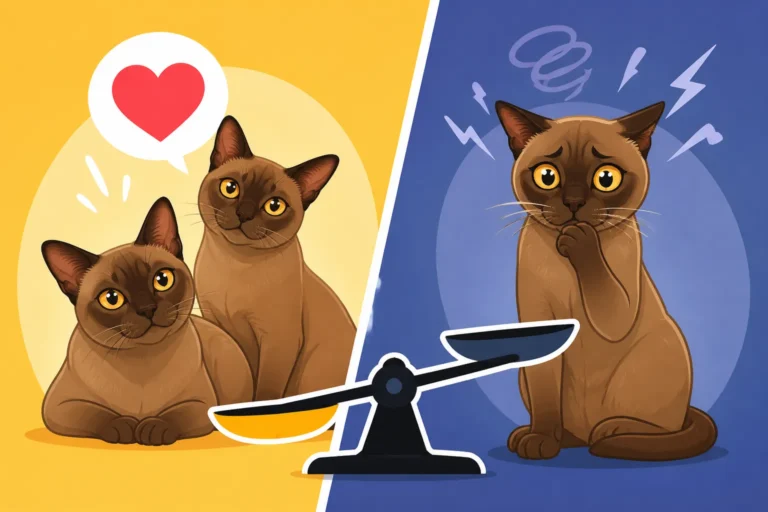
It's a tough pill to swallow, but waiting until your beloved Burmese starts showing even the tiniest sniffle before looking into pet insurance is a financial gamble that rarely pays off. Many new cat parents, myself included once upon a time, think they'll save money by only insuring once a problem arises, but with a breed as prone to specific inherited conditions as the Burmese, this approach can leave you facing heartbreakingly high vet bills entirely out of pocket. This guide will walk you through exactly why securing insurance for your Burmese before any symptoms appear is not just smart planning, but often the only way to genuinely protect your finances and your cat's health.
The Unique Health Landscape of the Burmese
Burmese cats are known for their captivating personalities and gorgeous, sleek coats, but they also come with a genetic predisposition to certain health challenges that every owner needs to be aware of. These aren't just minor ailments; many can lead to chronic conditions requiring ongoing, expensive veterinary care.
Inherited Conditions and Their Early Onset
When you bring a Burmese kitten home, you're not just getting a playful bundle of joy; you're often adopting a genetic blueprint that can unfortunately include a susceptibility to specific inherited diseases. One of the most talked-about conditions in the breed is diabetes mellitus. Burmese cats, particularly certain lines, have a significantly higher risk of developing diabetes compared to other breeds. It’s not a disease that typically manifests in old age for them; it can strike earlier, sometimes even in middle age, turning what you thought would be routine care into a complex daily regimen of injections and strict dietary control. You might assume your cat will be fine, but the genetics are a powerful factor at play here.
Beyond diabetes, other inherited issues, such as Hypokalemia (familial episodic hypokalemic polymyopathy), can present as early as kittenhood, causing episodes of muscle weakness, particularly in the neck and limbs. Imagine your little kitten, full of boundless energy, suddenly struggling to lift its head. It’s alarming and requires immediate veterinary attention and potentially lifelong management. Then there's the incredibly sad Burmese Head Defect Is Lethal and Recessive, a severe neurological condition, though thankfully, responsible breeders test for this. Even though most kittens are tested by good breeders, the sheer number of possible conditions means that early signs can be missed or dismissed as something less serious, only for a diagnosis to come later when it's too late to secure insurance coverage for that specific condition. For a deeper dive into the common ailments, read Which Diseases the Burmese Actually Carries.
Silent Sufferers: The Burmese's Stoic Nature
One of the most endearing, yet concerning, traits of the Burmese cat is their incredible resilience and tendency to hide illness. Unlike some breeds that might become vocal or obviously withdrawn at the first sign of discomfort, a Burmese might just become a little less playful, a bit clingier, or simply try to nap more often. This stoic nature, while a testament to their tough little bodies, means that by the time you notice something is truly wrong, the underlying condition might be quite advanced.
This can be incredibly frustrating for owners. You want to believe your cat is just having an off day, or that their slight change in appetite is due to the weather. But for a Burmese, these subtle cues are often the only warnings you get before a full-blown crisis. If they're hiding their symptoms, it means you're less likely to seek veterinary care until the issue is undeniable, at which point any insurance policy you try to take out would almost certainly classify that condition as "pre-existing," leaving you without coverage. Understanding Why a Burmese Hides Illness Behind Its Affection can truly save you from missing these critical early signs.
Understanding How Pet Insurance Works (and Doesn't Work)
Pet insurance isn't like human health insurance, and many owners discover this the hard way when their claim is denied. The key differences often revolve around pre-existing conditions and waiting periods – two things that heavily penalize those who wait until symptoms arise.
Pre-Existing Conditions: The Elephant in the Room
This is the biggest hurdle for pet owners who delay insurance. Almost every pet insurance policy on the market has a clause excluding pre-existing conditions. What does "pre-existing" mean? It means any illness or injury that your pet showed signs of before your policy started or during its waiting period. It doesn't matter if it wasn't formally diagnosed by a vet until later; if the symptoms were present, even subtly, the condition can be deemed pre-existing.
For a Burmese, this is critical. If your cat develops even mild symptoms of increased thirst and urination, which could indicate What Diabetes Looks Like in a Burmese, and you then try to get insurance, any subsequent diabetes diagnosis will likely be excluded. The same goes for any wobbly gait or head bobbing that might point to How Hypokalemia First Shows in a Burmese Kitten. Insurers are protecting themselves from covering conditions that were already developing. This isn't a malicious act; it's how they keep premiums manageable for everyone. Brands like Healthy Paws, for example, are quite clear about their policies on pre-existing conditions, as are most reputable providers. The only way around this is to get coverage when your cat is young and demonstrably healthy, before any red flags appear on their veterinary record or in their behavior.
Waiting Periods: Time is Not on Your Side
Even if your Burmese shows absolutely no symptoms when you enroll them, pet insurance policies still have something called a "waiting period." This is a set amount of time (often a few days for accidents, and a couple of weeks to a month for illnesses) that must pass after you purchase the policy before coverage for certain conditions begins.
Let's say you decide to get a policy for your perfectly healthy Burmese kitten, but a week after enrollment, your kitten suddenly starts showing signs of an illness. If that illness falls within the waiting period for certain conditions, the insurance company might not cover it. This is why timing is so crucial. You want to get that policy in place when your kitten is young, healthy, and has cleared all their initial vet checks, ensuring that any waiting periods are behind them before potential issues might arise. This gap between enrollment and active coverage is designed to prevent people from buying insurance specifically because they suspect a problem is brewing. It’s another layer of protection for the insurer and another reason why proactive enrollment is the only real strategy.
The Financial Burden of Untested or Uninsured Burmese
The cost of caring for a Burmese with a chronic condition can be staggering. Many owners underestimate just how much goes into managing a long-term illness, often thinking only of the initial diagnosis fee.
High-Risk Conditions and Their Lifetime Costs
Let's talk about diabetes in a Burmese. If your cat is diagnosed, it's not a one-time vet visit. It’s a lifelong commitment. You're looking at regular vet check-ups, potentially multiple times a year, to monitor blood sugar levels and adjust insulin doses. Then there's the insulin itself, which needs to be purchased regularly, along with syringes or insulin pens. Many diabetic cats also require a specific, low-carbohydrate diet, which can be more expensive than conventional cat food. Brands like Chewy often carry a wide range of prescription diets that can help manage these conditions, but the cost still adds up.
Consider the potential for complications: diabetic neuropathy, kidney issues, or even sudden hypoglycemic episodes that require emergency veterinary care. Each of these can add hundreds or even thousands of dollars to your vet bills. What a Diabetic Burmese Adds to a Lifetime Bill is often a shocking figure for owners. Without insurance, these costs fall squarely on your shoulders, and for many, it can mean making impossible choices between their cat's health and their financial stability. It's a heavy burden, and one that could largely be mitigated if a comprehensive insurance policy was in place before symptoms appeared. This is why Why the Diabetes Risk Belongs in a Burmese Budget is a piece of advice I give to all potential owners.
The Peace of Mind a Policy Provides
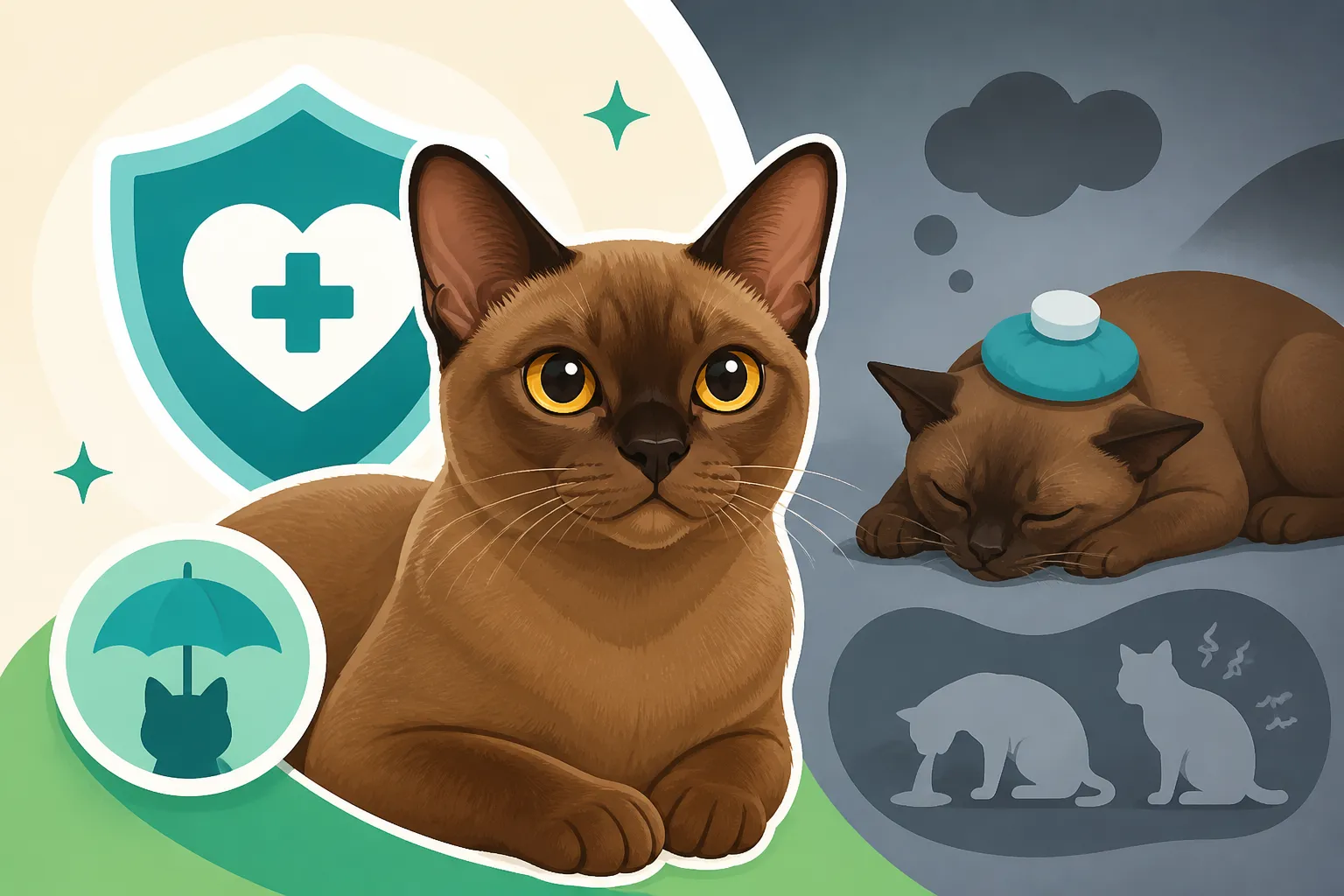
Beyond the pure financial aspect, having pet insurance provides an immense sense of peace. When your Burmese is unwell, the last thing you want to worry about is whether you can afford the best treatment. You want to focus on their comfort and recovery. A good insurance policy allows you to do just that. It means you can say "yes" to diagnostic tests, specialist consultations, and advanced treatments without agonizing over the bill.
Imagine your Burmese suddenly becomes lethargic and seems disoriented. With insurance, you can rush them to the emergency vet, knowing that if it's a new, unexpected condition, a significant portion of the cost will be reimbursed. Without it, you might hesitate, hoping they'll improve, potentially delaying critical care. This isn't just about money; it's about reducing stress during an already stressful time. It's about being able to make decisions based purely on your cat's well-being, not your wallet. The emotional toll of financial worry on top of a sick pet is something no one wants to experience.
Making the Decision: When to Enroll Your Burmese
The advice is almost always unanimous among veterinarians and experienced Burmese owners: enroll your cat as early as possible.
Kittenhood: The Golden Window
The absolute best time to enroll your Burmese in a pet insurance policy is when they are a kitten, ideally as soon as you bring them home, or even before if the policy allows. At this stage, they are most likely to be completely healthy, with no pre-existing conditions on their vet record. This "golden window" allows you to get coverage locked in before any of the breed-specific vulnerabilities have a chance to show themselves. Your vet will conduct a thorough initial examination, often including checking for things like Why a Burmese Kitten's Chest Should Be Checked at Birth or performing the essential Which Tests Belong on a Burmese DNA Panel. If these checks come back clear, you have the best possible foundation for an insurance policy.
A young kitten's immune system is still developing, and they can be prone to common kitten ailments that, while not life-threatening, can still incur vet bills. Think about ear infections, upper respiratory infections, or even accidental ingestion of something they shouldn't have. Having insurance from the start covers these unforeseen incidents, establishing a clear history of health before the more serious, inherited conditions might (or might not) appear later in life.
Navigating Options and What to Look For
When choosing a policy for your Burmese, don't just go for the cheapest option. Read the fine print carefully. Look for policies that offer comprehensive coverage for accidents and illnesses. Pay attention to the reimbursement percentage (e.g., 70%, 80%, 90% of eligible costs), the deductible amount, and the annual payout limits. Some policies have lifetime limits, others renew annually.
It's also crucial to understand how different companies handle specific conditions common in Burmese. While most won't cover pre-existing diabetes, some might offer wellness plans that help with preventative care, or policies with higher reimbursement rates for chronic illness management, assuming it wasn't pre-existing. Compare providers like Healthy Paws with others to see what fits your budget and your cat's potential needs. Specialized food options could be beneficial for a Burmese, but these food costs wouldn't typically be covered by standard insurance unless prescribed for a covered condition.
Consider what matters most to you. Is it a high annual limit for catastrophic events? Or lower deductibles for more frequent, smaller issues? Don't be afraid to ask potential insurers direct questions about how they handle breed-specific conditions once they are not pre-existing. This proactive research, coupled with early enrollment, is the most responsible way to ensure your Burmese has the best possible care throughout their potentially long life. After all, The Sixteen to Eighteen Years a Well Bred Burmese Gets can be incredibly fulfilling, and you want to be prepared for every one of them.
| Feature / Consideration | Before Symptoms Appear | After Symptoms Appear |
|---|---|---|
| Coverage for Condition | Highly likely to be covered (if not pre-existing and past waiting period) | Almost certainly excluded as "pre-existing" |
| Waiting Periods | Can pass during healthy period | Condition may worsen during waiting period |
| Emotional Stress | Lower, knowing you're prepared | High, worrying about treatment costs |
| Access to Best Care | Freedom to pursue all options | Limited by financial constraints |
| Overall Cost | Manageable monthly premiums | Potentially crippling out-of-pocket expenses |
| Vet Decisions | Based on prognosis, not budget | Heavily influenced by financial capacity |
Disclaimer
This article is for general informational purposes only and does not constitute professional advice. Laws, prices and regulations vary by location and change over time. Consult a qualified professional for guidance on your specific situation.